Barbara A. Anderson – författare
Visar alla böcker från författaren Barbara A. Anderson. Handla med fri frakt och snabb leverans.
17 produkter
17 produkter
757 kr
Skickas inom 3-6 vardagar
To understand why people migrate during periods of modernization, Barbara Anderson contends that one must study the place of origin, since the persons at the origin are the potential migrant population. Using data from the 1897 Imperial Russian Census, the author examines two types of migration: that to an already settled, relatively modern area, such as the major cities; and that to a sparsely populated, relatively traditional area, such as the agricultural frontier. Originally published in 1980. The Princeton Legacy Library uses the latest print-on-demand technology to again make available previously out-of-print books from the distinguished backlist of Princeton University Press. These editions preserve the original texts of these important books while presenting them in durable paperback and hardcover editions. The goal of the Princeton Legacy Library is to vastly increase access to the rich scholarly heritage found in the thousands of books published by Princeton University Press since its founding in 1905.
589 kr
Skickas
The birth rate in late-nineteenth century Russia was high and virtually constant, but by 1970 it had fallen by about two-thirds. Although similar reductions have occurred in other countries, the decline in Russian fertility is of particular interest because it took place in a setting of great ethnic heterogeneity and under economic and social institutions different from those in the West. This book tells the full statistical story of trends in Russian fertility since the first census in 1897 by examining the conditions--social, economic, cultural, and demographic--that existed at the beginning of and during the decline in human fertility. Originally published in 1979. The Princeton Legacy Library uses the latest print-on-demand technology to again make available previously out-of-print books from the distinguished backlist of Princeton University Press. These editions preserve the original texts of these important books while presenting them in durable paperback and hardcover editions.The goal of the Princeton Legacy Library is to vastly increase access to the rich scholarly heritage found in the thousands of books published by Princeton University Press since its founding in 1905.
1 701 kr
Skickas inom 3-6 vardagar
To understand why people migrate during periods of modernization, Barbara Anderson contends that one must study the place of origin, since the persons at the origin are the potential migrant population. Using data from the 1897 Imperial Russian Census, the author examines two types of migration: that to an already settled, relatively modern area, such as the major cities; and that to a sparsely populated, relatively traditional area, such as the agricultural frontier. Originally published in 1980. The Princeton Legacy Library uses the latest print-on-demand technology to again make available previously out-of-print books from the distinguished backlist of Princeton University Press. These editions preserve the original texts of these important books while presenting them in durable paperback and hardcover editions. The goal of the Princeton Legacy Library is to vastly increase access to the rich scholarly heritage found in the thousands of books published by Princeton University Press since its founding in 1905.
2 152 kr
Skickas inom 3-6 vardagar
The birth rate in late-nineteenth century Russia was high and virtually constant, but by 1970 it had fallen by about two-thirds. Although similar reductions have occurred in other countries, the decline in Russian fertility is of particular interest because it took place in a setting of great ethnic heterogeneity and under economic and social institutions different from those in the West. This book tells the full statistical story of trends in Russian fertility since the first census in 1897 by examining the conditions--social, economic, cultural, and demographic--that existed at the beginning of and during the decline in human fertility. Originally published in 1979. The Princeton Legacy Library uses the latest print-on-demand technology to again make available previously out-of-print books from the distinguished backlist of Princeton University Press. These editions preserve the original texts of these important books while presenting them in durable paperback and hardcover editions.The goal of the Princeton Legacy Library is to vastly increase access to the rich scholarly heritage found in the thousands of books published by Princeton University Press since its founding in 1905.
Reproductive Health: Women and Men's Shared Responsibility
Women and Men's Shared Responsibility
Häftad, Engelska, 2004
1 021 kr
Skickas inom 3-6 vardagar
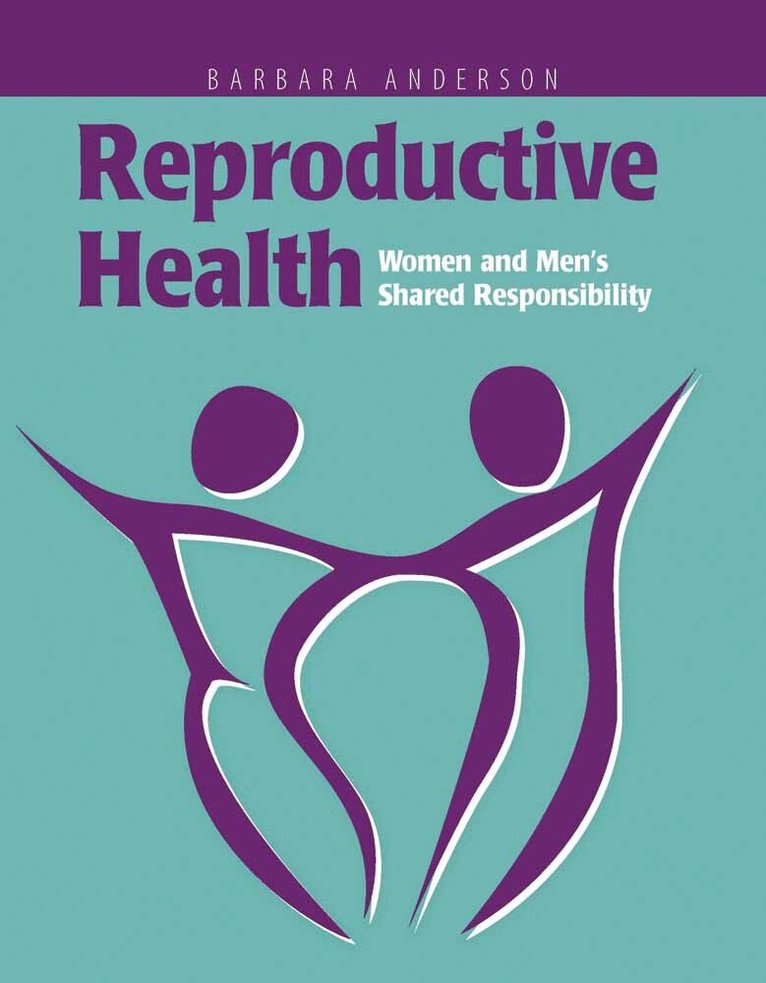
Reproductive Health: Women and Men's Shared Responsibility is a much needed reference for both leaders and students in community health. The author's basic premise, that reproductive health must be addressed in an individual, community, and global context, is reflected in this integrated orientation to reproductive health that befits the needs of students of the twenty first century. It offers a cutting-edge approach in its presentation of information about reproductive health, complete with recognition of the role of men, human rights, social justice, global health, infertility, environmental threats, gender violence, and more.
1 062 kr
Skickas inom 5-8 vardagar
This unique book not only explains the introduction of the Doctor of Nursing Practice (DNP) role but also bridges the DNP essentials with the evidence-based practice framework. It includes wonderful examples of exciting scholarship, but also illustrates how the evidence is then translated into clinical practice...This is a wonderful resource for students completing a DNP degree. It is an excellent book for expanding the understanding of the capstone project and the importance of dissemination of nursing knowledge to improve patient care and outcomes. Weighted Numerical Score: 100 - 5 Stars! Kathleen Woodruff Doody's Medical Reviews With a unique focus on exemplary, completed DNP capstone projects, this book delivers key information on designing, constructing, and completing a high quality capstone project. It demonstrates the impact that a well-conceived capstone project can have on facilitating change and addresses all program, administrative, policy, and clinical issues that DNP students may encounter during the capstone process. The book examines a variety of capstone projects from across the U.S.--quality improvement projects, strategic plans, advocacy, clinical case narratives, and other innovations--that demonstrate efficacy in clinical nursing practice outcomes and positive impact upon the health care environment. The book analyzes the components of these exemplary capstones to demonstrate how each has provided leadership for change in practice, promoted interdisciplinary collaboration, contributed to advocacy and policy change, and enhanced quality improvement in health care systems. Key Features: Focuses on a wide range of exemplary, completed DNP capstone projects Provides a roadmap for excellence in creating capstone projects Analyzes components of capstones that have effected positive change Includes strategies for implementing evidence-based practices for nurses and other health care providers Highlights DNP leadership and resulting positive changes in clinical practice
1 205 kr
Skickas inom 5-8 vardagar
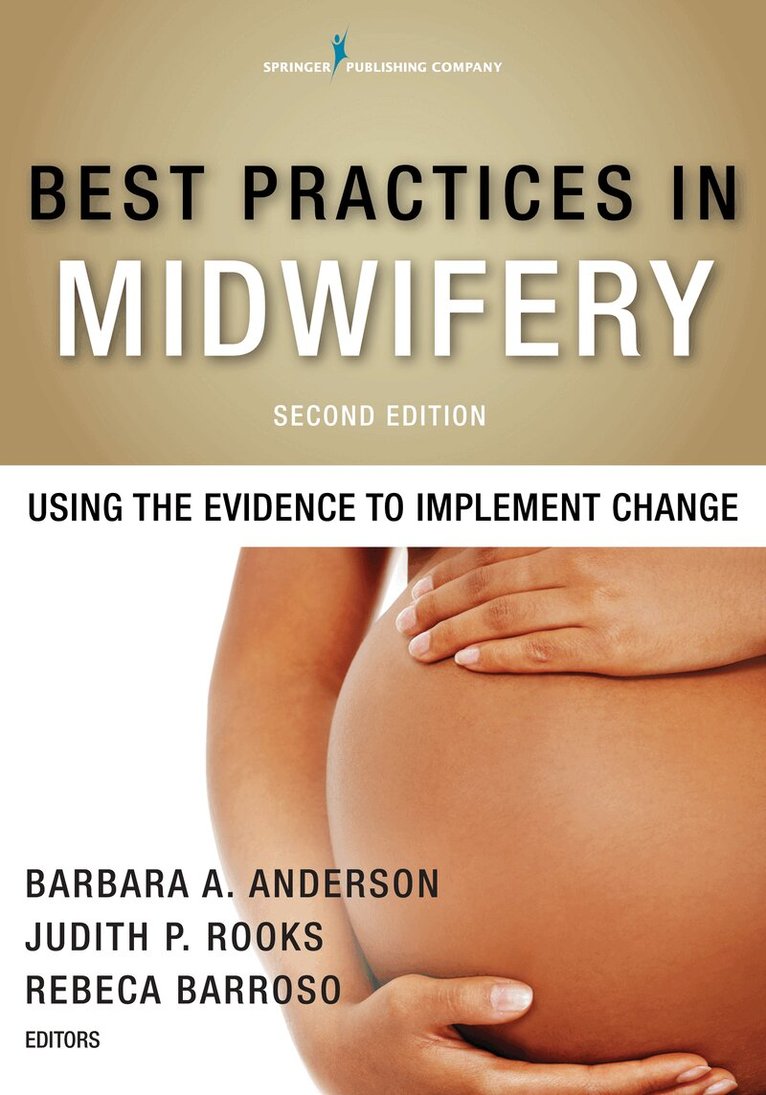
First Edition an AJN Book of the Year Award Winner! This second edition of a groundbreaking book is substantially revised to deliver the foundation for an evidence-based model for best practices in midwifery, a model critical to raising the United States' current standing as the bottom-ranking country for maternity mortality among developed nations.With a focus on updated scientific evidence as the framework for midwifery practice, the book includes 21 completely new chapters that address bothcontinuing and new areas of practice, the impact of institutional and national policies, and the effects of diversity and globalization. Incorporating themidwifery model of care, the book provides strategies for change and guidance for implementing evidence-based best practices. The book examines midwifery efforts to improve the health of women and children in the U.S., for example, Strong Start, US MERA, Centering Pregnancy, a focus on physiologic birth, and successful global endeavors. It encompasses a diverse nationwide authorship that includes leaders in midwifery,academicians, midwives representing diversity, hospital- and community-based practitioners, and policymakers. This coalition of authors from diversebackgrounds facilitates an engaging and robust discussion around best practices. Chapters open with a contemporary review of the literature, a comparisonof current (often scientifically unsubstantiated and ineffective) practices, evidence-based recommendations, and best practices for midwifery. Key Features: Focuses on scientific evidence as the framework for midwifery practiceAddresses continuing and new, controversial areas of practice with strategies and guidelines for changeIncludes 20 out of 27 completely new chaptersAuthored by a diverse group of 44 prominent midwifery leadersExamines practices that are in conflict with scientific evidence
Maternal Health Crisis in America
Nursing Implications for Advocacy and Practice
Häftad, Engelska, 2019
650 kr
Skickas inom 5-8 vardagar
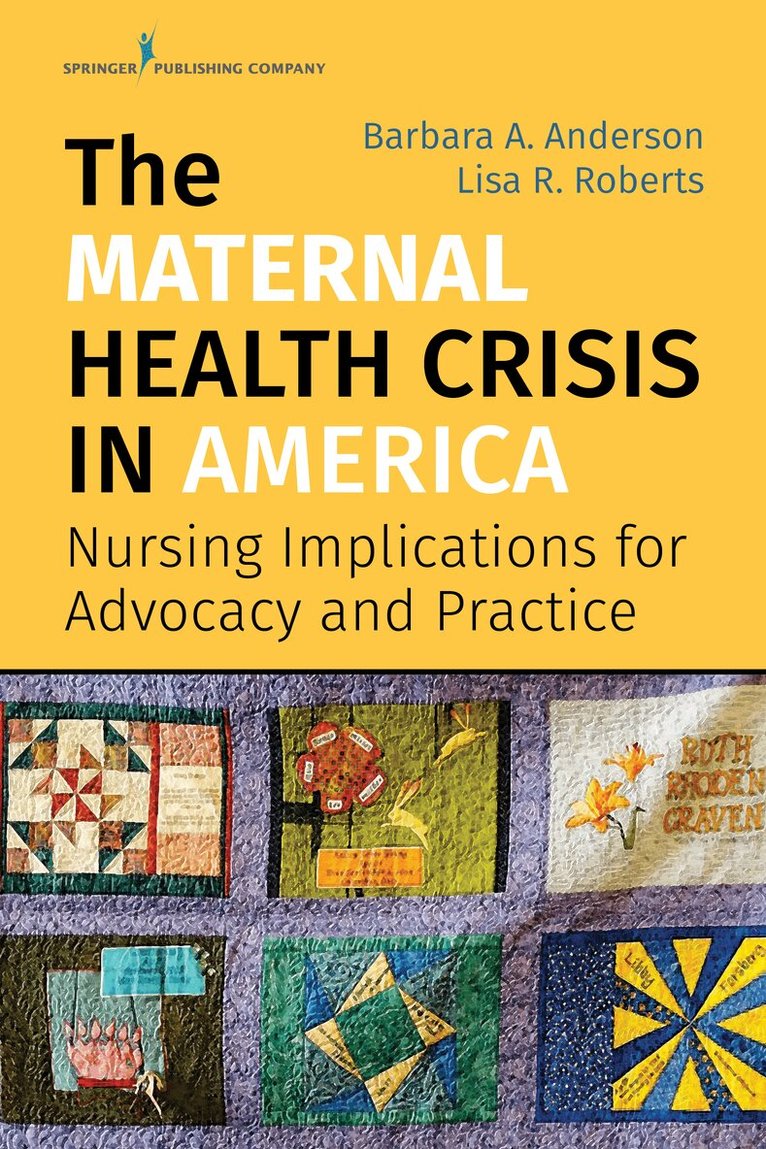
Describes how nursing professionals can mitigate the maternal health crisis through advocacy and improved practice.This graduate-level nursing text and professional clinical reference is the first to comprehensively address the escalating crisis in U.S. maternal health—our country experiences the highest maternal mortality among developed nations—and provides strategies and roadmaps for improved outcomes. It challenges the current approach to ameliorating the maternal crisis, which embeds maternal care into “child health” and ”women’s health,” and characterizes maternal health as a distinct, contemporary epidemiological crisis in America. At its heart, the book calls for the application of nursing knowledge and skill in advocating for and changing practices.The text examines the social determinants responsible for the crisis, including structural and systemic economic and political forces, declining accessibility to maternal care, and lack of a national effort to improve maternal health. With a strong public focus, the book engages readers through narratives and interactive critical thinking exercises in analyzing the problem and related structural and systemic barriers. It offers guidelines for advocacy and improved practice while fostering creative thinking by which readers can imagine their own solutions. Specific issues addressed include the current status of health care delivery, the public health safety net, practice-policy initiatives, specific sociocultural factors contributing to enhanced risk, myths and impugning attitudes about childbearing women, the life-long impact of maternal health neglect, and the contribution of nursing to advocacy, prevention, and improved practice.Key Features:Synthesizes key data on the maternal health crisis in America focusing on nursing leadership and contributionsUnderscores the need for a collaborative public health nursing perspective in addressing the maternal health crisisExamines social determinants responsible for the crisisPresents exercises and narratives for advocacy and improved practiceSpotlights maternal health as a specific entityIncludes learning objectives, expert opinions, key questions to guide critical thinking, brief summary, and references in each chapter
Caring for the Vulnerable: Perspectives in Nursing Theory, Practice, and Research
Perspectives in Nursing Theory, Practice, and Research
Häftad, Engelska, 2019
1 222 kr
Skickas inom 5-8 vardagar
Caring for the Vulnerable: Perspectives in Nursing Theory, Practice, and Research focuses on vulnerable populations and how nurses can care for them, develop programs for them, conduct research, and influence health policy. Units I and II focus on concepts and theories Unit III on research Units IV, V, and VI on practice-oriented measures, including teaching nursing students to work with vulnerable patients and clients and Unit VII on policy. The text provides a broad overview of material critical to working with these populations, comprehensive treatment of issues related to vulnerable populations, outstanding contributors who are experts in what they write, and a global focus.The Fifth Edition will be a major overhaul, as each new edition of this text has been. There will be a total of 3 new chapters focusing on new and emerging research on vulnerable populations. This text is generally used as a supplement in a wide variety of courses - from health promotion to population health, to global health.New to the Fifth Edition:Thirty-one new chapters focusing on new and emerging research on vulnerable populations, exploring topics such as: Intersection of Racial Disparities and Privilege in Women's HealthHIV Prevention EducationCaring for the Transgender CommunityCaring for Vulnerable Populations: Outcomes with the DNP-Prepared NurseWith some chapters delving into key clinical topics in identified regions, such as:Opioid Abuse and Diversion Prevention in Rural Eastern Kentucky The Effects of Gun Trauma on Rural Montana Healthcare ProvidersHealth Care in MexicoFifth edition will continue to focus more on DNP authors and assess each chapter for relevance to DNP-prepared nursesFeatures an included test bank, practice activities, PPTs, IM, and a sample syllabus
Caring for the Vulnerable: Perspectives in Nursing Theory, Practice, and Research
Häftad, Engelska, 2025
1 209 kr
Skickas inom 3-6 vardagar
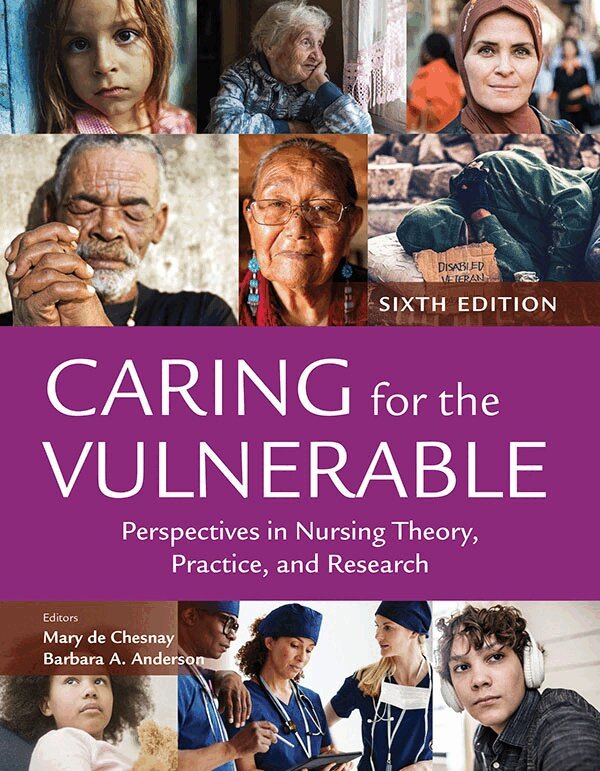
Lead editors and authors, Mary de Chesnay and Barbara Anderson, continue to offer a timely and comprehensive examination of the many facets of vulnerability in health and healthcare delivery in an updated sixth edition of Caring for the Vulnerable: Perspectives in Nursing Theory, Practice, and Research. Caring for vulnerable populations presents unique challenges, and nursing students need a resource that teaches them how to understand and recognize those who are vulnerable, address their vulnerability, and implement strategies that support their healthcare needs. This book provides a wealth of information for clinicians who care for a variety of vulnerable populations. Chapters cover concepts and theories, research, practical applications, and policy-making for a well-rounded look at how nurses and clinicians can provide optimal patient-centered care and support for vulnerable populations. Thoroughly revised with 20 NEW chapters on relevant information and cases.Updated to include discussions on timely topics including the use of AI in health care, human trafficking, and the 2024 McGinley-Rice symposium.Contributors across varying fields provide interprofessional perspectives.Concepts and theories provide a foundation for clinicians to understand ways to reduce disparities and promote social justice.Vignette-style chapters cover a broad scope of issues and provide a close look at real-life scenarios a clinician may encounter.Instructor resources include an Instructor's Manual (containing essay questions, sample answers, fieldwork exercises, and student fieldwork samples), Slides in PowerPoint format, and a Test Bank.Ideal for upper-level undergraduate courses as well as graduate-level population health, health promotion, and global health courses in both MSN and DNP programs.© 2026 500 pages
699 kr
Skickas inom 10-15 vardagar
Genocide occurs when a government attempts to exterminate systematically a large percentage of its own citizens or subjects, simply because they fall into a particular group defined by religion, ethnicity, political affiliation, or (rarely) other group identification ranging from occupation to gender status. Genocide has been a major cause of death worldwide over the last 100 years or more, and is far from being eliminated. Through examining available cases, Warning Signs of Genocide: An Anthropological Perspective shows that genocide becomes a live danger when group hatreds—especially religious, ethnic, and political—are exploited by political regimes as major ways of seizing and maintaining power. Genocide is actually invoked, however, only when such regimes feel they are threatened, usually either because they are new and not consolidated in power or because they are challenged by local rebellions, civil war, or (less often) international war or major economic decline. Knowing these warning signs should make the international community take note that genocide is virtually certain to occur, and take action to stop it. This book joins others in noting that the international community has rarely intervened in time, and in the hope that these findings will encourage more prompt action.
1 184 kr
Skickas inom 10-15 vardagar
This book examines the origins of genocide and mass murder in the everyday conflicts of ordinary people, exacerbated by special interests. We examine cases harming people simply because they are considered unworthy and undeserving—for instance, if they are dehumanized. We confine our attention to genocide, mass murder, large-scale killing motivated by hate or desire for gain, and fascism as an ideology since it usually advocates and leads to such killing. The book draws on social psychology, especially recent work on the psychology of prejudice. Much new information on the psychology of fear, hate, intolerance, and violence has appeared in recent years. The world has also learned more on the funding of dehumanization by giant corporations via “dark money,” and on the psychology of genocidal leaders. This allows us to construct a much more detailed back story of why people erupt into mass killing of minorities and vulnerable populations. We thus go on to deal with the whole “problem of evil” (or at least apparently irrational killing) in general, broadening the perspective to include politics, economics, and society at large. We draw on psychology, sociology, economics, political science, public health, anthropology, and biology in a uniquely cross-disciplinary work.
450 kr
Skickas inom 10-15 vardagar
This book examines the origins of genocide and mass murder in the everyday conflicts of ordinary people, exacerbated by special interests. We examine cases harming people simply because they are considered unworthy and undeserving—for instance, if they are dehumanized. We confine our attention to genocide, mass murder, large-scale killing motivated by hate or desire for gain, and fascism as an ideology since it usually advocates and leads to such killing. The book draws on social psychology, especially recent work on the psychology of prejudice. Much new information on the psychology of fear, hate, intolerance, and violence has appeared in recent years. The world has also learned more on the funding of dehumanization by giant corporations via “dark money,” and on the psychology of genocidal leaders. This allows us to construct a much more detailed back story of why people erupt into mass killing of minorities and vulnerable populations. We thus go on to deal with the whole “problem of evil” (or at least apparently irrational killing) in general, broadening the perspective to include politics, economics, and society at large. We draw on psychology, sociology, economics, political science, public health, anthropology, and biology in a uniquely cross-disciplinary work.
477 kr
Skickas inom 10-15 vardagar
Drawing on a powerful Native American metaphor to frame this work, E.N. Anderson and Barbara Anderson examine complicity in genocide, stressing that it only through feeding the good wolf that a moral and social order of inclusion and tolerance can be built, while feeding the bad wolf will result in fear, hatred, exclusion, and violence. In Complying with Genocide: The Wolf You Feed, Anderson and Anderson illustrate how everyday frustration and fear, combined with hatred and social othering toward rivals and victims of discrimination, can lead individuals and whole nations to become complicit in genocide. Anderson and Anderson propose powerful actions that can both protect against complicity and create social change, as exemplified from populations recovering from genocidal regimes. This book is recommended for students and scholars of anthropology, sociology, public health, psychology, criminal justice, and political science.
1 153 kr
Skickas inom 10-15 vardagar
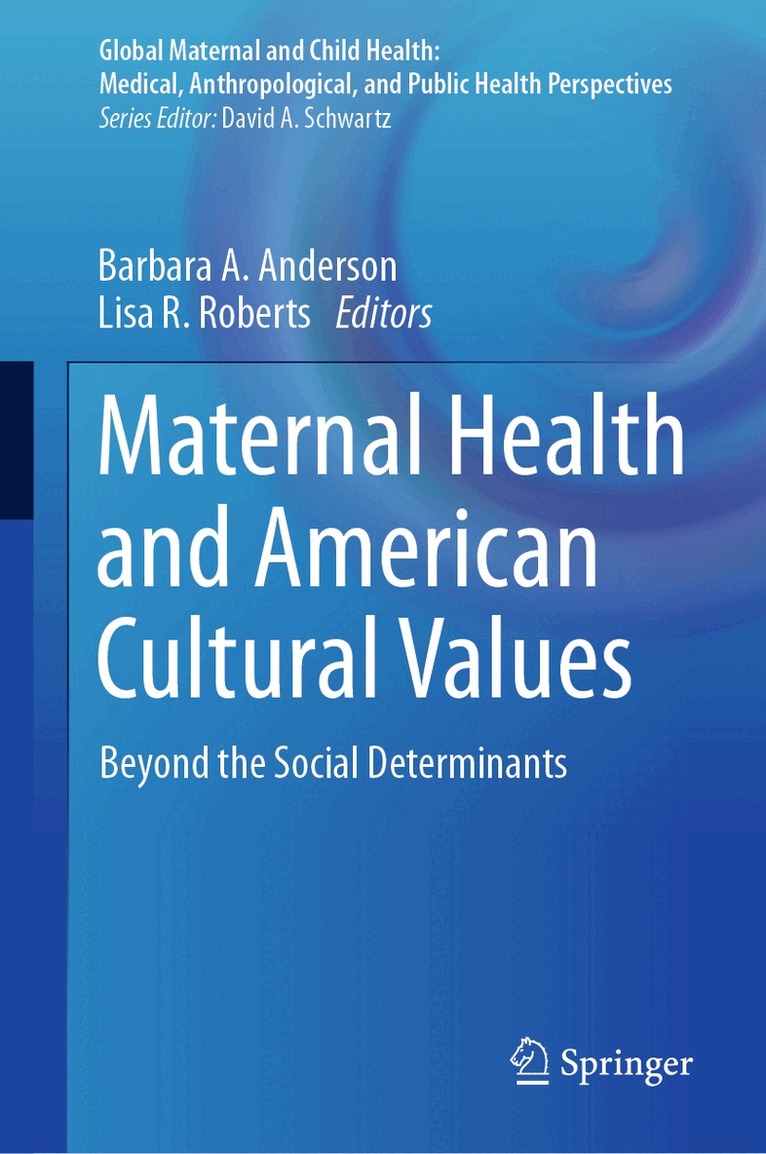
This book uniquely explores American cultural values as a factor in maternal health. It looks beyond the social determinants of health as primarily contributing to the escalating maternal morbidity and mortality in the United States. The United States is an outlier with poor maternal health outcomes and high morbidity/mortality in comparison to other high-resource and many mid-level resource nations. While the social determinants of health identify social and environmental conditions affecting maternal health, they do not answer the broader underlying question of why many American women, in a high-resource environment, experience poor maternal health outcomes. Frequent near-misses, high levels of severe childbearing-related morbidity, and high maternal mortality are comparable to those of lower-resource nations. This book includes contributions from recognized medical and cultural anthropologists, and diverse clinical and public health professionals. The authors examine American patterns of decision-making from the perspectives of intersecting social, cultural, and medical values influencing maternal health outcomes. Using an interdisciplinary critical analysis approach, the work draws upon decision-making theory and life course theory. Topics explored include:Cultural values as a basis for decision-makingSocial regard for motherhoodImmigrants, refugees and undocumented mothersCultural conflicts and maternal autonomyHealth outcomes among justice-involved mothersMaternal Health and American Cultural Values: Beyond the Social Determinants is an essential resource for clinical and public health practitioners and their students, providing a framework for graduate-level courses in public health, the health sciences, women’s studies, and the social sciences. The book also targets anthropologists, sociologists, and women studies scholars seeking to explain the links between American cultural decision-making and health outcomes. Policy-makers, ethicists, journalists, and advocates for reproductive health justice also would find the text a useful resource.
650 kr
Skickas inom 5-8 vardagar
825 kr
Skickas inom 10-15 vardagar
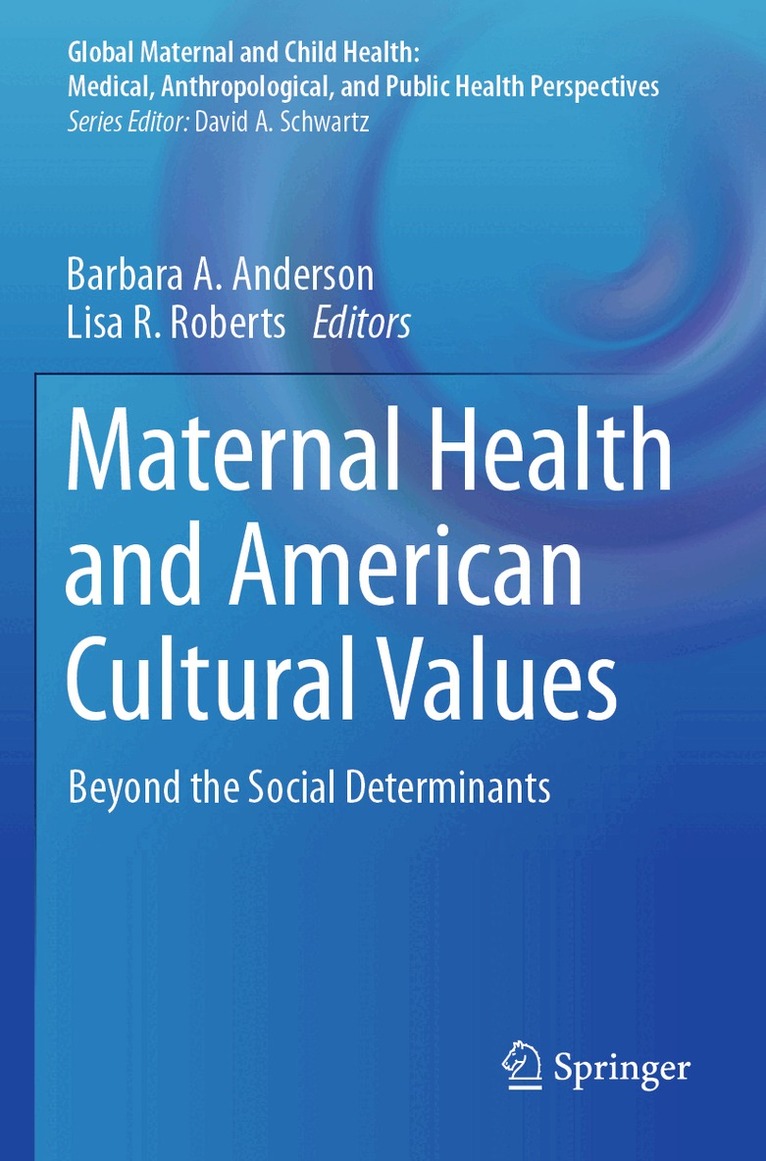
This book uniquely explores American cultural values as a factor in maternal health. It looks beyond the social determinants of health as primarily contributing to the escalating maternal morbidity and mortality in the United States. The United States is an outlier with poor maternal health outcomes and high morbidity/mortality in comparison to other high-resource and many mid-level resource nations. While the social determinants of health identify social and environmental conditions affecting maternal health, they do not answer the broader underlying question of why many American women, in a high-resource environment, experience poor maternal health outcomes. Frequent near-misses, high levels of severe childbearing-related morbidity, and high maternal mortality are comparable to those of lower-resource nations. This book includes contributions from recognized medical and cultural anthropologists, and diverse clinical and public health professionals. The authors examine American patterns of decision-making from the perspectives of intersecting social, cultural, and medical values influencing maternal health outcomes. Using an interdisciplinary critical analysis approach, the work draws upon decision-making theory and life course theory. Topics explored include:Cultural values as a basis for decision-makingSocial regard for motherhoodImmigrants, refugees and undocumented mothersCultural conflicts and maternal autonomyHealth outcomes among justice-involved mothersMaternal Health and American Cultural Values: Beyond the Social Determinants is an essential resource for clinical and public health practitioners and their students, providing a framework for graduate-level courses in public health, the health sciences, women’s studies, and the social sciences. The book also targets anthropologists, sociologists, and women studies scholars seeking to explain the links between American cultural decision-making and health outcomes. Policy-makers, ethicists, journalists, and advocates for reproductive health justice also would find the text a useful resource.