Barbara A. Brehm - Böcker
Visar alla böcker från författaren Barbara A. Brehm. Handla med fri frakt och snabb leverans.
4 produkter
4 produkter
489 kr
Skickas inom 10-15 vardagar
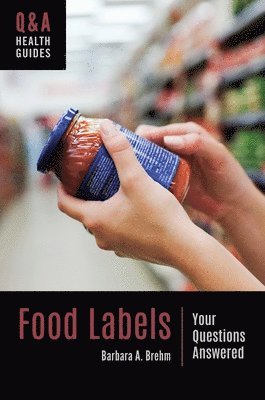
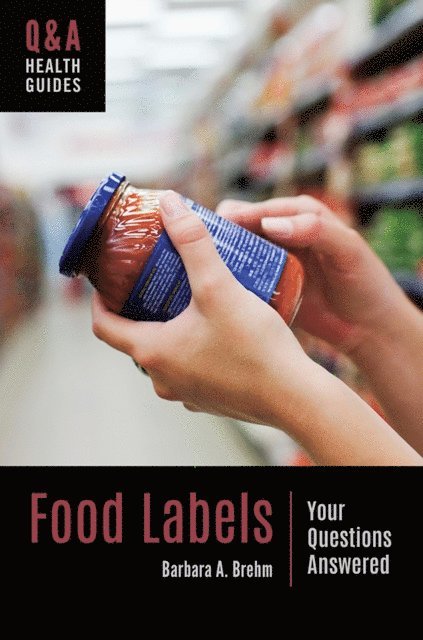
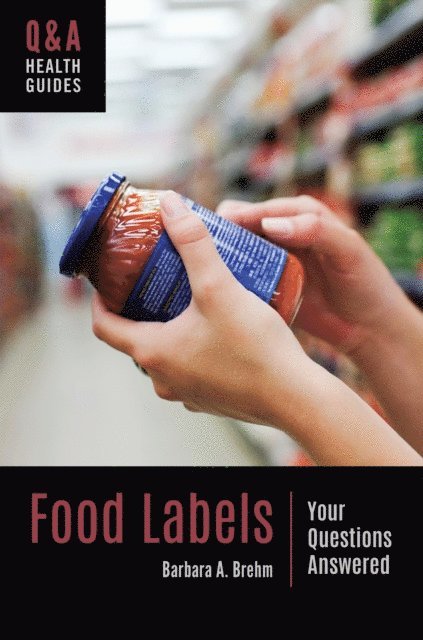
This book provides an approachable introduction to food labels. While aimed primarily at teens and young adults, it is a valuable tool for anyone who wants to better understand what food labels are really saying and make healthy food choices.How accurate is the Nutrition Facts Panel, and who decides what information goes on it? Why don't all foods have nutrition or ingredient information? How can you tell if a product is organic, non-GMO, or ethically produced? Are words such as "all-natural" and "light" on packaging meaningful or just clever marketing? Food Labels: Your Questions Answered, a part of Greenwood's Q&A Health Guides series, provides clear, concise answers to these and many other questions readers may have about the labels and health claims found on food packaging.Each book in this series follows a reader-friendly question-and-answer format that anticipates readers' needs and concerns. Prevalent myths and misconceptions are identified and dispelled, and a collection of case studies illustrates key concepts and issues through relatable stories and insightful recommendations. The book also includes a section on health literacy, equipping teens and young adults with practical tools and strategies for finding, evaluating, and using credible sources of health information both on and off the internet—important skills that contribute to a lifetime of healthy decision-making.
574 kr
Skickas inom 7-10 vardagar
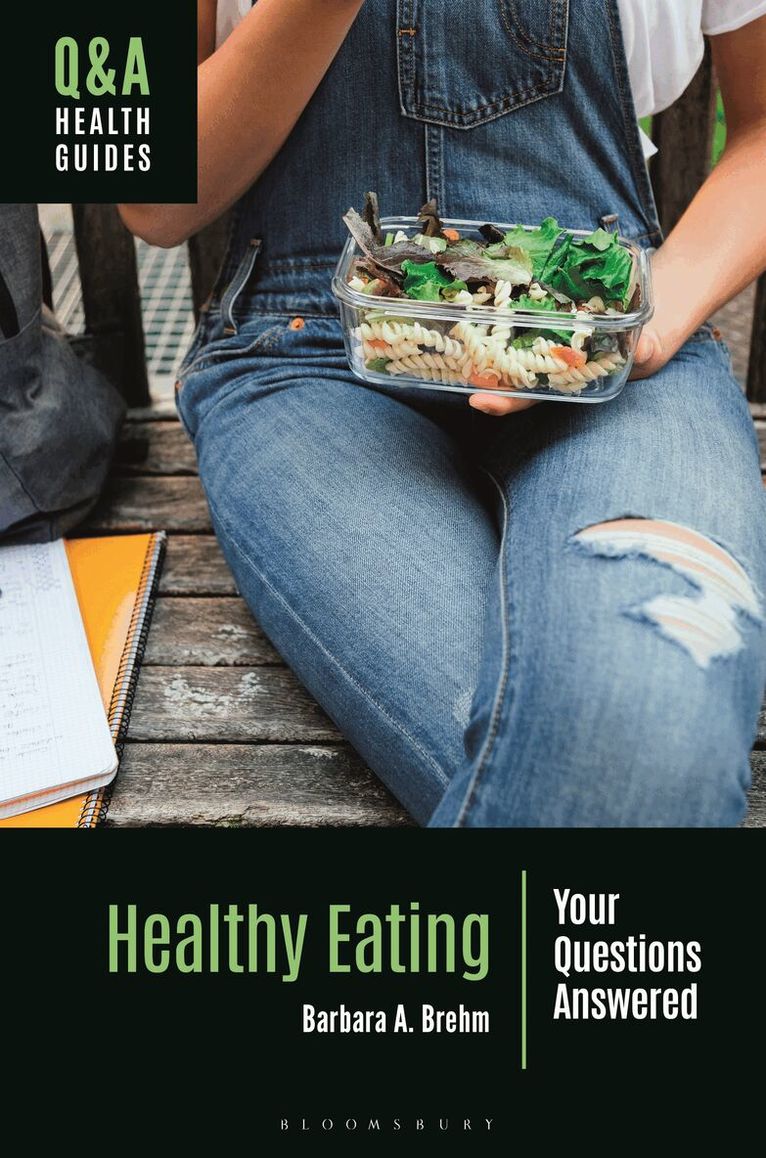
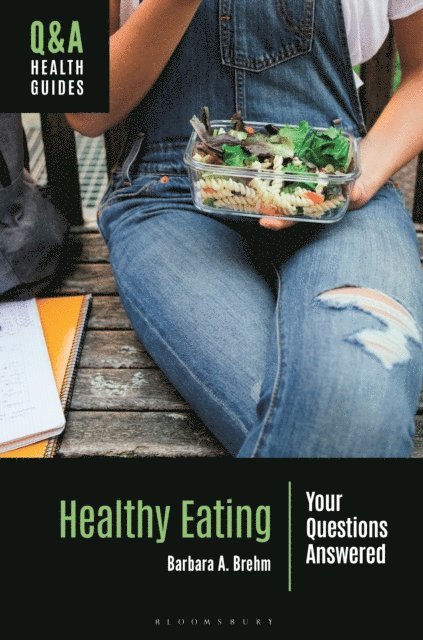
What we eat is important, but what does healthy eating look like and how can we create dietary habits that nourish us physically and emotionally?Part of the Q&A Health Guides series, this book offers a broad introduction to healthy eating – a topic that is often shrouded in confusion and misinformation. The book’s 53 questions cover the basics of nutritional science, how diet affects physical and mental health, common dietary approaches, concerns about particular foods, and barriers that may prevent individuals from establishing and maintaining healthy eating habits. Healthy Eating: Your Questions Answered synthesizes the vast field of nutritional science into a compact and easy-to-digest volume that offers readers common-sense, evidence-based suggestions to improve their eating habits and steer clear of potentially harmful fad diets.Augmenting the main text, a collection of 5 case studies illustrate key concepts and issues through relatable stories and insightful recommendations. The Common Misconceptions section at the beginning of the volume dispels 5 long-standing and potentially dangerous myths about healthy eating, directing readers to additional information in the text. The glossary defines terms that may be unfamiliar to readers, while the directory of resources curates a list of the most useful books, websites, and other materials. Finally, whether they’re looking for more information about this subject or any other health-related topic, readers can turn to the Guide to Health Literacy section for practical tools and strategies for finding, evaluating, and using credible sources of health information both on and off the internet.
511 kr
Kommande
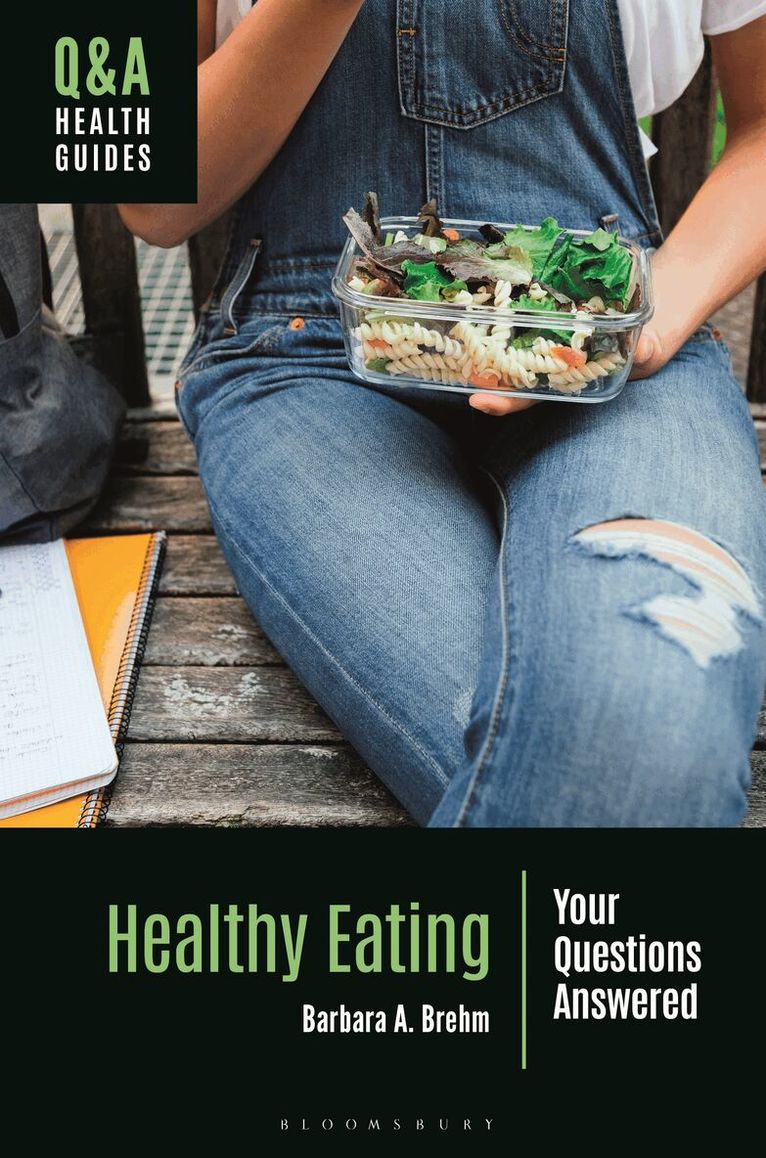
What we eat is important, but what does healthy eating look like and how can we create dietary habits that nourish us physically and emotionally?Part of the Q&A Health Guides series, this book offers a broad introduction to healthy eating – a topic that is often shrouded in confusion and misinformation. The book’s 53 questions cover the basics of nutritional science, how diet affects physical and mental health, common dietary approaches, concerns about particular foods, and barriers that may prevent individuals from establishing and maintaining healthy eating habits. Healthy Eating: Your Questions Answered synthesizes the vast field of nutritional science into a compact and easy-to-digest volume that offers readers common-sense, evidence-based suggestions to improve their eating habits and steer clear of potentially harmful fad diets.Augmenting the main text, a collection of 5 case studies illustrate key concepts and issues through relatable stories and insightful recommendations. The Common Misconceptions section at the beginning of the volume dispels 5 long-standing and potentially dangerous myths about healthy eating, directing readers to additional information in the text. The glossary defines terms that may be unfamiliar to readers, while the directory of resources curates a list of the most useful books, websites, and other materials. Finally, whether they’re looking for more information about this subject or any other health-related topic, readers can turn to the Guide to Health Literacy section for practical tools and strategies for finding, evaluating, and using credible sources of health information both on and off the internet.
870 kr
Kommande
We all know that vitamins and minerals are important for good health, but which do we need, what exactly do they do, and what’s the best way to make sure we’re getting enough?Part of the Q&A Health Guides series, this book offers a broad introduction to vitamins and minerals—a health topic that is often shrouded in confusion and misinformation. The book profiles the vitamins and minerals we need, explaining what each one does in the body, how much is required for optimal health, and what happens when we don’t get enough. Questions also address concerns such as whether it’s better to get these key substances from food or supplements, how to gauge the quality of supplements, and whether high doses of certain vitamins can treat a variety of health conditions, from hangovers to cancer. Vitamins and Minerals: Your Questions Answered synthesizes the vast field of nutritional science into a compact and easy-to-digest volume.Augmenting the main text, a collection of 5 case studies illustrate key concepts and issues through relatable stories and insightful recommendations. The Common Misconceptions section at the beginning of the volume dispels 5 long-standing and potentially dangerous myths about vitamins and minerals, directing readers to additional information in the text. The glossary defines terms that may be unfamiliar to readers, while the directory of resources curates a list of the most useful books, websites, and other materials. Finally, whether they’re looking for more information about this subject or any other health-related topic, readers can turn to the Guide to Health Literacy section for practical tools and strategies for finding, evaluating, and using credible sources of health information both on and off the internet.