Barbara Bowman – författare
Visar alla böcker från författaren Barbara Bowman. Handla med fri frakt och snabb leverans.
2 produkter
2 produkter
Inbunden, Engelska, 1992
628 kr
Skickas inom 10-15 vardagar
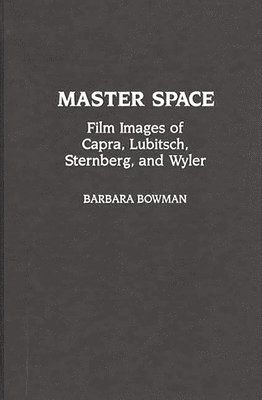
This is a unique study of the use of cinematic space by four important directors in American cinema from the 1930s to the 1960s: Frank Capra, Ernst Lubitsch, Josef von Sternberg, and William Wyler. Barbara Bowman examines each of their distinctive styles and diverse backgrounds and shows how these unique visual styles complement each other--representing the best in classic American cinema, from Ninotchka and Shanghai Express to Best Years of Our Lives to It's a Wonderful Life.These great directors viewed space not as simple emptiness, nor as something to be manipulated pragmatically, but as a frame or palette in which to work. Their arrangements of cinematic space become not just visually recurrent techniques, but aesthetic touchstones that alert spectators to the narrative shape of the film and invite the spectator to have a more self-conscious relation to the film. Bowman explains how Capra's challenge was to take what is spatially familiar, like James Stewart's or Gary Cooper's neighborhood or small town, and defamiliarize it enough so that we see it for the first time. Lubitsch's creation of film space relies on the indirection so apparent in his scripts by Samuel Raphaelson; he depends on what the spectator cannot yet see or only anticipates, relying upon our imaginations, especially our potential lasciviousness. Sternberg's veiled shots of Marlene Dietrich and others convey a very basic skepticism about human capacity for both sight and insight, and Wyler emotionalizes his films's space by having characters like Bette Davis confront each other in triangular groups or by double framing his figures with architectural second frames. Each director approached film space with his own singular style, but all four techniques shared a common purpose to explain characters or to teach the spectator to see more intensely.
E-bok
PDF, Engelska, 2011397 kr
Läs direkt efter köp
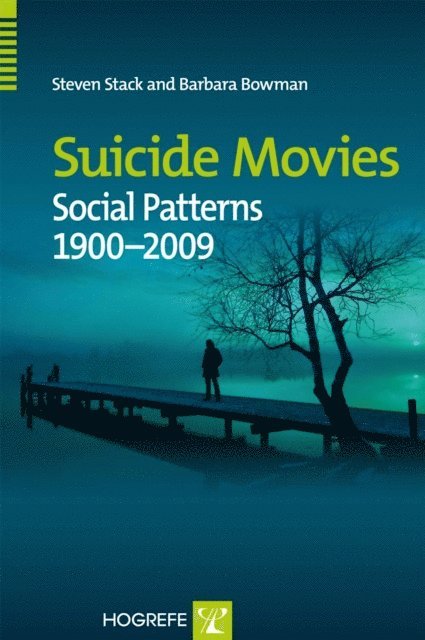
How is suicide portrayed in the cinema and what does it mean for suicide prevention? The first-ever comprehensive study of film suicide analyzes more than 1,500 film suicides. The portrayal of suicide in cinema can impact public understanding and effective prevention of suicide. This book presents the first-ever comprehensive analysis of how suicide has been portrayed in films over 110 years, based on a thorough evaluation of more than 1,500 film suicides – 1,377 in American films, 135 in British films. One striking finding is that while the research literature generally attributes suicide to individual psychiatric or mental health issues, cinema and film solidly endorse more social causes. In a compelling blend of social science and humanities approaches, the authors use quantitative methods, as well as the voices of scriptwriters, directors, actors, and actresses, dozens of illustrative frame-grabs, and numerous case examples to answer core questions such as: Are we guilty of over-neglecting social factors in suicide prevention and research? Do cinematic portrayals distort or accurately reflect the nature of suicide in the real world? Has film presentation of suicide changed over 110 years? What are the literary roots of cinema portrayals? This unique book makes fascinating reading for all concerned with suicide prevention, as well as areas such as sociology, film and media studies, and mass communication.