Barbara Neis – författare
Visar alla böcker från författaren Barbara Neis. Handla med fri frakt och snabb leverans.
3 produkter
3 produkter
245 kr
Skickas inom 11-20 vardagar
Fisheries are among the most globalized economic sectors in the world. Relying largely on wild resources and employing millions of people and feeding many millions more, fisheries provide a unique vantage point from which to view contemporary globalization, which is co-occurring with a major ecological revolution triggered by resource degradation and associated with the development of intensive aquaculture. Globalization is intensifying the export orientation and use of joint ventures between rich and poor countries in fisheries. International organizations such as the IMF are pressuring many debtor countries to exchange access to their fishery resources for access to foreign exchange, constraining their ability to limit external ownership and the export of resources, and threatening local fishery employment and food self-sufficiency. Changing Tides brings together contributions from researchers and community workers from 13 countries of the world. Juxtaposing academic case studies with accounts from activists and fisheries workers, this book points the ways in which globalization and associated resource degradation, privatization and the concentration of ownership and control in fisheries are jeopardizing the lives and livelihoods of women fish workers and their families.
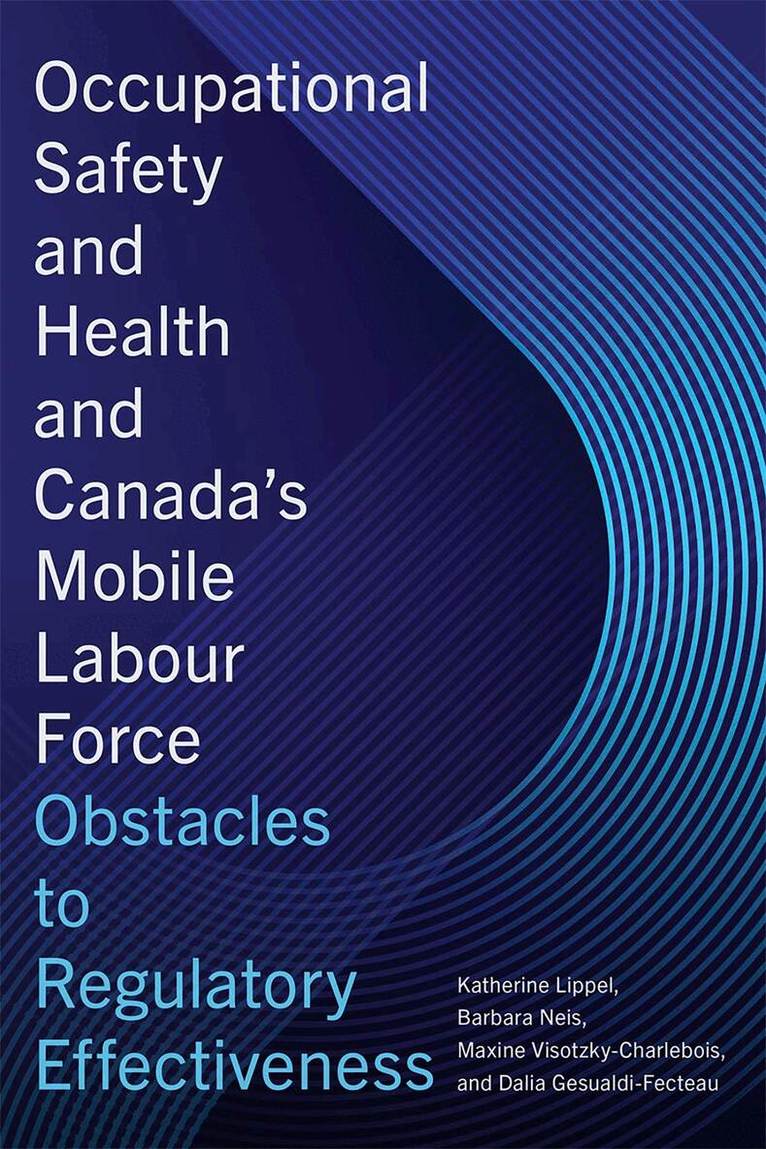
Occupational Safety and Health and Canada's Mobile Labour Force
Obstacles to Regulatory Effectiveness
Häftad, Engelska, 2026
392 kr
Kommande
Canada's mobile workforce keeps the economy moving – but at what cost to safety and health? This timely and revealing book investigates the often-overlooked risks faced by workers who engage in extended geographical mobility related to their work including extended daily commuting, intra- and inter-provincial rotational work, international labour migration into Canada and mobility as or within work such as within transportation and homecare work. It uncovers the unique hazards tied to employment-related mobility and documents the regulatory gaps, inconsistencies and other determinants that leave these workers vulnerable to injury and that can constrain their access to workers' compensation. With particular attention to temporary foreign workers and the systemic failings highlighted by the COVID-19 pandemic, the book paints a compelling picture of injustice hidden in plain sight. Blending rigorous legal analysis with a wide-ranging review of international and Canadian research, it makes a powerful case for stronger protections and equitable access to compensation. Essential reading for policymakers, legal and other scholars, and advocates alike, this is a bold call to rethink both how work-related mobility puts workers at risk and how we could better protect workers on the move.
337 kr
Skickas inom 5-8 vardagar
Employment-related geographical mobility is widespread and increasing within Canada and around the world. Prolonged daily commutes, working away for extended periods, and being employed in mobile workplaces can affect work and family lives along with creating personal risk and compromising well-being.Families, Mobility, and Work allows readers to experience and explore many of the challenges, opportunities and effects of diverse forms of work-related mobility through a family-centred lens. Assembling findings from substantial research, rooted primarily in the Canadian context, this expansive collection explores intersections between family lives and diverse types of mobility across multiple populations of workers, regions, and sectors. Authors consider a wide range of work-related geographical mobility patterns and their implications including intimate adult relationships, parenting, gender roles, commuting, perspectives on disability, youth as sources of support in families, communities with migrant workers, and the impact of the COVID-19 pandemic on Canada's mobile labour force.Families, Mobility, and Work is a rich, engaging, and broadly accessible volume, comprising research-based articles, personal stories, songs, poetry, and a photographic essay. These collected perspectives aim to remind us that while families may be the most adaptable institutions in our society, we require evidence-based workplace practices, community and social supports, public policies, and programs if families are to thrive as they endeavour to harmonize their work and mobility rhythms with their broader lives.