Bart Soenens – författare
2 117 kr
Skickas inom 10-15 vardagar
660 kr
Skickas inom 10-15 vardagar
757 kr
Läs direkt efter köp
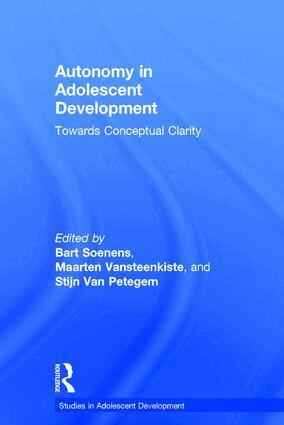
Autonomy is a central feature of adolescent development, playing a key role in adolescents’ psychosocial adjustment. However, opinions differ about the nature and definition of autonomy and so important questions regarding the role of autonomy in adolescents’ development have remained unanswered. This book helps to address these questions while bringing clarity to the literature on adolescent autonomy.
Autonomy in Adolescent Development: Towards Conceptual Clarity highlights a distinction between two notions of autonomy: autonomy-as-independence and autonomy-as-volition. The chapters in this volume illustrate how this distinction sheds new light on controversial questions regarding autonomy, such as: Is more autonomy always beneficial for adolescents’ psychosocial adjustment? Or are there limits to the amount of autonomy ideal for well-being and social adjustment? Is autonomy a universally critical ingredient of optimal development? Or do effects of autonomy differ by cultural context and socioeconomic status? How can parents, siblings, and peers promote the development of autonomy?
Bringing together scholars from varied theoretical backgrounds studying autonomy in different contexts, this book provides an overview of recent conceptual and empirical work from diverse perspectives, yielding refreshing and thought-provoking insights into the nature of adolescent autonomy. Autonomy in Adolescent Development is invaluable for advanced students and researchers in adolescent development, acting both as a guide and as a source of inspiration for new research in the area.
757 kr
Läs direkt efter köp
Autonomy is a central feature of adolescent development, playing a key role in adolescents’ psychosocial adjustment. However, opinions differ about the nature and definition of autonomy and so important questions regarding the role of autonomy in adolescents’ development have remained unanswered. This book helps to address these questions while bringing clarity to the literature on adolescent autonomy.
Autonomy in Adolescent Development: Towards Conceptual Clarity highlights a distinction between two notions of autonomy: autonomy-as-independence and autonomy-as-volition. The chapters in this volume illustrate how this distinction sheds new light on controversial questions regarding autonomy, such as: Is more autonomy always beneficial for adolescents’ psychosocial adjustment? Or are there limits to the amount of autonomy ideal for well-being and social adjustment? Is autonomy a universally critical ingredient of optimal development? Or do effects of autonomy differ by cultural context and socioeconomic status? How can parents, siblings, and peers promote the development of autonomy?
Bringing together scholars from varied theoretical backgrounds studying autonomy in different contexts, this book provides an overview of recent conceptual and empirical work from diverse perspectives, yielding refreshing and thought-provoking insights into the nature of adolescent autonomy. Autonomy in Adolescent Development is invaluable for advanced students and researchers in adolescent development, acting both as a guide and as a source of inspiration for new research in the area.
342 kr
Läs direkt efter köp
Het boek bestaat uit een verzameling van 9 artikelen, eerder verschenen in het themanummer van Kind en Adolescent in 2015, die vanuit verschillend perspectief 35 jaar wetenschappelijk onderzoek behandelen die relevant is voor de pedagogische, psychiatrische en psychologische praktijk. Wat weten we nu eigenlijk over de effecten van bepaalde behandelingen, waarom worden effectief bewezen behandelingen niet meer ingezet, hoe kunnen foutieve ideeen hierover weerlegt worden en vervangen door nieuwe kennis? Het boek geeft antwoord op hoe het denken van professionals in de kinder- en jeugdpsychiatrie is veranderd, getransformeerd door wat wetenschappelijk onderzoek de afgelopen 35 jaar heeft opgeleverd. En ook wat de implicaties hiervan zijn voor het handelen in de klinische praktijk. De insteek is breed omdat vanuit meerdere perspectieven naar de (bedreigde) ontwikkeling van kinderen gekeken kan worden. Vanuit de invloed van de school, de rol van de ouders, maar ook vanuit neurobiologische factoren.