
Today, strategic aerial bombardments of urban areas that harm civilians, at times intentionally, are becoming increasingly common in global conflicts. This book reveals the history of these tactics as employed by nations that initiated aerial bombardments of civilians after World War I and during World War II. As one of the major symbols of German suffering, the Allied bombing left a strong imprint on German society. Bas von Benda-Beckmann explores how German historical accounts reflected debates on postwar identity and looks at whether the history of the air war forms a counternarrative against the idea of German collective guilt. Provocative and unflinching, this study offers a valuable contribution to German historiography.


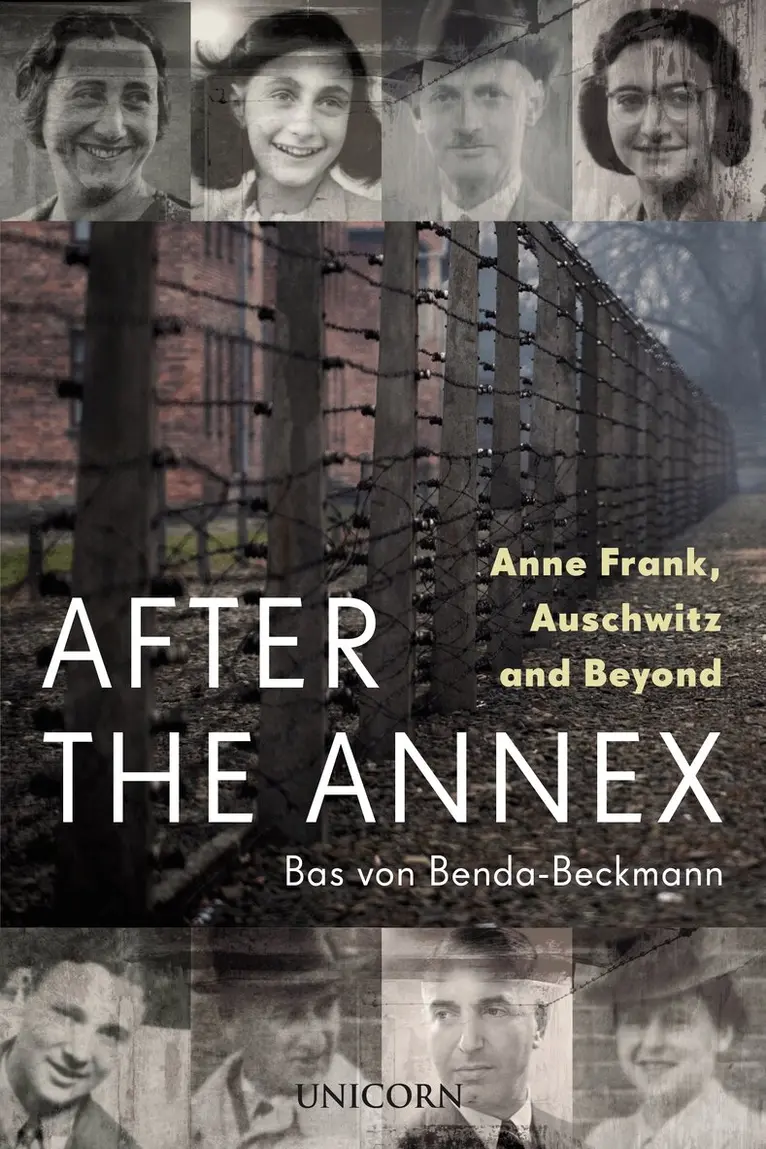
On 27 January 1945 Otto Frank was liberated from Auschwitz by Russian soldiers. At that point not only his journey home started, but also his long quest to find out what had happened to his wife Edith, his daughters Margot and Anne and the four other people with whom he had been in hiding in the Annex at 263 Prinsengracht in Amsterdam: Herman and Auguste van Pels, their son Peter and dentist Fritz Pfeffer. In the months after his liberation Otto Frank would discover that he is the only survivor out of these eight people.After the Annex continues the journey that Otto began. It is the ultimate attempt, based on thorough research in archives and available eye witness accounts, to reconstruct as precisely as possible what happened to the eight people in hiding after their arrest.
The missing final chapter of Anne Frank's storyMillions know Anne Frank through her diary. Few know what happened after the final entry.When Otto Frank returned from Auschwitz in 1945, he began a heartbreaking search for his wife, daughters and the four other people who had hidden with them in the Secret Annex. Drawing on years of archival research, survivor testimony and previously overlooked evidence, historian Bas von Benda-Beckmann reconstructs, as closely as history now allows, the final journeys of Anne, Margot, Edith, the Van Pels family and Fritz Pfeffer through Westerbork, Auschwitz, Bergen-Belsen and beyond.Published in collaboration with the Anne Frank House, After the Annex is the first comprehensive account of the fate of all eight inhabitants of the Secret Annex after their arrest—a powerful work of historical detective work and remembrance.
Der letzte Tagebucheintrag von Anne Frank stammt vom 1. August 1944. Drei Tage später wurden sie und die sieben ande- ren Untergetauchten im Amsterdamer Hinterhaus entdeckt und verhaftet. Als ihr Vater Otto Frank am 27. Januar 1945 in Auschwitz von russischen Soldaten befreit worden war, begann für ihn die Suche nach seiner Frau Edith, den Töchtern Margot und Anne und den anderen vier, die sich gemeinsam mit ihnen im Hinterhaus versteckt hatten: Herman und Auguste van Pels, ihr Sohn Peter und Fritz Pfeffer. Es dauerte einige Monate, dann hatte Otto Frank Gewissheit: Von diesen acht war er der einzige Überlebende der deutschen Lager.Bas von Benda-Beckmann hat die Spur noch einmal aufgenommen, um auf der Grundlage aller verfügbaren Zeugnisse und Dokumente so viel wie möglich über das Schicksal der Untergetauchten aus dem Hinterhaus nach ihrer Verhaftung herauszufinden. Mit seiner detaillierten und bewegenden Schilderung füllt der niederländische Historiker eine Leerstelle nicht nur in der Biografie von Anne Frank, sondern in der Geschichte des Holocaust.Mit 160 Abbildungen und einem ausführlichen Register.
Bas von Benda-Beckmann explores how German historical accounts reflected debates on postwar identity and looks at whether the history of the air war forms a counternarrative against the idea of German collective guilt.