
Beat KAmin – författare
Visar alla böcker från författaren . Handla med fri frakt och snabb leverans.
4 produkter
4 produkter
E-bok
Engelska, 2017831 kr
Läs direkt efter köp
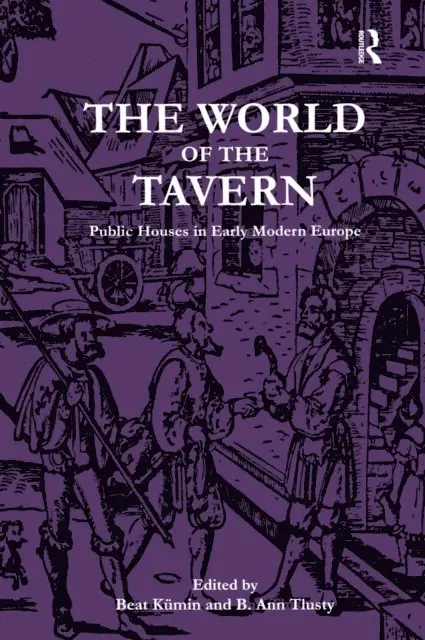
The subject of drink received a great deal of attention from early modern Europeans. Preachers, physicians, authorities, artists and travellers all addressed it from a range of different perspectives. At the same time, inns, taverns and alehouses served as multifunctional centres in towns and villages throughout Europe. This combination resulted in a wealth of sources, both institutional and cultural, which are only now beginning to be explored. This anthology features new research on public houses in England, Russia and the German lands. In a series of general, thematic and regional studies, contributors engage with broader debates in early modern history, shedding light on such key issues as consumption, travel and communication, state building, confessional identity, fiscal practice, gender and household relations, and the use of public spaces. The result is a volume that should appeal to anybody with an interest in early modern cultural history.

E-bok
PDF, Engelska, 2017831 kr
Läs direkt efter köp
The subject of drink received a great deal of attention from early modern Europeans. Preachers, physicians, authorities, artists and travellers all addressed it from a range of different perspectives. At the same time, inns, taverns and alehouses served as multifunctional centres in towns and villages throughout Europe. This combination resulted in a wealth of sources, both institutional and cultural, which are only now beginning to be explored. This anthology features new research on public houses in England, Russia and the German lands. In a series of general, thematic and regional studies, contributors engage with broader debates in early modern history, shedding light on such key issues as consumption, travel and communication, state building, confessional identity, fiscal practice, gender and household relations, and the use of public spaces. The result is a volume that should appeal to anybody with an interest in early modern cultural history.
E-bok
Engelska, 2016774 kr
Läs direkt efter köp
This collection of essays examines the practical impact of religious change in Central and North Western Europe from the 15th to the 17th century. It focuses on the effects of reform on clergy, church resources, ecclesiastical patronage, education and poor relief. The title reflects the elementary conclusion that there was no one monolithic experience of ’Reformation’, that initiatives were taken for very different reasons, and that they displayed innovative as well as conservative features. While offering a great breadth of original research and subject matter, all authors devote particular attention to three main themes: the blend between continuity and change, the share of religious factors in socio-economic developments, and the identification of winners and losers. Taken together, the essays illustrate the scarcity of unambiguous trends, the tenacity of socio-economic structures, the modification of religious dogma by the ’real’ world, and the conspicuous benefits of religious change for the social élites.
E-bok
PDF, Engelska, 2016746 kr
Läs direkt efter köp
This collection of essays examines the practical impact of religious change in Central and North Western Europe from the 15th to the 17th century. It focuses on the effects of reform on clergy, church resources, ecclesiastical patronage, education and poor relief. The title reflects the elementary conclusion that there was no one monolithic experience of ’Reformation’, that initiatives were taken for very different reasons, and that they displayed innovative as well as conservative features. While offering a great breadth of original research and subject matter, all authors devote particular attention to three main themes: the blend between continuity and change, the share of religious factors in socio-economic developments, and the identification of winners and losers. Taken together, the essays illustrate the scarcity of unambiguous trends, the tenacity of socio-economic structures, the modification of religious dogma by the ’real’ world, and the conspicuous benefits of religious change for the social élites.