Béatrice Quette – författare
Visar alla böcker från författaren Béatrice Quette. Handla med fri frakt och snabb leverans.
2 produkter
2 produkter
432 kr
Skickas inom 5-8 vardagar
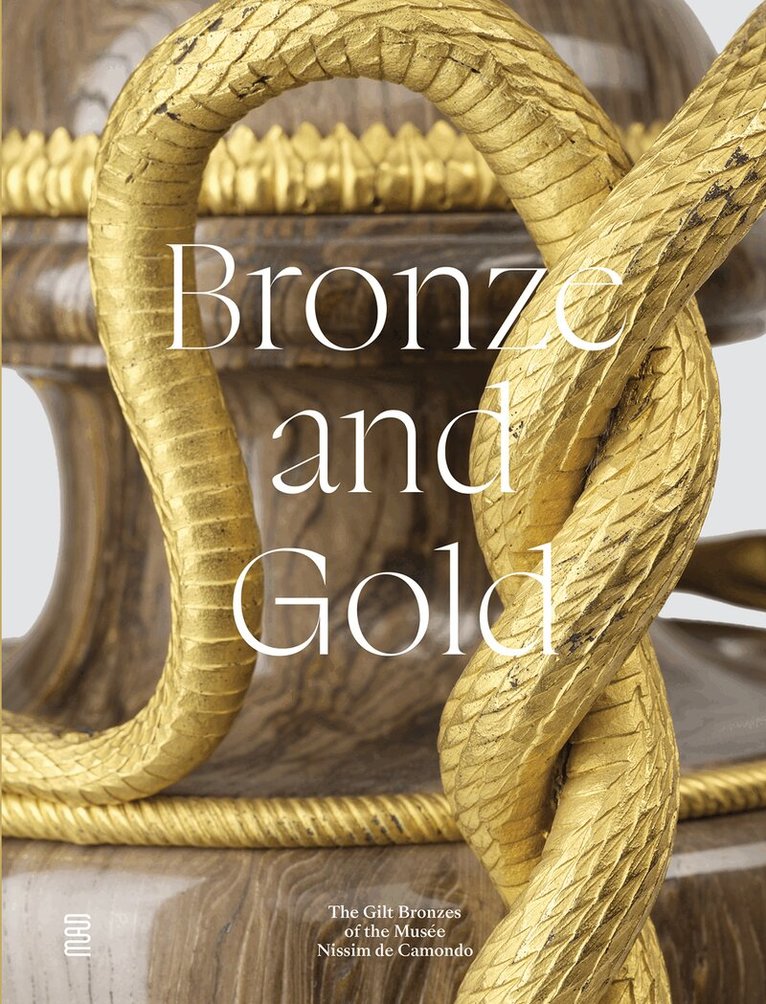
Created in 1936, following the bequest of Count Moïse de Camondo to the French State in memory of his son Nissim, who died for France in 1917, the Musée Nissim de Camondo houses a rich collection of 18th-century art objects. Reflecting the donor's taste for this period of French art, the collection includes a significant number of pieces of furniture and objects embellished with gilded bronze ornaments. Gathered with incredible foresight by Moïse de Camondo between 1890 and 1935, these gilded bronzes reflect the evolution of styles during the 18th century, from the fantasies of rocaille, the severity of the return to the antique model, to the delicacy of the Louis XVI style. This catalogue presents a selection of 30 furniture bronzes, all masterpieces. Signed Osmond, attributed to Jean-Louis Prieur, François Rémond or Jean-Noël Turpin, they testify to the expertise of Parisian gilders in the second half of the 18th century, as well as to their collaboration with other trades - draftsmen, sculptors, founders, goldsmiths and watchmakers. The gilded bronzes in the Musée Nissim de Camondo offer a highly varied typology, bearing witness to their diverse uses and fully participating in the project of "reconstituting an 18th-century artistic residence" so dear to the Count de Camondo.
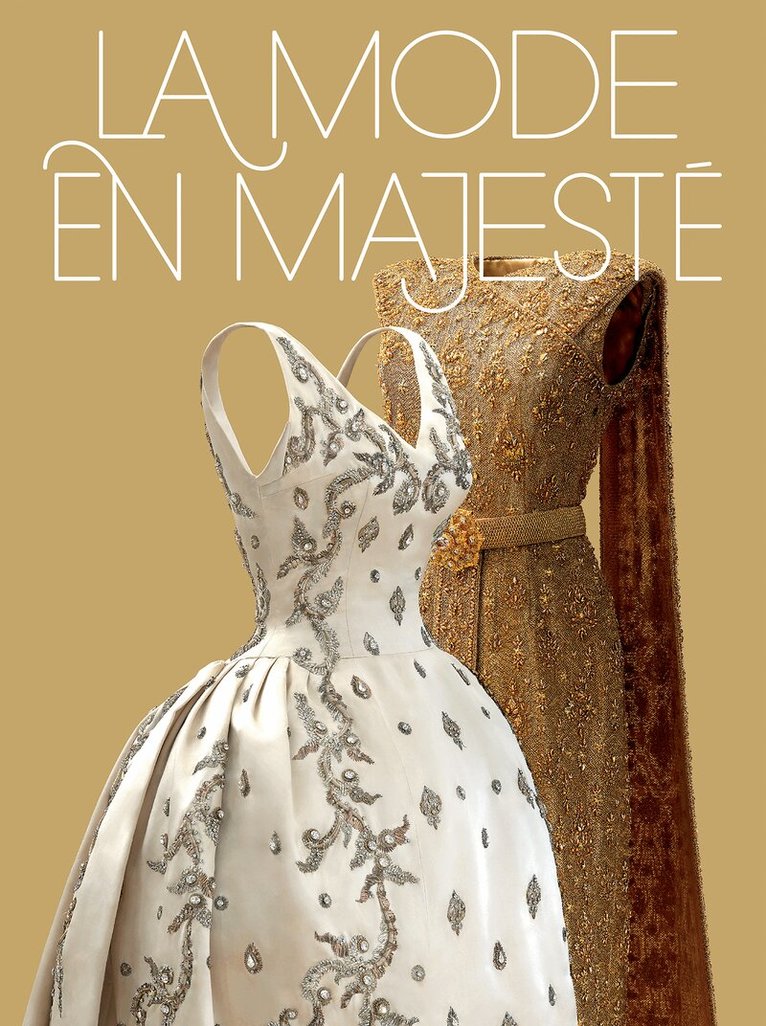
La Mode en Majesté
Haute couture et tradition à la Cour de Thaïlande / Royal Thai Dress : From Tradition to Modernity
Inbunden, Engelska, 2026
424 kr
Kommande
In spring 2026, the Musée des Arts Décoratifs will present a unique exhibition on clothing at the Thai court, tracing the relationship between local textile traditions and haute couture, as well as the advent of fashion as a marker of Thai culture internationally and its essential role in the kingdom's diplomacy. This exhibition will be presented in celebration of the 170th anniversary of diplomatic relations between Thailand and France, and the 340th anniversary of the first official contact between Siam and France. The catalogue published at this occasion highlights the figure of Queen Sirikit, a national icon who recently passed away. Passionate about fashion, she played a central role in modernising court attire, presenting her creations during official trips with King Rama IX. From the 1960s onwards, Queen Sirikit maintained close relations with leading French and European fashion houses. By collaborating for more than thirty years with Pierre Balmain and then with Erik Mortensen, his successor at the head of the fashion house, she reinvented Thai royal elegance, preserving its heritage while ensuring its international appeal. Committed to preserving traditions, she also worked tirelessly to safeguard her country's textile arts and crafts. The book brings together nearly two hundred outfits, accessories, royal objects, photographs, fabric samples, and embroidery (from Lesage and Princess Sirivannavari), and offers a unique glimpse into Thailand's rich tradition of craftsmanship in textiles, jewellery, and accessories. It highlights the use of fashion as a form of cultural diplomacy that works through image, craftsmanship, and materials.