Ben Hughes – författare
Visar alla böcker från författaren Ben Hughes. Handla med fri frakt och snabb leverans.
13 produkter
13 produkter
Inbunden, Engelska, 2019
380 kr
Skickas inom 5-8 vardagar
Häftad, Engelska, 2008
185 kr
Skickas inom 5-8 vardagar
Häftad, Engelska, 2015
98 kr
Skickas inom 5-8 vardagar
Häftad, Engelska, 2005
134 kr
Skickas inom 5-8 vardagar
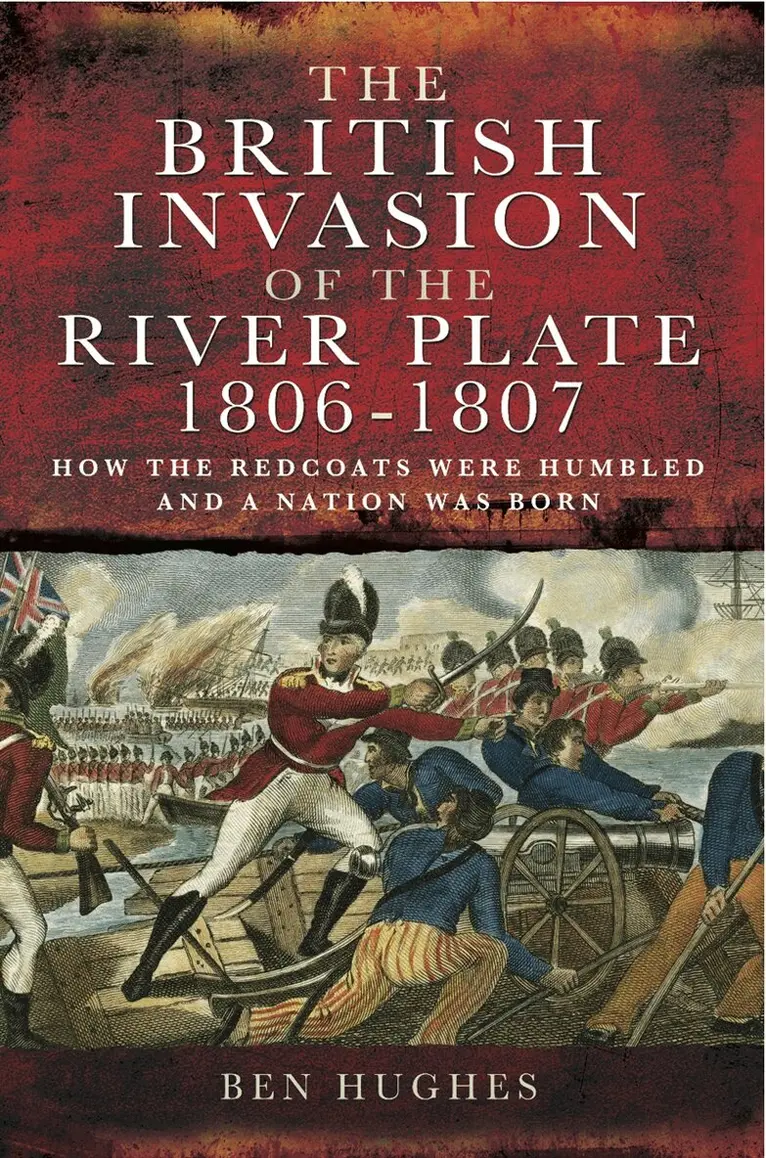
The British Invasion of the River Plate 1806-1807
How the Redcoats were Humbled and a Nation was Born
E-bok
Engelska, 2021123 kr
Läs direkt efter köp
In 1806 a British expeditionary force captured Buenos Aires. Over the next eighteen months, Britain was sucked into a costly campaign on the far side of the world. The Spaniards were humbled on the battlefield and Montevideo was taken by storm, but the campaign ended in disaster when 6000 redcoats and riflemen surrendered following a bloody battle in the streets of the Argentine capital. So ended one of the most humiliating – and neglected – episodes of the entire Napoleonic Wars.
In The British Invasion of the River Plate Ben Hughes tells the story of this forgotten campaign in graphic detail. His account is based on research carried out across two continents. It draws on contemporary newspaper reports, official documents and the memoirs, letters and journals of the men who were there.
He describes the initially successful British invasion, which was stopped when their troops were surrounded in Buenos Aires’ main square and forced to surrender, and the second British attack which was eventually defeated too. His narrative covers the course of the entire campaign and its aftermath. While focusing on the military and political aspects of the campaign, his book gives an insight into the actions of the main protagonists – William Carr Beresford, Sir Home Popham, Santiago de Liniers and ‘Black Bob’ Craufurd – and into the experiences of the forgotten rank and file.
He also considers the long-term impact of the campaign on the fortunes of the opposing sides. Many of the British survivors went on to win glory in the Peninsular War. For the Uruguayans and Argentines, their victory gave them a sense of national pride that would eventually encourage them to wrest their independence from Spain.
123 kr
Läs direkt efter köp
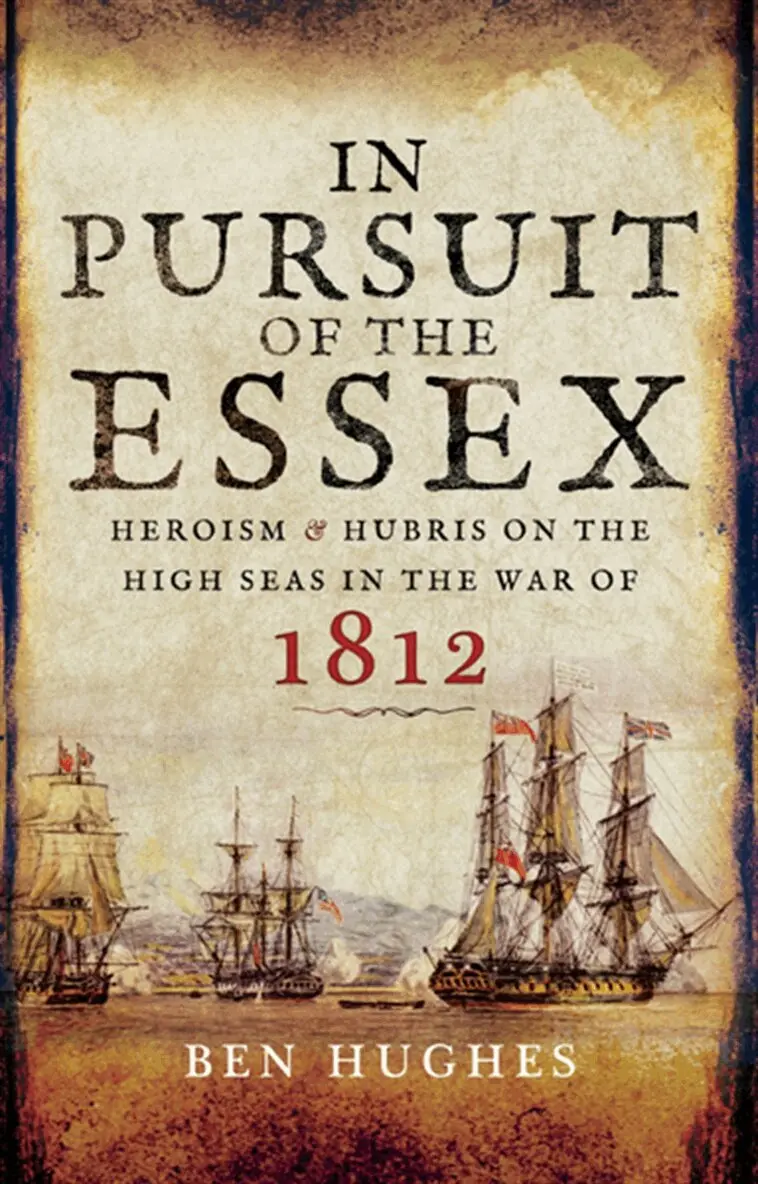
On 26 October 1812, during the war between Britain and the United States, the frigate USS Essex set sail on the most remarkable voyage in the early history of the US navy. After rounding Cape Horn, she proceeded to systematically destroy the British South Seas whaling fleet. When news reached the Royal Navy’s South American station at Rio de Janeiro, HMS Phoebe was sent off in pursuit. So began one of the most extraordinary chases in naval history.In Pursuit of the Essex follows the adventures of both hunter and hunted as well as a host of colourful characters that crossed their paths. Traitorous Nantucket whalers, Chilean revolutionaries, British spies, a Peruvian viceroy and bellicose Polynesian islanders all make an appearance. The brilliant yet vainglorious Captain Porter of the Essex, his nemesis Captain James Hillyar of the Phoebe, and two young midshipmen, David Farragut and Allen Gardiner, are the principal narrators. From giant-tortoise turning expeditions on the Galapagos to the perils of rounding Cape Horn, via desperate skirmishes with spear-toting natives on the Marquesas and a defeated duellist bleeding his life out onto black, volcanic sands, the reader is immersed in the fantastical world of the British and American seamen who struggled for supremacy over the world’s oceans in the sunset years of the age of sail. Ben Hughes’s graphic account is a work of non-fiction, yet reads like a novel, from the opening view of the Essex preparing for her cruise on the Delaware River to the story’s bloody denouement in Valparaiso Bay.
Häftad, Engelska, 2024
328 kr
Kommande
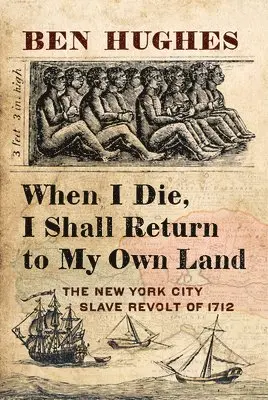
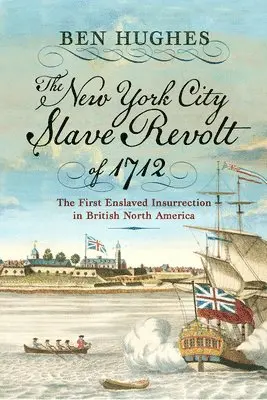
The First Comprehensive Investigation into the First Uprising Against Slavery in British North America At 2 a.m. on April 7, 1712, a fire broke out in New York City’s North Ward. Unbeknown to the residents who roused themselves to combat the flames, the blaze had been started with murderous intent. A group of at least twenty-four enslaved West African men and women, mostly Akan from modern-day Ghana, had long plotted this moment. Armed with guns, daggers, swords, axes, and clubs, they fell upon their enslavers. In the next few frantic moments, eight Europeans were killed and seven were wounded. The perpetrators were rounded up, jailed, and put on public trial. Twenty enslaved men and one woman were executed or transported for carrying out the plot. As the first event of its kind to take place in the North American colonies, this revolt was the progenitor of those that followed—it inspired, the Stono Rebellion of 1739, the New York Conspiracy of 1741, and Nat Turner’s 1831 insurrection. The New York City Slave Revolt of 1712 is the first comprehensive investigation into this major event in the history of slavery in North America. Consulting court records, correspondence, and the minutes of the various colonial councils, as well as a wide range of sources related to eighteenth-century slavery, historian Ben Hughes vividly recreates early colonial New York, the lives of its enslaved inhabitants, the factionalism among the city’s Dutch and English elites, and their precarious hold on Manhattan Island in the face of French and Native American threats. Hughes traces the origins of the New York rebels, details how they came to be enslaved, and recreates the shadowy dealings that took place between African polities, European and American slavers, and New York merchants. The forerunners of a movement which continues to this day, the deeds of these original African American rebels have now been all but forgotten. Here, Hughes attempts to redress this imbalance by recovering their story.
Häftad, Engelska, 2025
292 kr
Skickas inom 5-8 vardagar
E-bok
Engelska, 2011228 kr
Läs direkt efter köp
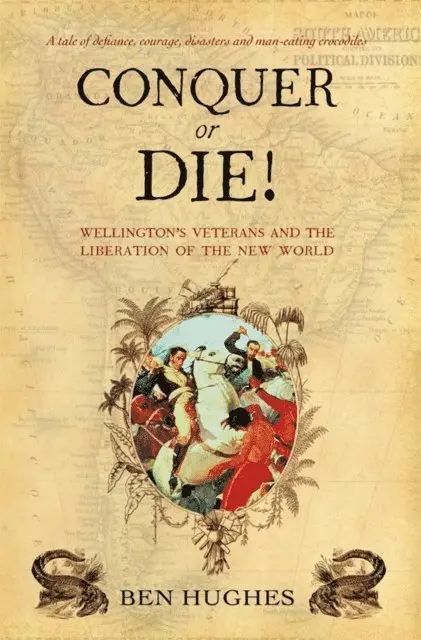
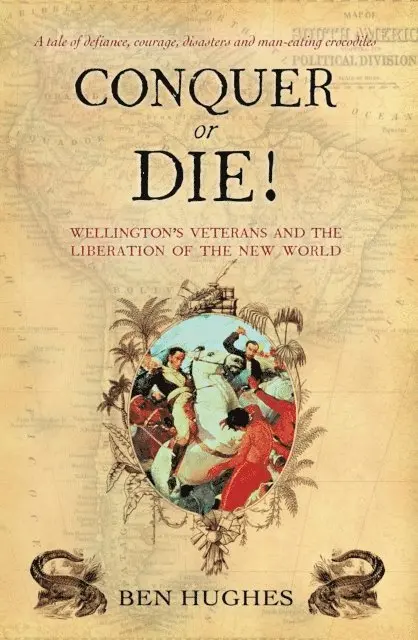
The true ''Boy''s Own'' adventure of the British volunteers who survived shipwreck, duels, mutinies, wild animals and malaria to fight with Simon Bolivar, 1815–21.In the aftermath of Waterloo, over 6,000 British volunteers sailed across the Atlantic to aid Simon Bolivar in his liberation of Gran Columbia from her oppressors in Madrid. The expeditions were plagued with disaster from the start, one ship sank shortly after leaving Portsmouth with the loss of almost 200 lives. Those who reached the New World faced disease, wild animals, mutiny and desertion.Conditions on campaign were appalling, massacres were commonplace, rations crude, pay infrequent and supplies insufficient. Nevertheless, those who endured made key contributions to Bolivar''s success.
E-bok
Engelska, 2011237 kr
Läs direkt efter köp
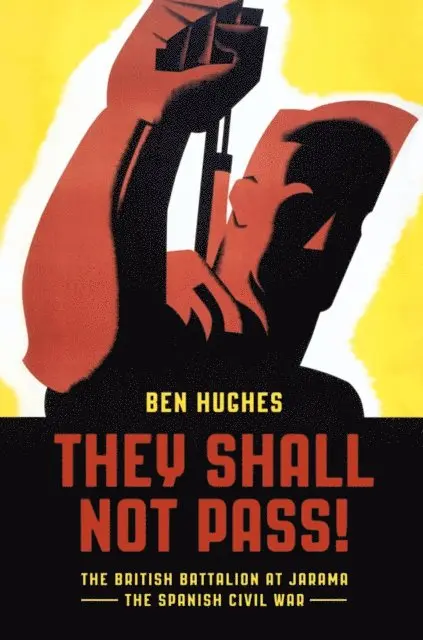
The story of a group of idealistic British volunteers who achieved the first victory against Fascism – the greatest unknown turning point of the 20th century.In 1937 a group of idealistic British volunteers sailed from England to fight the dark threat of dictatorship in Spain. In the olive groves of Jarama, near Madrid, they achieved the first victory against Franco''s army. It was Fascism''s first defeat. Hardly remembered today, it proved a crucial military turning point in the fight against Fascism.For the first time, Ben Hughes reconstructs the battle in a vivid blow-by-blow account, and considers its fascinating aftermath.
E-bok
PDF, Engelska, 2011228 kr
Läs direkt efter köp
The story of a group of idealistic British volunteers who achieved the first victory against Fascism – the greatest unknown turning point of the 20th century.In 1937 a group of idealistic British volunteers sailed from England to fight the dark threat of dictatorship in Spain. In the olive groves of Jarama, near Madrid, they achieved the first victory against Franco''s army. It was Fascism''s first defeat. Hardly remembered today, it proved a crucial military turning point in the fight against Fascism.For the first time, Ben Hughes reconstructs the battle in a vivid blow-by-blow account, and considers its fascinating aftermath.
E-bok
PDF, Engelska, 2011228 kr
Läs direkt efter köp
The true ''Boy''s Own'' adventure of the British volunteers who survived shipwreck, duels, mutinies, wild animals and malaria to fight with Simon Bolivar, 1815–21.In the aftermath of Waterloo, over 6,000 British volunteers sailed across the Atlantic to aid Simon Bolivar in his liberation of Gran Columbia from her oppressors in Madrid. The expeditions were plagued with disaster from the start, one ship sank shortly after leaving Portsmouth with the loss of almost 200 lives. Those who reached the New World faced disease, wild animals, mutiny and desertion.Conditions on campaign were appalling, massacres were commonplace, rations crude, pay infrequent and supplies insufficient. Nevertheless, those who endured made key contributions to Bolivar''s success.
Häftad, Engelska, 2020
386 kr
Skickas inom 5-8 vardagar
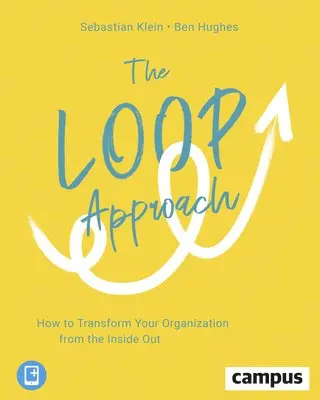
How best to adapt established companies to a rapidly changing economy has long been a topic of debate in both the corporate and academic worlds. This challenge is especially pressing for large organizations that may have grown top-heavy and rigid with time but now need to be light on their feet to stay relevant and profitable. Until now, the best attempts have consisted of plucking tools and methods from the world of start-ups and applying them wholesale in large corporate environments. Most of these efforts have either fizzled or failed outright because they lacked a framework for a comprehensive corporation-sized rollout. The Loop Approach introduces a new series of methods that could help change the course of operations for even the most colossal organizations. Sebastian Klein and Ben Hughes provide a wide-ranging set of guidelines for achieving corporate agility, complete with checklists and worksheets that should prove instantly applicable. Want proof? The methods outlined in The Loop Approach have already been successfully implemented at such European corporate giants as Audi, Deutsche Bahn, and Telekom.