
Benedikt Paul GA¶cke – författare
824 kr
Läs direkt efter köp
The influence of materialist ontology largely dominates philosophical and scientific discussions. However, there is a resurgent interest in alternative ontologies from panpsychism (the view that at the base of reality exists potential minds, minds, or mind-lets) to idealism and dualism (the view that all of reality is material and mental).
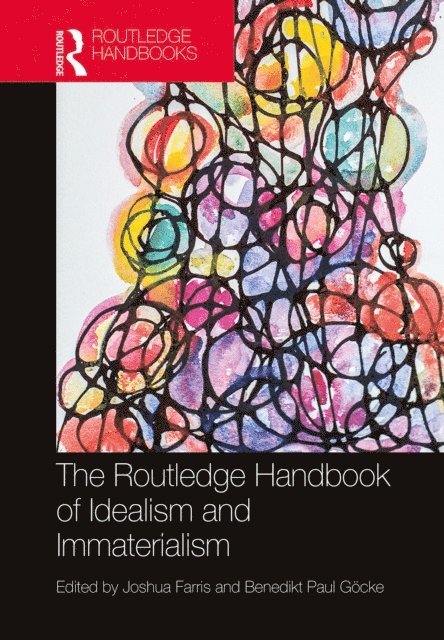
The Routledge Handbook of Idealism and Immaterialism is an outstanding reference source and the first major collection of its kind. Historically grounded and constructively motivated, it covers the key topics in philosophy, science, and theology, providing students and scholars with a comprehensive introduction to idealism and immaterialism. Also addressed are post-materialism developments, with explicit attention to variations of idealism and immaterialism (the view that reality depends on a mind or a set of minds).
Comprising 44 chapters written by an international and interdisciplinary team of contributors, the Handbook is organised into five clear parts:
Idealism and the history of philosophy Important figures in idealism Systematic assessment of idealism Idealism and science Idealism, physicalism, panpsychism, and substance dualism
Essential reading for students and researchers in metaphysics, philosophy of science, philosophy of religion, and philosophy of mind, The Routledge Handbook of Idealism and Immaterialism will also be of interest to those in related discplines where idealist and immaterialist ontology impinge on history, science, and theology.
824 kr
Läs direkt efter köp
The influence of materialist ontology largely dominates philosophical and scientific discussions. However, there is a resurgent interest in alternative ontologies from panpsychism (the view that at the base of reality exists potential minds, minds, or mind-lets) to idealism and dualism (the view that all of reality is material and mental).
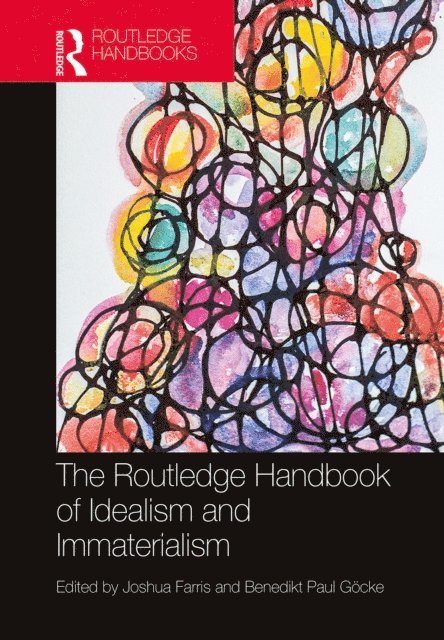
The Routledge Handbook of Idealism and Immaterialism is an outstanding reference source and the first major collection of its kind. Historically grounded and constructively motivated, it covers the key topics in philosophy, science, and theology, providing students and scholars with a comprehensive introduction to idealism and immaterialism. Also addressed are post-materialism developments, with explicit attention to variations of idealism and immaterialism (the view that reality depends on a mind or a set of minds).
Comprising 44 chapters written by an international and interdisciplinary team of contributors, the Handbook is organised into five clear parts:
Idealism and the history of philosophy Important figures in idealism Systematic assessment of idealism Idealism and science Idealism, physicalism, panpsychism, and substance dualism
Essential reading for students and researchers in metaphysics, philosophy of science, philosophy of religion, and philosophy of mind, The Routledge Handbook of Idealism and Immaterialism will also be of interest to those in related discplines where idealist and immaterialist ontology impinge on history, science, and theology.
706 kr
Läs direkt efter köp
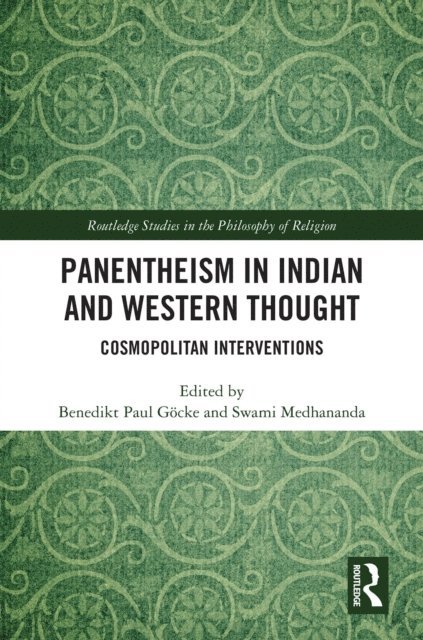
For too long, scholars interested in panentheism have focused almost exclusively on Western approaches to the issue. This book offers the first in-depth study of a wide range of Indian paradigms of panentheism, both ancient and modern, and brings these paradigms into creative and constructive dialogue with Western traditions.
This volume features original essays written by leading international scholars. The volume discusses a broad range of Indian panentheistic traditions, including the Upaniṣads, Bhedābheda Vedānta, Rāmānuja’s Viśiṣṭādvaita Vedānta, Yogācāra Buddhism, and the Ramakrishna-Vivekananda tradition. The chapters connect these traditions with Western panentheistic conceptions developed by thinkers such as Spinoza, Berkeley, Schopenhauer, Krause, Royce, Tononi and Koch, and Western process philosophers.
Panentheism in Indian and Western Thought will be of interest to scholars and advanced students working in philosophy of religion, Indian philosophy, comparative philosophy, and comparative religion.
706 kr
Läs direkt efter köp
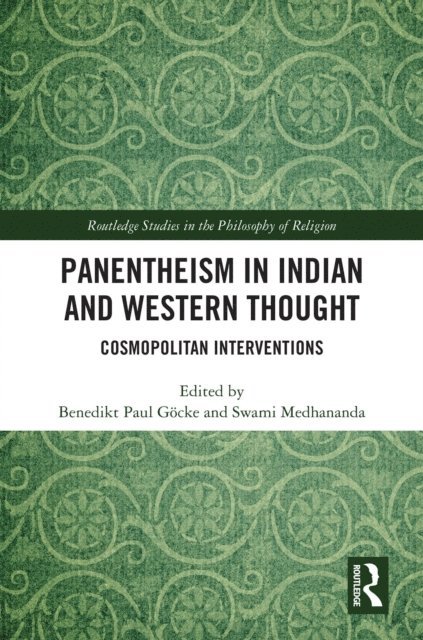
For too long, scholars interested in panentheism have focused almost exclusively on Western approaches to the issue. This book offers the first in-depth study of a wide range of Indian paradigms of panentheism, both ancient and modern, and brings these paradigms into creative and constructive dialogue with Western traditions.
This volume features original essays written by leading international scholars. The volume discusses a broad range of Indian panentheistic traditions, including the Upaniṣads, Bhedābheda Vedānta, Rāmānuja’s Viśiṣṭādvaita Vedānta, Yogācāra Buddhism, and the Ramakrishna-Vivekananda tradition. The chapters connect these traditions with Western panentheistic conceptions developed by thinkers such as Spinoza, Berkeley, Schopenhauer, Krause, Royce, Tononi and Koch, and Western process philosophers.
Panentheism in Indian and Western Thought will be of interest to scholars and advanced students working in philosophy of religion, Indian philosophy, comparative philosophy, and comparative religion.