Benjamin A. Kleinerman - Böcker
Visar alla böcker från författaren Benjamin A. Kleinerman. Handla med fri frakt och snabb leverans.
3 produkter
3 produkter
1 216 kr
Skickas inom 5-8 vardagar
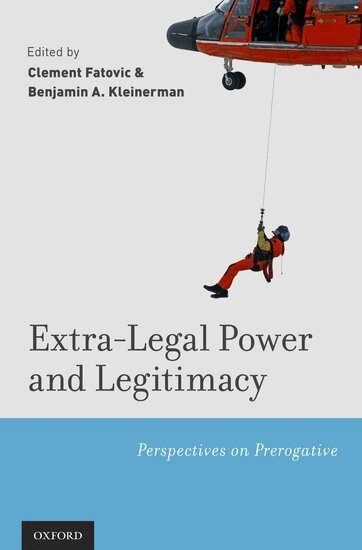
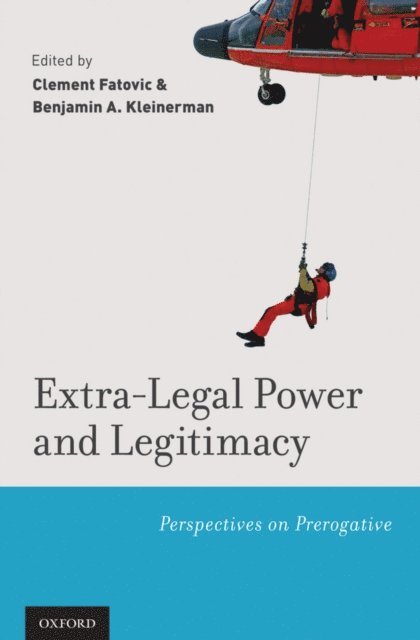
When an economic collapse, natural disaster, epidemic outbreak, terrorist attack, or internal crisis puts a country in dire need, governments must rise to the occasion to protect their citizens, sometimes employing the full scope of their powers. How do political systems that limit government control under normal circumstances allow for the discretionary and potentially unlimited power that such emergencies sometimes seem to require? Constitutional systems aim to regulate government behavior through stable and predictable laws, but when their citizens' freedom, security, and stability are threatened by exigencies, often the government must take extraordinary action regardless of whether it has the legal authority to do so. In Extra-Legal Power and Legitimacy: Perspectives on Prerogative, Clement Fatovic and Benjamin A. Kleinerman examine the costs and benefits associated with different ways that governments have wielded extra-legal powers in times of emergency. They survey distinct models of emergency governments and draw diverse and conflicting approaches by joining influential thinkers into conversation with one another. Chapters by eminent scholars illustrate the earliest frameworks of prerogative, analyze American perspectives on executive discretion and extraordinary power, and explore the implications and importance of deliberating over the limitations and proportionality of prerogative power in contemporary liberal democracy.In doing so, they re-introduce into public debate key questions surrounding executive power in contemporary politics.
637 kr
Skickas inom 7-10 vardagar
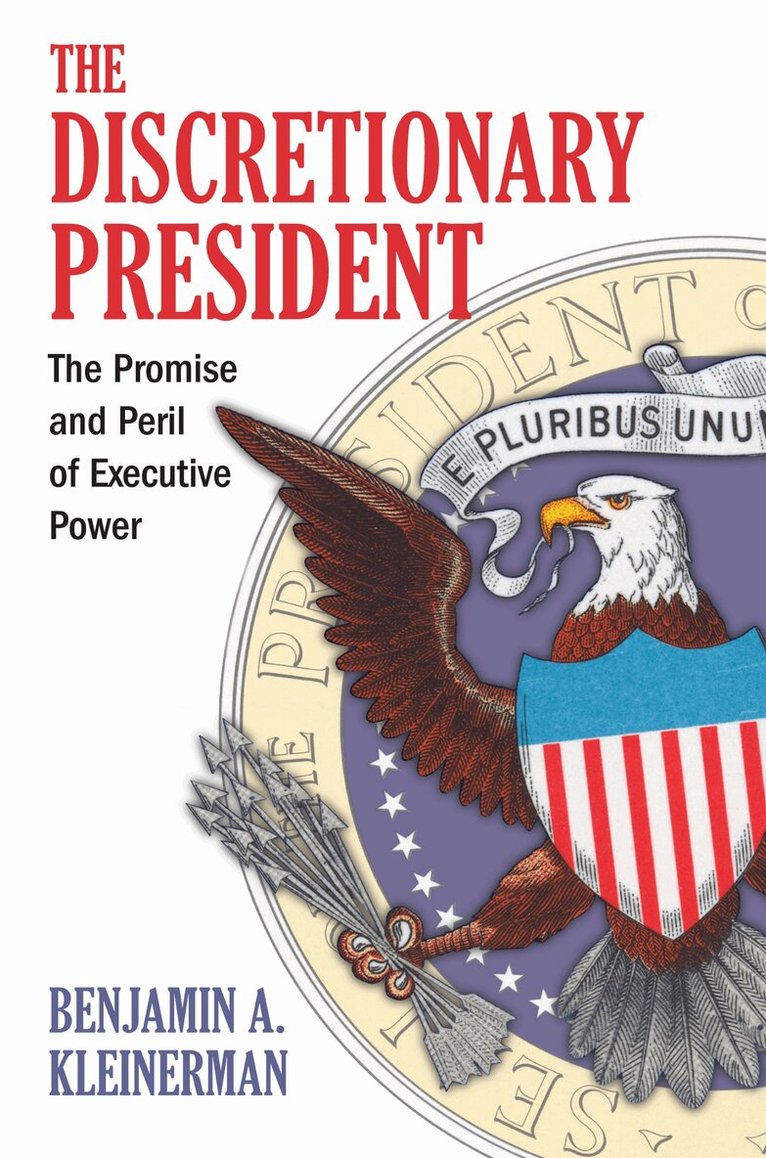
George W. Bush's use of the war on terror to justify the creation of a unitary executive, acting outside and even against the law, was a source of praise and blame for his administration. Immediately after 9/11, a constitutionalist would have worried about the peril of executive power, but today he might worry that we ignore its promise and distrust discretionary actions that truly ought to be taken by presidents in times of peril. Benjamin Kleinerman addresses the fundamental question of what role discretionary executive power should play in a constitutional order, reexamining what has become an intractable debate to show that what can destroy our Constitution also has the potential to save it. Kleinerman traces this problem from Hobbes through Lincoln to address one of the central dilemmas of our post-9/11 age: how to empower the president to respond to legitimate threats without endangering the constitutional order. He stakes out a middle ground in this highly contentious debate, affirming that a president has the discretionary power to act for the public good without statutory authorization - but warning that, to remain constitutional, it must be truly discretionary power that could not be legalized. Kleinerman articulates and defends a 'constitutional politics of necessity', best exemplified by Lincoln, in which opponents should call on presidents to defend the necessity of exceptional actions and explain why they had to be taken outside the existing legal framework, beyond simply being 'for the public good'. He observes that Lincoln acknowledged the illegality of his actions while claiming their necessity but that Bush claimed powers as if they were permanent. He also reexamines separation of powers in light of executive discretion, suggesting that, during times of insecurity, discretionary executive power can be devoted to preservation of the Constitution so long as the other branches remain vigilant. Kleinerman argues for a president sufficiently strong to take actions without which we cannot be secure yet sufficiently circumscribed that such actions do not become the norm. His book delineates the tough distinctions citizens need to make between the necessary exercise of extraordinary powers and the dangerous aggrandizement of unnecessary power.
563 kr
Kommande
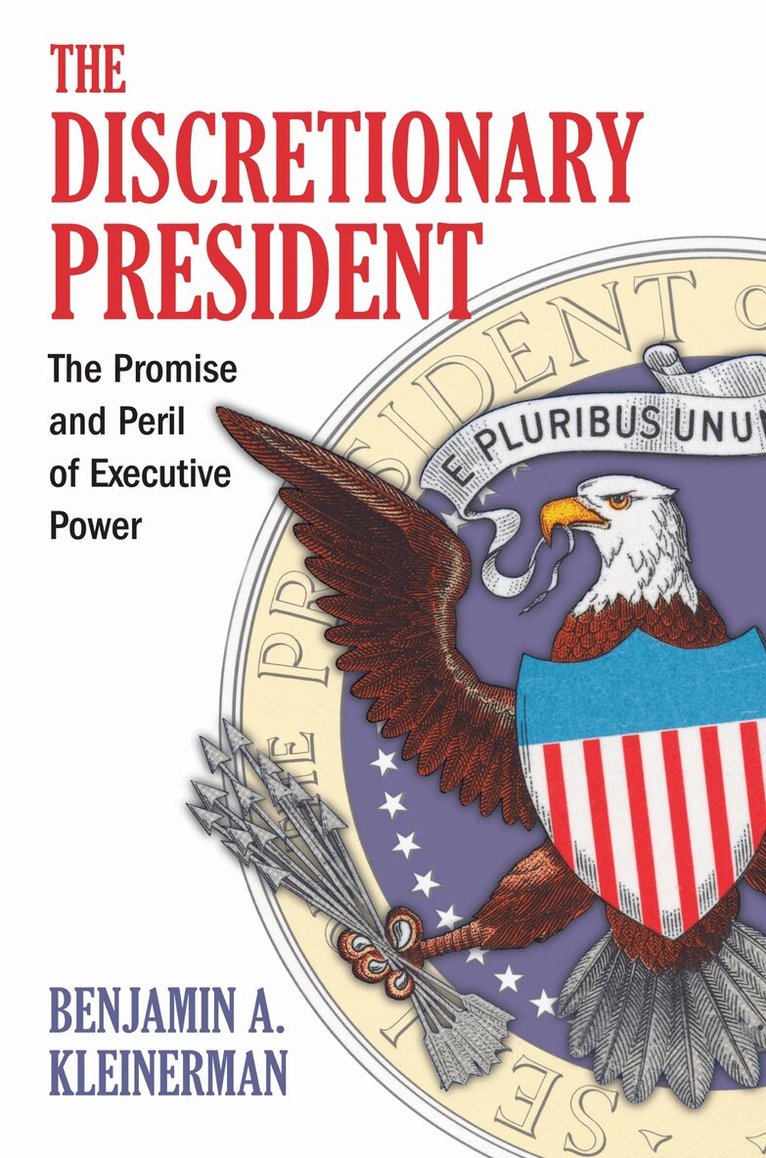
George W. Bush’s use of the war on terror to justify the creation of a unitary executive, acting outside and even against the law, was a source of praise and blame for his administration. Immediately after 9/11, a constitutionalist would have worried about the peril of executive power, but today he might worry that we ignore its promise and distrust discretionary actions that truly ought to be taken by presidents in times of peril.Benjamin Kleinerman addresses the fundamental question of what role discretionary executive power should play in a constitutional order, reexamining what has become an intractable debate to show that what can destroy our Constitution also has the potential to save it. Kleinerman traces this problem from Hobbes through Lincoln to address one of the central dilemmas of our post-9/11 age: how to empower the president to respond to legitimate threats without endangering the constitutional order. He stakes out a middle ground in this highly contentious debate, affirming that a president has the discretionary power to act for the public good without statutory authorization—but warning that, to remain constitutional, it must be truly discretionary power that could not be legalized.Kleinerman articulates and defends a “constitutional politics of necessity,” best exemplified by Lincoln, in which opponents should call on presidents to defend the necessity of exceptional actions and explain why they had to be taken outside the existing legal framework, beyond simply being “for the public good.” He observes that Lincoln acknowledged the illegality of his actions while claiming their necessity but that Bush claimed powers as if they were permanent. He also reexamines separation of powers in light of executive discretion, suggesting that, during times of insecurity, discretionary executive power can be devoted to preservation of the Constitution so long as the other branches remain vigilant.Kleinerman argues for a president sufficiently strong to take actions without which we cannot be secure yet sufficiently circumscribed that such actions do not become the norm. His book delineates the tough distinctions citizens need to make between the necessary exercise of extraordinary powers and the dangerous aggrandizement of unnecessary power.