Benoît Crucifix – författare
Visar alla böcker från författaren Benoît Crucifix. Handla med fri frakt och snabb leverans.
4 produkter
4 produkter
Häftad, Engelska, 2019
1 622 kr
Skickas inom 10-15 vardagar
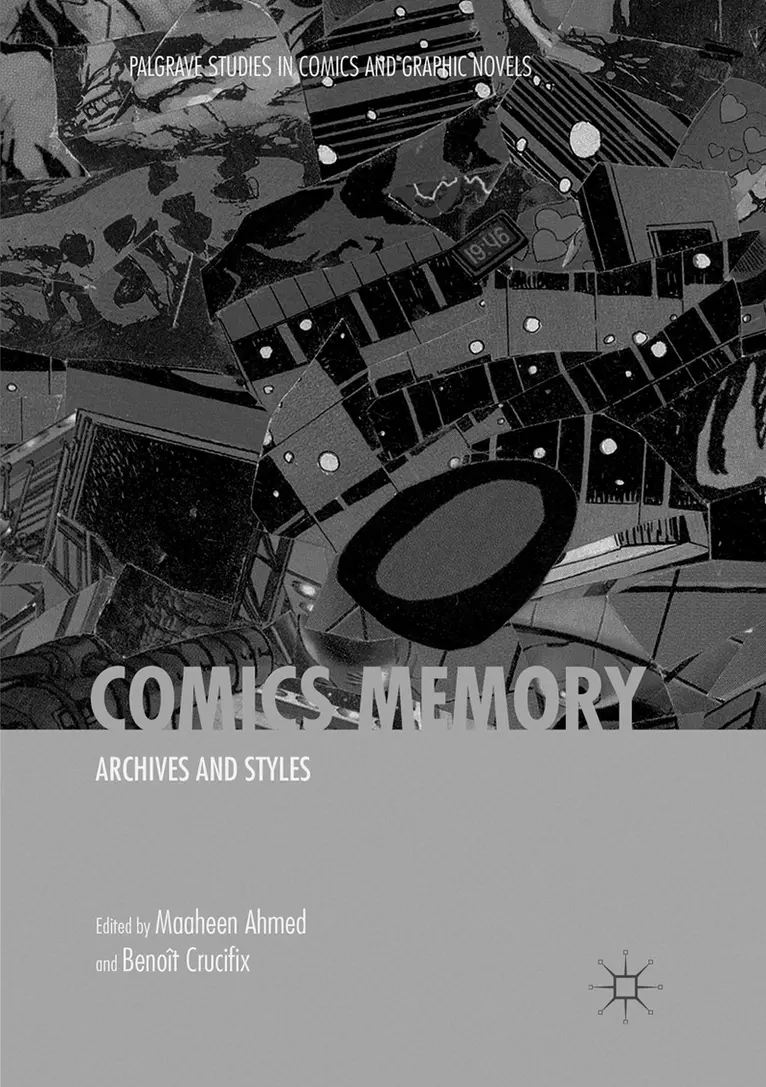
Despite the boom in scholarship in both Comics Studies and Memory Studies, the two fields rarely interact—especially with issues beyond the representation of traumatic and autobiographical memories in comics. With a focus on the roles played by styles and archives—in their physical and metaphorical manifestations—this edited volume offers an original intervention, highlighting several novel ways of thinking about comics and memory as comics memory. Bringing together scholars as well as cultural actors, the contributions combine studies on European and North American comics and offer a representative overview of the main comics genres and forms, including superheroes, Westerns, newspaper comics, diary comics, comics reportage and alternative comics. In considering the many manifestations of memory in comics as well as the functioning and influence of institutions, public and private practices, the book exemplifies new possibilities for understanding the complex entanglements of memory and comics.
Inbunden, Engelska, 2026
1 457 kr
Kommande
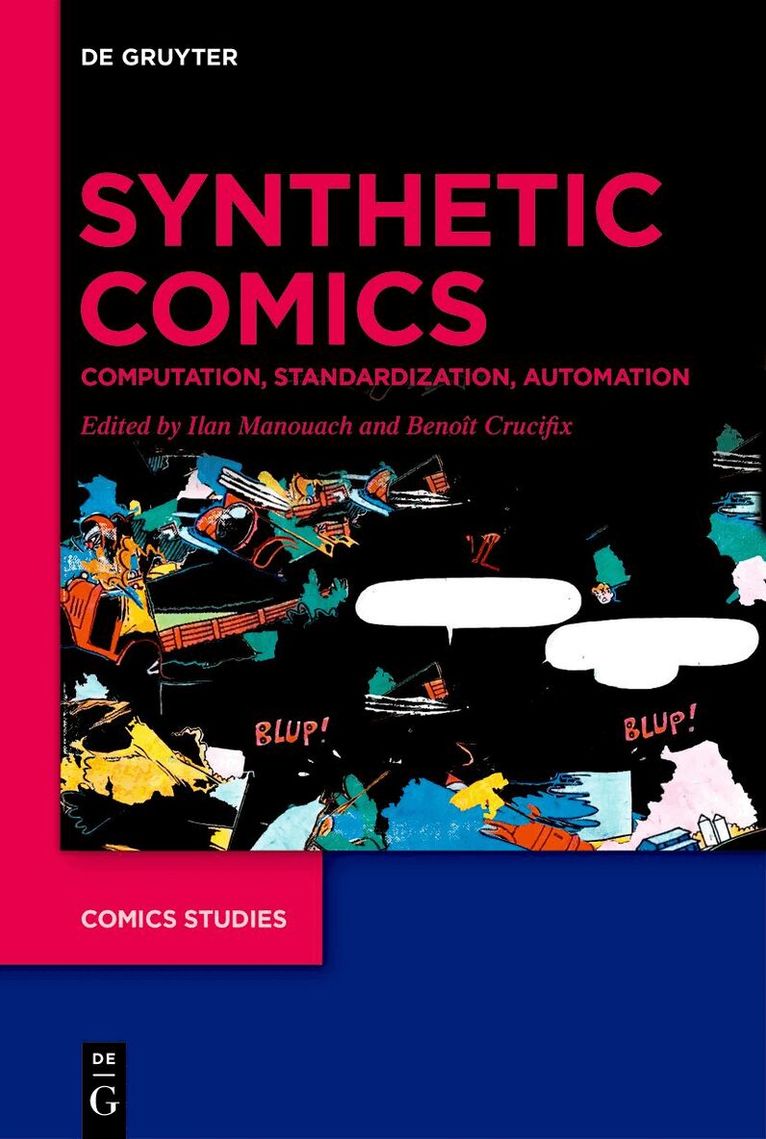
This book delves into the intricate relationship between automation, industrial manufacturing, and the production of comics, tracing a historical continuum from early mechanization to contemporary algorithmic tools like Midjourney and ChatGPT. The volume situates comics within a broader discourse of automation in art, noting that unlike other art forms, the medium has long incorporated industrial processes as fundamental to its production. Concepts such as efficiency, marginal utility, and computability have been essential both technically and conceptually, as comics evolved within a dense information economy driven by standardization and scalability. The book argues that comics production, from ideation to editorial revision, operates within a framework of human-machine collaboration, defined by decentralized, asynchronous processes akin to what Rudy Rucker describes as computation—finitely describable processes of calculating, processing, and transforming information. By examining the industry’s historical attempts at automation, the volume suggests that the integration of computational processes in contemporary comics production is a natural extension of the medium's longstanding practices. The book positions this evolution as a continuous thread linking early industrial practices with today’s use of generative AI, reshaping our understanding of comics craftsmanship as a symbiotic expansion alongside advancements in printing, distribution, and communication technologies.
Inbunden, Engelska, 2018
1 670 kr
Skickas inom 10-15 vardagar
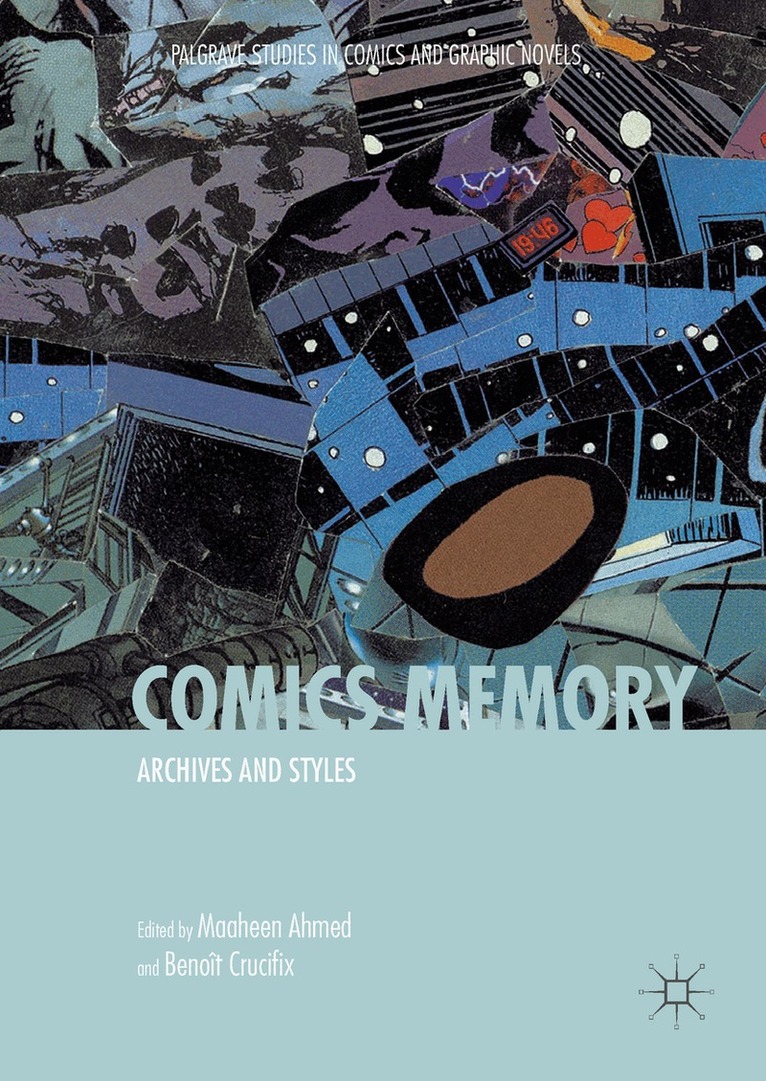
Despite the boom in scholarship in both Comics Studies and Memory Studies, the two fields rarely interact—especially with issues beyond the representation of traumatic and autobiographical memories in comics. With a focus on the roles played by styles and archives—in their physical and metaphorical manifestations—this edited volume offers an original intervention, highlighting several novel ways of thinking about comics and memory as comics memory. Bringing together scholars as well as cultural actors, the contributions combine studies on European and North American comics and offer a representative overview of the main comics genres and forms, including superheroes, Westerns, newspaper comics, diary comics, comics reportage and alternative comics. In considering the many manifestations of memory in comics as well as the functioning and influence of institutions, public and private practices, the book exemplifies new possibilities for understanding the complex entanglements of memory and comics.
E-bok
Engelska, 20182 049 kr
Läs direkt efter köp
Despite the boom in scholarship in both Comics Studies and Memory Studies, the two fields rarely interact—especially with issues beyond the representation of traumatic and autobiographical memories in comics. With a focus on the roles played by styles and archives—in their physical and metaphorical manifestations—this edited volume offers an original intervention, highlighting several novel ways of thinking about comics and memory as comics memory. Bringing together scholars as well as cultural actors, the contributions combine studies on European and North American comics and offer a representative overview of the main comics genres and forms, including superheroes, Westerns, newspaper comics, diary comics, comics reportage and alternative comics. In considering the many manifestations of memory in comics as well as the functioning and influence of institutions, public and private practices, the book exemplifies new possibilities for understanding the complex entanglements of memory and comics.