
Bernard Schmitt – författare

2 421 kr
Skickas inom 10-15 vardagar

582 kr
Skickas inom 10-15 vardagar
762 kr
Läs direkt efter köp
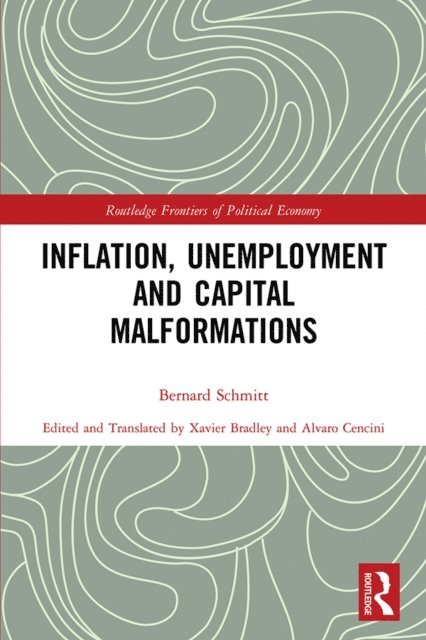
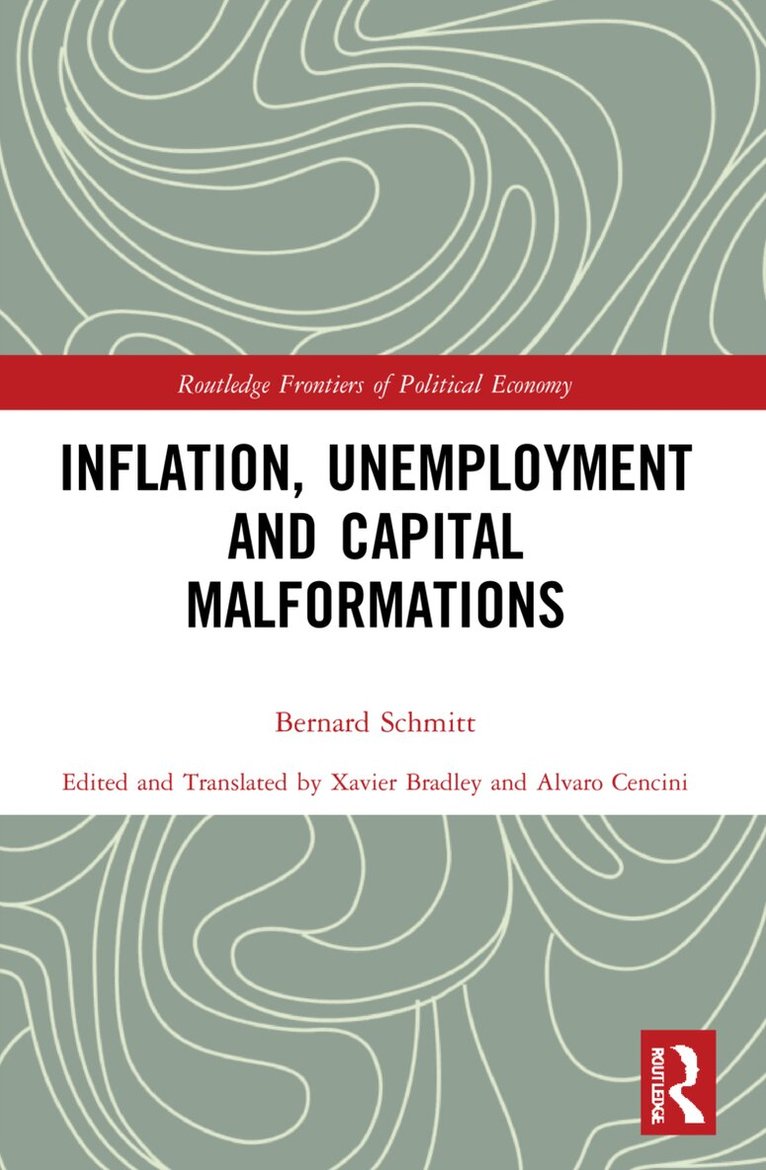
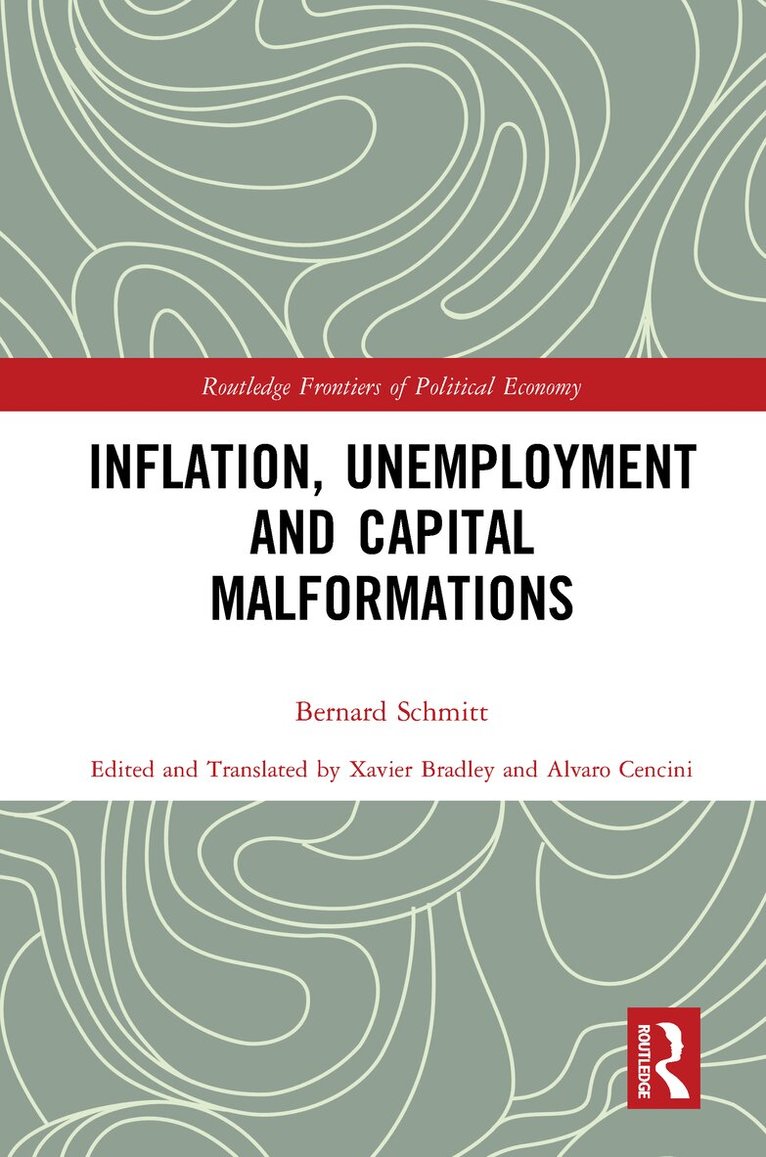
The volume deals with the main problems faced by capitalist economies, inflation and unemployment, in a new and original way, and provides the theoretical foundations for quantum macroeconomic analysis. Its aim is to allow English-speaking economists and interested readers to have a direct access to the analysis provided by Schmitt in his 1984 book Inflation, chômage et malformations du capital.
Orthodox economics has failed to provide a consistent insight of the pathologies hindering our economies, and both the academic and the economic worlds are much in need for an alternative approach capable to explain the origins of these pathologies and how they can eventually be disposed of. Schmitt’s volume provides a revolutionary explanation of the cause of today’s economic disorder as well as an innovative solution allowing for the passage from disorder to order. Neoclassical and Keynesian theories of any type are essentially based on equilibrium analysis and this is why none of them has ever been able to provide a consistent macroeconomic analysis based on macroeconomic foundations. This is what Schmitt’s book aims for: developing a new analysis built on identities rather than conditions of equilibrium, capable to explain the objective origins of inflation and unemployment.
In this volume, Schmitt introduces a new, revolutionary analysis centred on the concept of quantum time. The topics analysed by Schmitt cover the entire field of national macroeconomics, from production to capital accumulation, the leading role in this ground-breaking investigation being played by what he calls the theory of emissions. The ensuing macroeconomic theory is built on a set of laws derived from the monetary nature of our economic systems and defines the logical framework of inquiry into modern macroeconomics.
762 kr
Läs direkt efter köp
The volume deals with the main problems faced by capitalist economies, inflation and unemployment, in a new and original way, and provides the theoretical foundations for quantum macroeconomic analysis. Its aim is to allow English-speaking economists and interested readers to have a direct access to the analysis provided by Schmitt in his 1984 book Inflation, chômage et malformations du capital.
Orthodox economics has failed to provide a consistent insight of the pathologies hindering our economies, and both the academic and the economic worlds are much in need for an alternative approach capable to explain the origins of these pathologies and how they can eventually be disposed of. Schmitt’s volume provides a revolutionary explanation of the cause of today’s economic disorder as well as an innovative solution allowing for the passage from disorder to order. Neoclassical and Keynesian theories of any type are essentially based on equilibrium analysis and this is why none of them has ever been able to provide a consistent macroeconomic analysis based on macroeconomic foundations. This is what Schmitt’s book aims for: developing a new analysis built on identities rather than conditions of equilibrium, capable to explain the objective origins of inflation and unemployment.
In this volume, Schmitt introduces a new, revolutionary analysis centred on the concept of quantum time. The topics analysed by Schmitt cover the entire field of national macroeconomics, from production to capital accumulation, the leading role in this ground-breaking investigation being played by what he calls the theory of emissions. The ensuing macroeconomic theory is built on a set of laws derived from the monetary nature of our economic systems and defines the logical framework of inquiry into modern macroeconomics.

633 kr
Läs direkt efter köp

656 kr
Läs direkt efter köp
642 kr
Skickas inom 10-15 vardagar
2 489 kr
Skickas inom 10-15 vardagar
831 kr
Läs direkt efter köp
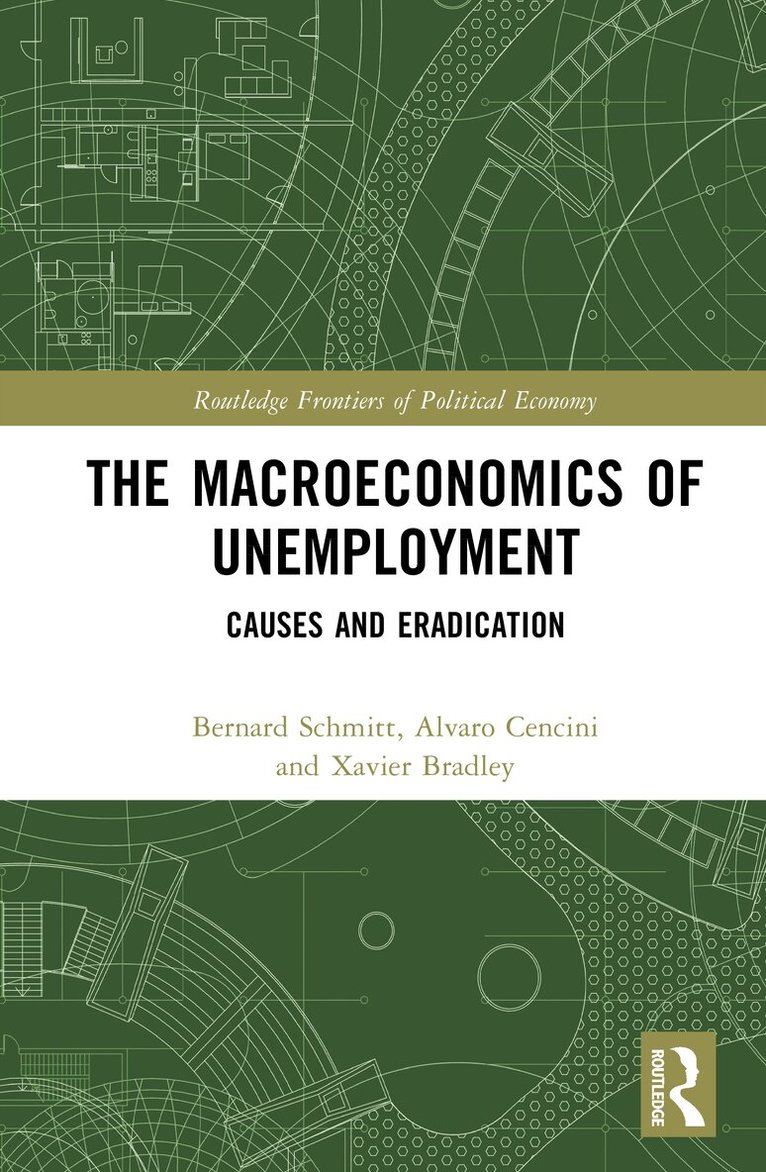
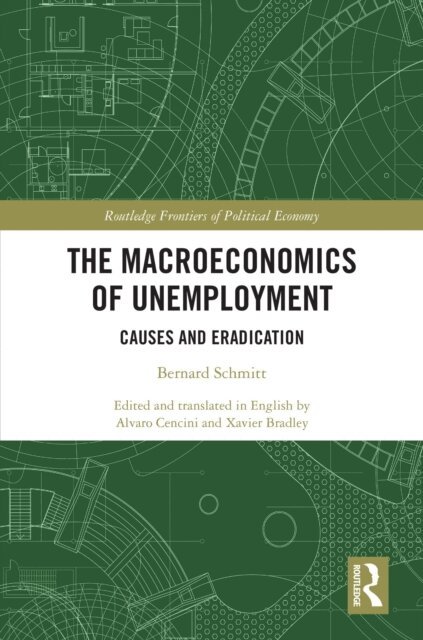
This book explores unemployment from a monetary macroeconomics perspective, identifying the pathology at the origin of unemployment and the principles of reform that will enable a passage from capitalism to post-capitalism.
Bernard Schmitt explores the problem of involuntary unemployment by developing his quantum monetary macroeconomic analysis, demonstrating that the presence of fixed capital increases both physical productivity and the production of economic value. Money is at the core of Schmitt’s analysis because the relation between money and output is what makes it difficult to explain the origin of involuntary unemployment. Schmitt shows that unemployment is formally impossible in any economy producing wage-, interest-, and investment-goods. It is only when the economic system includes fixed capital amortization that the conditions for the formation of unemployment are met. The determining role is played by the natural rate of interest: when this rate falls below the market rate of interest, unemployment sets in. Schmitt provides a new explanation of the mechanism leading to unemployment and advocates a reform that, if implemented, would break any link between capital accumulation and unemployment.
This book is essential reading for those interested in issues around unemployment and post-capitalism as well as the fields of political economy, macroeconomics, economic theory and heterodox economics more broadly.
831 kr
Läs direkt efter köp
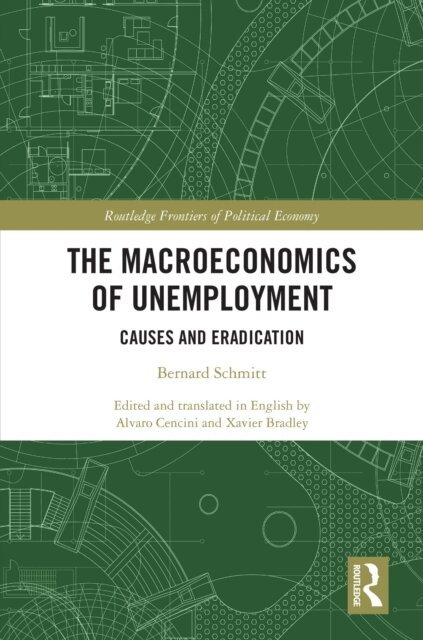
This book explores unemployment from a monetary macroeconomics perspective, identifying the pathology at the origin of unemployment and the principles of reform that will enable a passage from capitalism to post-capitalism.
Bernard Schmitt explores the problem of involuntary unemployment by developing his quantum monetary macroeconomic analysis, demonstrating that the presence of fixed capital increases both physical productivity and the production of economic value. Money is at the core of Schmitt’s analysis because the relation between money and output is what makes it difficult to explain the origin of involuntary unemployment. Schmitt shows that unemployment is formally impossible in any economy producing wage-, interest-, and investment-goods. It is only when the economic system includes fixed capital amortization that the conditions for the formation of unemployment are met. The determining role is played by the natural rate of interest: when this rate falls below the market rate of interest, unemployment sets in. Schmitt provides a new explanation of the mechanism leading to unemployment and advocates a reform that, if implemented, would break any link between capital accumulation and unemployment.
This book is essential reading for those interested in issues around unemployment and post-capitalism as well as the fields of political economy, macroeconomics, economic theory and heterodox economics more broadly.
2 494 kr
Skickas inom 10-15 vardagar