Bernie Clark – författare
Visar alla böcker från författaren Bernie Clark. Handla med fri frakt och snabb leverans.
13 produkter
13 produkter
Häftad, Engelska, 2019
222 kr
Skickas inom 5-8 vardagar
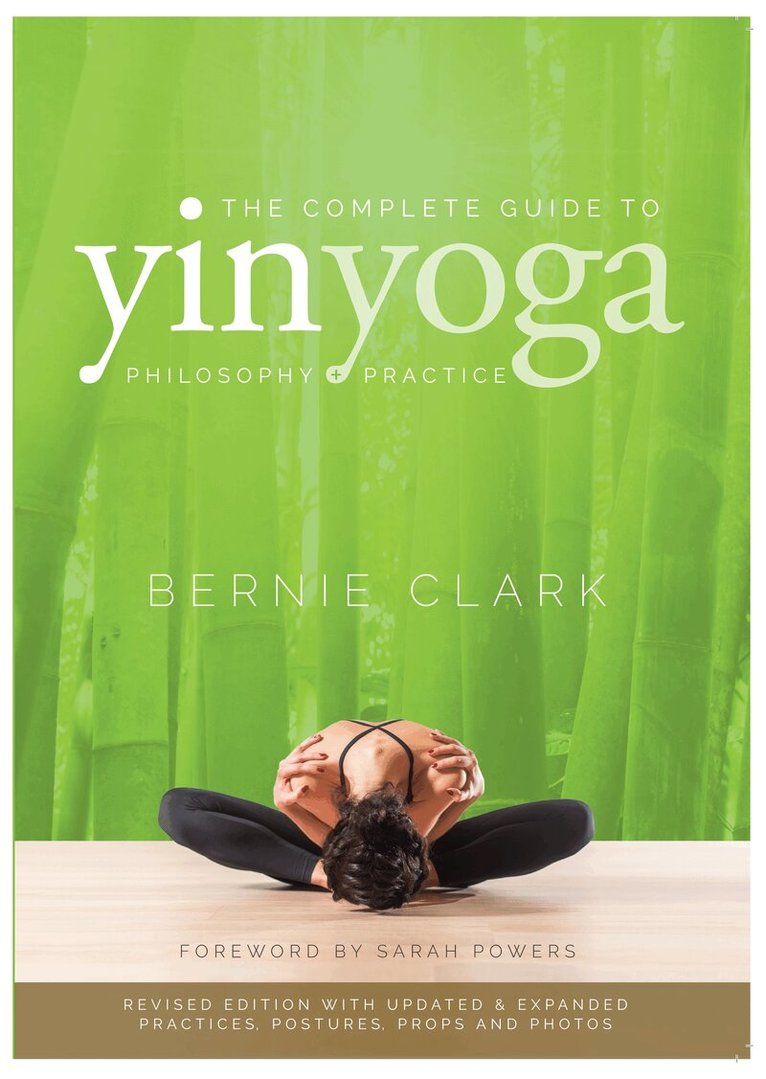
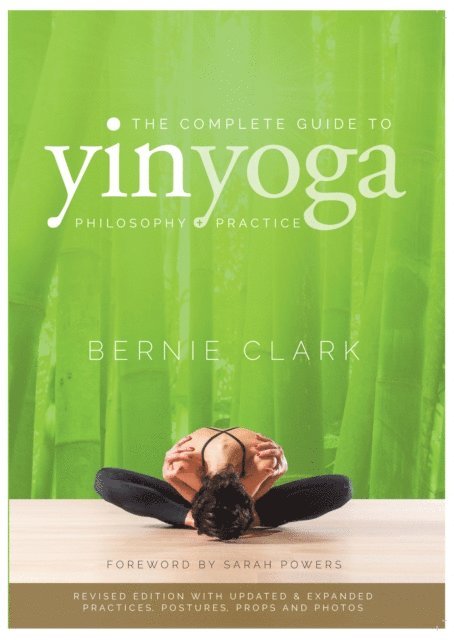
An updated version of the book that has become the go-to resource for Yin Yoga teachers all over the world and has been required reading in many teacher training programs.This second edition of the best selling The Complete Guide to Yin Yoga provides an in-depth look at the philosophy and practice of Yin Yoga with illustrated sections on how to practice Yin Yoga, including detailed descriptions and photographs of over 30 Yin Yoga asanas. All forms of yoga can provide benefits physically, emotionally, and mentally, however Yin Yoga works the deeper levels of the body/heart/mind: the yin tissues of fascia, tendons, ligaments, joints and bones, as well as the energetic channels of the meridians, nerves and blood system. One big difference noticed by students of Yin Yoga is the long-held, passive nature of the posture, which gives time for a deeper journey to unfold, a journey into the meditative aspects of yoga, a bridge to living life mindfully.The second edition includes—a more functional approach to the practice of yoga, emphasizing the concept of targeted areas; the importance of stress in reducing fragility and building antifragility; understanding the nature of creep and the importance of counterposes, with a revised list of effective counterpostures; many new photographs of the postures and their variations for different body types; a more current overview of the physiology of tissues and the energy body reflecting new understanding in the science of fascia and cellular signaling; and many other enhancements.As in the first edition, the book presents comprehensive information on how to do the practice, including how to get into and out of the pose, contraindications and warnings for those who may have trouble with particular aspects of the posture, and other important information. Why we do the practice is discussed by looking at its benefits in three main sections: the physiological, energetic and mental/emotional benefits.
Häftad, Engelska, 2016
237 kr
Skickas inom 5-8 vardagar
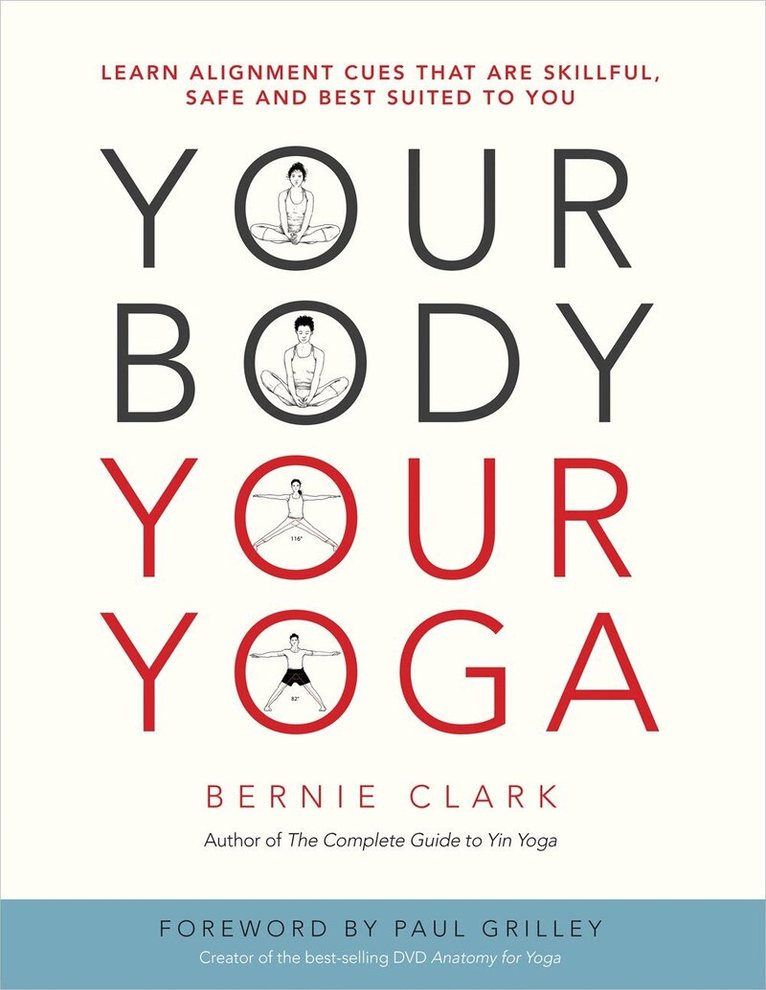
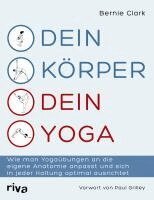
Your Body, Your Yoga goes beyond any prior yoga anatomy book available. It looks not only at the body's unique anatomical structures and what this means to everyone's individual range of motion, but also examines the physiological sources of restrictions to movement. Two volumes are provided in this book: Volume 1 raises a new mantra to be used in every yoga posture: What Stops Me? The answers presented run through a spectrum, beginning with a variety of tensile resistance to three kinds of compressive resistance. Examined is the nature of muscles, fascia, tendons, ligaments, joint capsules, bones and our extracellular matrix and their contribution to mobility. The shape of these structures also defines our individual, ultimate range of movement, which means that not every body can do every yoga posture. The reader will discover where his or her limits lie, which dictates which alignment cues will work best, and which ones should be abandoned. Volume 2 will take these principles and apply them to the lower body, examining the hip joint, the knee, ankle and foot, and will present how your unique variations in these joints will show up in your yoga practice.
Häftad, Engelska, 2016
321 kr
Skickas inom 3-6 vardagar
E-bok
Engelska, 2016149 kr
Läs direkt efter köp
Yoga is big business today, and teacher training programs are booming. Yoga teachers have a thirst for anatomy training, but all books on yoga anatomy focus solely on the muscles. Your Body, Your Yoga goes beyond any prior yoga anatomy book available. It looks not only at the body’s unique anatomical structures and what this means to everyone’s individual range of motion, but also examines the physiological sources of restrictions to movement. Two volumes are provided in this book: Volume 1 raises a new mantra to be used in every yoga posture: What Stops Me? The answers presented run through a spectrum, beginning with a variety of tensile resistance to three kinds of compressive resistance. Examined is the nature of muscles, fascia, tendons, ligaments, joint capsules, bones and our extracellular matrix and their contribution to mobility. The shape of these structures also defines our individual, ultimate range of movement, which means that not every body can do every yoga posture. The reader will discover where his or her limits lie, which dictates which alignment cues will work best, and which ones should be abandoned. Volume 2 will take these principles and apply them to the lower body, examining the hip joint, the knee, ankle and foot, and will present how your unique variations in these joints will show up in your yoga practice.Your Body, Your Yoga has over 500 illustrations and photographs. For the technically astute, extensive endnotes are provided, along with a exhaustive index. Technical sidebars (labeled “It’s Complicated) allow a non-technical reader to skip the heavier, more detailed discussions and stick to high-level explanations of the concepts. For yoga teachers, sidebars (labeled “To the Teacher”) are offered to help them bring the concepts into their classes. Other interesting discussions that could disrupt the normal narrative flow are also put into sidebars (labeled “It’s Important), which everyone is invited to read.
E-bok
Engelska, 2018236 kr
Läs direkt efter köp
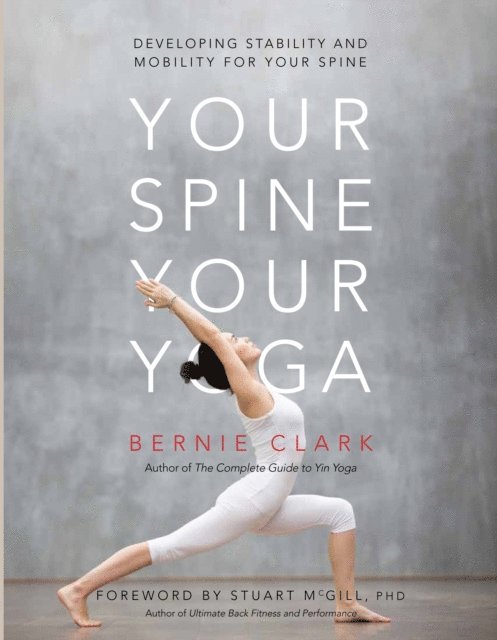
Your Spine, Your Yoga is arguably the first book that looks at the spine fromboth the Western anatomical/biomechanical pointof view and the modern yoga perspective. It is filled with detail, discussion, illustrations, and practicaladvice for spines of all types. This emphasis on variety is welcome and necessary: no two spines are exactlyalike, and no two people have the same biology and biography. What your spine is able to do may be vastlydifferent from what other yoga students’ or teachers’ spines can do.The human spine is unique in itsstructure and function. Primarily, it provides stability through the core of our body, allowing forcesto be transmitted from the upper body (arms and shoulders) to the lower body (pelvis and legs) andvice versa. Secondarily, the spine allows tremendous range of movement. Unfortunately, in modern yogapractice we find the primacy of these two functions reversed, with flexibility prized over stability.This focus on spinal mobility comes at a grave cost to many students. Stability is lost, and when thathappens, dysfunction and pain often follow.Just as all tissues and areas of the body need a healthyamount of stress to regain and maintain optimal health, so too our spine needs the appropriate levelsof stress to remain functional throughout our lives. How we choose to exercise the spine makes adifference, though. Knowing the way the spine is built, specifically, how your spine is built, willallow you to tailor your exercises wisely to match your goals.Your Spine, Your Yoga is the secondbook in the Your Body, Your Yoga series and focuses on the axial body―the core, from the sacral complex,which includes the pelvis, sacrum, and sacroiliac joint, through the lumbar and thoracic segments ofthe spine, to the cervical complex, which includes the neck and head. The structural components ofeach segment are examined: from the bones, to the joints, ligaments, fascia, tendons, muscles, andeven the neurological and blood systems. The range and implications of human variations are presented,as well as the ways these variations may affect individual yoga practices. The sources of restrictionsto movement are investigated through answering the question “What Stops Me?” The answers presentedrun through a spectrum, beginning with various types of tensile resistance to three kinds of compressiveresistance.Whether the reader is a novice to yoga, anatomy, or both, or a seasoned practitioner withan in-depth knowledge in these fields, this book will be valuable. For the novice, there are easilyunderstood illustrations and photographs, as well as sidebars highlighting the most important topics.For the anatomy geek, other sidebars focus on the complexity of the topic, with hundreds of referencesprovided for further investigation. For the yoga teacher, sidebars suggest how to bring this knowledgeinto the classroom. Your Spine, Your Yoga can be used as a resource when specific questions arise,as a textbook to be studied in detail, or as a fascinating coffee-table book to be browsed at leisurefor topics of current interest.
E-bok
Engelska, 2019248 kr
Läs direkt efter köp
This second edition of the best selling The Complete Guide to Yin Yoga provides an in-depth look at the philosophy and practice of Yin Yoga with illustrated sections on how to practice Yin Yoga, including detailed descriptions and photographs of over 30 Yin Yoga asanas. This is an updated version of the book that has become the go-to resource for Yin Yoga teachers all over the world and has been required reading in many teacher training programs.All forms of yoga can provide benefits physically, emotionally, and mentally, however Yin Yoga works the deeper levels of the body/heart/mind: the yin tissues of fascia, tendons, ligaments, joints and bones, as well as the energetic channels of the meridians, nerves and blood system. One big difference noticed by students of Yin Yoga is the long-held, passive nature of the posture, which gives time for a deeper journey to unfold, a journey into the meditative aspects of yoga, a bridge to living life mindfully.The second edition includes-a more functional approach to the practice of yoga, emphasizing the concept of targeted areas; the importance of stress in reducing fragility and building antifragility; understanding the nature of creep and the importance of counterposes, with a revised list of effective counterpostures; many new photographs of the postures and their variations for different body types; a more current overview of the physiology of tissues and the energy body reflecting new understanding in the science of fascia and cellular signaling; and many other enhancements. As in the first edition, the book presents comprehensive information on how to do the practice, including how to get into and out of the pose, contraindications and warnings for those who may have trouble with particular aspects of the posture, and other important information. Why we do the practice is discussed by looking at its benefits in three main sections: the physiological, energetic and mental/emotional benefits.
Häftad, Engelska, 2022
263 kr
Skickas inom 5-8 vardagar
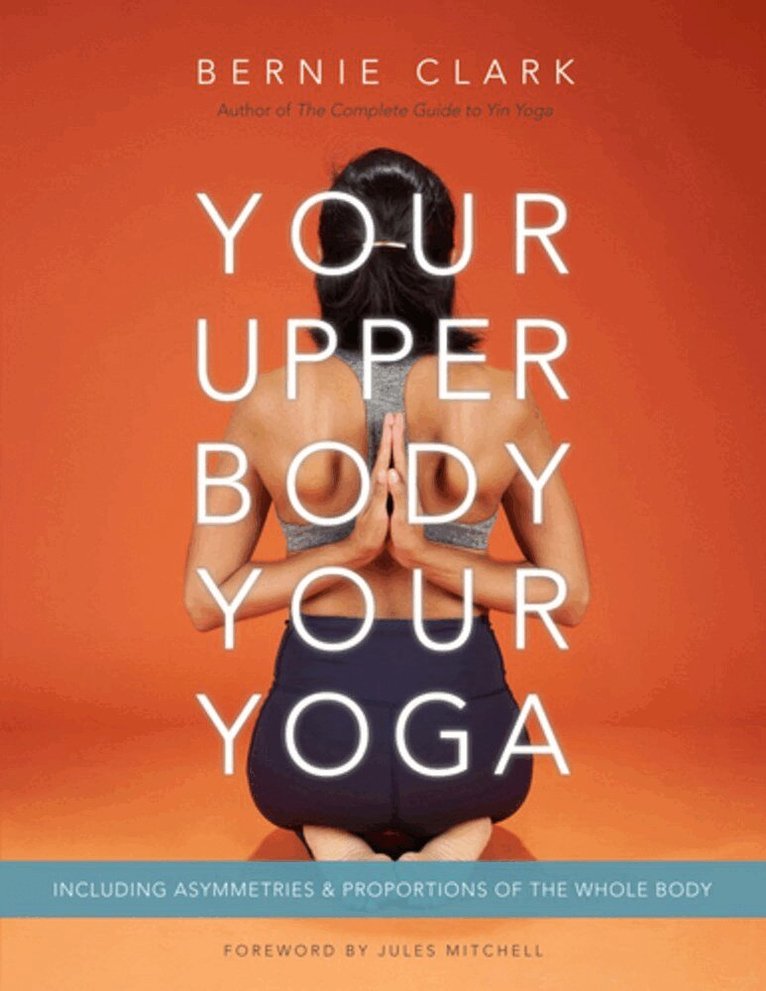
Your Upper Body, Your Yoga is the highly anticipated final book of the Your Body, Your Yoga trilogy — the definitive investigation of how your uniqueness affects your movements, postures and your yoga.This remarkable trilogy looks at the variations of human anatomy and its effect on the body’s biomechanics. Used as a standard text for many yoga teacher training programs it provides yoga students and teachers a system for exploring what asanas are possible and sensible and which postures should best be left alone. This third book in the series looks at the upper body: the shoulder complex, arms and hands. But, there is more. This final book also includes explorations of how asymmetries and proportions affect our practice.You are unique. No one else in this whole world has your biology or biography. Why suppose that your yoga practice should be, or even could be, the same as anyone else’s? How far apart should your hands be in Down Dog? Where should they be pointing? Should you avoid hyperextension of the elbows? Is hyperflexion of the shoulders safe? The answer is — it depends! Your Upper Body, Your Yoga looks at the upper body from both the Western anatomical/biomechanical point of view and the modern yoga perspective. It is filled with detail, discussion, illustrations and practical advice for bodies of all types.Proportions and asymmetries are highly variable from person to person. The implications of asymmetries for a yoga practice and whether these asymmetries need to be changed, accommodated or simply accepted is examined along with variability in our proportions and their effect on postures. Whether the reader is a novice to yoga and anatomy or a seasoned practitioner with an in-depth knowledge, this book will be valuable. For the novice, there are easily understood illustrations and photographs, as well as sidebars highlighting the most important topics. For the anatomy specialists, other sidebars focus on the complexity of the topic, with hundreds of references provided for further investigation. For the yoga teacher, other sidebars suggest how to bring this knowledge into the classroom. Your Upper Body, Your Yoga can be used as a resource when specific questions arise, as a textbook to be studied in detail, or as a fascinating coffee-table book to be browsed at leisure for topics of current interest.
E-bok
Engelska, 2022236 kr
Läs direkt efter köp
Your Upper Body, Your Yoga is the highly anticipated final book of the Your Body, Your Yoga trilogy the definitive investigation of how your uniqueness affects your movements, postures and your yoga.This remarkable trilogy looks at the variations of human anatomy and its effect on the body s biomechanics. Used as a standard text for many yoga teacher training programs it provides yoga students and teachers a system for exploring what asanas are possible and sensible and which postures should best be left alone. This third book in the series looks at the upper body: the shoulder complex, arms and hands. But, there is more. This final book also includes explorations of how asymmetries and proportions affect our practice.You are unique. No one else in this whole world has your biology or biography. Why suppose that your yoga practice should be, or even could be, the same as anyone else s? How far apart should your hands be in Down Dog? Where should they be pointing? Should you avoid hyperextension of the elbows? Is hyperflexion of the shoulders safe? The answer is it depends! Your Upper Body, Your Yoga looks at the upper body from both the Western anatomical/biomechanical point of view and the modern yoga perspective. It is filled with detail, discussion, illustrations and practical advice for bodies of all types. Proportions and asymmetries are highly variable from person to person. The implications of asymmetries for a yoga practice and whether these asymmetries need to be changed, accommodated or simply accepted is examined along with variability in our proportions and their effect on postures. Whether the reader is a novice to yoga and anatomy or a seasoned practitioner with an in-depth knowledge, this book will be valuable. For the novice, there are easily understood illustrations and photographs, as well as sidebars highlighting the most important topics. For the anatomy specialists, other sidebars focus on the complexity of the topic, with hundreds of references provided for further investigation. For the yoga teacher, other sidebars suggest how to bring this knowledge into the classroom. Your Upper Body, Your Yoga can be used as a resource when specific questions arise, as a textbook to be studied in detail, or as a fascinating coffee-table book to be browsed at leisure for topics of current interest.
Häftad, Engelska, 2026
261 kr
Skickas inom 5-8 vardagar
What is prana?Is it just breath? A metaphor for spirit? A biological energy? Or something more?In Prana: One Breath, Many Worlds, Bernie Clark—author of the bestselling The Complete Guide to Yin Yoga—invites readers on a journey through ancient myths, spiritual practices, and cutting-edge science in search of one of yoga’s most mysterious and foundational ideas: prana. Blending historical scholarship with personal experience, Clark weaves a tapestry of stories that explore prana as fire, wind, water, and breath—moving from shamanic roots to temple rituals, from the Upanishads to Theosophy, from early Greek philosophy to modern yoga retreats.Combining rigorous research with captivating storytelling, the book offers:A deep dive into the spiritual and scientific roots of breath across culturesPersonal vignettes and retreat experiences that ground the philosophy in lived practiceInsightful comparisons of Eastern and Western views of soul, spirit, and vitalityA mythological exploration of symbols like serpents, trees, water, and the starsPart memoir, part history, part philosophical reflection, Prana offers an illuminating exploration of the life force that animates us all. Whether you are a yoga teacher, student, philosopher, or simply a seeker of deeper truths, this book will expand your understanding—and your breath.
E-bok
Engelska, 2025141 kr
Läs direkt efter köp
What is prana?Is it just breath? A metaphor for spirit? A biological energy? Or something more?InPrana: One Breath, Many Worlds, Bernie Clarkauthor of the bestsellingThe Complete Guide to Yin Yogainvites readers on a journey through ancient myths, spiritual practices, and cutting-edge science in search of one of yogas most mysterious and foundational ideas: prana. Blending historical scholarship with personal experience, Clark weaves a tapestry of stories that explore prana as fire, wind, water, and breathmoving from shamanic roots to temple rituals, from the Upanishads to Theosophy, from early Greek philosophy to modern yoga retreats.Combining rigorous research with captivating storytelling, the book offers:A deep dive into the spiritual and scientific roots of breath across culturesPersonal vignettes and retreat experiences that ground the philosophy in lived practiceInsightful comparisons of Eastern and Western views of soul, spirit, and vitalityA mythological exploration of symbols like serpents, trees, water, and the starsPart memoir, part history, part philosophical reflection,Pranaoffers an illuminating exploration of the life force that animates us all. Whether you are a yoga teacher, student, philosopher, or simply a seeker of deeper truths, this book will expand your understandingand your breath.
Häftad, Tyska, 2018
361 kr
Skickas inom 3-6 vardagar
Häftad, Tyska, 2022
337 kr
Skickas inom 3-6 vardagar
Häftad, Tyska, 2018
314 kr
Skickas inom 3-6 vardagar