Bieke Willem - Böcker
Visar alla böcker från författaren Bieke Willem. Handla med fri frakt och snabb leverans.
3 produkter
3 produkter
628 kr
Skickas
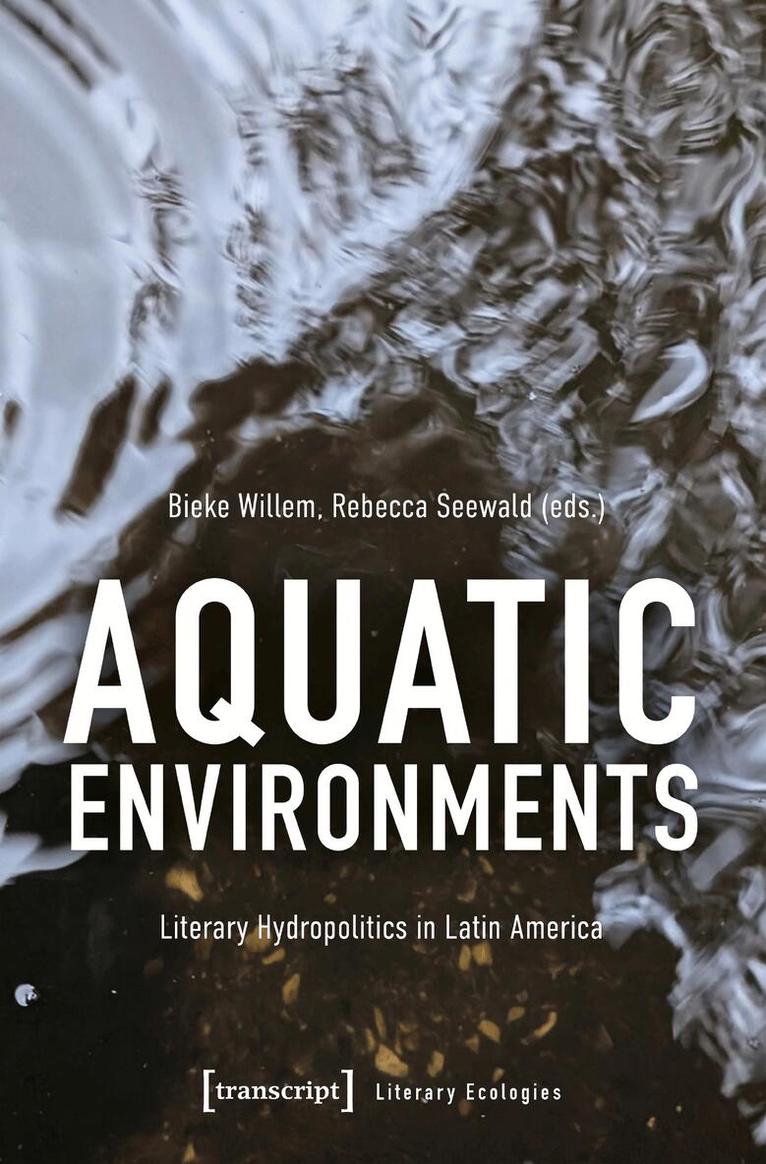
From pre-Columbian times till today, human interventions in aquatic environments have been shaping the geopolitics of Latin America – the technologies related to irrigation, the use of rivers as borders or transportation routes, as well as the management of drinking water. The contributors to this volume examine the relationship between water and politics in Latin America via readings of both renowned and upcoming writers. They focus on the web of power relations and practices generated by these interventions in Latin American fiction and poetry. They reveal literary strategies that make it possible to share knowledge about other ways of organizing life in aquatic environments.
178 kr
Skickas inom 5-8 vardagar
Del 52 - Foro Hispánico
El espacio narrativo en la novela chilena postdictatorial
casas habitadas
Inbunden, Spanska, 2016
2 532 kr
Skickas inom 5-8 vardagar
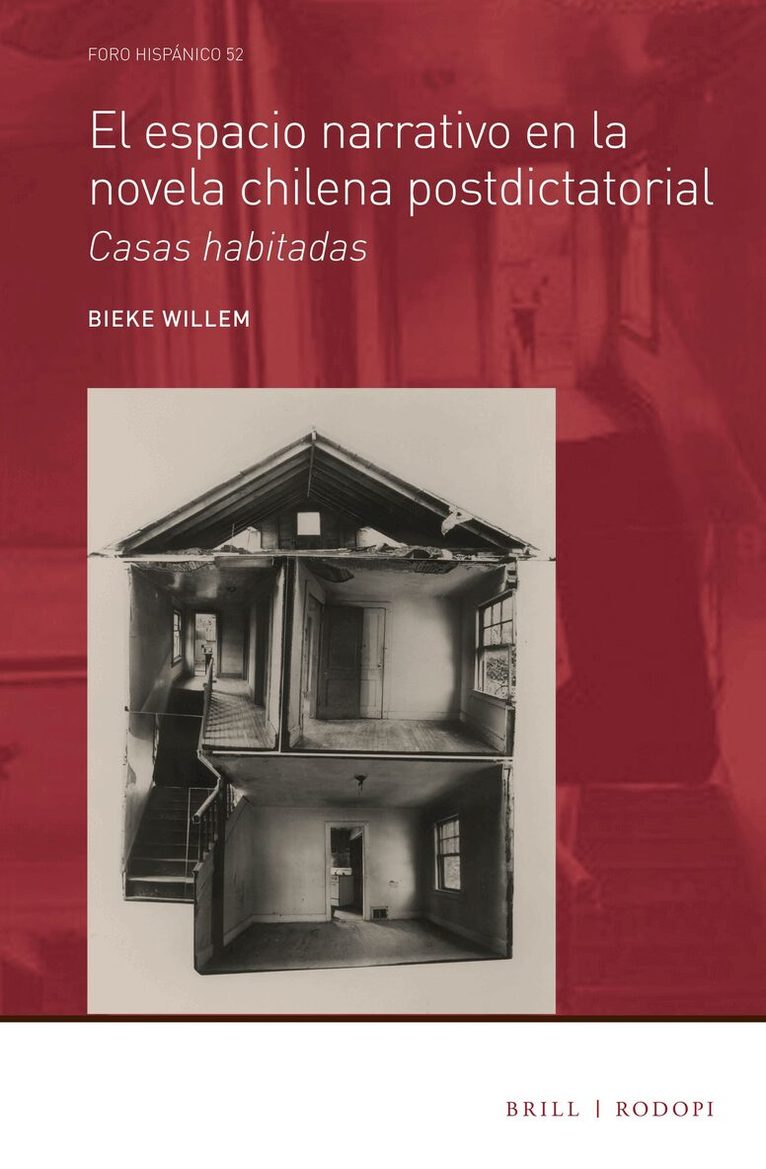
In El espacio narrativo en la novela chilena postdictatorial, Bieke Willem undertakes an analysis of the representation of space to identify a change in the poetics of recent fiction in Chile. Through a series of close readings of eight novels by some of Chile’s most influential contemporary writers (Eltit, Marín, Bolaño, Fernández, Zambra and Zúñiga), she examines how Chilean authors in the period following the dictatorship deal in a melancholic or nostalgic way with the recent past and with changes in the meaning of space. The book combines reflections on literature, sociology, architecture and urbanism to paint a picture of what it means for these authors to be living in contemporary Chile.En El espacio narrativo en la novela chilena postdictatorial, Bieke Willem define un cambio de paradigma poético en la narrativa chilena más reciente a partir de un análisis de la representación del espacio. A través del estudio detallado de ocho novelas escritas por los autores chilenos contemporáneos más influyentes (Eltit, Marín, Bolaño, Fernández, Zambra y Zúñiga), Willem examina cómo estos novelistas reelaboran el concepto del espacio después de la dictadura y se acercan de una manera melancólica o nostálgica al pasado reciente. El libro combina el estudio literario con otras disciplinas como la sociología, la arquitectura y el urbanismo para esbozar una imagen de qué significa para los autores vivir en el Chile y en el mundo contemporáneos.