
Häftad, Engelska, 2004
219 kr
Skickas inom 5-8 vardagar
219 kr
Skickas inom 5-8 vardagar
276 kr
Skickas inom 5-8 vardagar
219 kr
Skickas inom 5-8 vardagar
121 kr
Skickas inom 5-8 vardagar
234 kr
Läs direkt efter köp
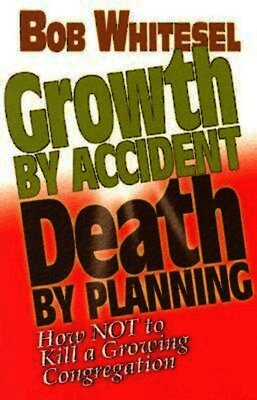
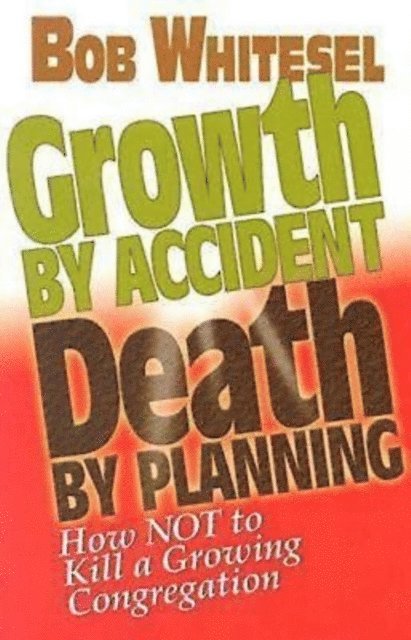
It is a familiar experience. A congregation that had been growing in numbers and spiritual vitality reaches a plateau and then begins to decline. Most of the time, the plateau occurs long before the church arrives at the optimum number of members it hoped to attract. What has happened here? Why does growth slow down, stop, and then decline? The real question to ask, says Bob Whitesel, is why the church grew in the first place. Most of the time young, growing churches make a series of decisions based not upon careful planning and analysis, but rather upon necessity and intuition. Thus these decisions are not planned strategies, but strategies that often occur by accident, owing their genesis to circumstance. These unplanned strategic decisions are driven not by knowledge, but often simply by the church''s environment. When that growth slows, these same churches begin to engage in more careful planning. The problem is that this planning so often ignores the considerations and decisions that led to the church''s growth to begin with. The result is stagnation and eventual decline. In the plain, direct style that is his hallmark, Whitesel lays out where churches go wrong in their planning for growth and how they can correct themselves. He does so by looking at three related phenomena: first, the factors that cause initial growth; second, the erroneous decisions that lead to getting stuck on the plateau; and finally, corrective steps that churches can take to regain growth and vitality.
234 kr
Läs direkt efter köp
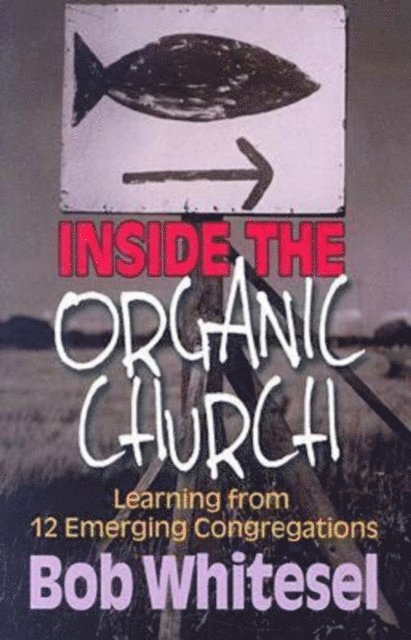
A new generation of churches is emerging, calling new disciples to the way of Jesus by proclaiming the Good News and seeking the transformation of culture. Bob Whitesel takes us inside congregations that draw upon ancient traditions and modern technologies to create a spiritual community and shows how the practices of the "organic church" can be instructive for all those wishing to reach today''s world with the gospel of Christ. Bob Whitesel is Associate Professor in the Department of Graduate Studies in Ministry at Indiana Wesleyan University in Marion, Indiana. A sought-after speaker and conference leader, he is the author of several books, including Growth by Accident, Death by Planning, also published by Abingdon Press.
234 kr
Läs direkt efter köp
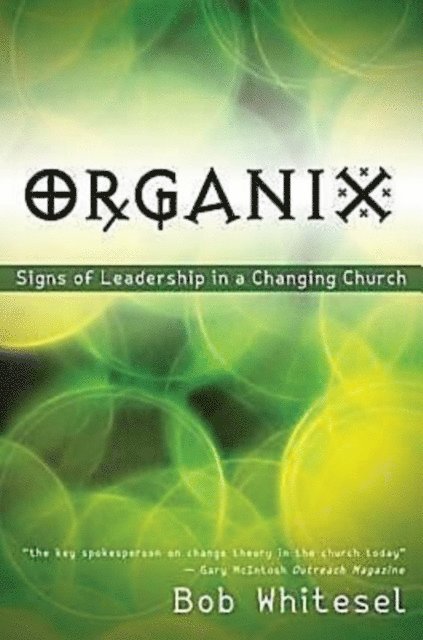
Does your leadershipstyle fit new ways of doing church--leadership that is organic and elasticand that finds ways to seize God-given opportunities? Looking back anddrawing on the ancient Christian tradition, Bob Whitesel describes seven traitsfor successful leadership, which he characterizes by seven symbols:O (the Greek symbol theta) – the firstletter of the Greek word theosstresses that God is the source of the burden for others and provides the powerto help them.Rx (the medical prescription symbol) – an emphasis on addressing the spiritual and physical health of leaders.G (a stylized “G” for “graffiti”)– the edgy, colorful, and artful collages that help define contemporaryorganizations.A (inspired by the recyclesymbol) – the idea of recycling places, experiences and people rather thandiscarding them.N - emerging networks thatc9onnect people more quickly, efficiently, precisely and continuously.I - an emphasis on “incarnation”,a going “in the flesh” to serve others rather than sending surrogates.X (the Jerusalem crosswith a number in each quadrant) – four types of measurement observed inJerusalem (Acts 2:42-47), which at their core point to Christ’s work on thecross.Taken together, these symbols spell out the word “organix” and represent a fundamentally new way to think about your church and how you can best lead.