Bohumil Havel – författare
1 121 kr
Skickas inom 3-6 vardagar
1 340 kr
Läs direkt efter köp
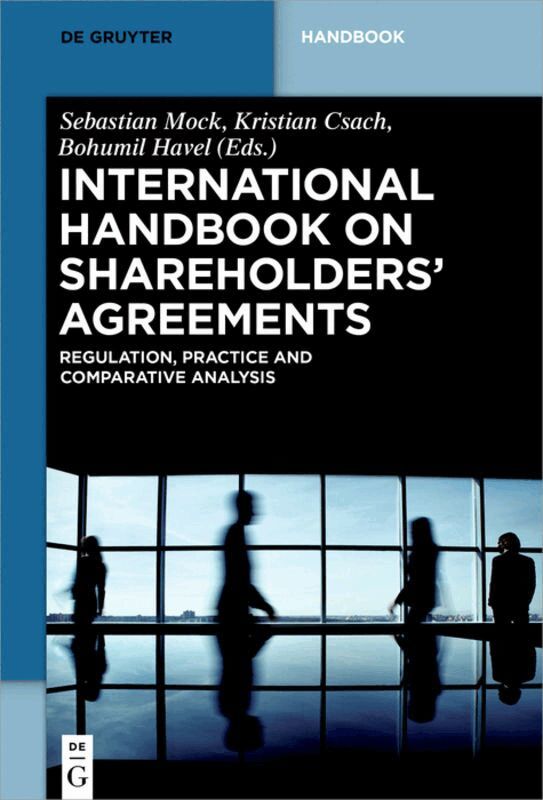
Shareholders´ Agreements have a growing influence on the general understanding of corporate law since they bind not only the shareholders but also affect the constitution of the corporation and can have a severe impact on capital markets. Therefore, Shareholders´ Agreements are more and more subject to regulation in corporate, capital market and also insolvency law on the national, the European and the international level. This handbook provides a general examination of conceptual questions of Shareholders´ Agreements and provides an analysis of the regulation of Shareholders´ Agreements in European and international law and of the national law of more than 20 jurisdictions. Readers will get a general understanding of the theoretical and practical problems involved with Shareholders´ Agreements and detailed information on the regulation of Shareholders´ Agreements in several jurisdictions and the applicable law in the case of transnational corporations and cross-border transactions.
1 340 kr
Läs direkt efter köp
Shareholders´ Agreements have a growing influence on the general understanding of corporate law since they bind not only the shareholders but also affect the constitution of the corporation and can have a severe impact on capital markets. Therefore, Shareholders´ Agreements are more and more subject to regulation in corporate, capital market and also insolvency law on the national, the European and the international level. This handbook provides a general examination of conceptual questions of Shareholders´ Agreements and provides an analysis of the regulation of Shareholders´ Agreements in European and international law and of the national law of more than 20 jurisdictions. Readers will get a general understanding of the theoretical and practical problems involved with Shareholders´ Agreements and detailed information on the regulation of Shareholders´ Agreements in several jurisdictions and the applicable law in the case of transnational corporations and cross-border transactions.
962 kr
Skickas inom 5-8 vardagar
812 kr
Läs direkt efter köp
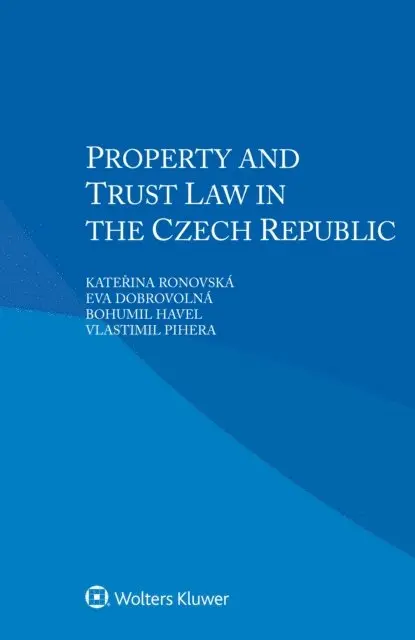
Derived from the renowned multi-volume International Encyclopaedia of Laws, this practical analysis of the law of property in the Czech Republic deals with the issues related to rights and interests in all kinds of property and assets-immovable, movable, and personal property; how property rights are acquired; fiduciary mechanisms; and security considerations. Lawyers who handle transnational disputes and other matters concerning property will appreciate the explanation of specific terminology, application, and procedure.
An introduction outlining the essential legal, cultural, and historical considerations affecting property is followed by a discussion of the various types of property. Further analysis describes how and to what extent legal subjects can have or obtain rights and interests in each type. The coverage includes tangible and intangible property, varying degrees of interest, and the various ways in which property is transferred, including the ramifications of appropriation, expropriation, and insolvency. Facts are presented in such a way that readers who are unfamiliar with specific terms and concepts in varying contexts will fully grasp their meaning and significance. The book includes ample references to doctrine and cases, as well as to relevant international treaties and conventions.
Its succinct yet scholarly nature, as well as the practical quality of the information it provides, make this book a valuable time-saving tool for any practitioner faced with a property-related matter. Lawyers representing parties with interests in the Czech Republic will welcome this very useful guide, and academics and researchers will appreciate its value in the study of comparative property law.
812 kr
Läs direkt efter köp
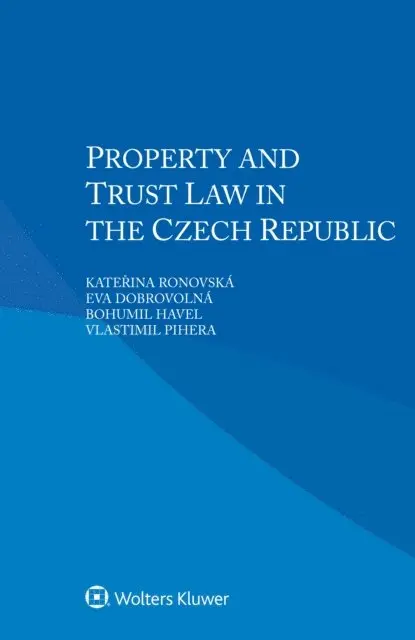
Derived from the renowned multi-volume International Encyclopaedia of Laws, this practical analysis of the law of property in the Czech Republic deals with the issues related to rights and interests in all kinds of property and assets-immovable, movable, and personal property; how property rights are acquired; fiduciary mechanisms; and security considerations. Lawyers who handle transnational disputes and other matters concerning property will appreciate the explanation of specific terminology, application, and procedure.
An introduction outlining the essential legal, cultural, and historical considerations affecting property is followed by a discussion of the various types of property. Further analysis describes how and to what extent legal subjects can have or obtain rights and interests in each type. The coverage includes tangible and intangible property, varying degrees of interest, and the various ways in which property is transferred, including the ramifications of appropriation, expropriation, and insolvency. Facts are presented in such a way that readers who are unfamiliar with specific terms and concepts in varying contexts will fully grasp their meaning and significance. The book includes ample references to doctrine and cases, as well as to relevant international treaties and conventions.
Its succinct yet scholarly nature, as well as the practical quality of the information it provides, make this book a valuable time-saving tool for any practitioner faced with a property-related matter. Lawyers representing parties with interests in the Czech Republic will welcome this very useful guide, and academics and researchers will appreciate its value in the study of comparative property law.