Boris Faybishenko – författare
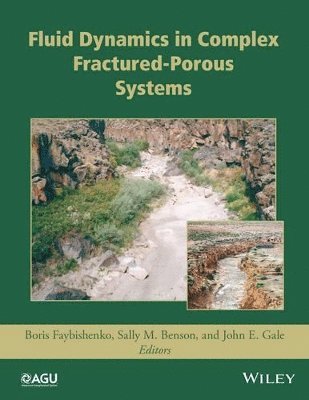
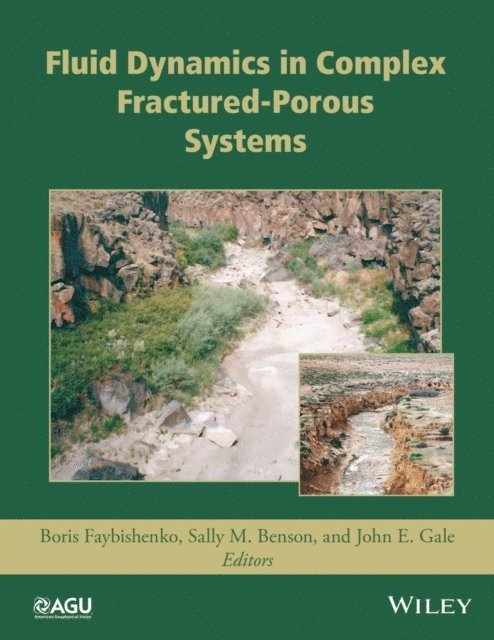
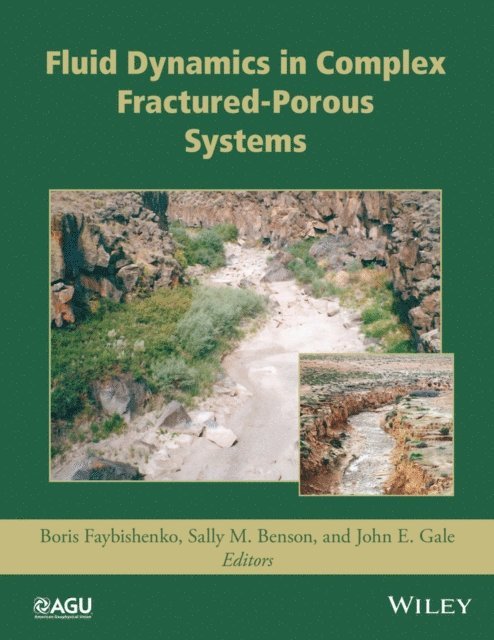
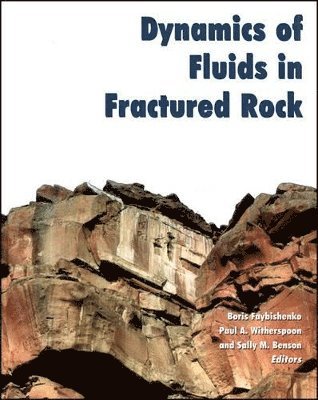
Fluid Dynamics in Complex Fractured-Porous Systems
1 970 kr
Skickas inom 11-20 vardagar
2 228 kr
Läs direkt efter köp
This monograph addresses fundamental and applied scientific questions and is intended to assist scientists and practitioners bridge gaps in the current scientific knowledge in the areas of theoretical fluids dynamics, field measurements, and experiments for different practical applications. Readers of this book will include researchers, engineers, and professionals within academia, Federal agencies, and industry, as well as graduate/undergraduate students involved in theoretical, experimental, and numerical modeling studies of fluid dynamics and reactive chemical transport in the unsaturated and saturated zones, including studies pertaining to petroleum and geothermal reservoirs, environmental management and remediation, mining, gas storage, and radioactive waste isolation in underground repositories.
Volume highlights include discussions of the following:
Fundamentals of using a complex systems approach to describe flow and transport in fractured-porous media. Methods of Field Measurements and Experiments Collective behavior and emergent properties of complex fractured rock systems Connection to the surrounding environment Multi-disciplinary research for different applications2 228 kr
Läs direkt efter köp
This monograph addresses fundamental and applied scientific questions and is intended to assist scientists and practitioners bridge gaps in the current scientific knowledge in the areas of theoretical fluids dynamics, field measurements, and experiments for different practical applications. Readers of this book will include researchers, engineers, and professionals within academia, Federal agencies, and industry, as well as graduate/undergraduate students involved in theoretical, experimental, and numerical modeling studies of fluid dynamics and reactive chemical transport in the unsaturated and saturated zones, including studies pertaining to petroleum and geothermal reservoirs, environmental management and remediation, mining, gas storage, and radioactive waste isolation in underground repositories.
Volume highlights include discussions of the following:
Fundamentals of using a complex systems approach to describe flow and transport in fractured-porous media. Methods of Field Measurements and Experiments Collective behavior and emergent properties of complex fractured rock systems Connection to the surrounding environment Multi-disciplinary research for different applicationsGroundwater Vulnerability
Chernobyl Nuclear Disaster
728 kr
Skickas inom 5-8 vardagar
809 kr
Läs direkt efter köp
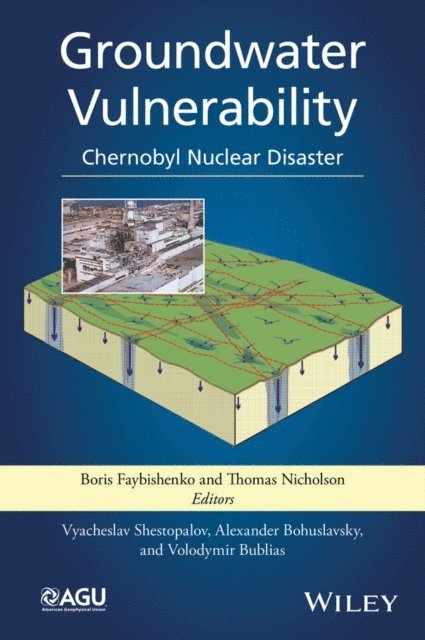
The Chernobyl Nuclear Power Plant (NPP) disaster that occurred in Ukraine on April 26, 1986, was one of the most devastating in human history. Using this as a case study, the AGU monograph Groundwater Vulnerability: Chernobyl Nuclear Disaster is devoted to the problem of groundwater vulnerability, where the results of long-term field and modeling investigations of radionuclide transport in soil and groundwater, within the Ukrainian part of the Dnieper River basin (Kyiv region of Ukraine), are discussed. The authors provide a comprehensive review of existing literature on the assessment of groundwater vulnerability and then describe an improved methodology, which is developed based on integration of the methods of hydrogeological zonation and modeling of anomalously fast migration of radioactive contaminants from the land surface toward groundwater. This volume also includes the evaluation of the effect of preferential and episodic flow on transport of radionuclides toward the aquifers and risk assessment of groundwater vulnerability, which can further assist future researchers in developing remediation technologies for improving drinking water quality. Further, this volume sheds light on the consequences of groundwater contamination from nuclear disasters and assists with assessing the risks associated with contamination and developing effective remediation technologies.
Volume highlights include discussions of the following:
Assessment of groundwater vulnerability to contamination from the Chernobyl nuclear disaster Novel analytical results of the 25-year investigations of groundwater contamination caused by Chernobyl-born radionuclides The wealth of data on different modes of radioactive transport in the atmosphere, water, and soils, and along the food chains The hydrogeological and physico-chemical processes and factors in groundwater contaminated zones The applicability of commonly used methods of the evaluation of groundwater vulnerability A unique method of fluid dynamics that involves an anomalously fast migration of contaminants through zones of preferential flow from the land surface toward groundwater Building confidence in the assessment of migration pathways of radionuclides in the biosphere Assessment and prediction of the consequences of the nuclear accident, which can shed light on protection from global nuclear accidents Analogue information for different nuclear waste disposal and environmental projects around the world824 kr
Läs direkt efter köp
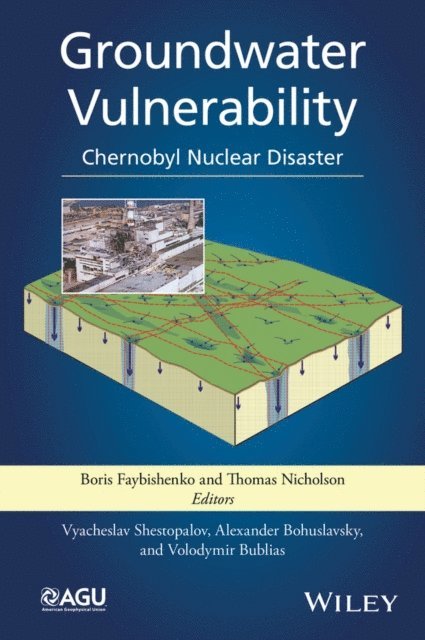
The Chernobyl Nuclear Power Plant (NPP) disaster that occurred in Ukraine on April 26, 1986, was one of the most devastating in human history. Using this as a case study, the AGU monograph Groundwater Vulnerability: Chernobyl Nuclear Disaster is devoted to the problem of groundwater vulnerability, where the results of long-term field and modeling investigations of radionuclide transport in soil and groundwater, within the Ukrainian part of the Dnieper River basin (Kyiv region of Ukraine), are discussed. The authors provide a comprehensive review of existing literature on the assessment of groundwater vulnerability and then describe an improved methodology, which is developed based on integration of the methods of hydrogeological zonation and modeling of anomalously fast migration of radioactive contaminants from the land surface toward groundwater. This volume also includes the evaluation of the effect of preferential and episodic flow on transport of radionuclides toward the aquifers and risk assessment of groundwater vulnerability, which can further assist future researchers in developing remediation technologies for improving drinking water quality. Further, this volume sheds light on the consequences of groundwater contamination from nuclear disasters and assists with assessing the risks associated with contamination and developing effective remediation technologies.
Volume highlights include discussions of the following:
Assessment of groundwater vulnerability to contamination from the Chernobyl nuclear disaster Novel analytical results of the 25-year investigations of groundwater contamination caused by Chernobyl-born radionuclides The wealth of data on different modes of radioactive transport in the atmosphere, water, and soils, and along the food chains The hydrogeological and physico-chemical processes and factors in groundwater contaminated zones The applicability of commonly used methods of the evaluation of groundwater vulnerability A unique method of fluid dynamics that involves an anomalously fast migration of contaminants through zones of preferential flow from the land surface toward groundwater Building confidence in the assessment of migration pathways of radionuclides in the biosphere Assessment and prediction of the consequences of the nuclear accident, which can shed light on protection from global nuclear accidents Analogue information for different nuclear waste disposal and environmental projects around the world2 178 kr
Skickas inom 5-8 vardagar
2 495 kr
Läs direkt efter köp
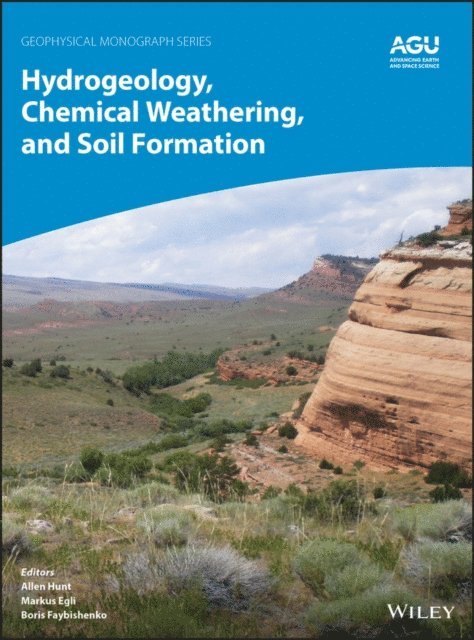
Explores soil as a nexus for water, chemicals, and biologically coupled nutrient cycling
Soil is a narrow but critically important zone on Earth''s surface. It is the interface for water and carbon recycling from above and part of the cycling of sediment and rock from below.
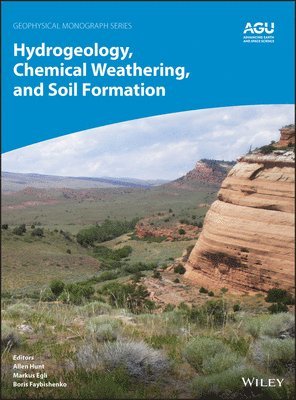
Hydrogeology, Chemical Weathering, and Soil Formation places chemical weathering and soil formation in its geological, climatological, biological and hydrological perspective.
Volume highlights include:
The evolution of soils over 3.25 billion years Basic processes contributing to soil formation How chemical weathering and soil formation relate to water and energy fluxes The role of pedogenesis in geomorphology Relationships between climate soils and biota Soils, aeolian deposits, and crusts as geologic dating tools Impacts of land-use change on soilsThe American Geophysical Union promotes discovery in Earth and space science for the benefit of humanity. Its publications disseminate scientific knowledge and provide resources for researchers, students, and professionals.
Find out more about this book from this Q&A with the Editors
2 473 kr
Läs direkt efter köp
Explores soil as a nexus for water, chemicals, and biologically coupled nutrient cycling
Soil is a narrow but critically important zone on Earth''s surface. It is the interface for water and carbon recycling from above and part of the cycling of sediment and rock from below.
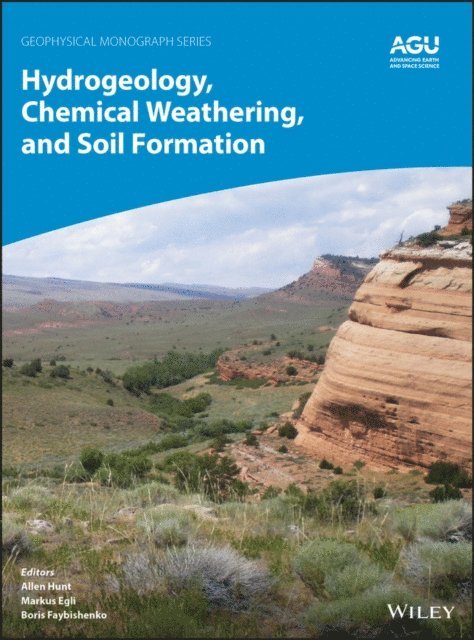
Hydrogeology, Chemical Weathering, and Soil Formation places chemical weathering and soil formation in its geological, climatological, biological and hydrological perspective.
Volume highlights include:
The evolution of soils over 3.25 billion years Basic processes contributing to soil formation How chemical weathering and soil formation relate to water and energy fluxes The role of pedogenesis in geomorphology Relationships between climate soils and biota Soils, aeolian deposits, and crusts as geologic dating tools Impacts of land-use change on soilsThe American Geophysical Union promotes discovery in Earth and space science for the benefit of humanity. Its publications disseminate scientific knowledge and provide resources for researchers, students, and professionals.
Find out more about this book from this Q&A with the Editors
2 035 kr
Skickas inom 5-8 vardagar
2 295 kr
Läs direkt efter köp
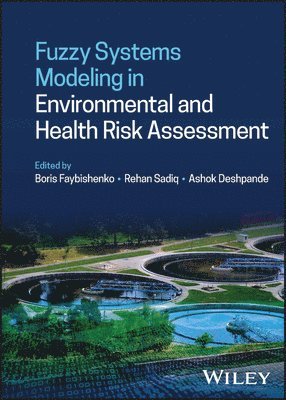
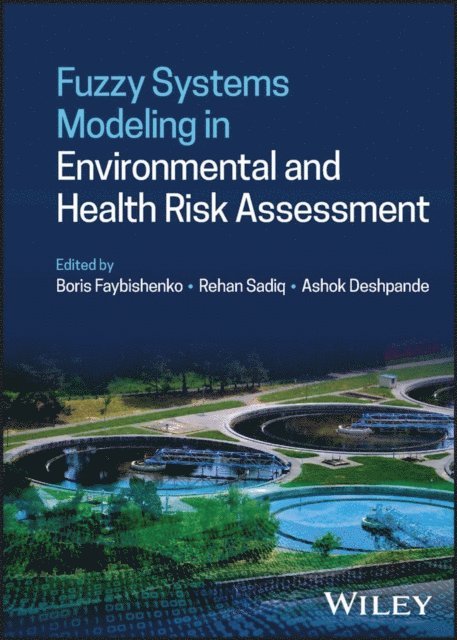
Demonstrates the successful application of fuzzy systems modeling to real-world environmental and health problems
In Fuzzy Systems Modeling in Environmental and Health Risk Assessment, a team of distinguished researchers delivers an up-to-date collection of the most successful and innovative attempts to apply fuzzy logic to problems involving environmental risk assessment, healthcare decision-making, the management of water distribution networks, and the optimization of water treatment and waste management systems.
By explaining both the theoretical and practical aspects of using fuzzy systems modeling methods to solve complex problems, analyze risks and optimize system performance, this handy guide maintains a strongly application-oriented perspective throughout, offering readers a practical treatment of a cutting-edge subject.
Readers will also find:
Comprehensive explorations of the practical applications of fuzzy systems modeling in environmental science Practical advice on environmental quality assessments and human health risk analyses In-depth case studies involving air and water pollution, solid waste, indoor swimming pool and landfill risk assessments, wastewater treatment, and morePerfect for environmental engineers and scientists, Fuzzy Systems Modeling in Environmental and Health Risk Assessment will also benefit policy makers, computer scientists, mathematicians, and researchers and practitioners interested in applying soft computing theories to environmental problems.
2 274 kr
Läs direkt efter köp
Demonstrates the successful application of fuzzy systems modeling to real-world environmental and health problems
In Fuzzy Systems Modeling in Environmental and Health Risk Assessment, a team of distinguished researchers delivers an up-to-date collection of the most successful and innovative attempts to apply fuzzy logic to problems involving environmental risk assessment, healthcare decision-making, the management of water distribution networks, and the optimization of water treatment and waste management systems.
By explaining both the theoretical and practical aspects of using fuzzy systems modeling methods to solve complex problems, analyze risks and optimize system performance, this handy guide maintains a strongly application-oriented perspective throughout, offering readers a practical treatment of a cutting-edge subject.
Readers will also find:
Comprehensive explorations of the practical applications of fuzzy systems modeling in environmental science Practical advice on environmental quality assessments and human health risk analyses In-depth case studies involving air and water pollution, solid waste, indoor swimming pool and landfill risk assessments, wastewater treatment, and morePerfect for environmental engineers and scientists, Fuzzy Systems Modeling in Environmental and Health Risk Assessment will also benefit policy makers, computer scientists, mathematicians, and researchers and practitioners interested in applying soft computing theories to environmental problems.
675 kr
Tillfälligt slut