Bradley Lynn Coleman – författare
595 kr
Skickas inom 3-6 vardagar
482 kr
Läs direkt efter köp
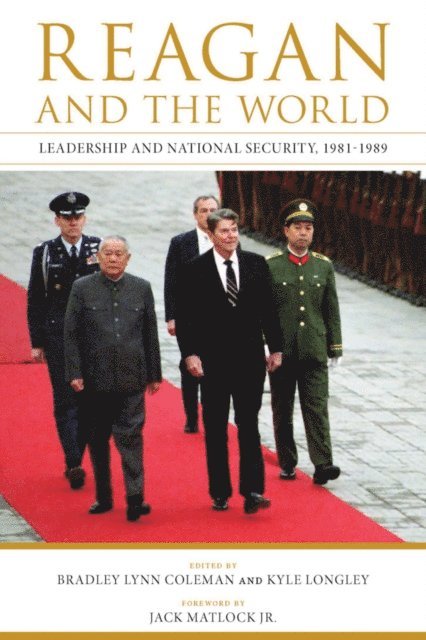
Throughout his presidency, Ronald Reagan sought "peace through strength" during an era of historic change. In the decades since, pundits and scholars have argued over the president''s legacy: some consider Reagan a charismatic and consummate leader who renewed American strength and defeated communism. To others he was an ambitious and dangerous warmonger whose presidency was plagued with mismanagement, misconduct, and foreign policy failures. The recent declassification of Reagan administration records and the availability of new Soviet documents has created an opportunity for more nuanced, complex, and compelling analyses of this pivotal period in international affairs.
In Reagan and the World, leading scholars and national security professionals offer fresh interpretations of the fortieth president''s influence on American foreign policy. This collection addresses Reagan''s management of the US national security establishment as well as the influence of Secretary of Defense Caspar Weinberger and others in the administration and Congress. The contributors present in-depth explorations of US-Soviet relations and American policy toward Asia, Latin America, Europe, and the Middle East. This balanced and sophisticated examination reveals the complexity of Reagan''s foreign policy, clarifies the importance of other international actors of the period, and provides new perspectives on the final decade of the Cold War.
160 kr
Läs direkt efter köp
Essays on a presidency during a pivotal period in international affairs, informed by newly declassified documents. Throughout his presidency, Ronald Reagan sought “peace through strength” during an era of historic change. In the decades since, pundits and scholars have argued over the president’s legacy: Some consider Reagan a charismatic and consummate leader who renewed American strength and defeated communism; to others he was an ambitious and dangerous warmonger whose presidency was plagued with mismanagement, misconduct, and foreign policy failures. The recent declassification of Reagan administration records and the availability of new Soviet documents has created an opportunity for more nuanced, complex, and compelling analyses of this pivotal period in international affairs. In Reagan and the World, leading scholars and national security professionals offer fresh interpretations of the fortieth president's influence on American foreign policy. This collection addresses Reagan's management of the US national security establishment as well as the influence of Secretary of Defense Caspar Weinberger and others in the administration and Congress. The contributors present in-depth explorations of US-Soviet relations and American policy toward Asia, Latin America, Europe, and the Middle East. This balanced and sophisticated examination reveals the complexity of Reagan's foreign policy, clarifies the importance of other international actors of the period, and provides new perspectives on the final decade of the Cold War. “Filled with lessons for current and future leaders . . . help[s] us understand how the past shapes the world today, including the intricate US relationship with Russia.” ―Admiral James G. Stavridis, U.S. Navy (ret.), former Supreme Allied Commander, NATO
530 kr
Läs direkt efter köp
This book will also be available in the following formats: e-book, audio book, and large-print paperback. Visit www.caravanbooks.org for details.
A valuable addition to the New Studies in U.S. Foreign Relations Series
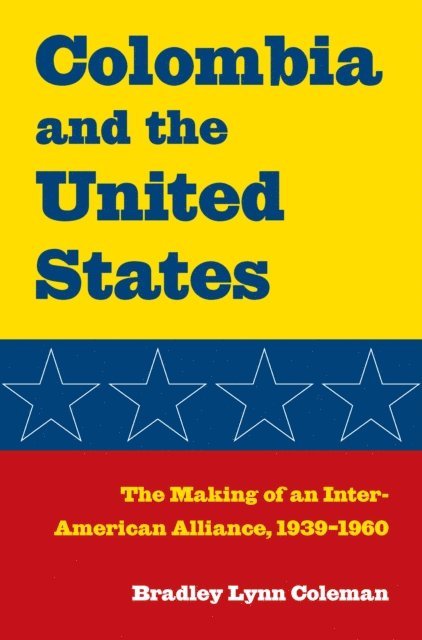
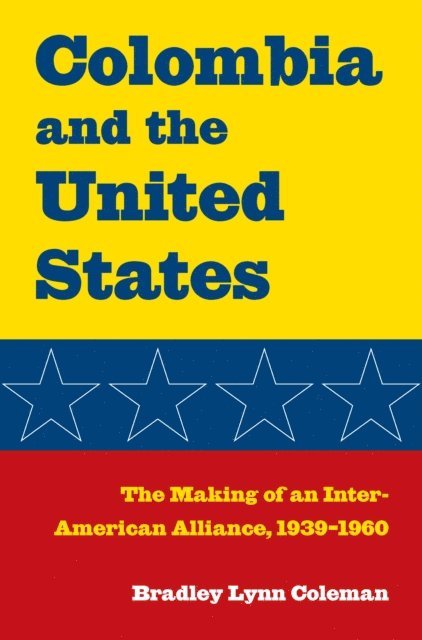
World War II and the Cold War transformed U.S.-Colombian security relations. The republics first partnered to defend the Western Hemisphere during World War II, a wartime affiliation that promoted hemispheric solidarity, inter-American military readiness, and regional stability. After the war, Colombian and U.S. combat units fought together in Korea. A Colombian infantry battalion and frigate joined the U.S.-led United Nations Command in 1951; Colombian soldiers later served with the United Nations Emergency Force during the Suez Conflict (1956–1958). Soon thereafter, Colombian and American authorities began focusing on Colombian internal security problems, particularly issues associated with the domestic political, social, and religious convulsion known as la Violencia (1946–1958). In doing so, the two countries had formed the basis of the modern Colombian-American partnership.
Placing the bilateral relationship in a global context, this military and diplomatic history examines the importance of ideology, material interests, and power in U.S.-Latin American relations. Historian Bradley Coleman demonstrates how the making of the Colombian-American alliance exemplified hemispheric interconnectedness, a condition of ever-growing importance in the twenty-first century.
Employing available Colombian and U.S. archival sources, this book fills a gap in the literature on U.S. relations with less developed countries and provides new research on the origins an development of the U.S–Colombian alliance that will serve as an invaluable resource for scholars of U.S. and Latin American diplomacy.
530 kr
Läs direkt efter köp
This book will also be available in the following formats: e-book, audio book, and large-print paperback. Visit www.caravanbooks.org for details.
A valuable addition to the New Studies in U.S. Foreign Relations Series
World War II and the Cold War transformed U.S.-Colombian security relations. The republics first partnered to defend the Western Hemisphere during World War II, a wartime affiliation that promoted hemispheric solidarity, inter-American military readiness, and regional stability. After the war, Colombian and U.S. combat units fought together in Korea. A Colombian infantry battalion and frigate joined the U.S.-led United Nations Command in 1951; Colombian soldiers later served with the United Nations Emergency Force during the Suez Conflict (1956–1958). Soon thereafter, Colombian and American authorities began focusing on Colombian internal security problems, particularly issues associated with the domestic political, social, and religious convulsion known as la Violencia (1946–1958). In doing so, the two countries had formed the basis of the modern Colombian-American partnership.
Placing the bilateral relationship in a global context, this military and diplomatic history examines the importance of ideology, material interests, and power in U.S.-Latin American relations. Historian Bradley Coleman demonstrates how the making of the Colombian-American alliance exemplified hemispheric interconnectedness, a condition of ever-growing importance in the twenty-first century.
Employing available Colombian and U.S. archival sources, this book fills a gap in the literature on U.S. relations with less developed countries and provides new research on the origins an development of the U.S–Colombian alliance that will serve as an invaluable resource for scholars of U.S. and Latin American diplomacy.