Brandon Vaidyanathan – författare
Visar alla böcker från författaren Brandon Vaidyanathan. Handla med fri frakt och snabb leverans.
4 produkter
4 produkter
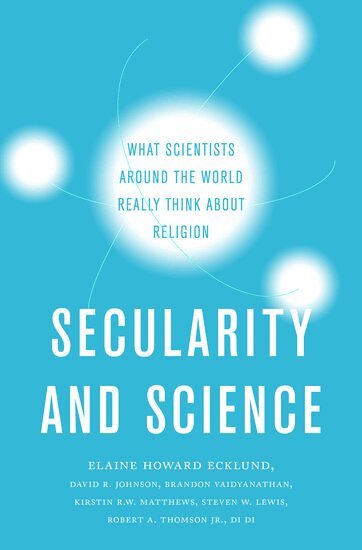
Secularity and Science
What Scientists Around the World Really Think About Religion
Inbunden, Engelska, 2019
371 kr
Skickas inom 5-8 vardagar
Do scientists see conflict between science and faith? Which cultural factors shape the attitudes of scientists toward religion? Can scientists help show us a way to build collaboration between scientific and religious communities, if such collaborations are even possible? To answer these questions and more, the authors of Secularity and Science: What Scientists Around the World Really Think About Religion completed the most comprehensive international study of scientists' attitudes toward religion ever undertaken, surveying more than 20,000 scientists and conducting in-depth interviews with over 600 of them. From this wealth of data, the authors extract the real story of the relationship between science and religion in the lives of scientists around the world. The book makes four key claims: there are more religious scientists than we might think; religion and science overlap in scientific work; scientists - even atheist scientists - see spirituality in science; and finally, the idea that religion and science must conflict is primarily an invention of the West. Throughout, the book couples nationally representative survey data with captivating stories of individual scientists, whose experiences highlight these important themes in the data. Secularity and Science leaves inaccurate assumptions about science and religion behind, offering a new, more nuanced understanding of how science and religion interact and how they can be integrated for the common good.
295 kr
Skickas inom 11-20 vardagar
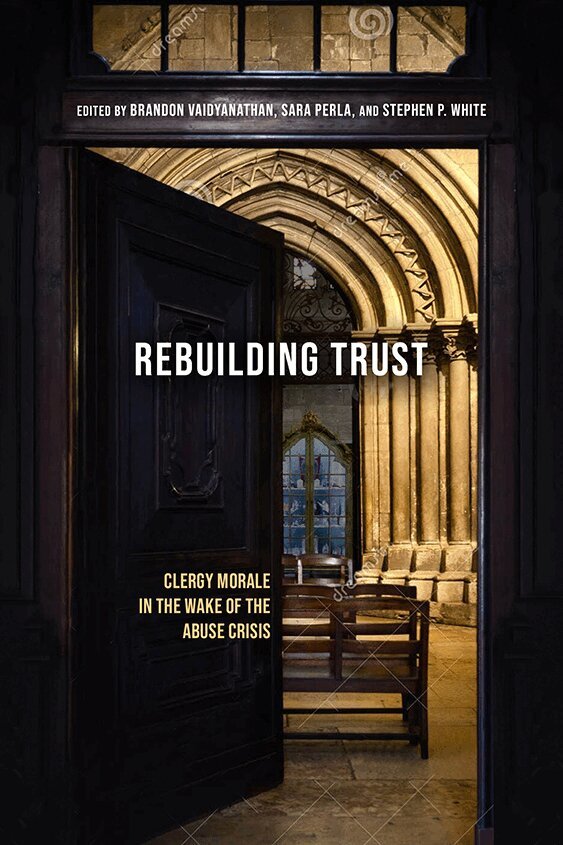
While much attention has rightly been given to abuse survivors and institutional accountability, less has been said about how the sexual abuse crisis has shaped the experience of clergy themselves. Drawing on findings from the National Study of Catholic Priests (NSCP)—the most comprehensive survey of American priests in over 50 years— Rebuilding Trust explores how the abuse crisis and the Church’s institutional response have affected priestly well-being and morale, perceptions of episcopal leadership, and the culture of the presbyterate more broadly. The study reveals a striking breakdown in trust between priests and their bishops, exacerbated by concerns over due process in the wake of an abuse allegation, inconsistent application of abuse prevention policies, and a widening ideological divide between younger and older clergy. The book combines sociological analysis with theological, psychological, historical, canonical, and pastoral perspectives to contextualize these findings. Contributors from various fields examine shifts in the priesthood over the past few decades, assess the implementation of the 2002 Charter for the Protection of Children and Young People (the "Dallas Charter") and explore practical strategies for strengthening clergy formation, fostering fraternity, and improving bishop-priest relationships. By integrating empirical research with theological reflection, this volume offers a timely and necessary addition to the discussion of how the Church can rebuild trust, support priests, and cultivate a healthier presbyterate. It will be essential reading for Church leaders, seminary formators, scholars of Catholicism, and anyone concerned with the future of the priesthood in the United States.
1 566 kr
Skickas inom 10-15 vardagar
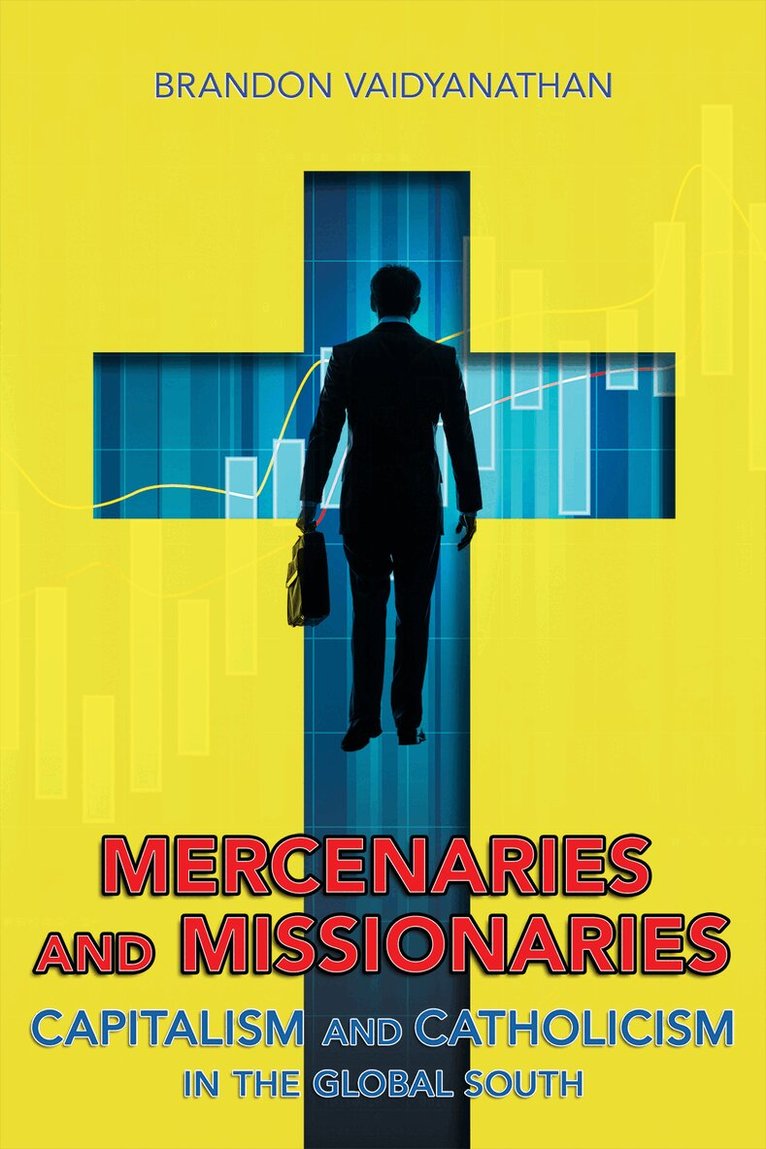
Mercenaries and Missionaries examines the relationship between rapidly diffusing forms of capitalism and Christianity in the Global South. Using more than two hundred interviews in Bangalore and Dubai, Brandon Vaidyanathan explains how and why global corporate professionals straddle conflicting moral orientations in the realms of work and religion. Seeking to place the spotlight on the role of religion in debates about the cultural consequences of capitalism, Vaidyanathan finds that an "apprehensive individualism" generated in global corporate workplaces is supported and sustained by a "therapeutic individualism" cultivated in evangelical-charismatic Catholicism.Mercenaries and Missionaries uncovers a symbiotic relationship between these individualisms and shows how this relationship unfolds in two global cities—Dubai, in non-democratic UAE, which holds what is considered the world's largest Catholic parish, and Bangalore, in democratic India, where the Catholic Church, though afflicted by ethnic and religious violence, runs many of the city's elite educational institutions. Vaidyanathan concludes that global corporations and religious communities create distinctive cultures, with normative models that powerfully orient people to those cultures—the Mercenary in cutthroat workplaces, and the Missionary in churches. As a result, global corporate professionals in rapidly developing cities negotiate starkly opposing moral commitments in the realms of work and religion, which in turn shapes their civic commitment to these cities.
437 kr
Skickas inom 10-15 vardagar
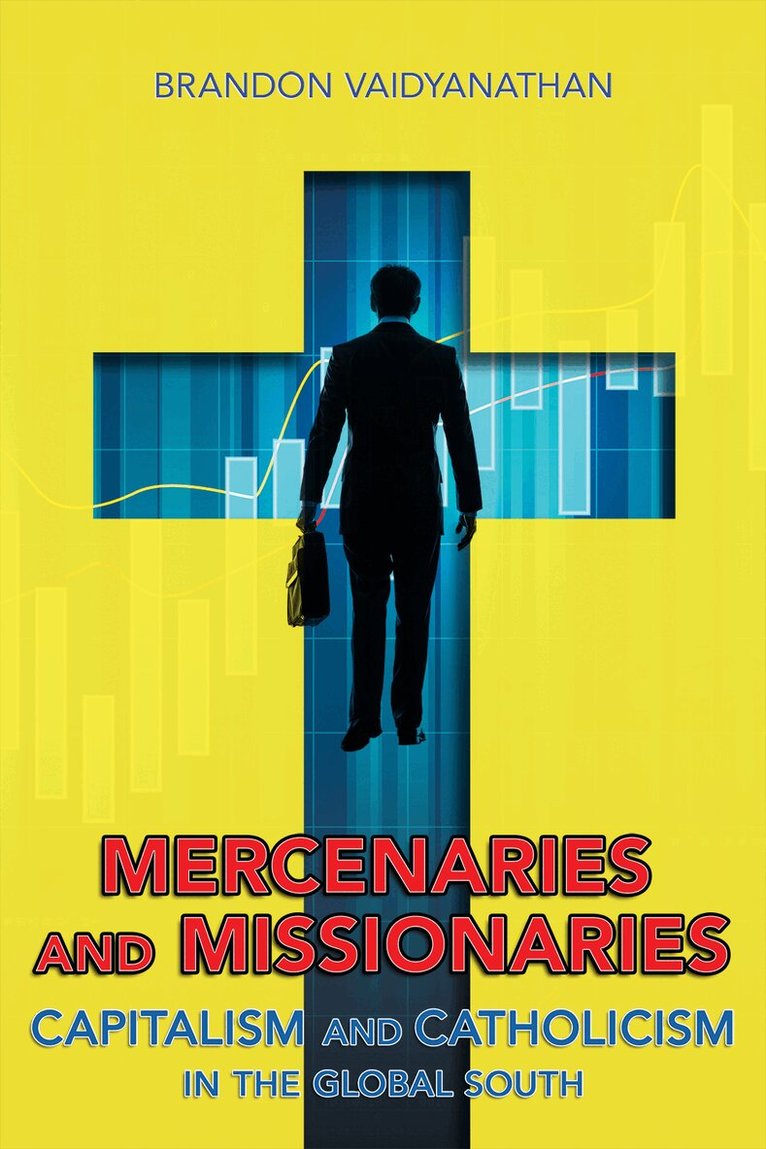
Mercenaries and Missionaries examines the relationship between rapidly diffusing forms of capitalism and Christianity in the Global South. Using more than two hundred interviews in Bangalore and Dubai, Brandon Vaidyanathan explains how and why global corporate professionals straddle conflicting moral orientations in the realms of work and religion. Seeking to place the spotlight on the role of religion in debates about the cultural consequences of capitalism, Vaidyanathan finds that an "apprehensive individualism" generated in global corporate workplaces is supported and sustained by a "therapeutic individualism" cultivated in evangelical-charismatic Catholicism.Mercenaries and Missionaries uncovers a symbiotic relationship between these individualisms and shows how this relationship unfolds in two global cities—Dubai, in non-democratic UAE, which holds what is considered the world's largest Catholic parish, and Bangalore, in democratic India, where the Catholic Church, though afflicted by ethnic and religious violence, runs many of the city's elite educational institutions. Vaidyanathan concludes that global corporations and religious communities create distinctive cultures, with normative models that powerfully orient people to those cultures—the Mercenary in cutthroat workplaces, and the Missionary in churches. As a result, global corporate professionals in rapidly developing cities negotiate starkly opposing moral commitments in the realms of work and religion, which in turn shapes their civic commitment to these cities.