Branislav Hock – författare
Visar alla böcker från författaren Branislav Hock. Handla med fri frakt och snabb leverans.
9 produkter
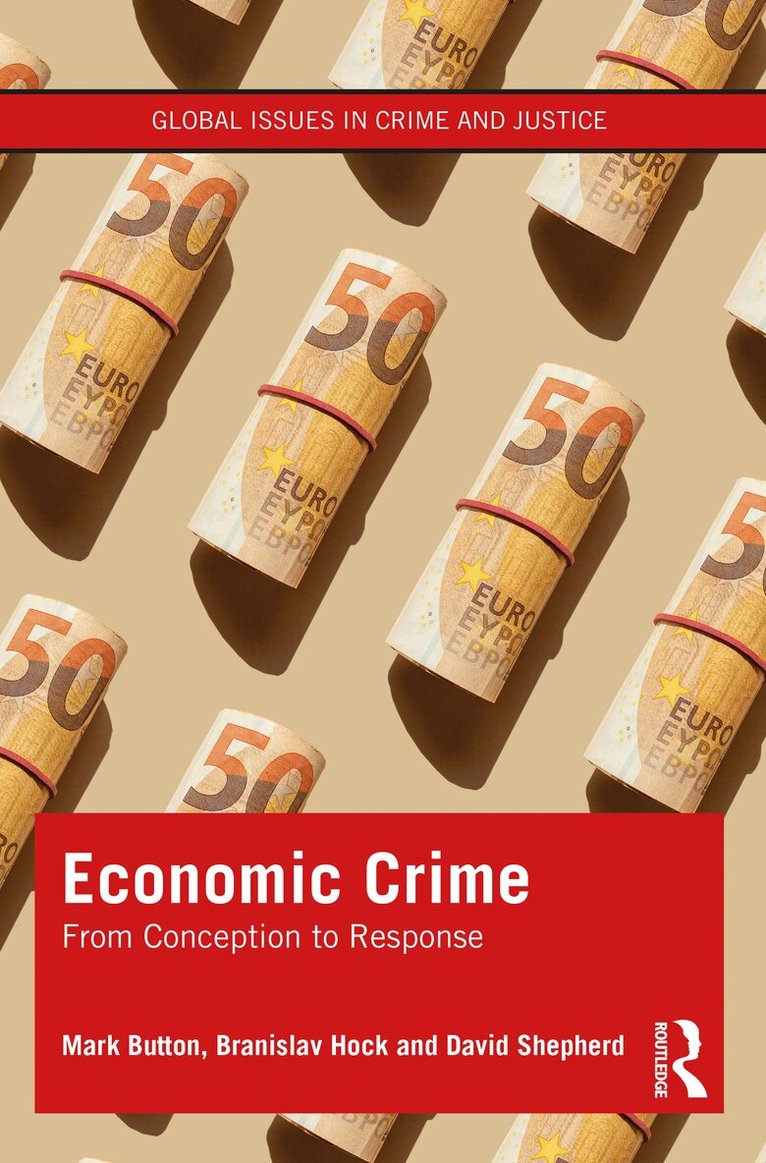
Economic Crime
From Conception to Response
Av Mark Button, Branislav Hock m. fl.
Häftad, 2022
508 kr
Lägg i varukorg
This book is the first attempt to establish 'economic crime' as a new sub-discipline within criminology. Fraud, corruption, bribery, money laundering, price-fixing cartels and intellectual property crimes pursued typically for financial and professional gain, have devastating consequences for the …
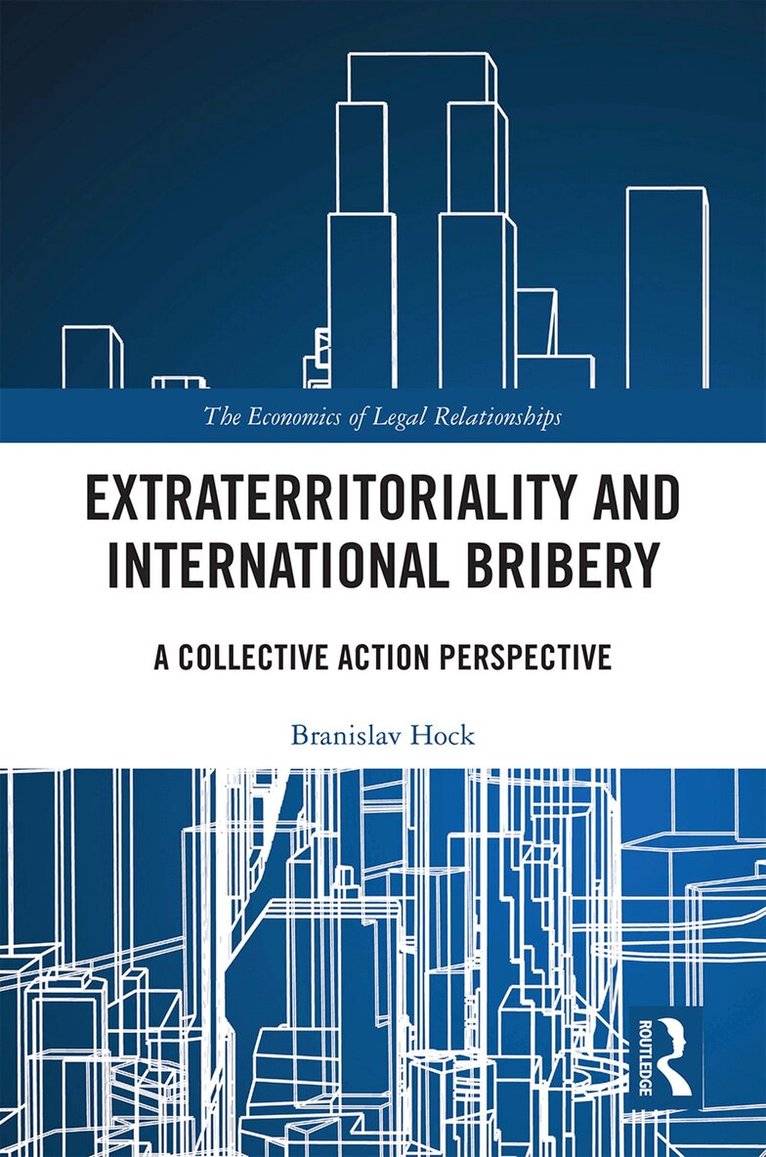
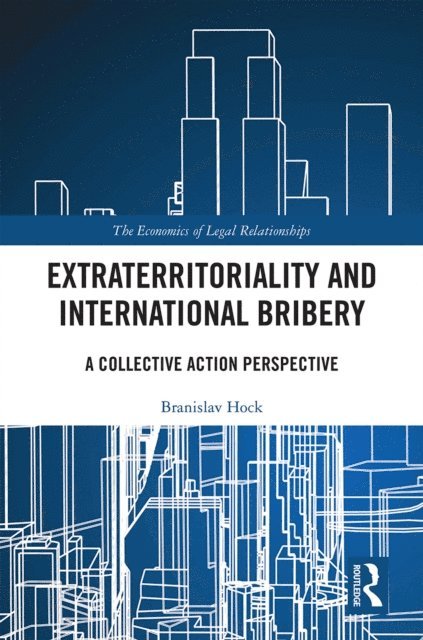
Extraterritoriality and International Bribery
A Collective Action Perspective
Inbunden, 2019
2311 kr
Lägg i varukorg
The book presents a collective action perspective to explain how extraterritoriality functions and assess when, and to what extent, extraterritoriality is effective. A collective action perspective provides a new account of foreign anti-bribery laws and their extraterritorial enforcement that draws …
Economic Crime
From Conception to Response
Av Mark Button, Branislav Hock m. fl.
Inbunden, 2022
2311 kr
Lägg i varukorg
This book is the first attempt to establish 'economic crime' as a new sub-discipline within criminology. Fraud, corruption, bribery, money laundering, price-fixing cartels and intellectual property crimes pursued typically for financial and professional gain, have devastating consequences for the …
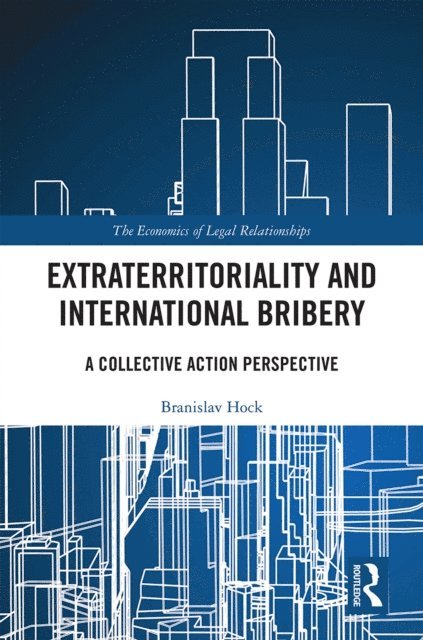
Extraterritoriality and International Bribery
A Collective Action Perspective
Häftad, 2021
663 kr
Lägg i varukorg
The book presents a collective action perspective to explain how extraterritoriality functions and assess when, and to what extent, extraterritoriality is effective. A collective action perspective provides a new account of foreign anti-bribery laws and their extraterritorial enforcement that draws …
Extraterritoriality and International Bribery
A Collective Action Perspective
E-bok, 2019
849 kr
Lägg i varukorg
The book presents a collective action perspective to explain how extraterritoriality functions and assess when, and to what extent, extraterritoriality is effective. A collective action perspective provides a new account of foreign anti-bribery laws and their extraterritorial enforcement that draws …
Extraterritoriality and International Bribery
A Collective Action Perspective
E-bok, 2019
764 kr
Lägg i varukorg
The book presents a collective action perspective to explain how extraterritoriality functions and assess when, and to what extent, extraterritoriality is effective. A collective action perspective provides a new account of foreign anti-bribery laws and their extraterritorial enforcement that draws …
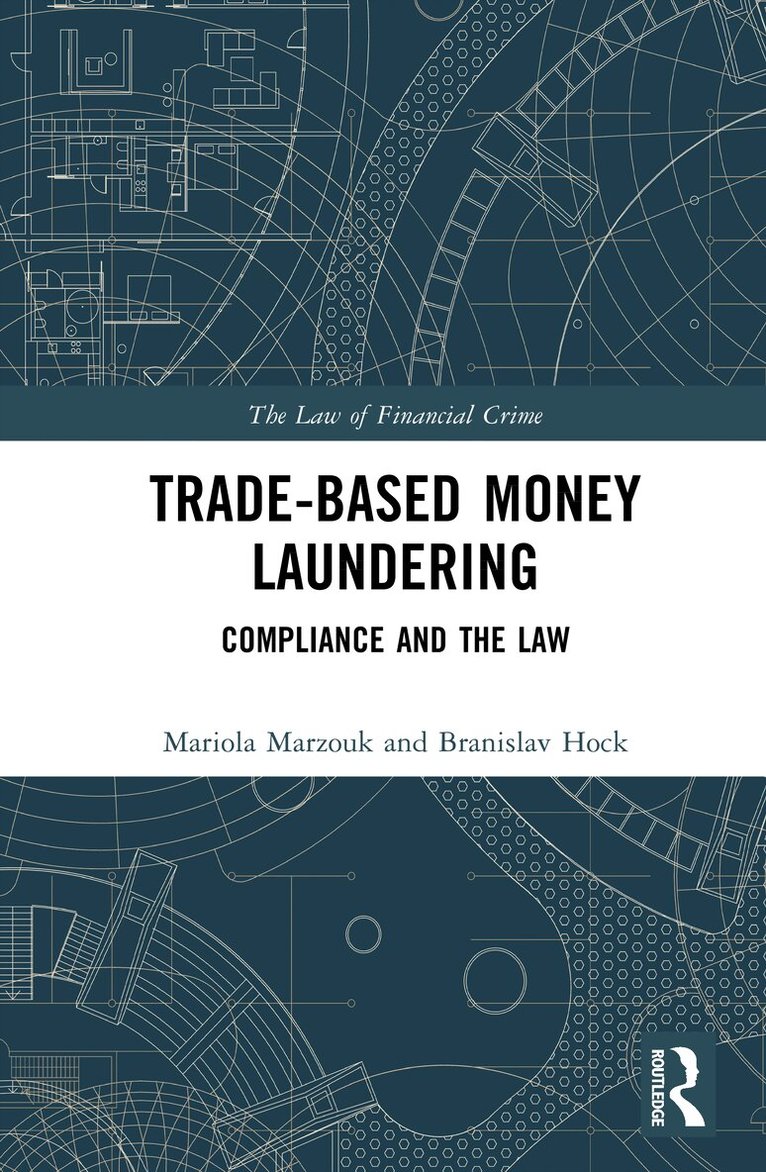
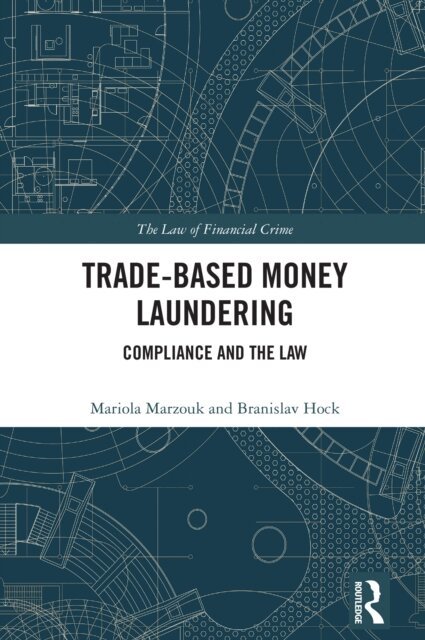
Trade-Based Money Laundering
Compliance and the Law
Av Mariola Marzouk, Branislav Hock
Inbunden, 2026
2311 kr
Lägg i varukorg
This book exposes how illicit finance hides in plain sight within legitimate global trade. Drawing on real-world cases, empirical interviews, and policy analysis, the book reveals how Trade-Based Money Laundering (TBML) exploits regulatory gaps, dynamic supply chains, and the ambiguities of modern …
Trade-Based Money Laundering
Compliance and the Law
Av Branislav Hock, Mariola Marzouk
E-bok, 2026
765 kr
Lägg i varukorg
This book exposes how illicit finance hides in plain sight within legitimate global trade. Drawing on real-world cases, empirical interviews, and policy analysis, the book reveals how Trade-Based Money Laundering (TBML) exploits regulatory gaps, dynamic supply chains, and the ambiguities of modern …
Trade-Based Money Laundering
Compliance and the Law
Av Branislav Hock, Mariola Marzouk
E-bok, 2026
813 kr
Lägg i varukorg
This book exposes how illicit finance hides in plain sight within legitimate global trade. Drawing on real-world cases, empirical interviews, and policy analysis, the book reveals how Trade-Based Money Laundering (TBML) exploits regulatory gaps, dynamic supply chains, and the ambiguities of modern …