Brenda R. Weber - Böcker
Visar alla böcker från författaren Brenda R. Weber. Handla med fri frakt och snabb leverans.
9 produkter
9 produkter
563 kr
Skickas inom 10-15 vardagar
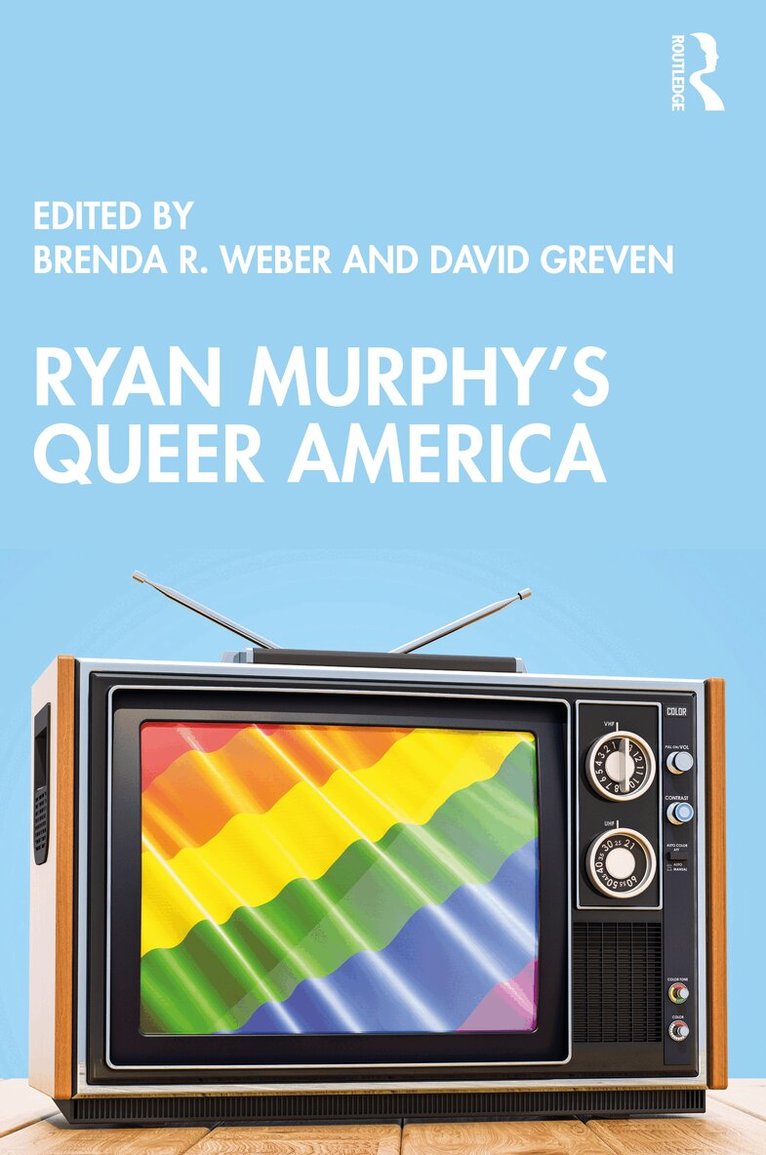
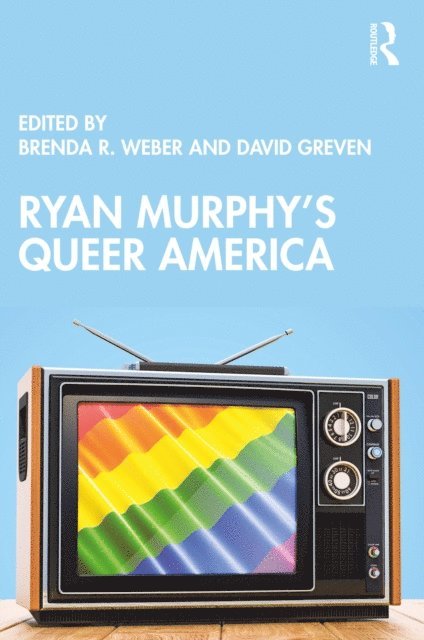
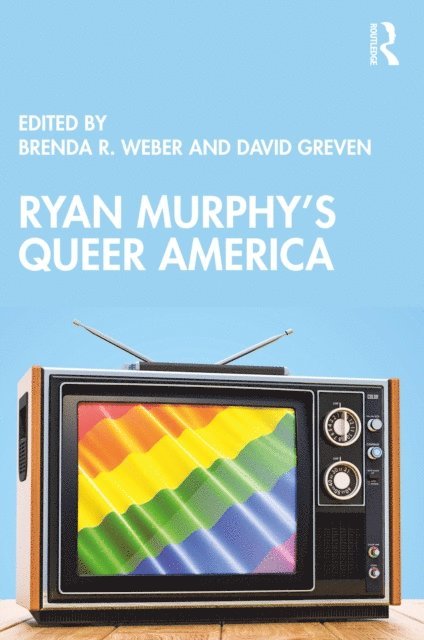
Ryan Murphy is a self-described "gay boy from Indiana," who has grown up to forge a media empire. With an extraordinary list of credits and successful television shows, movies, and documentaries to his name, Murphy can now boast one of the broadest and most successful careers in Hollywood. Serving as writer, producer, and director, his creative output includes limited-run dramas (such as Feud, Ratched, and Halston), procedural dramas (such as 9-1-1 and 9-1-1 Lonestar), anthology series (such as American Crime Story, American Horror Story, and American Horror Stories), sit-coms (such as The New Normal) and long-running serial narratives (such as Glee, Nip/Tuck, and Pose). Each of these is infused in different ways with a distinctive form of queer energy and erotics, animating their narratives with both campy excess and poignant longing and giving new meaning to the American story.This collection takes up Murphy as auteur and showrunner, considering the gendered and sexual politics of Murphy’s wide body of work. Using an intersectional framework throughout, an impressive list of well-known and emerging scholars engages with Murphy’s diverse output, while also making the case for Murphy’s version of a queer sensibility, a revised notion of queer time, cultural memory, and the contributions his own production company makes to a politics of LGBTQ+ representation and evolving gender identities.This book is suitable for students of Gender and Media, LGBTQ+ Studies, Media Studies, and Communication Studies.
2 088 kr
Skickas inom 10-15 vardagar
Ryan Murphy is a self-described "gay boy from Indiana," who has grown up to forge a media empire. With an extraordinary list of credits and successful television shows, movies, and documentaries to his name, Murphy can now boast one of the broadest and most successful careers in Hollywood. Serving as writer, producer, and director, his creative output includes limited-run dramas (such as Feud, Ratched, and Halston), procedural dramas (such as 9-1-1 and 9-1-1 Lonestar), anthology series (such as American Crime Story, American Horror Story, and American Horror Stories), sit-coms (such as The New Normal) and long-running serial narratives (such as Glee, Nip/Tuck, and Pose). Each of these is infused in different ways with a distinctive form of queer energy and erotics, animating their narratives with both campy excess and poignant longing and giving new meaning to the American story.This collection takes up Murphy as auteur and showrunner, considering the gendered and sexual politics of Murphy’s wide body of work. Using an intersectional framework throughout, an impressive list of well-known and emerging scholars engages with Murphy’s diverse output, while also making the case for Murphy’s version of a queer sensibility, a revised notion of queer time, cultural memory, and the contributions his own production company makes to a politics of LGBTQ+ representation and evolving gender identities.This book is suitable for students of Gender and Media, LGBTQ+ Studies, Media Studies, and Communication Studies.
362 kr
Skickas inom 7-10 vardagar
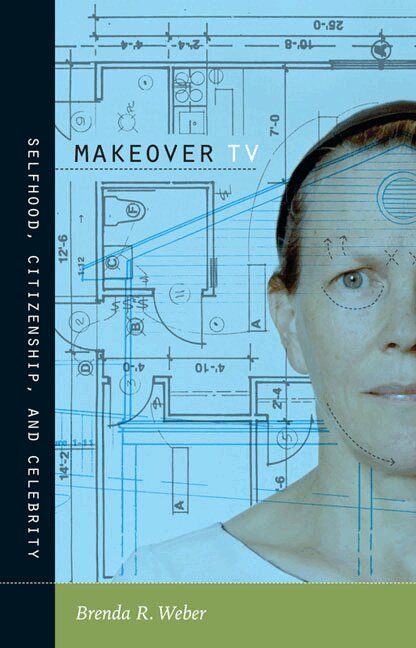
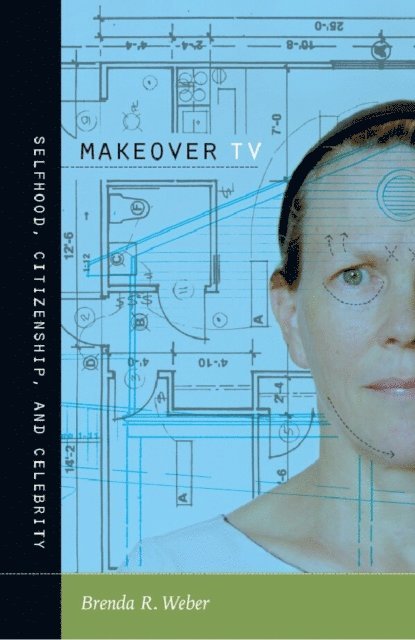
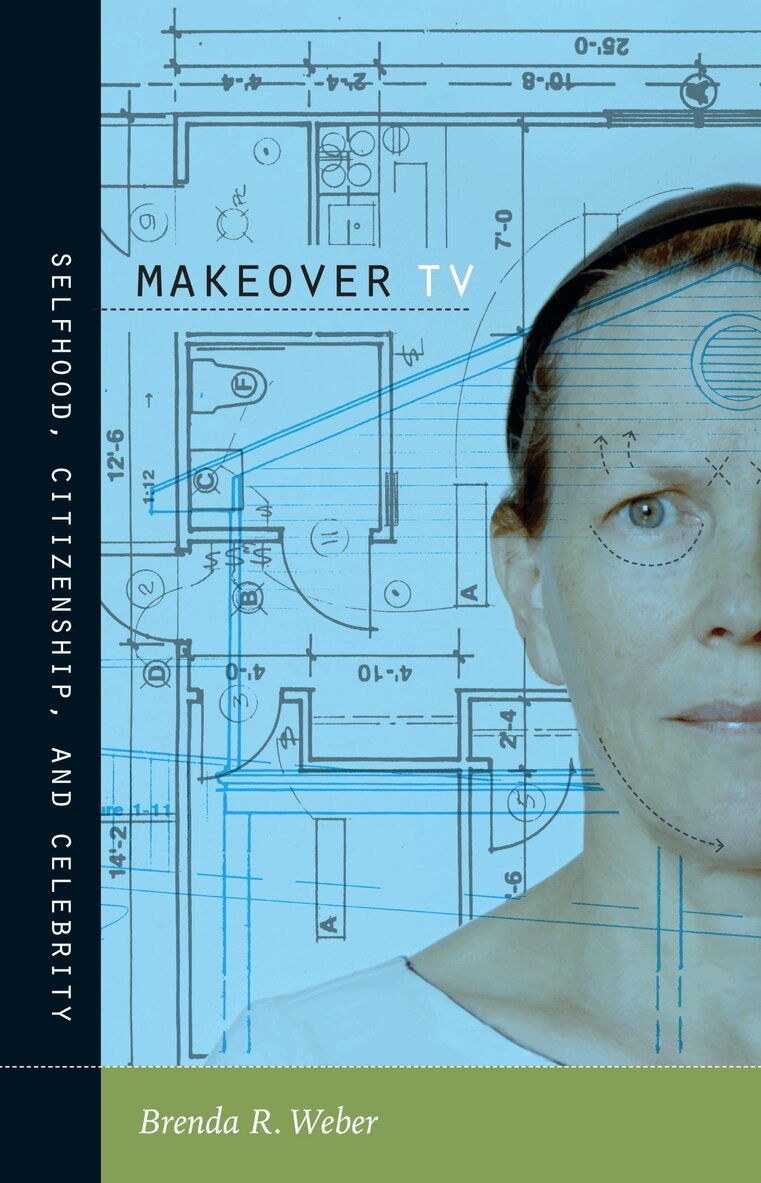
In 2004, roughly 25 makeover-themed reality shows aired on U.S. television. By 2009, there were more than 250, from What Not to Wear and The Biggest Loser to Dog Whisperer and Pimp My Ride. In Makeover TV, Brenda R. Weber argues that whether depicting transformations of bodies, trucks, finances, relationships, kids, or homes, makeover shows posit a self achievable only in the transition from the “Before-body”-the overweight figure, the decrepit jalopy, the cluttered home-to the “After-body,” one filled with confidence, coded with celebrity, and imbued with a renewed faith in the powers of meritocracy. The rationales and tactics invoked to achieve the After-body vary widely, from the patriotic to the market-based, and from talk therapy to feminist empowerment. The genre is unified by its contradictions: to uncover your “true self,” you must be reinvented; to be empowered, you must surrender to experts; to be special, you must look and act like everyone else. Based on her analysis of more than 2,500 hours of makeover TV, Weber argues that the much-desired After-body speaks to and makes legible broader cultural narratives about selfhood, citizenship, celebrity, and Americanness. Although makeovers are directed at both male and female viewers, their gendered logic requires that feminized subjects submit to the controlling expertise wielded by authorities. The genre does not tolerate ambiguity. Conventional (middle-class, white, ethnically anonymous, heterosexual) femininity is the goal of makeovers for women. When subjects are male, makeovers often compensate for perceived challenges to masculine independence by offering men narrative options for resistance or control. Foregoing a binary model of power and subjugation, Weber provides an account of makeover television that is as appreciative as it is critical. She reveals the makeover show as a rich and complicated text that expresses cultural desires and fears through narratives of selfhood.
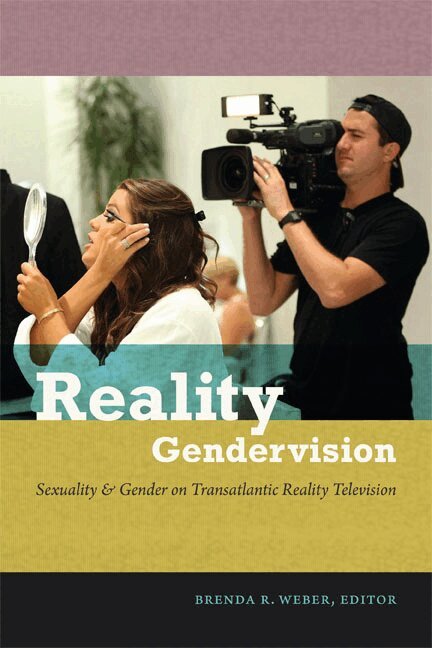
Reality Gendervision
Sexuality and Gender on Transatlantic Reality Television
Inbunden, Engelska, 2014
2 185 kr
Skickas inom 3-6 vardagar
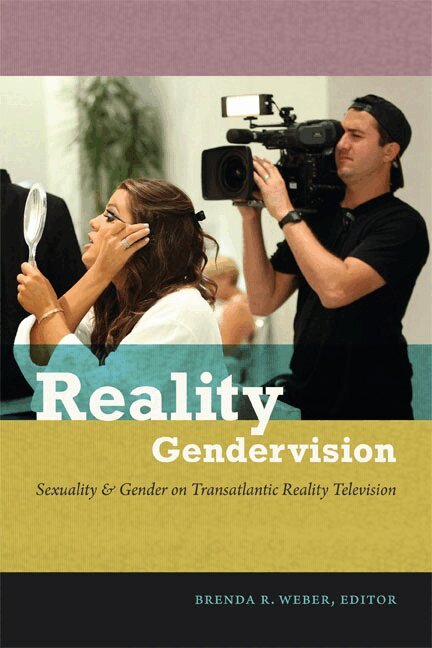
This essay collection focuses on the gendered dimensions of reality television in both the United States and Great Britain. Through close readings of a wide range of reality programming, from Finding Sarah and Sister Wives to Ghost Adventures and Deadliest Warrior, the contributors think through questions of femininity and masculinity, as they relate to the intersections of gender, race, class, and sexuality. They connect the genre's combination of real people and surreal experiences, of authenticity and artifice, to the production of identity and norms of citizenship, the commodification of selfhood, and the naturalization of regimes of power. Whether assessing the Kardashian family brand, portrayals of hoarders, or big-family programs such as 19 Kids and Counting, the contributors analyze reality television as a relevant site for the production and performance of gender. In the process, they illuminate the larger neoliberal and postfeminist contexts in which reality TV is produced, promoted, watched, and experienced.Contributors. David Greven, Dana Heller, Su Holmes, Deborah Jermyn, Misha Kavka, Amanda Ann Klein, Susan Lepselter, Diane Negra, Laurie Ouellette, Gareth Palmer, Kirsten Pike, Maria Pramaggiore, Kimberly Springer, Rebecca Stephens, Lindsay Steenberg, Brenda R. Weber
415 kr
Skickas inom 7-10 vardagar
This essay collection focuses on the gendered dimensions of reality television in both the United States and Great Britain. Through close readings of a wide range of reality programming, from Finding Sarah and Sister Wives to Ghost Adventures and Deadliest Warrior, the contributors think through questions of femininity and masculinity, as they relate to the intersections of gender, race, class, and sexuality. They connect the genre's combination of real people and surreal experiences, of authenticity and artifice, to the production of identity and norms of citizenship, the commodification of selfhood, and the naturalization of regimes of power. Whether assessing the Kardashian family brand, portrayals of hoarders, or big-family programs such as 19 Kids and Counting, the contributors analyze reality television as a relevant site for the production and performance of gender. In the process, they illuminate the larger neoliberal and postfeminist contexts in which reality TV is produced, promoted, watched, and experienced.Contributors. David Greven, Dana Heller, Su Holmes, Deborah Jermyn, Misha Kavka, Amanda Ann Klein, Susan Lepselter, Diane Negra, Laurie Ouellette, Gareth Palmer, Kirsten Pike, Maria Pramaggiore, Kimberly Springer, Rebecca Stephens, Lindsay Steenberg, Brenda R. Weber
Women and Literary Celebrity in the Nineteenth Century
The Transatlantic Production of Fame and Gender
Häftad, Engelska, 2016
943 kr
Skickas inom 10-15 vardagar
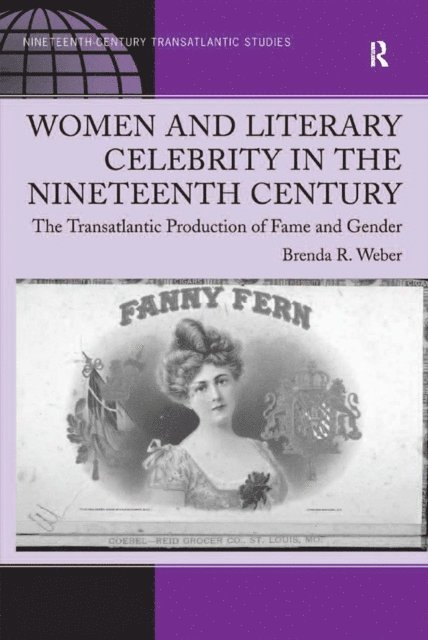
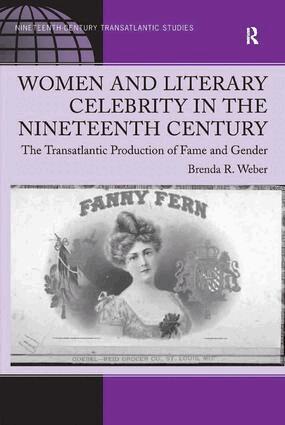
Focusing on representations of women's literary celebrity in nineteenth-century biographies, autobiographical accounts, periodicals, and fiction, Brenda R. Weber examines the transatlantic cultural politics of visibility in relation to gender, sex, and the body. Looking both at discursive patterns and specific Anglo-American texts that foreground the figure of the successful woman writer, Weber argues that authors such as Elizabeth Gaskell, Fanny Fern, Mary Cholmondeley, Margaret Oliphant, Elizabeth Robins, Eliza Potter, and Elizabeth Keckley helped create an intelligible category of the famous writer that used celebrity as a leveraging tool for altering perceptions about femininity and female identity. Doing so, Weber demonstrates, involved an intricate gender/sex negotiation that had ramifications for what it meant to be public, professional, intelligent, and extraordinary. Weber's persuasive account elucidates how Gaskell's biography of Charlotte Brontë served simultaneously to support claims for Brontë's genius and to diminish Brontë's body in compensation for the magnitude of those claims, thus serving as a touchstone for later representations of women's literary genius and celebrity. Fanny Fern, for example, adapts Gaskell's maneuvers on behalf of Charlotte Brontë to portray the weak woman's body becoming strong as it is made visible through and celebrated within the literary marketplace. Throughout her study, Weber analyzes the complex codes connected to transatlantic formations of gender/sex, the body, and literary celebrity as women authors proactively resisted an intense backlash against their own success.
Women and Literary Celebrity in the Nineteenth Century
The Transatlantic Production of Fame and Gender
Inbunden, Engelska, 2012
2 632 kr
Skickas inom 10-15 vardagar
Focusing on representations of women's literary celebrity in nineteenth-century biographies, autobiographical accounts, periodicals, and fiction, Brenda R. Weber examines the transatlantic cultural politics of visibility in relation to gender, sex, and the body. Looking both at discursive patterns and specific Anglo-American texts that foreground the figure of the successful woman writer, Weber argues that authors such as Elizabeth Gaskell, Fanny Fern, Mary Cholmondeley, Margaret Oliphant, Elizabeth Robins, Eliza Potter, and Elizabeth Keckley helped create an intelligible category of the famous writer that used celebrity as a leveraging tool for altering perceptions about femininity and female identity. Doing so, Weber demonstrates, involved an intricate gender/sex negotiation that had ramifications for what it meant to be public, professional, intelligent, and extraordinary. Weber's persuasive account elucidates how Gaskell's biography of Charlotte Brontë served simultaneously to support claims for Brontë's genius and to diminish Brontë's body in compensation for the magnitude of those claims, thus serving as a touchstone for later representations of women's literary genius and celebrity. Fanny Fern, for example, adapts Gaskell's maneuvers on behalf of Charlotte Brontë to portray the weak woman's body becoming strong as it is made visible through and celebrated within the literary marketplace. Throughout her study, Weber analyzes the complex codes connected to transatlantic formations of gender/sex, the body, and literary celebrity as women authors proactively resisted an intense backlash against their own success.
1 674 kr
Skickas inom 7-10 vardagar
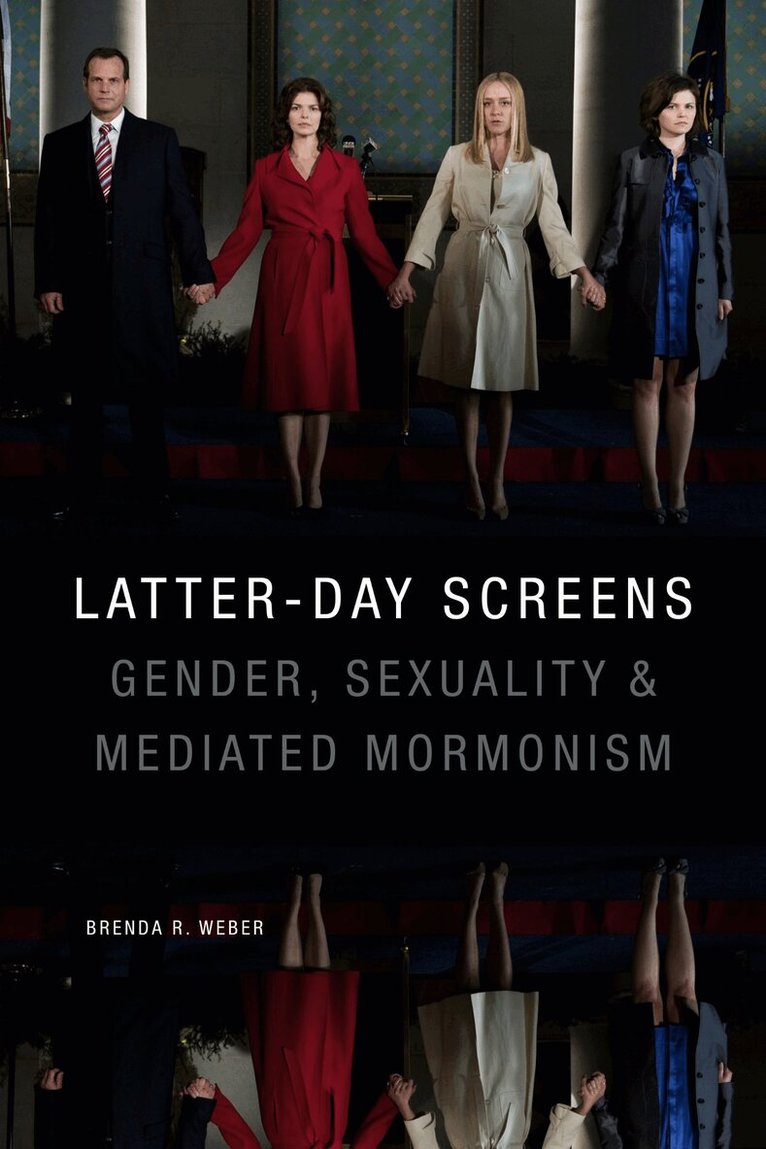
From Sister Wives and Big Love to The Book of Mormon on Broadway, Mormons and Mormonism are pervasive throughout American popular media. In Latter-day Screens, Brenda R. Weber argues that mediated Mormonism contests and reconfigures collective notions of gender, sexuality, race, spirituality, capitalism, justice, and individualism. Focusing on Mormonism as both a meme and an analytic, Weber analyzes a wide range of contemporary media produced by those within and those outside of the mainstream and fundamentalist Mormon churches, from reality television to feature films, from blogs to YouTube videos, and from novels to memoirs by people who struggle to find agency and personhood in the shadow of the church's teachings. The broad archive of mediated Mormonism contains socially conservative values, often expressed through neoliberal strategies tied to egalitarianism, meritocracy, and self-actualization, but it also offers a passionate voice of contrast on behalf of plurality and inclusion. In this, mediated Mormonism and the conversations on social justice that it fosters create the pathway toward an inclusive, feminist-friendly, and queer-positive future for a broader culture that uses Mormonism as a gauge to calibrate its own values.
415 kr
Skickas inom 7-10 vardagar
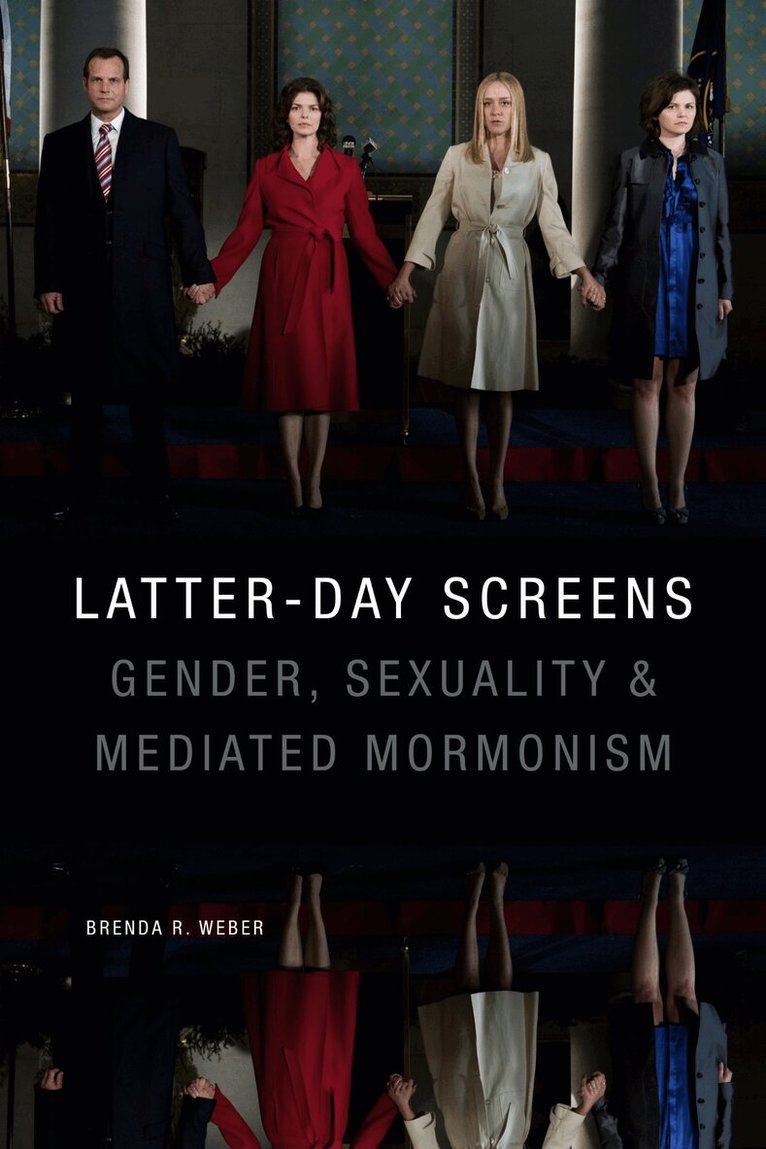
From Sister Wives and Big Love to The Book of Mormon on Broadway, Mormons and Mormonism are pervasive throughout American popular media. In Latter-day Screens, Brenda R. Weber argues that mediated Mormonism contests and reconfigures collective notions of gender, sexuality, race, spirituality, capitalism, justice, and individualism. Focusing on Mormonism as both a meme and an analytic, Weber analyzes a wide range of contemporary media produced by those within and those outside of the mainstream and fundamentalist Mormon churches, from reality television to feature films, from blogs to YouTube videos, and from novels to memoirs by people who struggle to find agency and personhood in the shadow of the church's teachings. The broad archive of mediated Mormonism contains socially conservative values, often expressed through neoliberal strategies tied to egalitarianism, meritocracy, and self-actualization, but it also offers a passionate voice of contrast on behalf of plurality and inclusion. In this, mediated Mormonism and the conversations on social justice that it fosters create the pathway toward an inclusive, feminist-friendly, and queer-positive future for a broader culture that uses Mormonism as a gauge to calibrate its own values.