Brian Croke – författare
Visar alla böcker från författaren Brian Croke. Handla med fri frakt och snabb leverans.
15 produkter
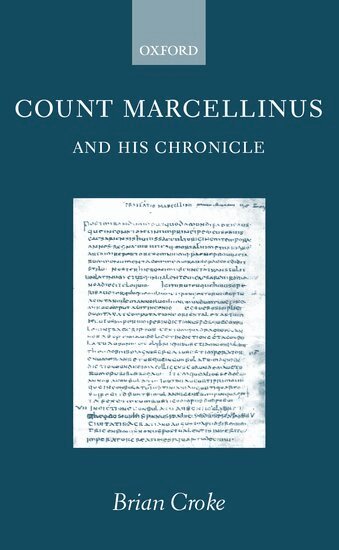
Count Marcellinus and his Chronicle
Av Brian Croke
Inbunden, 2001
4391 kr
Lägg i varukorg
Count Marcellinus and his Chronicle constitutes the first comprehensive study of Marcellinus, a courtier of the emperor Justinian, and his chronicle covering the eastern Roman world from AD 379 to 534. Marcellinus' chronicle provides a first-hand account of the Nika riots at Constantinople in 532, …
Roman Emperors in Context
Theodosius to Justinian
Av Brian Croke
Inbunden, 2021
2586 kr
Lägg i varukorg
Roman Emperors in Context: Theodosius to Justinian brings together ten articles by renowned historian Brian Croke.Written separately and over a period of fifteen years, the revised and updated chapters in this volume provide a coherent and substantial story of the change and development in imperial …
Roman Emperors in Context
Theodosius to Justinian
Av Brian Croke
Häftad, 2023
667 kr
Lägg i varukorg
Roman Emperors in Context: Theodosius to Justinian brings together ten articles by renowned historian Brian Croke.Written separately and over a period of fifteen years, the revised and updated chapters in this volume provide a coherent and substantial story of the change and development in imperial …
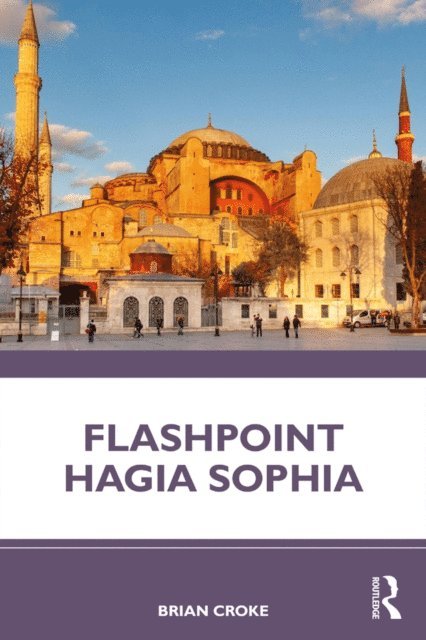
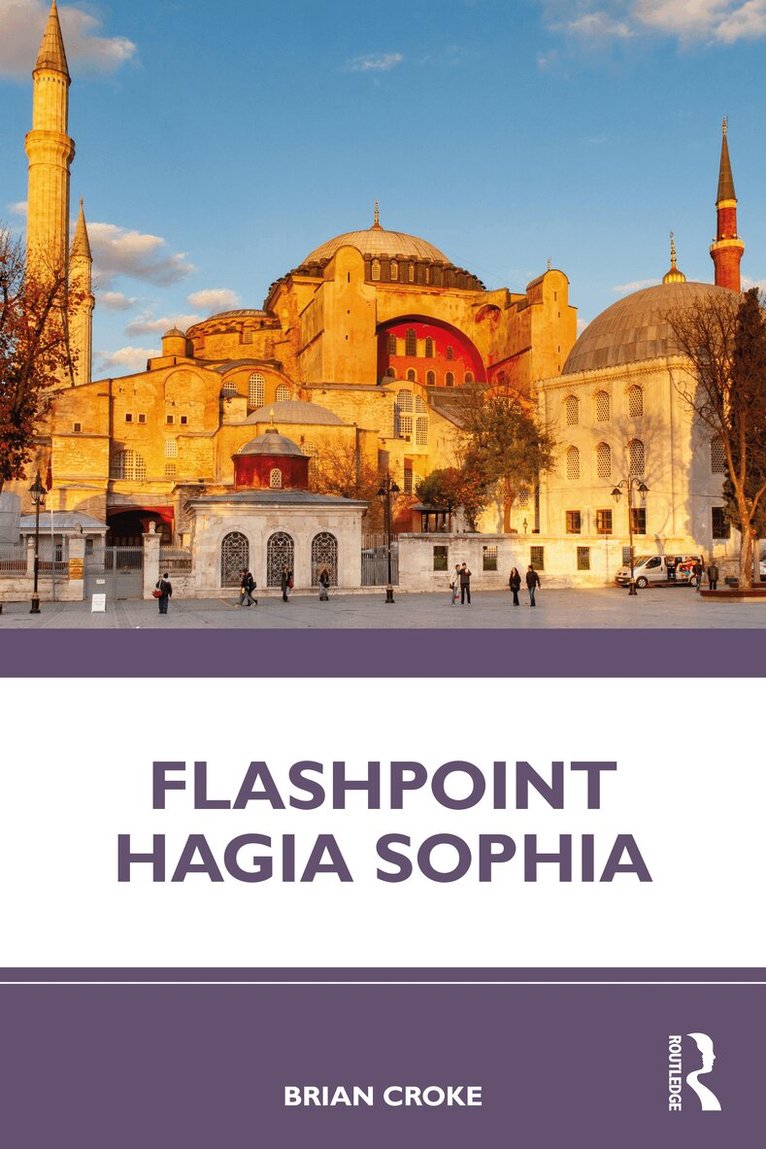
Flashpoint Hagia Sophia
Av Brian Croke
Inbunden, 2021
2586 kr
Lägg i varukorg
Istanbul’s Hagia Sophia (‘Holy Wisdom’), or Ayasofya, is one of the world’s most visited buildings. Yet, few visitors have any idea of its long and complex story, or why it has always been a place where history, religion and politics collide. In July 2020, Turkish President Erdoğan set off an …
The Chronicle of Marcellinus: A Translation with Commentary (with a Reproduction of Mommsen's Edition of the Text)
Av Brian Croke
Häftad, 1995
848 kr
Lägg i varukorg
Roman Emperors in Context
Theodosius to Justinian
Av Brian Croke
E-bok, 2021
785 kr
Lägg i varukorg
Roman Emperors in Context: Theodosius to Justinian brings together ten articles by renowned historian Brian Croke. Written separately and over a period of fifteen years, the revised and updated chapters in this volume provide a coherent and substantial story of the change and development in …
Roman Emperors in Context
Theodosius to Justinian
Av Brian Croke
E-bok, 2021
768 kr
Lägg i varukorg
Roman Emperors in Context: Theodosius to Justinian brings together ten articles by renowned historian Brian Croke. Written separately and over a period of fifteen years, the revised and updated chapters in this volume provide a coherent and substantial story of the change and development in …
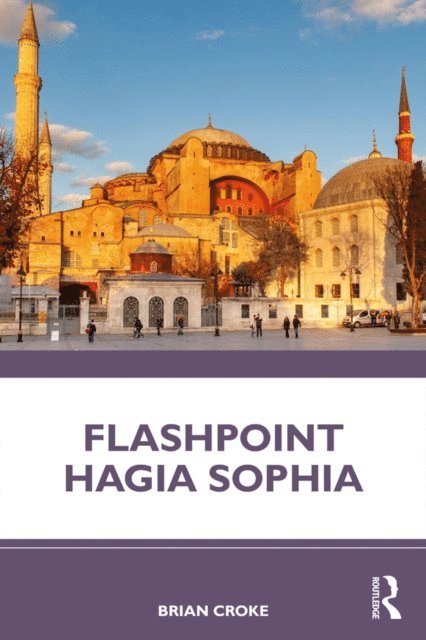
Flashpoint Hagia Sophia
Av Brian Croke
E-bok, 2021
767 kr
Lägg i varukorg
Istanbul’s Hagia Sophia (‘Holy Wisdom’), or Ayasofya, is one of the world’s most visited buildings. Yet, few visitors have any idea of its long and complex story, or why it has always been a place where history, religion and politics collide. In July 2020, Turkish President Erdoğan set off an …
Flashpoint Hagia Sophia
Av Brian Croke
E-bok, 2021
767 kr
Lägg i varukorg
Istanbul’s Hagia Sophia (‘Holy Wisdom’), or Ayasofya, is one of the world’s most visited buildings. Yet, few visitors have any idea of its long and complex story, or why it has always been a place where history, religion and politics collide. In July 2020, Turkish President Erdoğan set off an …
Engaging with the Past, c.250-c.650
Av Brian Croke
E-bok, 2023
785 kr
Lägg i varukorg
Between c.250 and c.650, the way the past was seen, recorded and interpreted for a contemporary audience changed fundamentally. Only since the 1970s have the key elements of this historiographical revolution become clear, with the recasting of the period, across both east and west, as ‘late …
Engaging with the Past, c.250-c.650
Av Brian Croke
E-bok, 2023
785 kr
Lägg i varukorg
Between c.250 and c.650, the way the past was seen, recorded and interpreted for a contemporary audience changed fundamentally. Only since the 1970s have the key elements of this historiographical revolution become clear, with the recasting of the period, across both east and west, as ‘late …
Flashpoint Hagia Sophia
Av Brian Croke
Häftad, 2021
652 kr
Lägg i varukorg
Istanbul’s Hagia Sophia (‘Holy Wisdom’), or Ayasofya, is one of the world’s most visited buildings. Yet, few visitors have any idea of its long and complex story, or why it has always been a place where history, religion and politics collide. In July 2020, Turkish President Erdoğan set off an …
Engaging with the Past, c.250-c.650
Av Brian Croke
Inbunden, 2023
2586 kr
Lägg i varukorg
Between c.250 and c.650, the way the past was seen, recorded and interpreted for a contemporary audience changed fundamentally. Only since the 1970s have the key elements of this historiographical revolution become clear, with the recasting of the period, across both east and west, as ‘late …
Engaging with the Past, c.250-c.650
Av Brian Croke
Häftad, 2024
667 kr
Lägg i varukorg
Between c.250 and c.650, the way the past was seen, recorded and interpreted for a contemporary audience changed fundamentally. Only since the 1970s have the key elements of this historiographical revolution become clear, with the recasting of the period, across both east and west, as ‘late …