
E-bok
Engelska11 kr
Läs direkt efter köp
11 kr
Läs direkt efter köp
142 kr
Skickas inom 5-8 vardagar
11 kr
Läs direkt efter köp
11 kr
Läs direkt efter köp
293 kr
Skickas inom 5-8 vardagar
217 kr
Skickas inom 5-8 vardagar
243 kr
Skickas inom 5-8 vardagar
82 kr
Läs direkt efter köp
Cruel, backward, isolationist, and fanatically religious—or independent, resourceful, principled, and courageous? This book is about the Boers of the Transvaal; it is about how they were formed, their relentless territorial expansion at the expense of indigenous groups in both the Cape Colony and the Transvaal, their struggle for distinctiveness and independence against Imperial and African pressures, the state that they carved out for themselves, and their abject defeat in the Anglo-Boer War. It is also about how the experiences and world view of the Transvaal Boers shaped the myth and laid the platform for ‘Boerdom resurgent’ (or the Afrikaner ascent) in apartheid South Africa.
300 kr
Skickas inom 5-8 vardagar
179 kr
Läs direkt efter köp
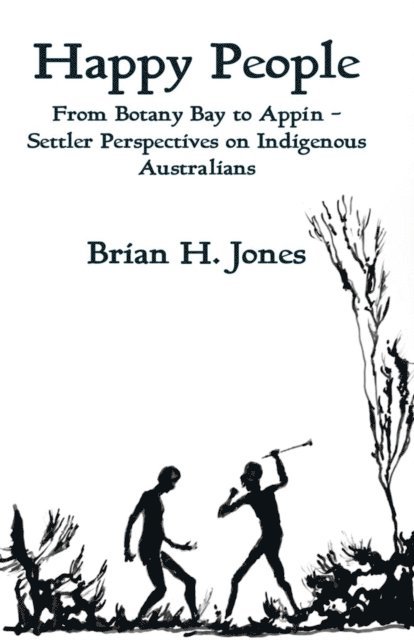
Less than sixty years after the ships of the First Fleet arrived in Sydney Cove, John Eyre wrote that Indigenous Australians were ''strangers in their own land''. Also, he wrote that ''hungry, and famished, they wander about begging''. How did the lives of Indigenous Australians deteriorate so quickly?
With this question in mind, Happy People traces the perspectives of settlers on Indigenous Australians, from the first settlement during 1788 until the military excursions and Governor Macquarie''s ''emergency'' measures put a forceful and localised end to the conflict on the southern border of the colony during 1816-17. Happy People shows how the settler''s first perspectives were complex mixes of aversion to the ''savagery'' of the Indigenous people, refusal to recognise the reality of Indigenous resistance to the land theft that was taking place, curiosity about the new and ''exotic'' culture, and recognition of individuality and personality of leading Indigenous figures. Although there was a temporary ''rapprochement'' between the colonists and some of the Indigenous people of the Harbour region when Bennelong came to an understanding with Governor Phillip, within a short time the settler perspective hardened to viewing Indigenous people as little more than annoying, unappealing obstacles to colonial expansion and land possession, and as threats to individual security. By 1816-17, the dominant settler views were that Indigenous people should either be eliminated as obstacles, or subjugated, domesticated, and ''civilised''.