Brian R. Wise – författare
400 kr
Läs direkt efter köp
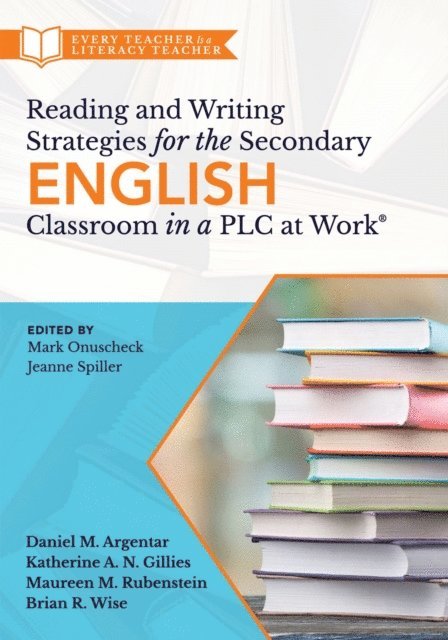
Close literacy achievement gaps across grades 6-12. Part of the Every Teacher Is a Literacy Teacher series, this resource highlights how English language arts (ELA) educators can work collaboratively to combat literacy concerns and improve student skill development. The authors provide, describe, and give examples of many literacy-based strategies that you can immediately begin integrating into your ELA classroom.
Use this resource to help every student improve his or her ELA skills:
Examine the role that professional learning communities (PLCs) play in supporting and advancing the instructional practices of educators through collaborative teamwork.Discover ready-to-use, adaptable strategies to develop students'' prereading, during-reading, and post-reading skills through guided practice.Learn to enhance student writing competencies and create a common literacy language across all disciplines.Study techniques for providing immediate assistance and feedback to students.Receive guidance on designing and implementing assessments.Explore best practices for strengthening team collaboration.Contents:PrefaceIntroduction: Every Teacher Is a Literacy TeacherChapter 1: Collaboration, Learning, and ResultsChapter 2: Foundational Literacy TriageChapter 3: PrereadingChapter 4: During ReadingChapter 5: PostreadingChapter 6: WritingChapter 7: AssessmentAppendix: Reproducibles
365 kr
Läs direkt efter köp
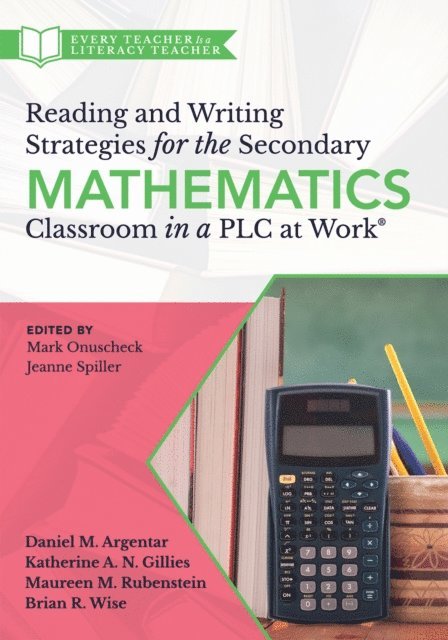
Students need literacy support to think, read, and write in every subject, including math. Part of the Every Teacher Is a Literacy Teacher series, this book emphasizes the importance that the PLC at Work® process has in supporting learners who struggle with literacy. Grades 6–12 teachers will strengthen reading capabilities with practical reading and writing strategies specifically designed for mathematics instruction.
This book will help secondary math teachers: Learn how to incorporate writing instruction into mathematics curriculum and why it’s importantCollaborate with their colleagues using end-of-chapter prompts that encourage PLC cooperation Implement immediate intervention strategies for struggling students to shorten learning gapsStrategize their mathematics instruction to effectively address both struggling students and those at proficient levelsImplement formative and summative assessments and look at feedbackContents:400 kr
Läs direkt efter köp
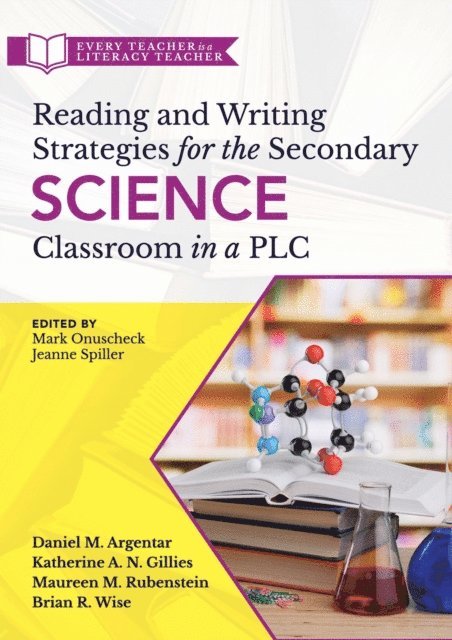
Equip your students with the literacy support they need to think like scientists. Written by a team of experienced educators, this book provides practical literacy-based strategies designed for science teachers of grades 6-12. It can be read cover-to-cover or used as a quick reference for specific strategies. Learn how to connect science content with literacy skill development, differentiated instruction, designing meaningful assessments, effective feedback, and more.
Benefits:
Understand the role that professional learning communities (PLCs) and science teachers play in literacy development and student-centered learning.Foster student engagement by utilizing adaptable strategies and literacy resources for developing pre-reading, during-reading, and post-reading skills.Learn why collaboration among different disciplines can enhance literacy instruction in secondary science education.Obtain tools and techniques for designing meaningful assessments that align literacy and science standards and improve student learning outcomes.Gain reflective knowledge to strengthen science and literacy instructional practices, encouraging learners to think like scientists.Contents:PrefaceIntroduction: Every Teacher Is a Literacy TeacherChapter 1: Collaboration, Learning, and ResultsChapter 2: Foundational Literacy TriageChapter 3: PrereadingChapter 4: During ReadingChapter 5: PostreadingChapter 6: WritingChapter 7: Assessment
400 kr
Läs direkt efter köp
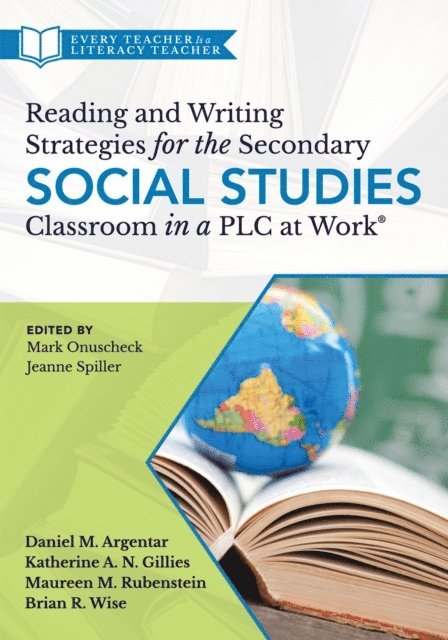
Prepare middle school and high school students to read, write, and think like social studies experts and historians. Part of the Every Teacher Is a Literacy Teacher series, this resource details how grades 6–12 teachers can work together to support literacy development and social studies learning. Explore how to develop collaborative teams, differentiate instruction, design meaningful common assessments, and more.
Use this resource to address large literacy gaps that require the support of all content-area teachers:
Recognize the need for and benefits of literacy development in social studies classrooms.Learn why collaboration among different content-area teams in a professional learning community (PLC) can enhance reading and writing instructional strategies.Foster student engagement by utilizing adaptable strategies for developing prereading, during-reading, and postreading skills in social studies.Apply strategies for writing development in social studies.Obtain tools and techniques for designing meaningful assessments that align with social studies standards and literacy goals of secondary education.Contents:PrefaceIntroduction: Every Teacher Is a Literacy TeacherChapter 1: Collaboration, Learning, and ResultsChapter 2: Foundational Literacy TriageChapter 3: PrereadingChapter 4: During ReadingChapter 5: PostreadingChapter 6: WritingChapter 7: AssessmentEpilogueAppendix: Reproducibles
369 kr
Läs direkt efter köp
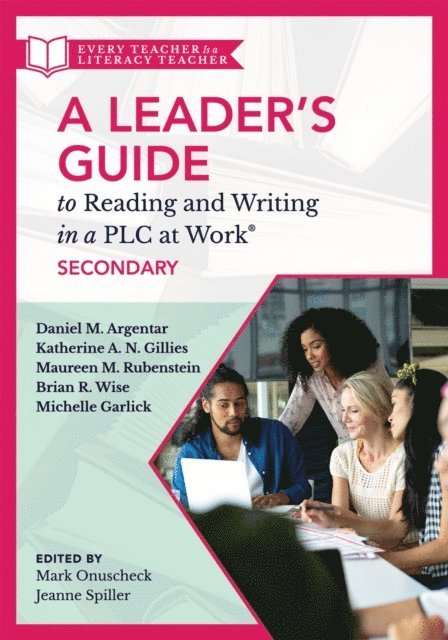
Take an active role in achieving and sustaining literacy improvement in your PLC. An essential leadership resource in the Every Teacher Is a Literacy Teacher series, this valuable guide outlines how to drive literacy instruction in a secondary setting. Learn how to support your collaborative teams, gather and analyze data, and ensure students can read and write at or beyond grade level.
This book offers leadership strategies for secondary literacy education that works:
Understand the challenges of leading literacy and the importance of using those challenges as opportunities for change.Launch your journey to become a literacy leader with effective listening, learning, and active engagement.Recognize the importance of data to new literacy-focused initiatives, reading instruction, and writing strategies.Establish professional development and differentiated instructional strategies for effective literacy instruction across academic disciplines.Measure literacy growth and sustain a continual learning environment for all students.Contents:Introduction: The Need for Literacy InstructionChapter 1: Confronting the Challenges of Leading LiteracyChapter 2: Starting With Listening, Learning, and Leading With ActionChapter 3: Leading With DataChapter 4: Leading Professional LearningChapter 5: Leading InstructionChapter 6: Leading InterventionChapter 7: Measuring Growth and SustainabilityEpilogueReferences and ResourcesIndex