Bruce Peter - Böcker
Visar alla böcker från författaren Bruce Peter. Handla med fri frakt och snabb leverans.
9 produkter
9 produkter
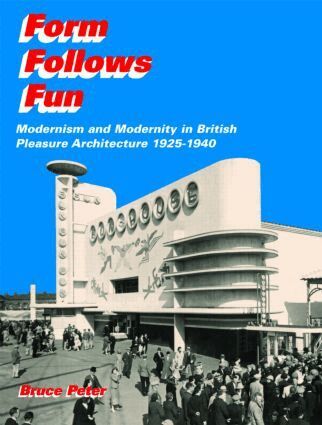
Form Follows Fun
Modernism and Modernity in British Pleasure Architecture 1925–1940
Inbunden, Engelska, 2007
2 806 kr
Skickas inom 10-15 vardagar
Authoritative and readable, this excellent text, illustrated by a unique pictorial record of period architecture, surveys and examines how and why the architecture of pleasure related to the stylistic and ideological concerns of modernism in 1930s Britain.Responding to the current interest in modernism and packed with a substantial archive of high quality photographs and other documentation, it relates the professional, entrepreneurial and institutional infrastructures affecting the pleasure industry’s architectural development and appearance in 1930s. A broad range of building through which the general public first experienced Modernism are covered, including: commercial – holiday camps, cinemas and greyhound racing stadiamunicipal and governmental projects – zoos, seaside pavilions, concert halls, and imperial and international exhibitions.Arguing that the responses to modernism through the architecture of pleasure were conditioned by wider debates about the role of design in relation to high and mass culture, this book is an ideal resource for all those interested in architectural history and design in Britain between the wars.
Form Follows Fun
Modernism and Modernity in British Pleasure Architecture 1925–1940
Häftad, Engelska, 2007
931 kr
Skickas inom 10-15 vardagar
Authoritative and readable, this excellent text, illustrated by a unique pictorial record of period architecture, surveys and examines how and why the architecture of pleasure related to the stylistic and ideological concerns of modernism in 1930s Britain.Responding to the current interest in modernism and packed with a substantial archive of high quality photographs and other documentation, it relates the professional, entrepreneurial and institutional infrastructures affecting the pleasure industry’s architectural development and appearance in 1930s. A broad range of building through which the general public first experienced Modernism are covered, including: commercial – holiday camps, cinemas and greyhound racing stadiamunicipal and governmental projects – zoos, seaside pavilions, concert halls, and imperial and international exhibitions.Arguing that the responses to modernism through the architecture of pleasure were conditioned by wider debates about the role of design in relation to high and mass culture, this book is an ideal resource for all those interested in architectural history and design in Britain between the wars.
628 kr
Tillfälligt slut
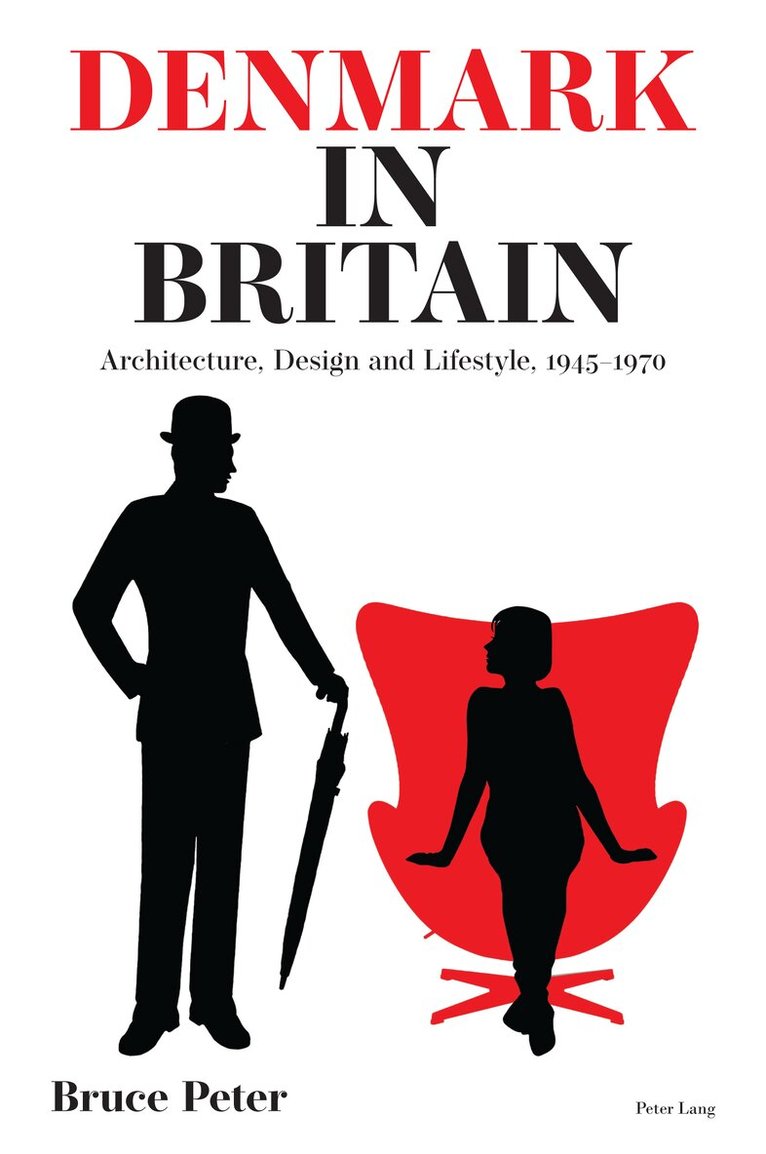
«This is a splendidly lucid and readable book, a distinctive and a distinguished contribution to Nordic Studies.» (Colin Roth, Centre for Nordic Studies, University of Sheffield)«Eloquently narrates with precision and wit the fascinating story of how the objects and imagery of Danish architecture, design and lifestyle helped satisfy an appetite for novel and improved ways of living among British consumers during the postwar decades.»(Martin Søberg, Royal Danish Academy School of Architecture, Copenhagen)In the decades after the Second World War, Denmark’s national image in Britain was greatly changed through the acclaim it received for its modern architecture and design, which British critics, consumers and entrepreneurs increasingly came to desire and emulate. Using architecture and design historical methods, this book relates Danish post-war success in promoting architecture and design in Britain to wider political and economic contexts. It also documents and analyses the multiple contributory aspects of what may now be considered to have been an early exemplar of the successful marketing of identity through the outputs of creative industries. In addition, it explains the human relationships and networks of acquaintances involved in the promotion of Danish creativity in Britain and of the mutually beneficial advantages achieved through the Danes’ joint exhibiting of design, food and lifestyle to build appealing, multi-faceted images of the nation.
494 kr
Skickas inom 5-8 vardagar
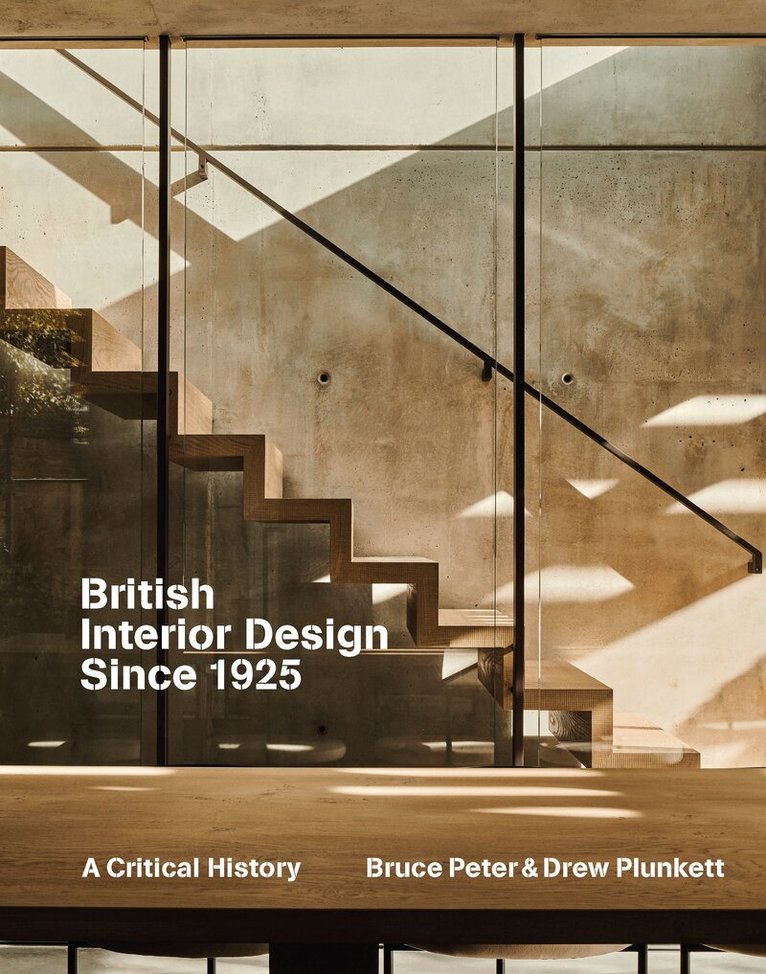
After the First World War, Interior Design emerged in Britain as a distinctive profession, one that used fresh eyes and imagination to transform edifices old and new into environments that satisfied aesthetic appetites and enhanced the experiences of those who used them. This is the first critical account of the history of Interior Design in Britain, one that is distinct from that of Architecture, and which gives the profession a sense of its own identity. Set within the social, cultural, economic and political contexts which exercised and shaped creative imaginations across the 20th century, the book examines both interior design (principally commercial projects) and interior decoration (principally domestic projects).In contrast to 20th-century architecture, which often imposed its philosophy onto its clients, interior design and decoration were more responsive to the nuances and rapid changes of popular taste. Interiors therefore moved at a much faster pace, from the elegant Art Deco of the Savoy and Claridge's hotels, to the modernist interiors of the 1950s such as the Royal Festival Hall, to retail work in the 1980s for the likes of Joseph and Next, to clubs and restaurants in the 1990s such as the Atlantic Bar and Grill, and concluding with 21st-century offices and domestic interiors.
353 kr
Skickas
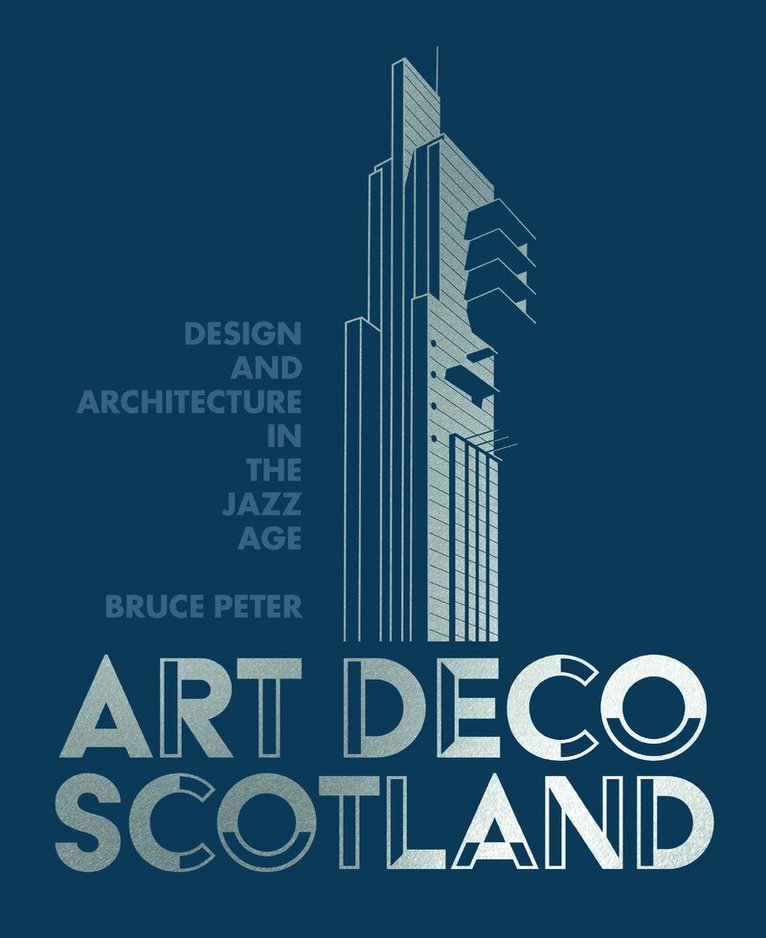
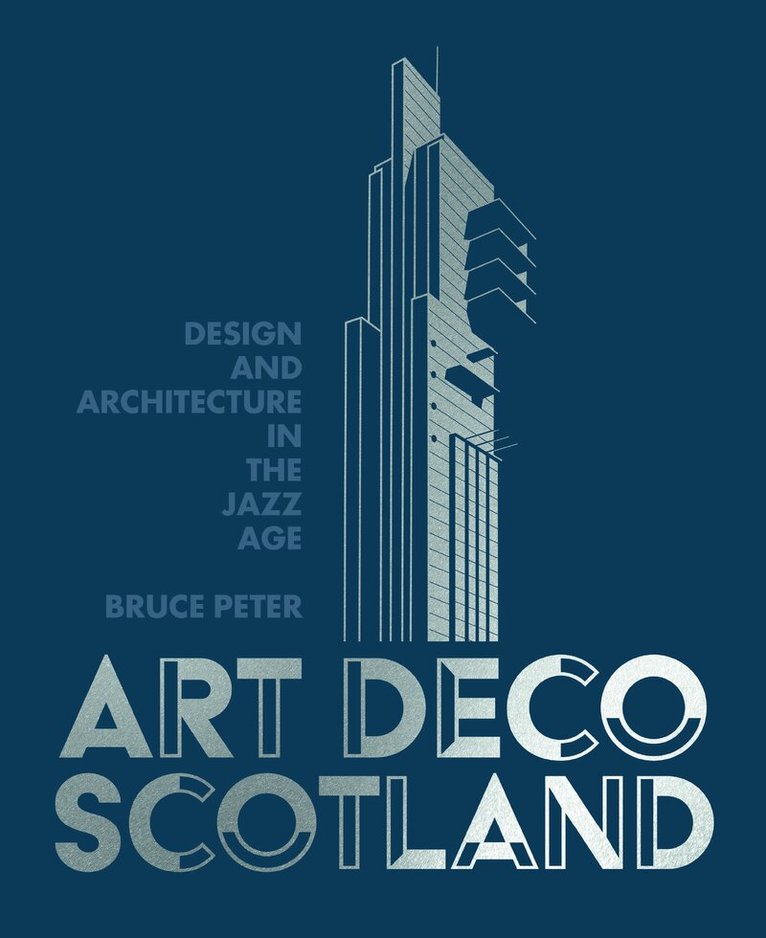
WINNER OF THE SALTIRE SOCIETY RESEARCH BOOK OF THE YEARArt Deco is a design style infused with glamour and energy. Emerging from the smart metropolises of Paris and New York in the 1920s, its impact quickly spread beyond these cities.A remarkable range of Art Deco objects, structures and images were created in Scotland as architects and designers incorporated features of Art Deco and moderne into their work. These forms were to be found in fashionable new villas, luxury ocean liners and the fleeting Empire Exhibition, as well as in everyday spaces such as shops, lidos, tramcars, cafes, cinemas and even pithead baths.In Art Deco Scotland, Professor Bruce Peter explores the variety of Art Deco architecture and design across the country, including iconic structures such as the Beresford Hotel, the Radio Cinema in Kilbirnie, the Portobello Lido, the Tower of Empire in Glasgow and the Clyde-built Queen Mary.
306 kr
Skickas
WINNER OF THE SALTIRE SOCIETY RESEARCH BOOK OF THE YEARArt Deco is a design style infused with glamour and energy. Emerging from the smart metropolises of Paris and New York in the 1920s, its impact quickly spread beyond these cities.A remarkable range of Art Deco objects, structures and images were created in Scotland as architects and designers incorporated features of Art Deco and moderne into their work. These forms were to be found in fashionable new villas, luxury ocean liners and the fleeting Empire Exhibition, as well as in everyday spaces such as shops, lidos, tramcars, cafes, cinemas and even pithead baths.In Art Deco Scotland, Professor Bruce Peter explores the variety of Art Deco architecture and design across the country, including iconic structures such as the Beresford Hotel, the Radio Cinema in Kilbirnie, the Portobello Lido, the Tower of Empire in Glasgow and the Clyde-built Queen Mary.
297 kr
Skickas inom 3-6 vardagar
319 kr
Skickas
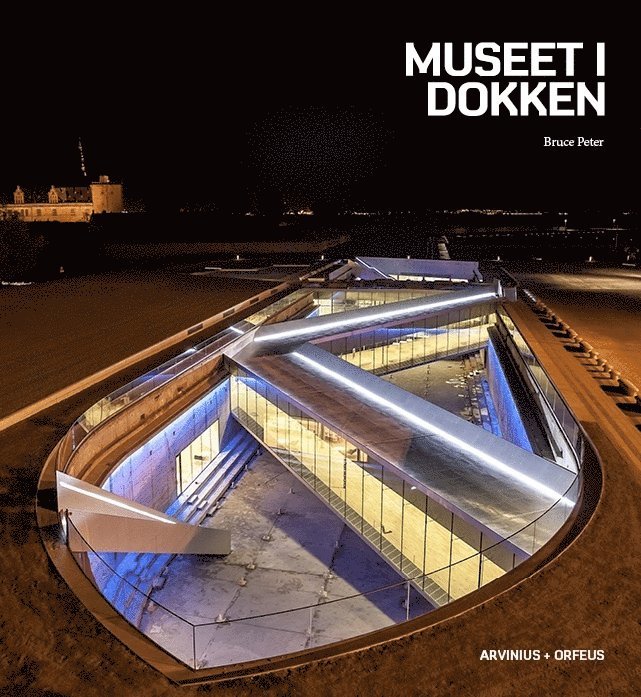
Byggeriet af det nye Søfartsmuseum i Helsingør repræsenterer et bemærkelsesværdigt eventyr inden for arkitektur, bygnings- og civilingeniørarbejde. Designet af den internationalt anerkendte arkitektvirksomhed Bjarke Ingels Group (BIG) er museet helt ulig andre museumbygningar i verden, og det skule vise sig at være umådeligt udfordrende at virkeliggøre visionerna. Udstillingerne i det nyåbnede M/S Museet før Søfart er designet af Kossman.dejong og fortæller historien om Danmarks maritime historie igennem involverende, dramatiske præsentationer. I tekst, fotografier og arkitekttegninger dokumenterar denne bog historien om hvordan museet fik sin plads i en forladt tørdok.
345 kr
Skickas
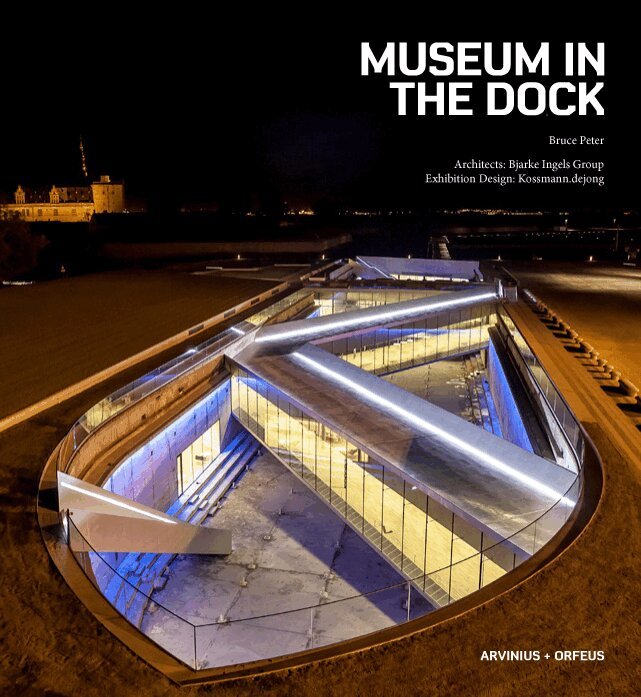
How does one breath new life into an abandoned dry dock? BIG Architects have designed an extraordinary museum to revive Denmark's proud maritime history. The danish Maritime Museum will fit into a unique historical and spatial context between one of Denmark's most important buildings - the world-famous Kronberg Castle - and a new, ambitious cultural centre. In order to preserve the dock as an open, outdoor space, BIG has placed the museum underground, just outside the wall of a dry dock in a formerly abandoned shipyard. In this subterranean position, the museum appears as part of the cultural environment, while at the same time standing as an independent institution. Through this extraordinary museum, BIG once again confirms its position as one of the world's leading architectural offices.