Bruno Gartman – författare
73 kr
Läs direkt efter köp
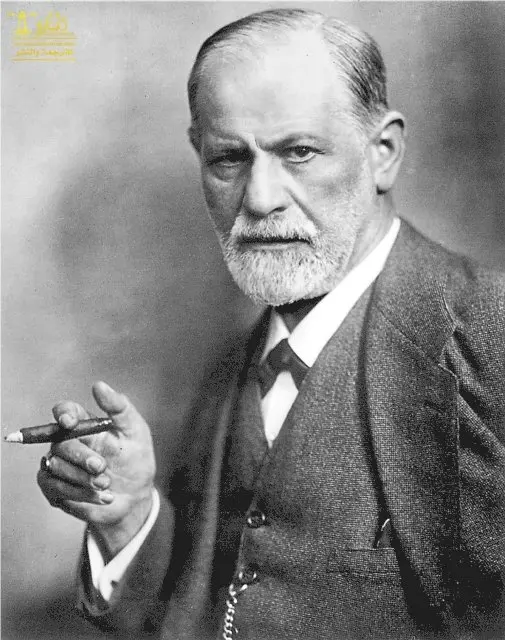
Sigmund Freud was an Austrian neurologist best known for developing the theories and techniques of psychoanalysis.
Sigmund Freud (May 6, 1856 to September 23, 1939) was an Austrian neurologist who developed psychoanalysis, a method through which an analyst unpacks unconscious conflicts based on the free associations, dreams and fantasies of the patient. His theories on child sexuality, libido and the ego, among other topics, were some of the most influential academic concepts of the 20th century.
This collection contain the following:
IntroductionFragment of an Analysis of a Case of HysteriaThe Interpretation of DreamsA General introduction to Psychoanalysis / Sigmund FreudStudies on Hysteria / with Josef BreuerDream Psychology: Psychoanalysis for Beginners / Sigmund FreudGroup Psychology and The Analysis of The Ego / Sigmund FreudLeonardo da Vinci: A Psychosexual Study of an Infantile Reminiscence / Sigmund FreudReflections on War and Death / Sigmund Freud; translated by Alfred B. KuttnerThree Contributions to the Theory of Sex / Sigmund FreudDelusion and Dream : an Interpretation in the Light of Psychoanalysis of GradivaPsycho-Analysis and the War Neuroses by Abraham, Ferenczi, Freud, Jones, and Simmel29 kr
Läs direkt efter köp
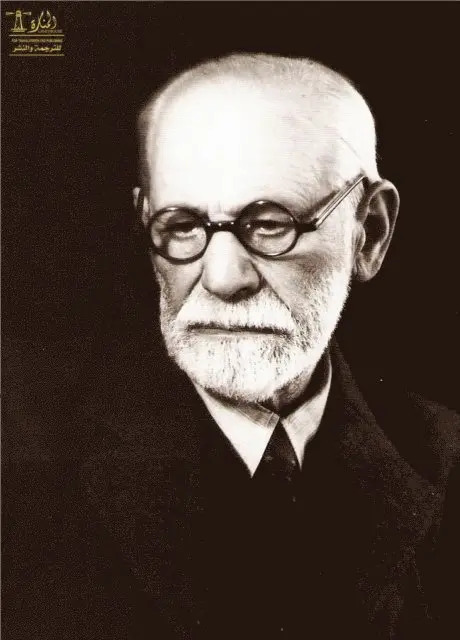
Freud’s theories were no doubt influenced by other scientific discoveries of his day. Charles Darwin's understanding of humankind as a progressive element of the animal kingdom certainly informed Freud's investigation of human behavior. Additionally, the formulation of a new principle by scientist Hermann von Helmholtz, stating that energy in any given physical system is always constant, informed Freud's scientific inquiries into the human mind. Freud's work has been both rapturously praised and hotly critiqued, but no one has influenced the science of psychology as intensely as Sigmund Freud.
The great reverence that was later given to Freud's theories was not in evidence for some years. Most of his contemporaries felt that his emphasis on sexuality was either scandalous or overplayed. In 1909, he was invited to give a series of lectures in the United States; it was only after the ensuing publication of his book Five Lectures on Psycho-Analysis (1916) that his fame grew exponentially.
327 kr
Läs direkt efter köp
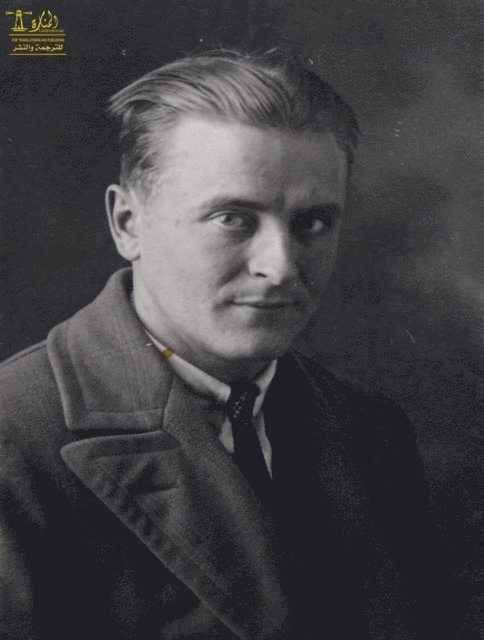
F. Scott Fitzgerald, in full Francis Scott Key Fitzgerald, (born September 24, 1896, St. Paul, Minnesota, U.S.—died December 21, 1940, Hollywood, California), American short-story writer and novelist famous for his depictions of the Jazz Age (the 1920s), his most brilliant novel being The Great Gatsby (1925). His private life, with his wife, Zelda, in both America and France, became almost as celebrated as his novels.
Fitzgerald was the only son of an unsuccessful, aristocratic father and an energetic, provincial mother. Half the time he thought of himself as the heir of his father’s tradition, which included the author of “The Star-Spangled Banner,” Francis Scott Key, after whom he was named, and half the time as “straight 1850 potato-famine Irish.” As a result he had typically ambivalent American feelings about American life, which seemed to him at once vulgar and dazzlingly promising.
This collection contain the following:
I. IntroductionII. Flappers and PhilosophersIII. Tales of the Jazz AgeIV. All the Sad Young MenV. Taps at ReveilleVI. The Pat Hobby StoriesVII. Short StoriesVIII. This Side of ParadiseIX. The Beautiful and DamnedX. The Great GatsbyXI. Tender is the NightXII. The Last Tycoon