Bryan C. Rindfleisch – författare
Visar alla böcker från författaren Bryan C. Rindfleisch. Handla med fri frakt och snabb leverans.
5 produkter
5 produkter
Inbunden, Engelska, 2019
624 kr
Skickas inom 5-8 vardagar
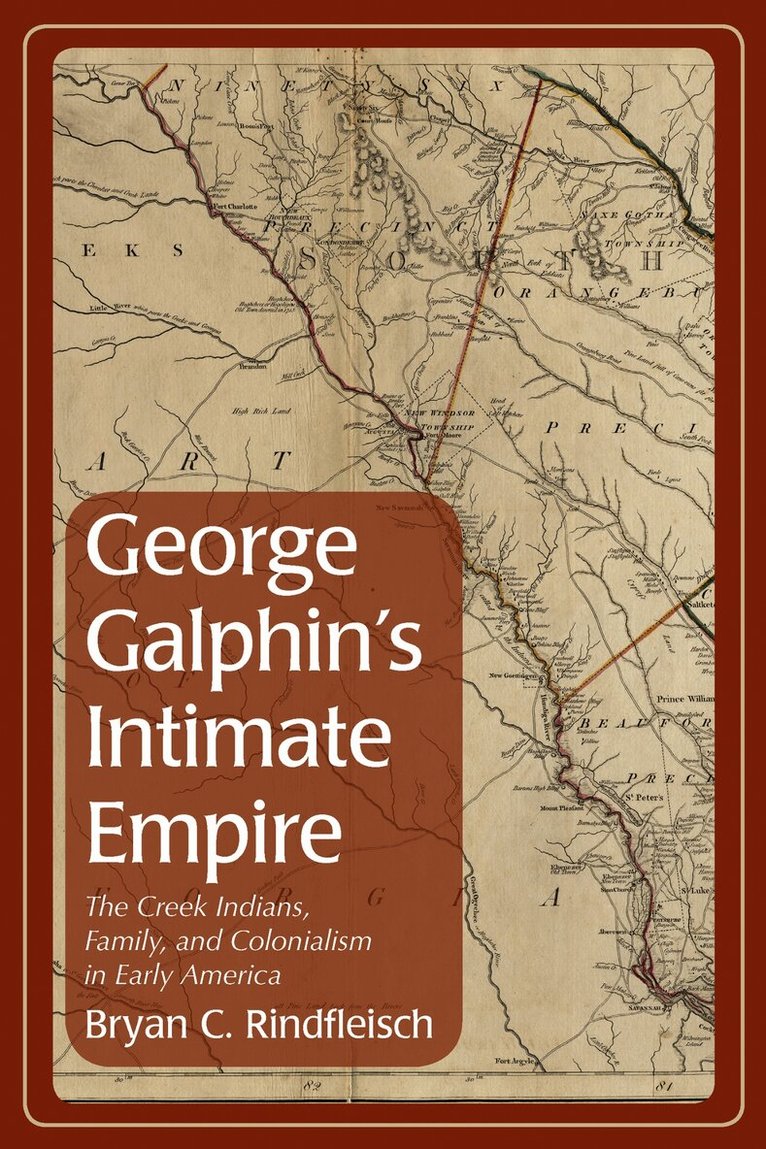
A revealing saga detailing the economic, familial, and social bonds forged by Indian trader George Galphin in the early American South. A native of Ireland, George Galphin arrived in South Carolina in 1737 and quickly emerged as one of the most proficient deerskin traders in the South. This was due in large part to his marriage to Metawney, a Creek Indian woman from the town of Coweta, who incorporated Galphin into her family and clan, allowing him to establish one of the most profitable merchant companies in North America. As part of his trade operations, Galphin cemented connections with Indigenous and European peoples across the South, while simultaneously securing links to merchants and traders in the British Empire, continental Europe, and beyond. In George Galphin's Intimate Empire: The Creek Indians, Family, and Colonialism in Early America, Bryan C. Rindfleisch presents a complex narrative about eighteenth-century cross-cultural relationships. Reconstructing the multilayered bonds forged by Galphin and challenging scholarly understandings of life in the Native South, the American South more broadly, and the Atlantic World, Rindfleisch looks simultaneously at familial, cultural, political, geographical, and commercial ties—examining how eighteenth-century people organized their world, both mentally and physically. He demonstrates how Galphin's importance emerged through the people with whom he bonded. At their most intimate, Galphin's multilayered relationships revolved around the Creek, Anglo-French, and African children who comprised his North American family, as well as family and friends on the other side of the Atlantic. Through extensive research in primary sources, Rindfleisch reconstructs an expansive imperial world that stretches across the American South and reaches into London and includes Indians, Europeans, and Africans who were intimately interconnected and mutually dependent. As a whole, George Galphin's Intimate Empire provides critical insights into the intensely personal dimensions and cross-cultural contours of the eighteenth-century South and how empire-building and colonialism were, by their very nature, intimate and familial affairs.
E-bok
Engelska, 20191 005 kr
Läs direkt efter köp
A revealing saga detailing the economic, familial, and social bonds forged by Indian trader George Galphin in the early American South A native of Ireland, George Galphin arrived in South Carolina in 1737 and quickly emerged as one of the most proficient deerskin traders in the South. This was due in large part to his marriage to Metawney, a Creek Indian woman from the town of Coweta, who incorporated Galphin into her family and clan, allowing him to establish one of the most profitable merchant companies in North America. As part of his trade operations, Galphin cemented connections with Indigenous and European peoples across the South, while simultaneously securing links to merchants and traders in the British Empire, continental Europe, and beyond. In George Galphin’s Intimate Empire: The Creek Indians, Family, and Colonialism in Early America, Bryan C. Rindfleisch presents a complex narrative about eighteenth-century cross-cultural relationships. Reconstructing the multilayered bonds forged by Galphin and challenging scholarly understandings of life in the Native South, the American South more broadly, and the Atlantic World, Rindfleisch looks simultaneously at familial, cultural, political, geographical, and commercial ties—examining how eighteenth-century people organized their world, both mentally and physically. He demonstrates how Galphin’s importance emerged through the people with whom he bonded. At their most intimate, Galphin’s multilayered relationships revolved around the Creek, Anglo-French, and African children who comprised his North American family, as well as family and friends on the other side of the Atlantic. Through extensive research in primary sources, Rindfleisch reconstructs an expansive imperial world that stretches across the American South and reaches into London and includes Indians, Europeans, and Africans who were intimately interconnected and mutually dependent. As a whole, George Galphin’s Intimate Empire provides critical insights into the intensely personal dimensions and cross-cultural contours of the eighteenth-century South and how empire-building and colonialism were, by their very nature, intimate and familial affairs.
Häftad, Engelska, 2026
626 kr
Kommande
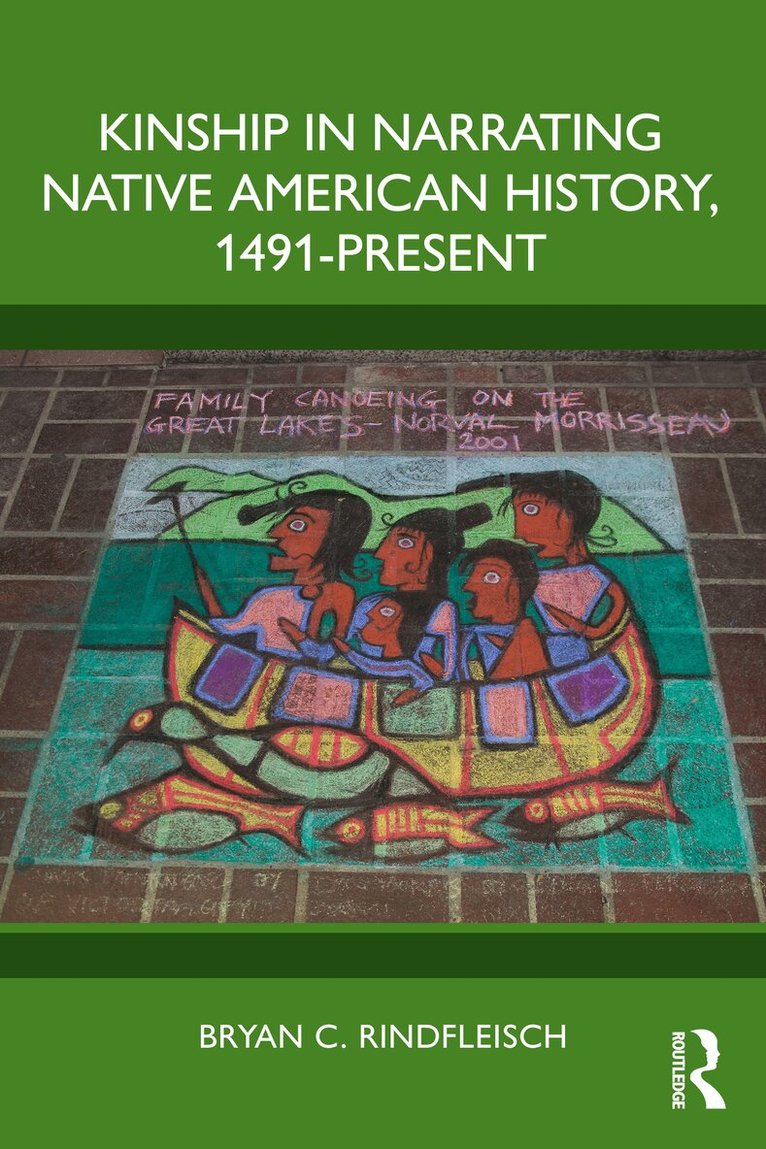
This book synthesizes traditional and modern historiography to narrate the practices of Native American family and kinship from 1491 to the present, highlighting how they evolved in response to Euro-American colonialism.For centuries, matrilineal kinship descent not only structured Indigenous worlds but was embedded throughout Native politics, trade, religious beliefs, social structures, and more. After European and African arrivals, family and kinship systems continued to define Indigenous worlds and communities. However, these practices experienced profound pressures due to the unprecedented threats posed by Euro-American colonialism. Some practices evolved and adapted, at times retaining elements of matrilineal kinship systems and at other times incorporating non-Native cultural practices or giving life to new traditions. The book narrates these different paths of evolution, through the eras of Contact, to the Seven Years’ War and American Revolution, federal Indian removal policy, U.S. expansion and the creation of Indian Territory, and more, to demonstrate how the creation of the United States represented the greatest threat to Indigenous worlds and communities. Consequently, Native family and kinship systems evolve even more rapidly, culminating in the assimilation era of boarding schools and reservation allotment. Nonetheless, the book stresses how Indigenous concepts of family and kinship remained agile, transformative, and connected to emerging assertions of tribal sovereignty and nationhood in the twentieth and twenty-first centuries.Kinship in Narrating Native American History, 1491‒Present will be of interest to students and scholars of Native American history, American women’s history, Sociology and Anthropology.
Inbunden, Engelska, 2026
2 292 kr
Kommande
This book synthesizes traditional and modern historiography to narrate the practices of Native American family and kinship from 1491 to the present, highlighting how they evolved in response to Euro-American colonialism.For centuries, matrilineal kinship descent not only structured Indigenous worlds but was embedded throughout Native politics, trade, religious beliefs, social structures, and more. After European and African arrivals, family and kinship systems continued to define Indigenous worlds and communities. However, these practices experienced profound pressures due to the unprecedented threats posed by Euro-American colonialism. Some practices evolved and adapted, at times retaining elements of matrilineal kinship systems and at other times incorporating non-Native cultural practices or giving life to new traditions. The book narrates these different paths of evolution, through the eras of Contact, to the Seven Years’ War and American Revolution, federal Indian removal policy, U.S. expansion and the creation of Indian Territory, and more, to demonstrate how the creation of the United States represented the greatest threat to Indigenous worlds and communities. Consequently, Native family and kinship systems evolve even more rapidly, culminating in the assimilation era of boarding schools and reservation allotment. Nonetheless, the book stresses how Indigenous concepts of family and kinship remained agile, transformative, and connected to emerging assertions of tribal sovereignty and nationhood in the twentieth and twenty-first centuries.Kinship in Narrating Native American History, 1491‒Present will be of interest to students and scholars of Native American history, American women’s history, Sociology and Anthropology.
Häftad, Engelska, 2024
307 kr
Skickas inom 5-8 vardagar
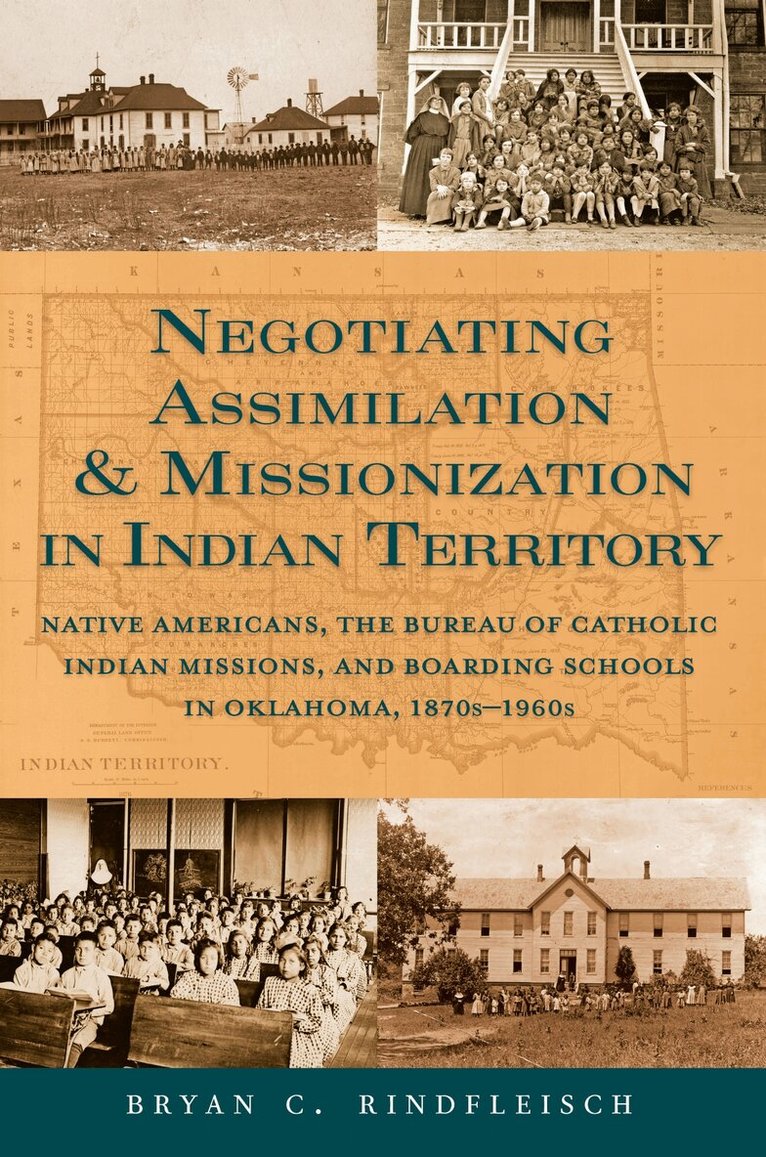
From the 1870s through the 1960s, Indian Territory and Oklahoma were at the center of federal assimilation policies and Catholic missionization efforts, particularly in the form of Indian boarding schools. In Negotiating Assimilation and Missionization in Indian Territory, Professor Bryan Rindfleisch explores the complex history and enduring repercussions of Catholic Indian boarding schools for both Native American and Catholic communities in Oklahoma. By delving into archival records, personal narratives, and community responses, Professor Rindfleisch weaves together independent historical analysis with understanding of what Native American students, families, and tribes endured in the name of assimilation.