Burton I. Kaufman – författare
Visar alla böcker från författaren Burton I. Kaufman. Handla med fri frakt och snabb leverans.
10 produkter
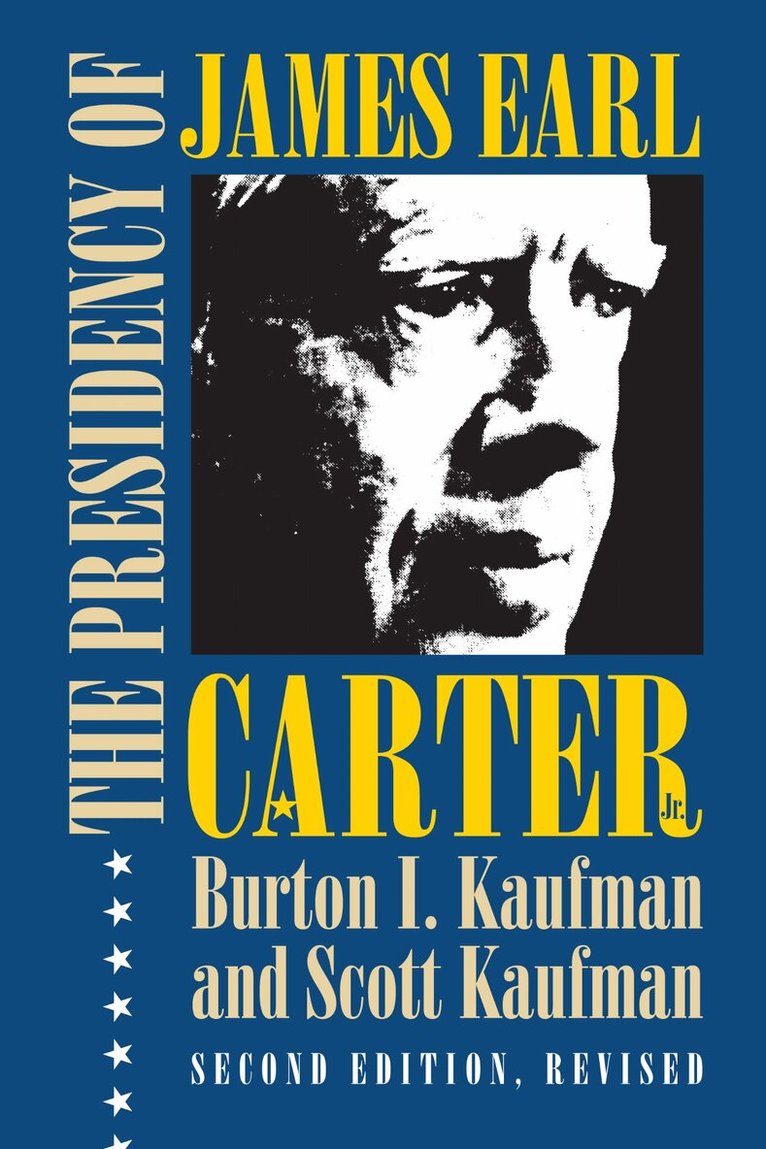
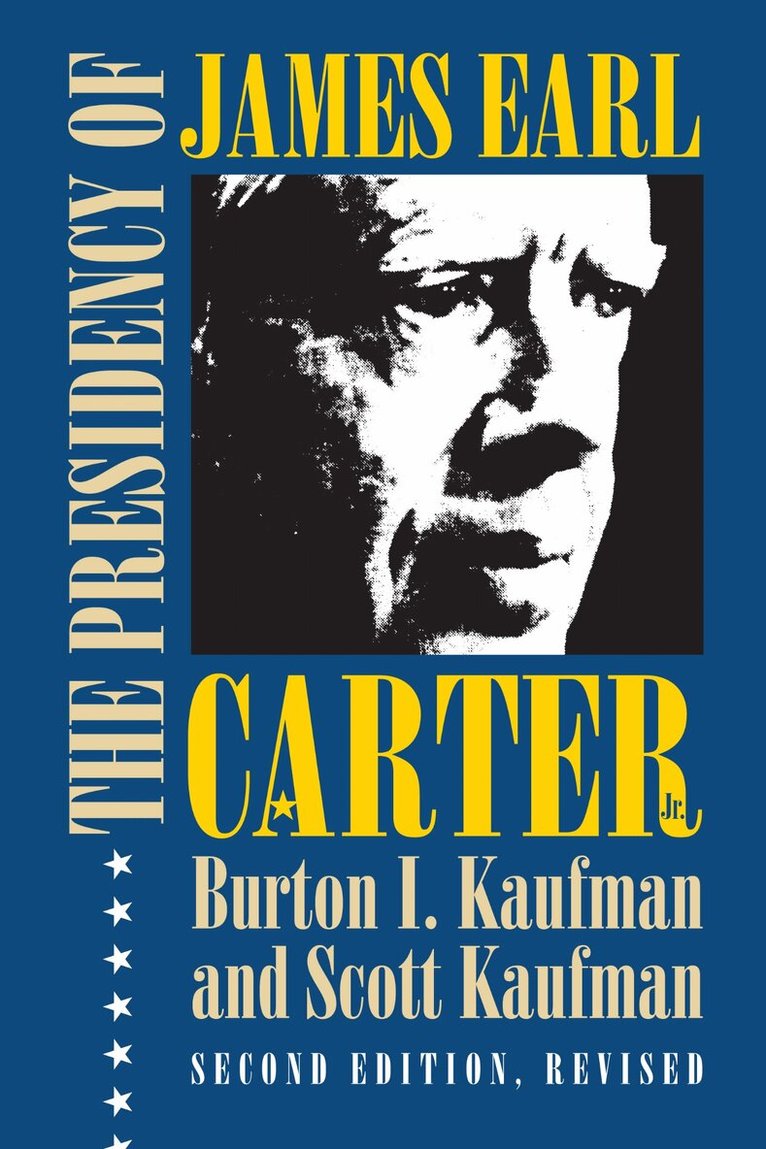
Presidency of James Earl Carter, Jr.
Av Burton I. Kaufman, Scott Kaufman
Häftad, 2006
395 kr
Lägg i varukorg
He has been called America's greatest ex-president, a man who lost the White House after one term but went on to become a respected spokesman for peace and human rights. Burton Kaufman's book on the Carter years was hailed as the best account of his administration. This new edition probes more …
Presidency of James Earl Carter, Jr.
Av Scott Kaufman, Burton I. Kaufman
E-bok, 2024
460 kr
Lägg i varukorg
He has been called America’s greatest ex-president, a man who lost the White House after one term but went on to become a respected spokesman for peace and human rights. Burton Kaufman’s book on the Carter years was hailed as the best account of his administration. This new edition probes more …
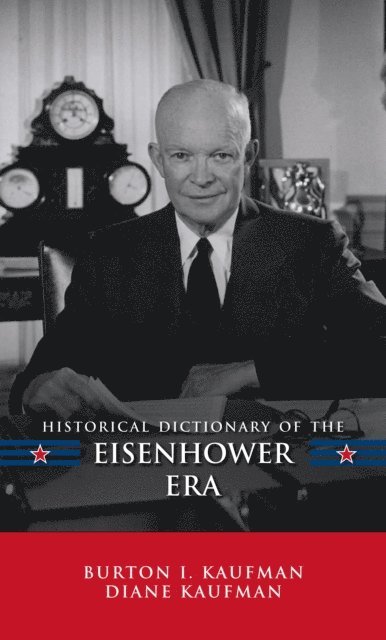
Historical Dictionary of the Eisenhower Era
Av Burton I. Kaufman, Diane Kaufman
E-bok, 2008
1629 kr
Lägg i varukorg
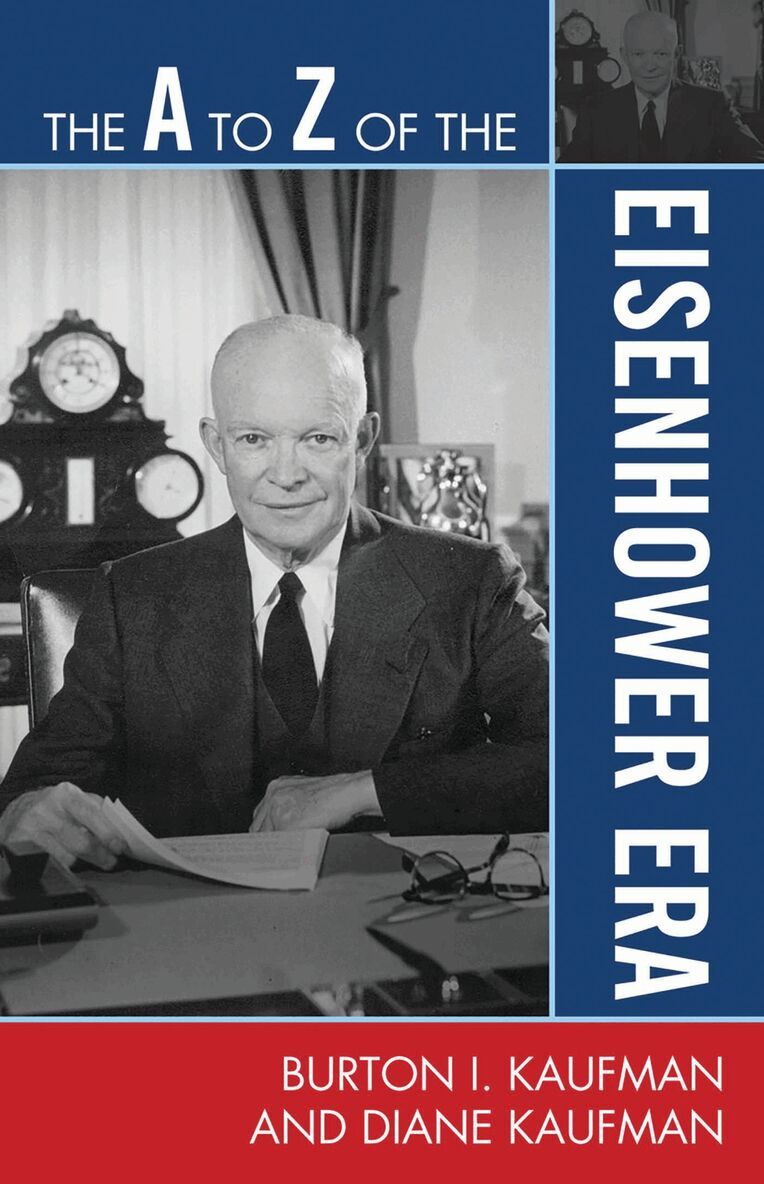
U.S. Army General Dwight D. Eisenhower first entered into the public eye during World War II as the Supreme Commander of the Allied Forces in Europe. In 1952, he was elected as the 34th President of the United States and served two terms. During those terms he oversaw the cease-fire of the Korean …
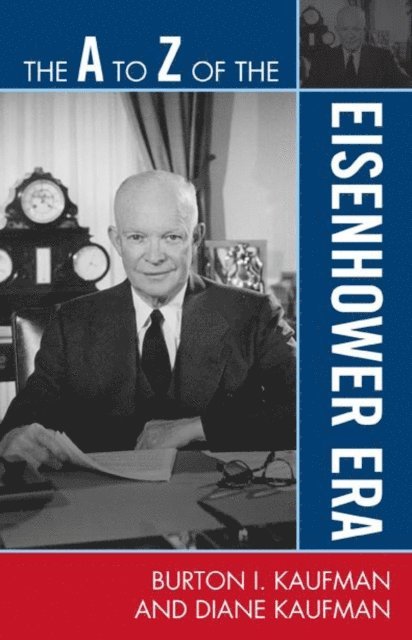
A to Z of the Eisenhower Era
Av Burton I. Kaufman, Diane Kaufman
E-bok, 2009
803 kr
Lägg i varukorg
U.S. Army General Dwight D. Eisenhower first entered into the public eye during World War II as the Supreme Commander of the Allied Forces in Europe. In 1952, he was elected as the 34th President of the United States and served two terms. During those terms he oversaw the cease-fire of the Korean …
A to Z of the Eisenhower Era
Av Burton I. Kaufman, Diane Kaufman
Häftad, 2009
732 kr
Lägg i varukorg
U.S. Army General Dwight D. Eisenhower first entered into the public eye during World War II as the Supreme Commander of the Allied Forces in Europe. In 1952, he was elected as the 34th President of the United States and served two terms. During those terms he oversaw the cease-fire of the Korean …
Trade and Aid
Eisenhower's Foreign Economic Policy, 1953-1961
Häftad, 2020
636 kr
Lägg i varukorg
Originally published in 1982. Trade and Aid outlines the transition of U.S. foreign policy during the Eisenhower administration. In the years leading up to Eisenhower's election, America's predominant foreign economic program was based on the concept of "trade not aid," which deemphasized foreign …
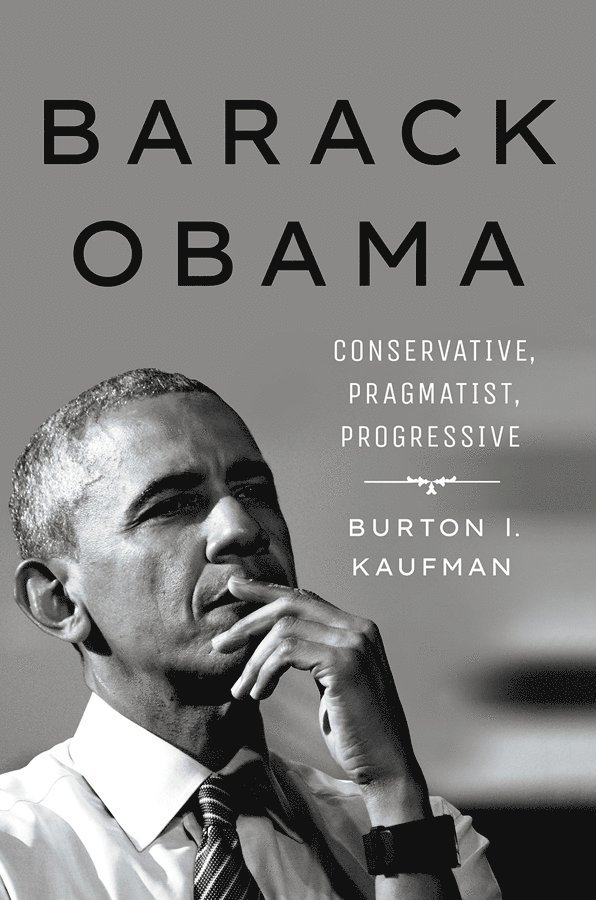
Barack Obama
Conservative, Pragmatist, Progressive
Inbunden, 2022
363 kr
Lägg i varukorg
In this insightful biography, Burton I. Kaufman explores how the political career of Barack Obama was marked by conservative tendencies that frustrated his progressive supporters and gave the lie to socialist fearmongering on the right. Obama's was a landmark presidency that paradoxically, Kaufman …
Presidency of James Earl Carter, Jr.
Inbunden, 1993
342 kr
Tillfälligt slut
As President, Jimmy Carter was renowned for abandoning Washington protocol. Ousting presidential pomp and circumstance and elitism, he banished the presidential limousines and carried his own bags. Following his political convictions, he saw himself as a public trustee, determined to play a …
Presidency of James Earl Carter, Jr.
Av Burton I. Kaufman, Scott Kaufman
Inbunden, 2006
1157 kr
Tillfälligt slut
He has been called America's greatest ex-president, a man who lost the White House after one term but went on to become a respected spokesman for peace and human rights. Burton Kaufman's book on the Carter years was hailed as the best account of his administration. This new edition probes more …
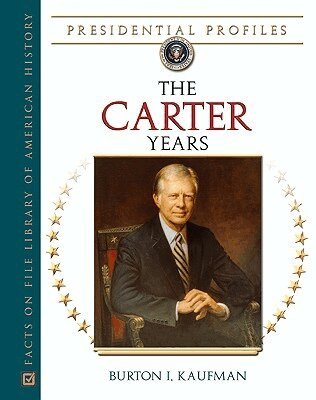
Carter Years
Inbunden, 2006
984 kr
Tillfälligt slut
After the Vietnam War came to a close in 1975, American citizens were greatly disheartened by the loss and devastation caused by the war. Facing high unemployment rates, high inflation, and oil shortages across the country, the American people were looking for a president who could revamp their …