C. Colt Anderson – författare
Visar alla böcker från författaren C. Colt Anderson. Handla med fri frakt och snabb leverans.
4 produkter
4 produkter
Inbunden, Engelska, 2021
448 kr
Skickas inom 10-15 vardagar
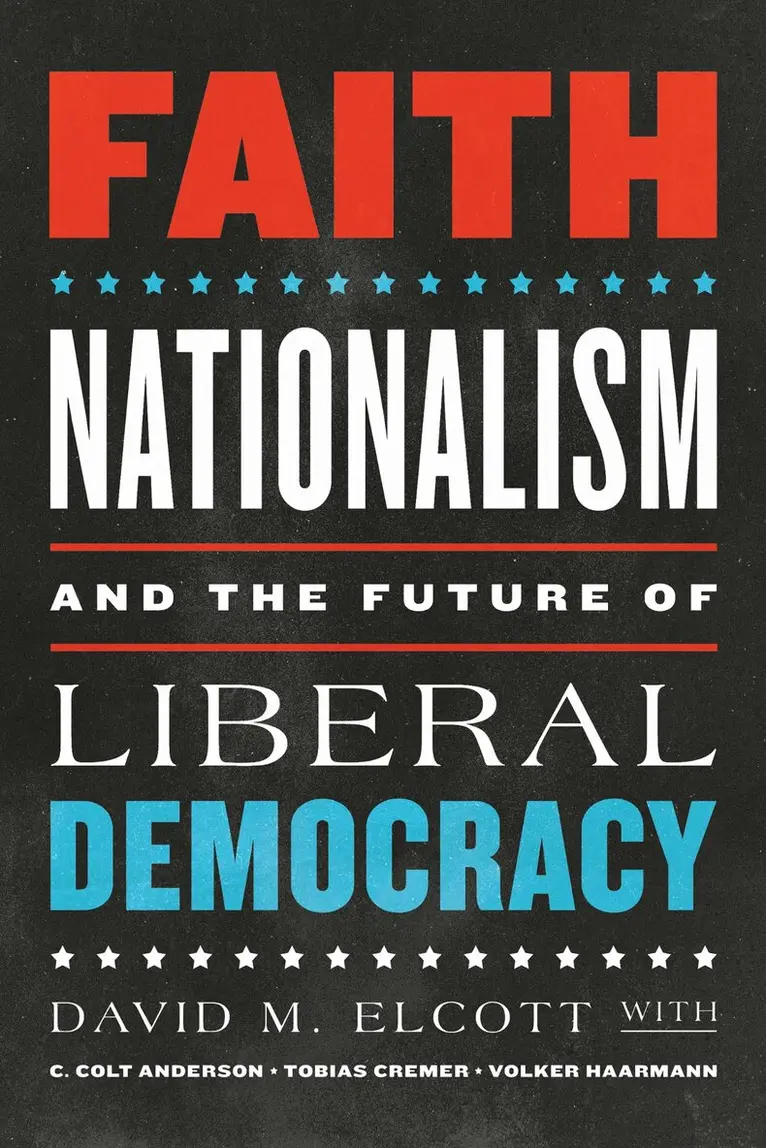
Faith, Nationalism, and the Future of Liberal Democracy highlights the use of religious identity to fuel the rise of illiberal, nationalist, and populist democracy.In Faith, Nationalism, and the Future of Liberal Democracy, David Elcott, C. Colt Anderson, Tobias Cremer, and Volker Haarmann present a pragmatic and modernist exploration of how religion engages in the public square. Elcott and his co-authors are concerned about the ways religious identity is being used to foster the exclusion of individuals and communities from citizenship, political representation, and a role in determining public policy. They examine the ways religious identity is weaponized to fuel populist revolts against a political, social, and economic order that values democracy in a global and strikingly diverse world. Included is a history and political analysis of religion, politics, and policies in Europe and the United States that foster this illiberal rebellion.The authors explore what constitutes a constructive religious voice in the political arena, even in nurturing patriotism and democracy, and what undermines and threatens liberal democracies. To lay the groundwork for a religious response, the book offers chapters showing how Catholicism, Protestantism, and Judaism can nourish liberal democracy. The authors encourage people of faith to promote foundational support for the institutions and values of the democratic enterprise from within their own religious traditions and to stand against the hostility and cruelty that historically have resulted when religious zealotry and state power combine.Faith, Nationalism, and the Future of Liberal Democracy is intended for readers who value democracy and are concerned about growing threats to it, and especially for people of faith and religious leaders, as well as for scholars of political science, religion, and democracy.
Häftad, Engelska, 2025
357 kr
Skickas
Faith, Nationalism, and the Future of Liberal Democracy highlights the use of religious identity to fuel the rise of illiberal, nationalist, and populist democracy.In Faith, Nationalism, and the Future of Liberal Democracy, David Elcott, C. Colt Anderson, Tobias Cremer, and Volker Haarmann present a pragmatic and modernist exploration of how religion engages in the public square. Elcott and his co-authors are concerned about the ways religious identity is being used to foster the exclusion of individuals and communities from citizenship, political representation, and a role in determining public policy. They examine the ways religious identity is weaponized to fuel populist revolts against a political, social, and economic order that values democracy in a global and strikingly diverse world. Included is a history and political analysis of religion, politics, and policies in Europe and the United States that foster this illiberal rebellion.The authors explore what constitutes a constructive religious voice in the political arena, even in nurturing patriotism and democracy, and what undermines and threatens liberal democracies. To lay the groundwork for a religious response, the book offers chapters showing how Catholicism, Protestantism, and Judaism can nourish liberal democracy. The authors encourage people of faith to promote foundational support for the institutions and values of the democratic enterprise from within their own religious traditions and to stand against the hostility and cruelty that historically have resulted when religious zealotry and state power combine.Faith, Nationalism, and the Future of Liberal Democracy is intended for readers who value democracy and are concerned about growing threats to it, and especially for people of faith and religious leaders, as well as for scholars of political science, religion, and democracy.
Häftad, Engelska, 2026
305 kr
Kommande
Clericalism confronts what many consider the most urgent and unresolved issue facing the Catholic Church today: the systemic failure to enact lasting reform in the wake of the sexual abuse crisis. Moving beyond surface-level explanations, this timely and courageous book draws on insights from a wide range of secular disciplines—including organizational behavior, sociology, economics, and psychology—to diagnose the deep structural and cultural forces that have allowed clerical abuse and cover-ups to persist.At the heart of the analysis is clericalism itself: a system of rules, incentives, and unchecked authority that distorts accountability and impedes meaningful change. By tracing how these mechanisms function within Church life, the author offers not only a sharp critique but also a constructive path forward—one that prioritizes transparency, shared responsibility, and the dignity of all the faithful.Both urgent and hopeful, Clericalism is essential reading for those committed to the renewal of the Church, including lay leaders, clergy, theologians, and anyone seeking to understand—and help heal—the institutional wounds of Catholicism today.
Del 62 - Brill's Companions to the Christian Tradition
Companion to Priesthood and Holy Orders in the Middle Ages
Inbunden, Engelska, 2015
3 080 kr
Skickas inom 5-8 vardagar
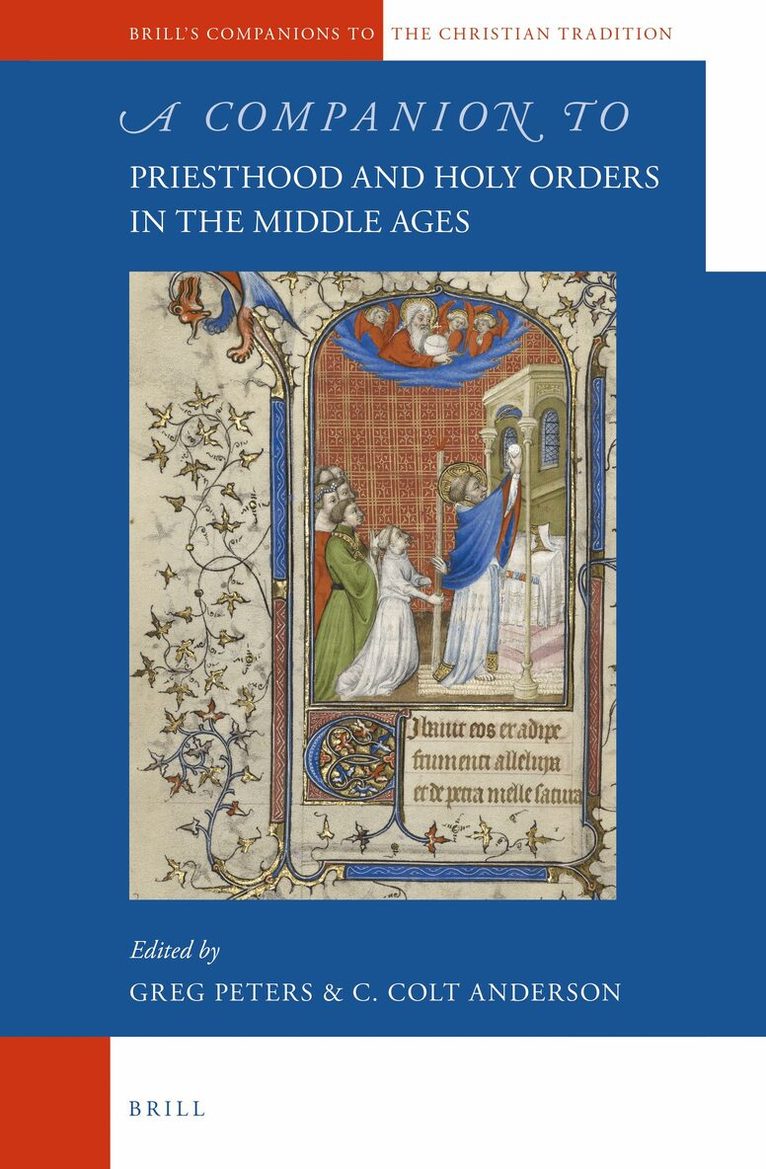
In A Companion to Priesthood and Holy Orders in the Middle Ages, a select group of scholars explain the rise and function of priests and deacons in the Middle Ages. Though priests were sometimes viewed through the lens of function, the medieval priesthood was also defined ontologically–those marked by God who performed the sacraments and confected the Eucharist.While their role grew in importance, medieval priests continued to fulfil the role of preacher, confessor and provider of pastoral care. As the concept of ordination changed theologically the practices and status of bishops, priests and deacons continued to be refined, with many of these medieval discussions continuing to the present day.