Camilla Nelson – författare
Visar alla böcker från författaren Camilla Nelson. Handla med fri frakt och snabb leverans.
5 produkter
5 produkter
E-bok
Engelska, 2011313 kr
Läs direkt efter köp
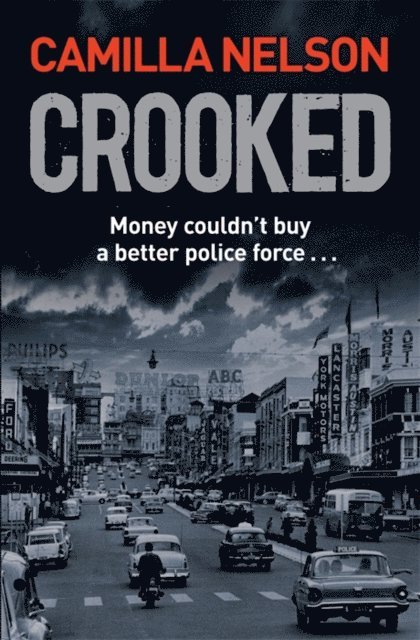
Money couldn’t buy a better police force . . .Corruption, prostitution, gambling, bent coppers, crooked politicians, honest crims. It''s all in a day''s work. Set against the backdrop of the Askin government with events revolving around notorious crime identities Dick Reilly, Lennie McPherson and Johnny Warren, Crooked reveals the dark underbelly of Sydney during the late 1960s. Gus Finlay is a fresh-faced young detective who is transferred to the Criminal Investigation Branch after his partner has been exposed as running crooked. Sydney is a savage place. A series of violent killings escalate with a spectacular execution-style murder. When a black book with names of prominent politicians and members of the police force is discovered among the dead man''s things, the case is blown wide open, and someone will have to pay . . .
E-bok
Engelska, 2021198 kr
Läs direkt efter köp
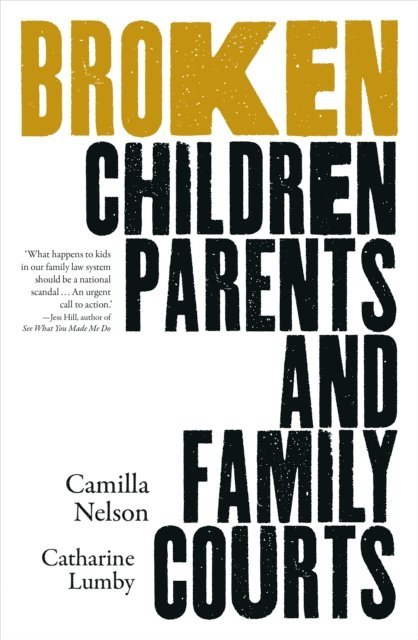
A devastating account of how Australia’s family courts fail children, families and victims of domestic abuseThe family courts intimately affect the lives of those who come before them. Judges can decide where you are allowed to live and work, which school your child can attend and whether you are even permitted to see your child. Lawyers can interrogate every aspect of your personal life during cross-examination, and argue whether or not you are fit to be a parent.Broken explores the complexities and failures of Australia’s family courts through the stories of children and parents whose lives have been shattered by them. Camilla Nelson and Catharine Lumby take the reader into the back rooms of the system to show what it feels like to be caught up in spirals of abusive litigation. They reveal how the courts have been politicised by Pauline Hanson and men’s rights groups, and how those they are meant to protect most – children – are silenced or treated as property.Exploring the legal culture, gender politics and financial incentives that drive the system, Broken reveals how the family courts – despite the high ideals on which they were founded – have turned into the worst possible place for vulnerable families and children.Camilla Nelson is an associate professor in media at the University of Notre Dame Australia. A former Walkley Award winner, her writing has appeared in The Conversation, The Independent, Guardian Australia, Mamamia, Marie Claire and the ABC. Broken is her fifth book.Catharine Lumby is a media professor at the University of Sydney. She has a law degree, is the author of six books and has written for The Guardian, The Sydney Morning Herald, ABC-TV and The Bulletin.''What happens to kids in our family law system should be a national scandal – and yet, so few people know about it. This book finally lifts the lid on this broken system, and shows how this once-great institution now regularly orders children to see or live with dangerous parents, and bankrupts the victim-parents trying to protect them. An urgent call to action.''—Jess Hill, author of See What You Made Me Do''This searing review of Australia’s family court system is in turns heartbreaking and enraging. Drawing on recent cases and interviews, it shows how family violence continues to be misunderstood and how violent perpetrators are able to manipulate the legal system. It reveals that too often children are not heard, sometimes with devastating outcomes. This book is an urgent appeal: we must do better.''—Professor Heather Douglas, author of Women, Intimate Partner Violence and the Law
Häftad, Engelska, 2017
171 kr
Skickas inom 5-8 vardagar
Inbunden, Engelska, 2025
1 518 kr
Skickas inom 5-8 vardagar
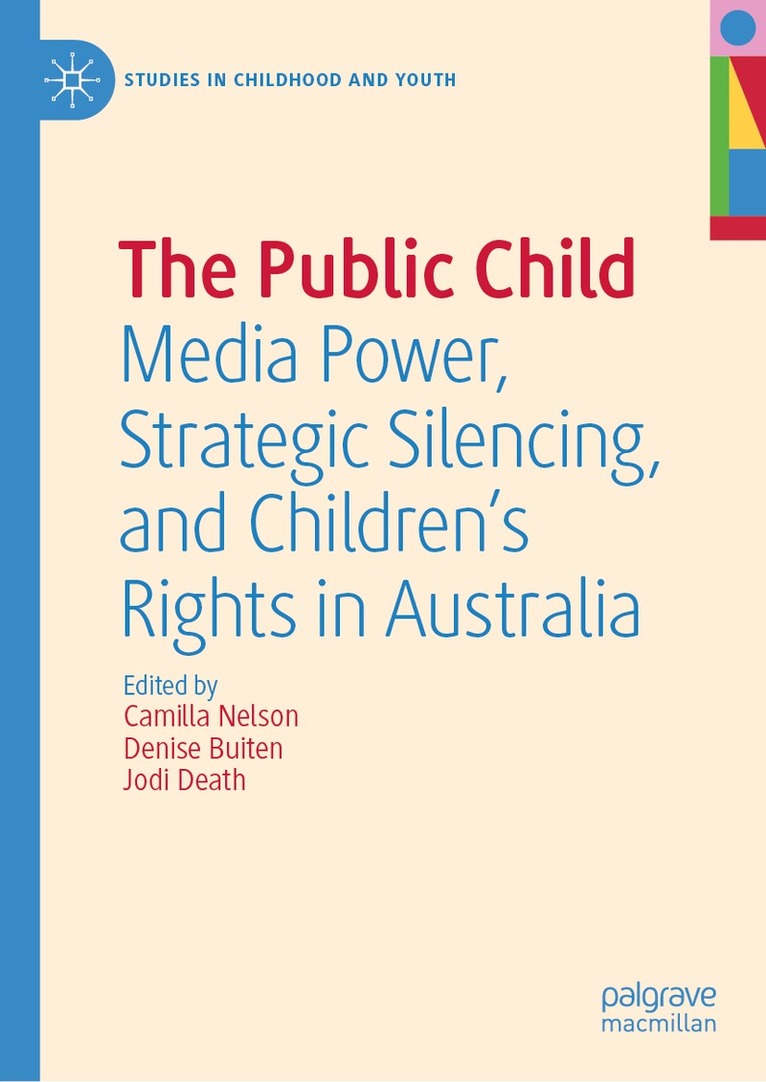
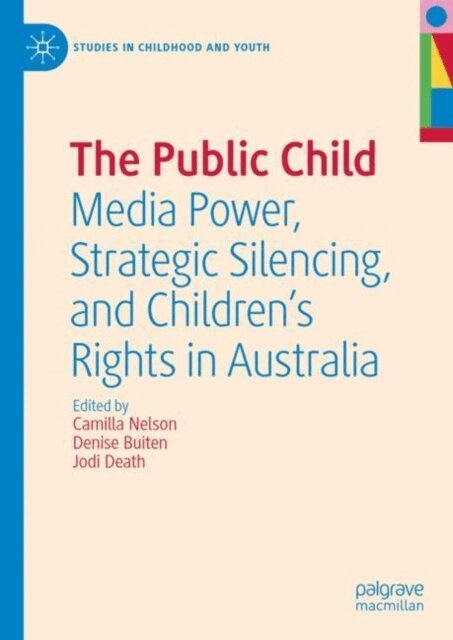
This edited book examines the cultural construction of the “public child” and its impact on children’s rights in Australia. The “public child” refers to a real child or groups of children whose lives have attracted media attention— either because concerns have been raised about their safety or because they have been identified as threats to others. Positioned at the intersection of media, politics, and policymaking, this collection explores how, in an increasingly mediatized political landscape, discursive constructions of the “public child” shape state responses, exerting a logic of control and silencing. Amid international debates on child social media bans and increasingly punitive justice systems, this timely work will appeal to scholars of family and youth sociology, criminology, media and gender studies, and education, as well as journalists and legal practitioners specializing in children’s rights. The book includes five sections: Media and Regulatory Theatre, Domestic Family and Sexual Violence, Justice Systems, Sex and Gender, and Speaking Out and Listening In. The final section focuses on how children exercise agency and express their perspectives, and how adults can serve as allies to them.
1 825 kr
Läs direkt efter köp
This edited book examines the cultural construction of the “public child” and its impact on children’s rights in Australia. The “public child” refers to a real child or groups of children whose lives have attracted media attention— either because concerns have been raised about their safety or because they have been identified as threats to others. Positioned at the intersection of media, politics, and policymaking, this collection explores how, in an increasingly mediatized political landscape, discursive constructions of the “public child” shape state responses, exerting a logic of control and silencing. Amid international debates on child social media bans and increasingly punitive justice systems, this timely work will appeal to scholars of family and youth sociology, criminology, media and gender studies, and education, as well as journalists and legal practitioners specializing in children’s rights. The book includes five sections: Media and Regulatory Theatre, Domestic Family and Sexual Violence, Justice Systems, Sex and Gender, and Speaking Out and Listening In. The final section focuses on how children exercise agency and express their perspectives, and how adults can serve as allies to them.