Camilla Townsend – författare
Visar alla böcker från författaren Camilla Townsend. Handla med fri frakt och snabb leverans.
17 produkter
17 produkter
Häftad, Engelska, 2021
245 kr
Skickas
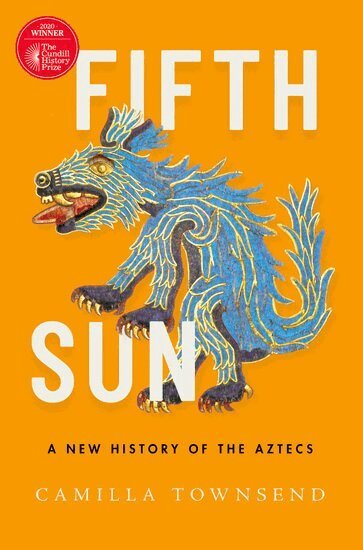
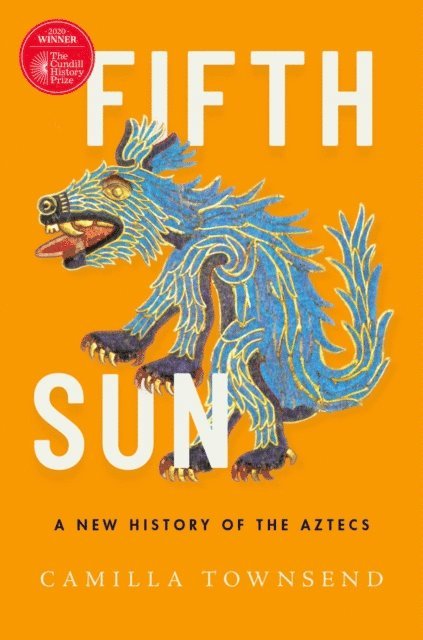
In November 1519, Hernando Cortés walked along a causeway leading to the capital of the Aztec kingdom and came face to face with Moctezuma. That story--and the story of what happened afterwards--has been told many times, but always following the narrative offered by the Spaniards. After all, we have been taught, it was the Europeans who held the pens. But the Native Americans were intrigued by the Roman alphabet and, unbeknownst to the newcomers, they used it to write detailed histories in their own language of Nahuatl. Until recently, these sources remained obscure, only partially translated, and rarely consulted by scholars. For the first time, in Fifth Sun, the history of the Aztecs is offered in all its complexity based solely on the texts written by the indigenous people themselves. Camilla Townsend presents an accessible and humanized depiction of these native Mexicans, rather than seeing them as the exotic, bloody figures of European stereotypes. The conquest, in this work, is neither an apocalyptic moment, nor an origin story launching Mexicans into existence. The Mexica people had a history of their own long before the Europeans arrived and did not simply capitulate to Spanish culture and colonization. Instead, they realigned their political allegiances, accommodated new obligations, adopted new technologies, and endured. This engaging revisionist history of the Aztecs, told through their own words, explores the experience of a once-powerful people facing the trauma of conquest and finding ways to survive, offering an empathetic interpretation for experts and non-specialists alike.
Inbunden, Engelska, 2020
387 kr
Skickas inom 5-8 vardagar
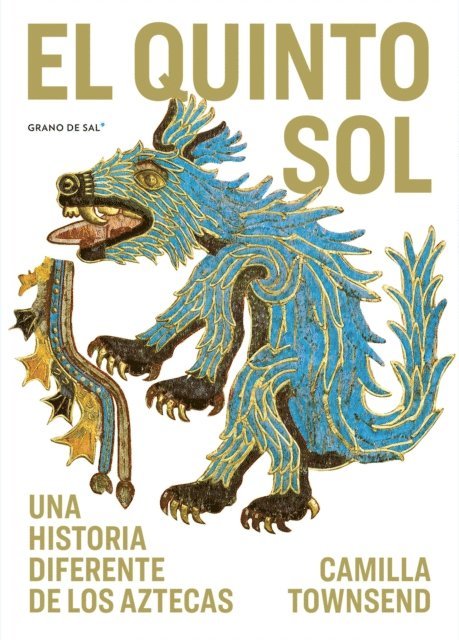
In November 1519, Hernando Cortés walked along a causeway leading to the capital of the Aztec kingdom and came face to face with Moctezuma. That story--and the story of what happened afterwards--has been told many times, but always following the narrative offered by the Spaniards. After all, we have been taught, it was the Europeans who held the pens. But the Native Americans were intrigued by the Roman alphabet and, unbeknownst to the newcomers, they used it to write detailed histories in their own language of Nahuatl. Until recently, these sources remained obscure, only partially translated, and rarely consulted by scholars. For the first time, in Fifth Sun, the history of the Aztecs is offered in all its complexity based solely on the texts written by the indigenous people themselves. Camilla Townsend presents an accessible and humanized depiction of these native Mexicans, rather than seeing them as the exotic, bloody figures of European stereotypes. The conquest, in this work, is neither an apocalyptic moment, nor an origin story launching Mexicans into existence. The Mexica people had a history of their own long before the Europeans arrived and did not simply capitulate to Spanish culture and colonization. Instead, they realigned their political allegiances, accommodated new obligations, adopted new technologies, and endured. This engaging revisionist history of the Aztecs, told through their own words, explores the experience of a once-powerful people facing the trauma of conquest and finding ways to survive, offering an empathetic interpretation for experts and non-specialists alike.
Häftad, Engelska, 2019
351 kr
Skickas inom 5-8 vardagar
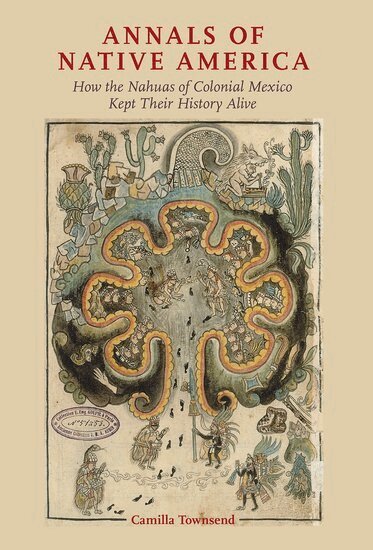
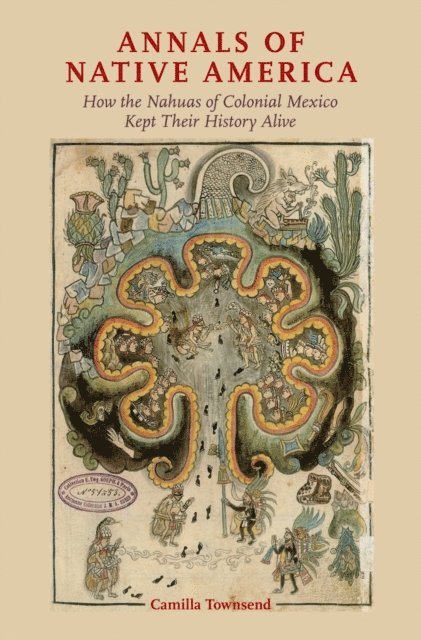
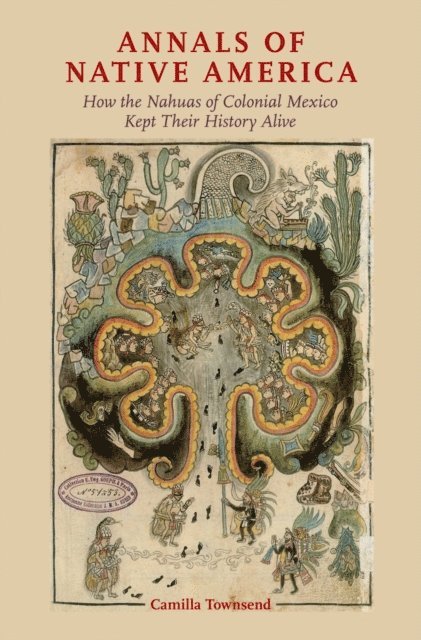
For many generations, the Nahuas of Mexico maintained their tradition of the xiuhpohualli. or "year counts," telling and performing their history around communal firesides so that the memory of it would not be lost. When the Spaniards came, young Nahuas took the Roman letters taught to them by the friars and used the new alphabet to record historical performances by elders. Between them, they wrote hundreds of pages, which circulated widely within their communities. Over the next century and a half, their descendants copied and recopied these texts, sometimes embellishing, sometimes extracting, and often expanding them chronologically.The annals, as they have usually been called, were written not only by Indians but also for Indians, without regard to European interests. As such they are rare and inordinately valuable texts. They have often been assumed to be both largely anonymous and at least partially inscrutable to modern ears. In this work, Nahuatl scholar Camilla Townsend reveals the authors of most of the texts, restores them to their proper contexts, and makes sense of long misunderstood documents. She follows a remarkable chain of Nahua historians, generation by generation, exploring who they were, what they wrote, and why they wrote it. Sometimes they conceived of their work as a political act, reinstating bonds between communities, or between past, present, and future generations. Sometimes they conceived of it largely as art and delighted in offering language that was beautiful or startling or humorous. Annals of Native America brings together, for the first time, samples of their many creations to offer a heretofore obscured history of the Nahuas and an alternate perspective on the Conquest and its aftermath.
Inbunden, Engelska, 2016
519 kr
Skickas inom 5-8 vardagar
For many generations, the Nahuas of Mexico maintained their tradition of the xiuhpohualli (SHOO-po-wa-lee), or "year counts," telling and performing their history around communal firesides so that the memory of it would not be lost. When the Spaniards came, young Nahuas took the Roman letters taught them by the friars and used the new alphabet to record historical performances by elders. These written texts were carefully preserved and even expanded upon for over a century. The annals, as they have often been called, were written not only by Indians but also for Indians, without regard to European interests. As such they are rare and inordinately valuable texts. But they have also been difficult for recent generations to understand. They have often been assumed to be both largely anonymous and at least partially inscrutable to modern ears. Now Nahuatl scholar Camilla Townsend, by dint of careful research, has been able to deduce authorship in the case of most of the texts, allowing her to restore them to their proper contexts and make sense of long misunderstood documents. She follows a remarkable chain of Nahua historians chronologically, generation by generation, telling of their lives and exploring what they wrote and why they wrote it. Sometimes they conceived of their work as a political act, reinstating bonds between communities, or between past, present, and future generations. Sometimes they conceived of it as art more than anything else, and delighted in offering language that was beautiful or startling or humorous. They were the writers of a literature that they hoped would be passed down to posterity. Their work did survive. Here for the first time, samples of their many creations have been brought together into one book, together with the stories of the writers' lives, to produce a work accessible to the people of today even as it remains faithful to the ethos of the past.
Häftad, Engelska
1 341 kr
Skickas inom 3-6 vardagar
Inbunden, Engelska, 2025
1 463 kr
Skickas inom 3-6 vardagar
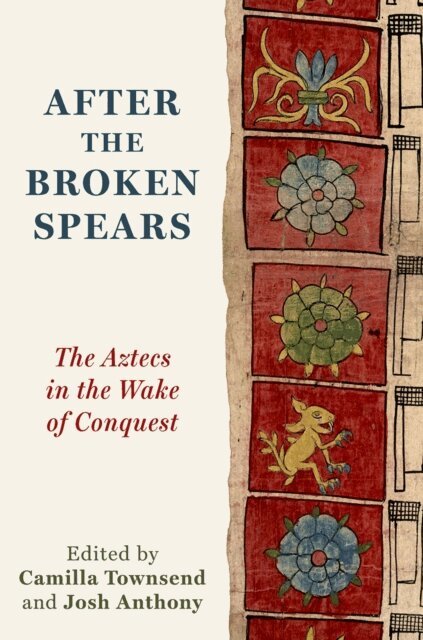
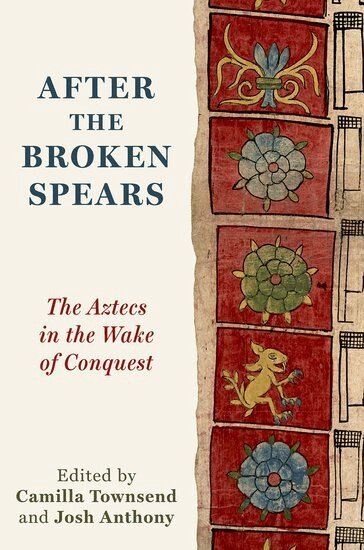
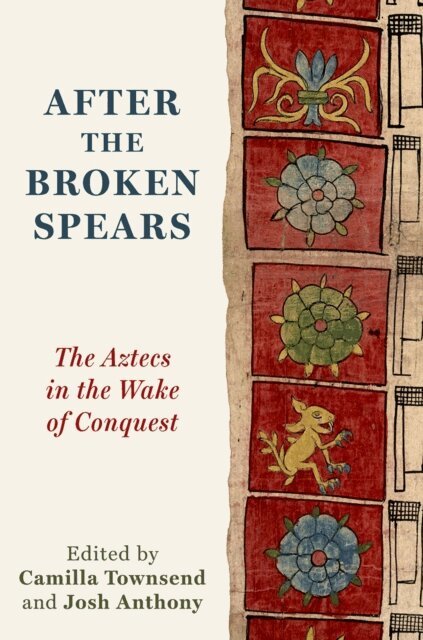
Following Hernando Cortés's conquest of Tenochtitlan in 1521, the Aztec empire became the center of the largest European colony in the Americas. It has long been assumed that Indigenous people's personal experiences of this cataclysmic era are inaccessible. Spanish records do not reflect how Nahuas and other Indigenous peoples spoke privately about the great changes, and accounts written in Indigenous languages mostly date from the latter half of the sixteenth century. Through close readings of Nahuatl sources, the contributors to After the Broken Spears illustrate that records of Indigenous experiences of the early colonial period are both more abundant than first appear and more richly detailed than ever imagined. Nahuatl songs, annals, tall tales, and legal documents offer a comprehensive vision of how Mexico's Indigenous people lived through the years after the conquest and negotiated the creation of their new world. Often originally circulated as oral accounts, these stories were later copied into Nahuatl script by those determined to preserve their people's history. Interspersed between the main chapters are commentaries written by contemporary Indigenous Mexican scholars, highlighting how historical themes relate to the present day. Just as their ancestors did five hundred years ago, these writers negotiate the ramifications of the Spanish conquest for their communities. After the Broken Spears offers fresh perspectives on a critical transition period in Mesoamerican, Mexican, and colonial history.
Häftad, Engelska, 2026
282 kr
Skickas inom 5-8 vardagar
Following Hernando Cortés's conquest of Tenochtitlan in 1521, the Aztec empire became the center of the largest European colony in the Americas. It has long been assumed that Indigenous people's personal experiences of this cataclysmic era are inaccessible. Spanish records do not reflect how Nahuas and other Indigenous peoples spoke privately about the great changes, and accounts written in Indigenous languages mostly date from the latter half of the sixteenth century. Through close readings of Nahuatl sources, the contributors to After the Broken Spears illustrate that records of Indigenous experiences of the early colonial period are both more abundant than first appear and more richly detailed than ever imagined. Nahuatl songs, annals, tall tales, and legal documents offer a comprehensive vision of how Mexico's Indigenous people lived through the years after the conquest and negotiated the creation of their new world. Often originally circulated as oral accounts, these stories were later copied into Nahuatl script by those determined to preserve their people's history. Interspersed between the main chapters are commentaries written by contemporary Indigenous Mexican scholars, highlighting how historical themes relate to the present day. Just as their ancestors did five hundred years ago, these writers negotiate the ramifications of the Spanish conquest for their communities. After the Broken Spears offers fresh perspectives on a critical transition period in Mesoamerican, Mexican, and colonial history.
Häftad, Engelska, 2000
355 kr
Skickas inom 10-15 vardagar
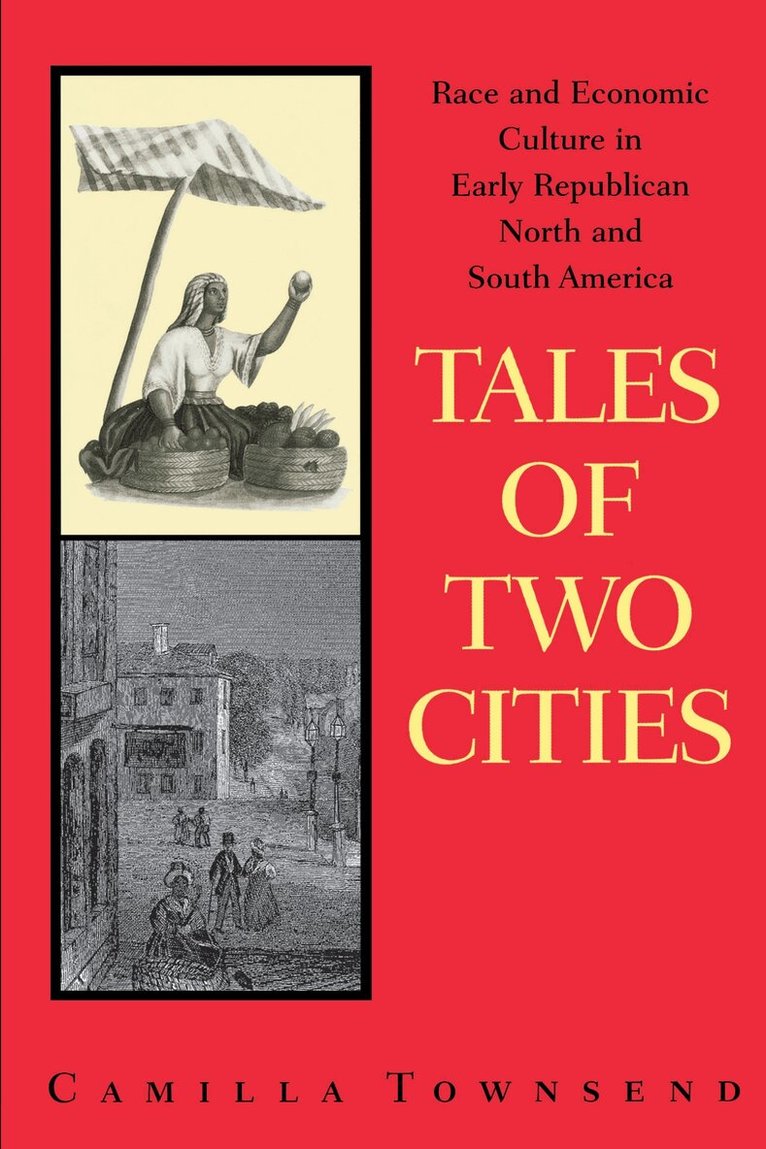
With a common heritage as former colonies of Europe, why did the United States so outstrip Latin America in terms of economic development in the nineteenth century? In this innovative study, Camilla Townsend challenges the traditional view that North Americans succeeded because of better attitudes toward work-the Protestant work ethic-and argues instead that they prospered because of differences in attitudes towards workers that evolved in the colonial era. Townsend builds her study around workers' lives in two very similar port cities in the 1820s and 1830s. Through the eyes of the young Frederick Douglass in Baltimore, Maryland, and an Indian woman named Ana Yagual in Guayaquil, Ecuador, she shows how differing attitudes towards race and class in North and South America affected local ways of doing business. This empirical research significantly clarifies the relationship between economic culture and racial identity and its long-term effects.
Inbunden, Engelska, 2024
191 kr
Skickas inom 5-8 vardagar
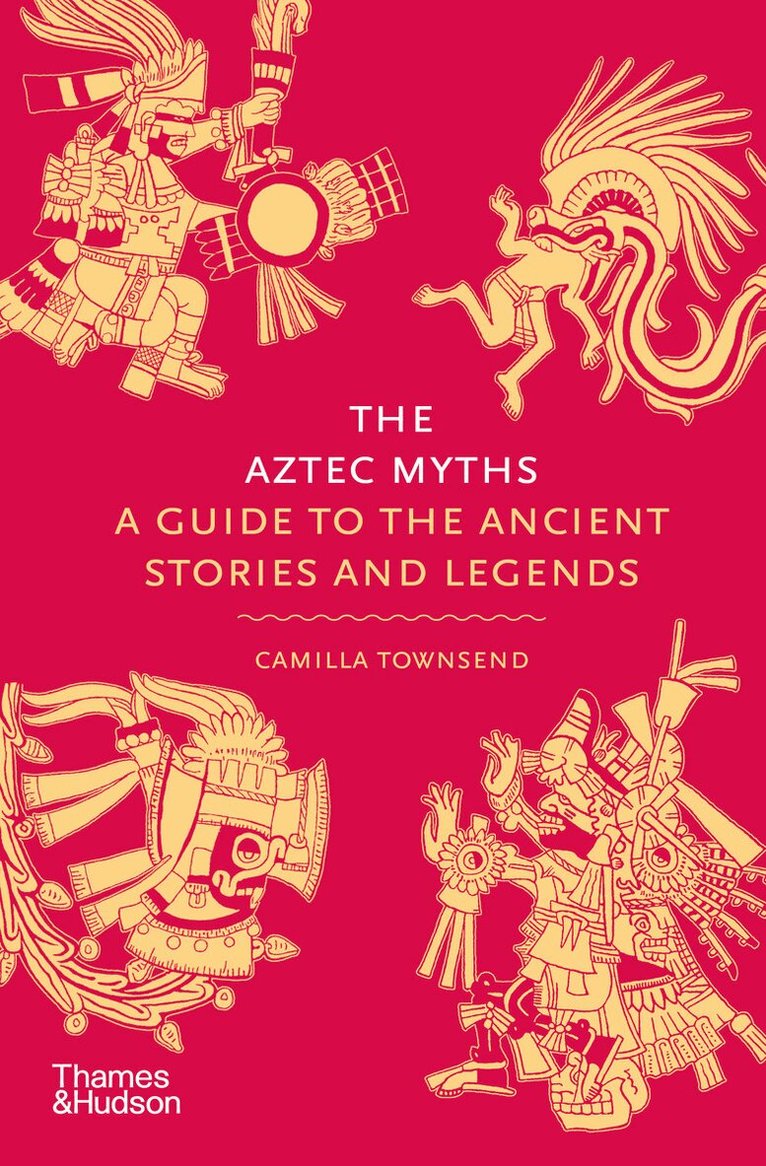
The essential guide to the world of Aztec mythology, based on Nahuatl-language sources that challenge the colonial history passed down to us by the Spanish. How did the jaguar get his spots? What happened to the four suns that came before our own? Where was Aztlan, mythical homeland of the Aztecs? For decades, the popular image of the Mexica people – better known today as the Aztecs – has been defined by the Spaniards who conquered them. Their salacious stories of pet snakes, human sacrifice and towering skull racks have masked a complex world of religious belief. To reveal the rich mythic tapestry of the Aztecs, Camilla Townsend returns to the original tales, told at the fireside by generations of Indigenous Nahuatl-speakers. Through their voices we learn the contested histories of the Mexica and their neighbours in the Valley of Mexico – the foundations of great cities, the making and breaking of political alliances, the meddling of sometimes bloodthirsty gods – and understand more clearly how they saw their world and their place in it. The divine principle of Ipalnemoani connected humans with all of nature and spiritual beliefs were woven through the fabric of Aztec life, from the sacred ministrations of the ticitl, midwives whose rituals saw women through childbirth, to the inevitable passage to Mictlan, ‘our place of disappearing together’ – the land of the dead.
Inbunden, Engelska, 2025
152 kr
Skickas inom 5-8 vardagar
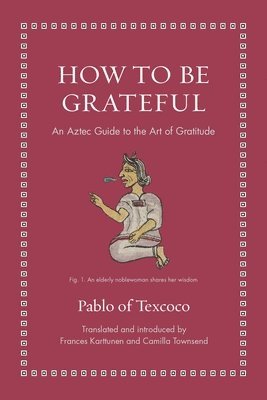
A delightful Aztec work that has much to teach us about the value of giving thanks—to our contemporaries, our elders, and our ancestorsCenturies before anyone ever thought of keeping a gratitude journal, the Aztecs understood the profound value of being grateful. For generations, specially trained Aztec public speakers presented traditional dialogues at marriages, births, funerals, government ceremonies, and other important occasions. In these dialogues, people of different generations are imagined speaking to each other with mutual respect and gratitude across time, encouraging listeners to be grateful to their contemporaries, elders, and ancestors, as well as the divine, and reminding the living what they owe to future generations. In the late 1500s, one of these Aztec speakers, Pablo of Texcoco, recorded a collection of these dialogues, now known as the Bancroft Dialogues. In How to Be Grateful, Nahuatl- or Aztec-language specialist Frances Karttunen and Camilla Townsend, Cundhill History Prize–winning author of Fifth Sun: A New History of the Aztecs, present this fascinating work in an accessible translation that also features the original Nahuatl text on facing pages.Although Pablo lived under Spanish rule, his parents, grandparents, and elderly teachers recalled the world before the Europeans arrived, and his dialogues, which delight in colorful metaphors and wry humor, offer remarkable insights into preconquest Aztec society, philosophy, and language. Pablo’s dialogues tell readers they will be loved and honored today and by future generations if they repay those who have helped them—the living, the dead, and the divine. The living should pay these debts by helping their people and ensuring their future—by “paying it forward” as we say today.
Inbunden, Engelska, 2009
831 kr
Skickas inom 5-8 vardagar
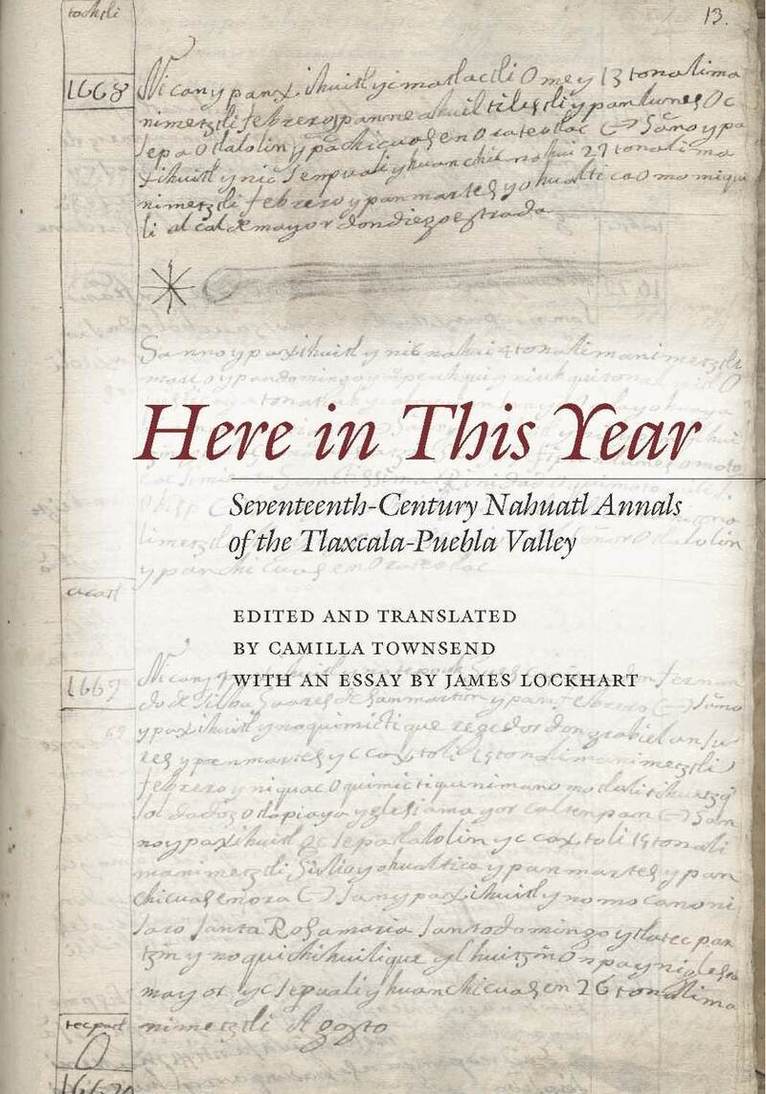
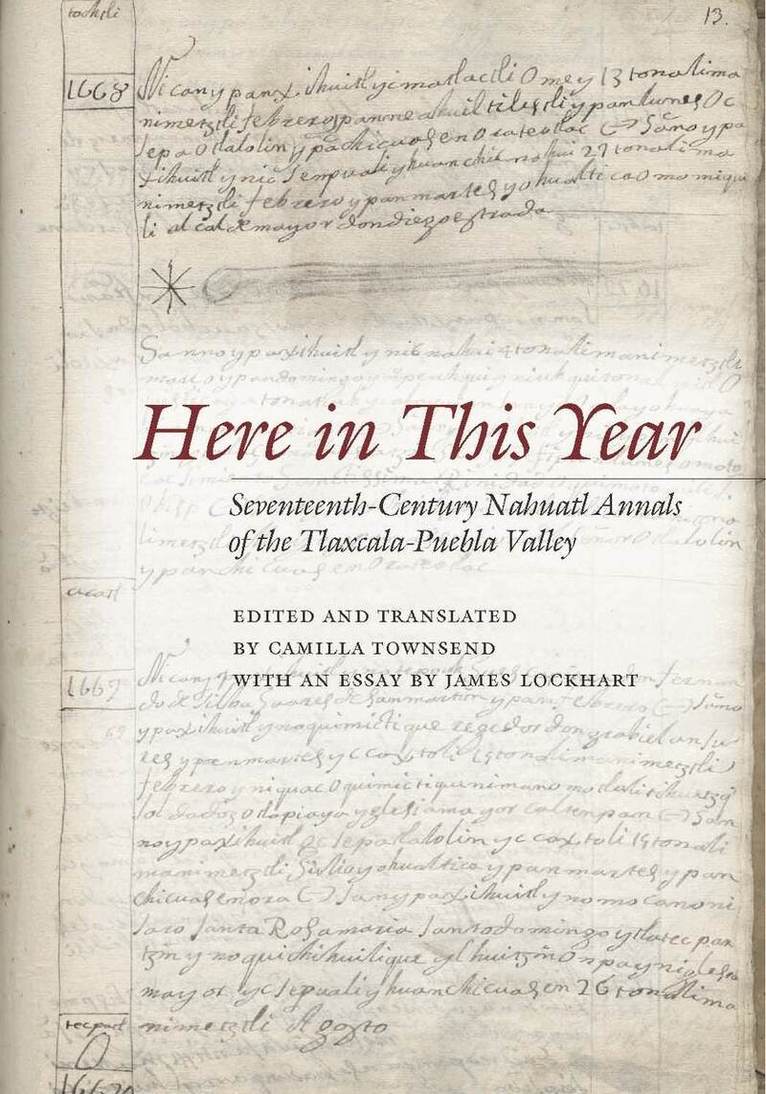
Indigenous breadsellers riot over a Spanish monopoly scheme; Spanish authorities plan to remove native people from the city; indigenous people struggle to construct a splendid church; the city's inhabitants fight over elections and witness hangings, epidemics, and eclipses. All this and more a Native American writer of Puebla, Mexico, reported in the late seventeenth century in a set of annals in his own language, Nahuatl, telling his people's local history from the coming of the Christian faith down to his own day. These records were part of a corpus of such annals produced in the Tlaxcala-Puebla region during this period. These writings by native peoples for their own posterity provide the most direct access to the indigenous perspective on the postconquest centuries that we are ever going to find.Here in This Year for the first time brings two sets of Nahuatl annals—the other one being from a more provincial locale—to the English-speaking world, presenting the original Nahuatl with facing, very readable translations.
Häftad, Engelska, 2005
207 kr
Skickas
Del 6 - Uncovering the Past: Documentary Readers in American History
American Indian History
A Documentary Reader
Häftad, Engelska, 2009
435 kr
Skickas inom 5-8 vardagar
This Reader from the Uncovering the Past series provides a comprehensive introduction to American Indian history. Over 60 primary documents allow the voices of natives to illuminate the American pastIncludes samples of native languages just above the full translations of particular textsProvides comprehensive introductions and headnotes, as well as images, an extensive bibliography, and suggestions for further researchIncludes such texts as a decoded Maya inscription, letters written during the French and Indian War on the distribution of small pox blankets, and a diatribe by General George Armstrong Custer shortly before he was killed at the Battle of the Little Big Horn
Häftad, Engelska, 2023
317 kr
Skickas inom 5-8 vardagar
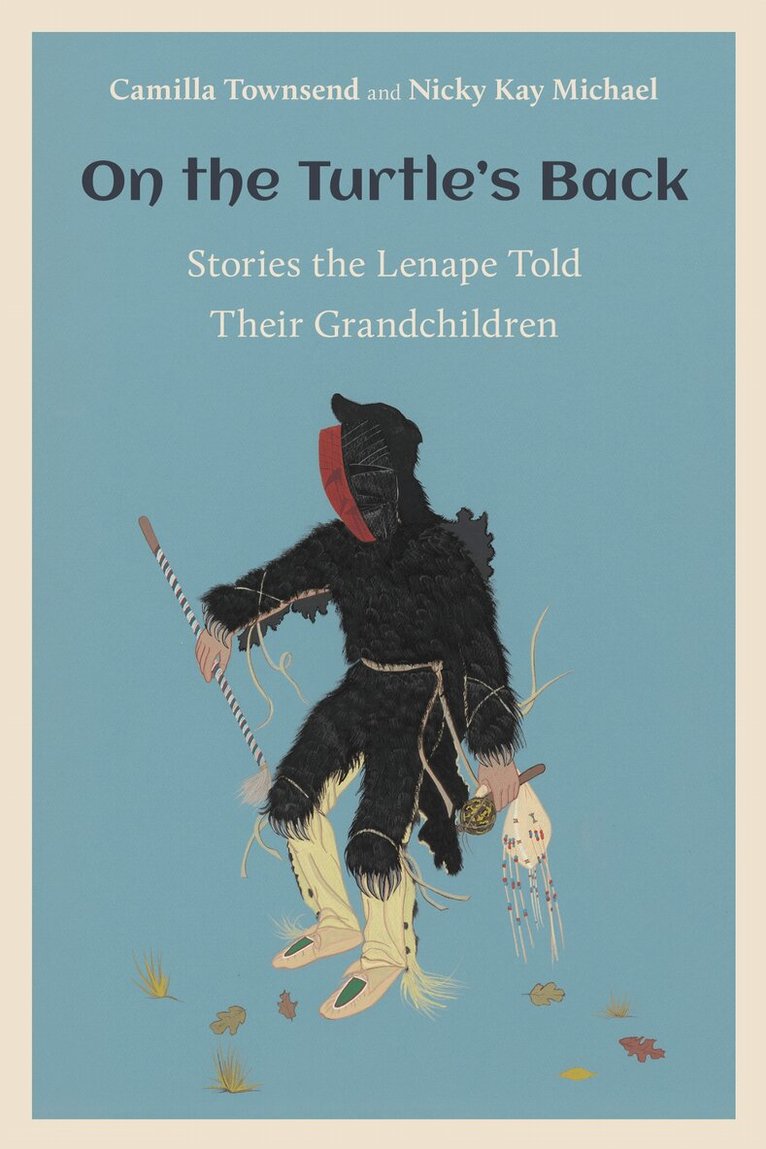
The Lenape tribe, also known as the Delaware Nation, lived for centuries on the land that English colonists later called New Jersey. But once America gained its independence, they were forced to move further west: to Indiana, then Missouri, and finally to the territory that became Oklahoma. These reluctant migrants were not able to carry much from their ancestral homeland, but they managed to preserve the stories that had been passed down for generations. On the Turtle's Back is the first collection of Lenape folklore, originally compiled by anthropologist M. R. Harrington over a century ago but never published until now. In it, the Delaware share their cherished tales about the world's creation, epic heroes, and ordinary human foibles. It features stories told to Harrington by two Lenape couples, Julius and Minnie Fouts and Charles and Susan Elkhair, who sought to officially record their legends before their language and cultural traditions died out. More recent interviews with Lenape elders are also included, as their reflections on hearing these stories as children speak to the status of the tribe and its culture today. Together, they welcome you into their rich and wondrous imaginative world.
Inbunden, Engelska, 2023
733 kr
Skickas inom 5-8 vardagar
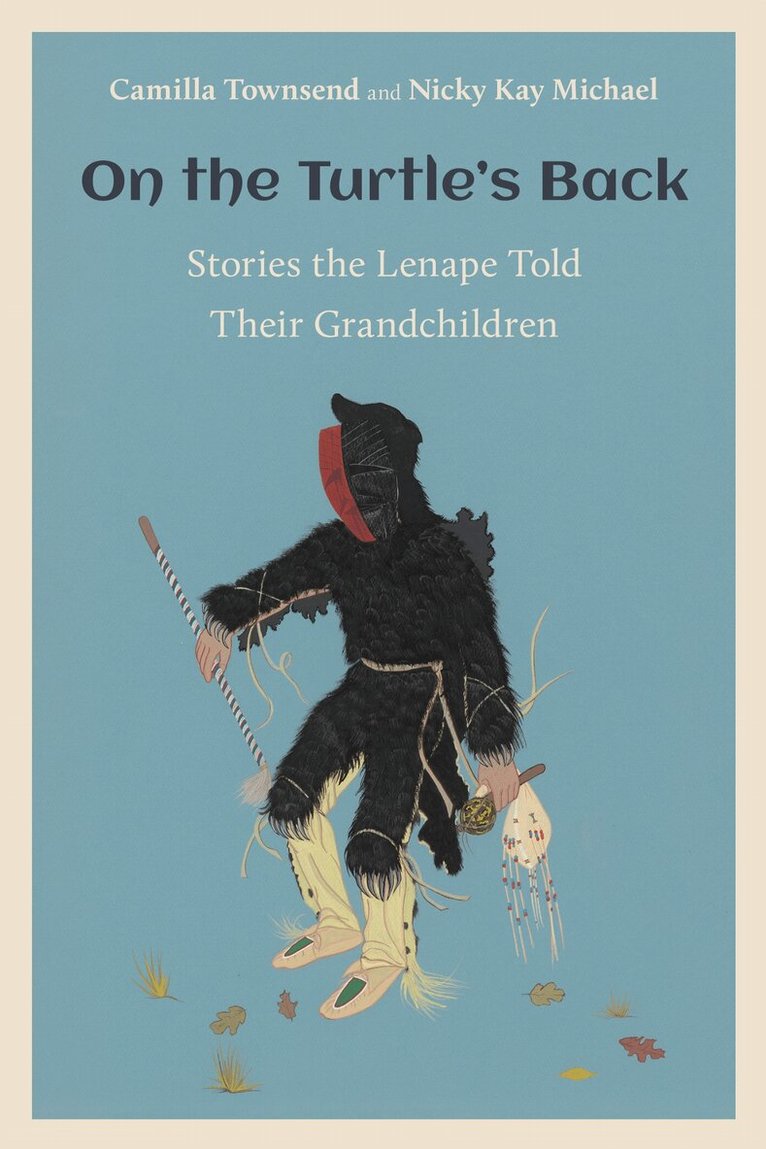
The Lenape tribe, also known as the Delaware Nation, lived for centuries on the land that English colonists later called New Jersey. But once America gained its independence, they were forced to move further west: to Indiana, then Missouri, and finally to the territory that became Oklahoma. These reluctant migrants were not able to carry much from their ancestral homeland, but they managed to preserve the stories that had been passed down for generations. On the Turtle's Back is the first collection of Lenape folklore, originally compiled by anthropologist M. R. Harrington over a century ago but never published until now. In it, the Delaware share their cherished tales about the world's creation, epic heroes, and ordinary human foibles. It features stories told to Harrington by two Lenape couples, Julius and Minnie Fouts and Charles and Susan Elkhair, who sought to officially record their legends before their language and cultural traditions died out. More recent interviews with Lenape elders are also included, as their reflections on hearing these stories as children speak to the status of the tribe and its culture today. Together, they welcome you into their rich and wondrous imaginative world.
Inbunden, Tyska, 2023
369 kr
Skickas inom 3-6 vardagar
Häftad, Engelska, 2006
301 kr
Tillfälligt slut
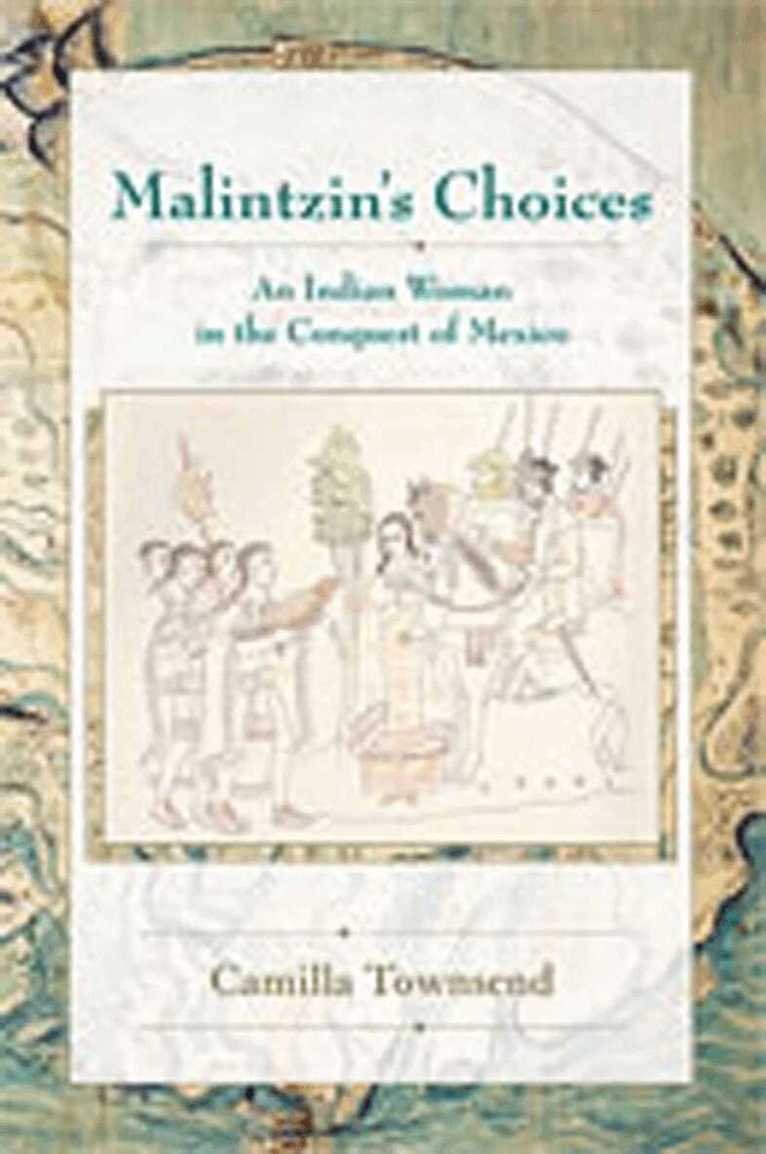
Malintzin was the indigenous woman who translated for Hernando Cortes in his dealings with the Aztec emperor Moctezuma in the days of 1519 to 1521. 'Malintzin', at least, was what the Indians called her. The Spanish called her dona Marina, and she has become known to posterity as La Malinche. As Malinche, she has long been regarded as a traitor to her people, a dangerously sexy, scheming woman who gave Cortes whatever he wanted out of her own self-interest. The life of the real woman, however, was much more complicated. She was sold into slavery as a child, and eventually given away to the Spanish as a concubine and cook. If she managed to make something more out of her life - and she did - it is difficult to say at what point she did wrong. In getting to know the trials and intricacies with which Malintzin's life was laced, we gain new respect for her steely courage, as well as for the bravery and quick thinking demonstrated by many other Native Americans in the earliest period of contact with Europeans. In this study of Malintzin's life, Camilla Townsend rejects all the previous myths and tries to restore dignity to the profoundly human men and women who lived and died in those days. Drawing on Spanish and Aztec language sources, she breathes new life into an old tale, and offers insights into the major issues of conquest and colonisation, including technology and violence, resistance and accommodation, gender and power.