Candice L. Mancini – författare
Visar alla böcker från författaren Candice L. Mancini. Handla med fri frakt och snabb leverans.
9 produkter
9 produkter
Häftad, Engelska, 2007
589 kr
Skickas inom 3-6 vardagar
Häftad, Engelska, 2008
570 kr
Skickas inom 3-6 vardagar
Häftad, Engelska, 2009
591 kr
Skickas inom 3-6 vardagar
Häftad, Engelska, 2010
566 kr
Skickas inom 3-6 vardagar
Häftad, Engelska, 2010
570 kr
Skickas inom 3-6 vardagar
Häftad, Engelska
566 kr
Skickas inom 3-6 vardagar
Häftad, Engelska, 2011
570 kr
Skickas inom 3-6 vardagar
E-bok
PDF, Engelska, 2010733 kr
Läs direkt efter köp
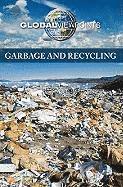
Editor Candice L. Mancini uses a series of thought-provoking essays to take readers across the globe, exploring international issues relating to garbage and recycling. Is E-waste dangerous in India? Is the Nile being ruined by pollution? Is Serbia doing enough to focus on their waste problems? Is Bangladesh''s capital swimming in waste? How is China turning trash into art? Readers will explore these questions. They will learn whether Mexico City is running out of places to dump waste and whether the U.S. has a serious issue with plastic bags. Other cultures explored include Canada, Japan, Australia, Spain, the Philippines, and Sweden. One final treat for readers is they''ll explore garbage and recycling in space.
E-bok
PDF, Engelska, 2011736 kr
Läs direkt efter köp
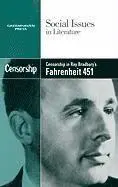
Responding to a time of unparalleled censorship, from the McCarthy trials, to book burning festivals in Nazi Germany, to the millions of poets and writers imprisoned or executed by the Soviet government, Ray Bradbury''s Fahrenheit 451 offers a vision of the world in which the elimination of challenging ideas tears away at the fabric of free speech and society. This compelling edition offers readers a collection of eighteen essays that contextualize and expand upon the theme of censorship in Fahrenheit 451. The book includes an interview with Bradbury and also covers the author''s life and work. Other discussions include contemporary perspectives on censorship, a discussion of when governments might need to restrict ideas, what we risk when we censor the internet, and the importance of libraries and access to books.