Carlos Arnaiz – författare
Visar alla böcker från författaren Carlos Arnaiz. Handla med fri frakt och snabb leverans.
4 produkter
4 produkter
Inbunden, Engelska, 2016
422 kr
Skickas inom 3-6 vardagar
Häftad, Engelska, 2027
435 kr
Kommande
Häftad, Engelska, 2025
420 kr
Skickas
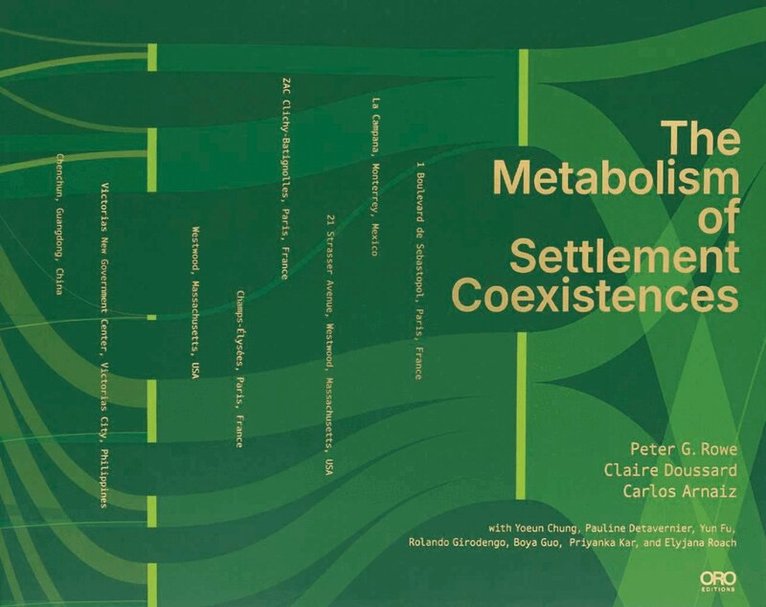
With the onset of the Anthropocene Era, concern for the metabolism of various kinds of settlement has risen appreciably. Of particular concern in the study of architecture and urban design are metabolic contributions of flows of stocks that go into the construction and operation of settlements of one kind or another. This book is about a methodological approach that allows urban settlement patterns to be re-written, as it were, into water, energy and other material flows emanating from original sources in the geosphere, biosphere, hydrosphere, and so on, through various stages of transformation during settlement construction and operation and then on to end-of-life activities. In short, the methodology produces a so-called ‘cradle-to-grave’ account of the material aspects of urban settlement from which technological and design proposals can be crafted ameliorating and diminishing adverse impacts, as well as related outcomes such as embodied energy and carbon concentrations so deleterious to climate change and proliferation of other hyperobjects.
Inbunden, Engelska, 2026
592 kr
Kommande
In the realm of architecture, modular design has been both a tool of great potential and an enigma wrapped in contradiction. It promises flexibility, speed, and sustainability, yet it has often struggled to transcend the limits imposed by materiality, systems, and human imagination. Mod Time: Dreaming of an Alternative Future for Modular Design begins as a search for definition and ends as a journey into the limit and architect practice, challenging the conventional wisdom about modularity’s past and inviting readers to reconsider its place in the future of design.Modular design casts a magical dust over a human-made object. It embodies the ingenuity of the planner, the designer, the engineer, the architects and even the builders. The factory introduced the ability to distort both speed and distance. Building materials could be made faster and at a greater distance from the site. Industrialisation disrupted the way in which buildings were conceived and yet modular design persists as a kind of interpretive salvo: we look to decode. And yet, the closer one gets to the history of modular design the more chimeras appear. The future was bright because manufacturing would solve our problems. Architecture has always been enamored with problem-solving. Proper planning, speedy logistics, the compartmentalisation of matter and the optimisation of time ushers in a better process of making. Process is the eternal fount of modular design intelligence. This book is filled with ghosts and fairies. It is haunted by realities of failures and the glorious floating images of visions.