Carlos Cortes – författare
Visar alla böcker från författaren Carlos Cortes. Handla med fri frakt och snabb leverans.
7 produkter
La tradición del presente: El fin de la literatura universal y la narrativa latinoamericana
Av La Pereza Ediciones, Carlos Cortes
Häftad, 2015
283 kr
Lägg i varukorg
Fireflies of Guiuan
E-bok, 2019
61 kr
Lägg i varukorg
Shortly after joining Aguinaldo's army as a young medic, Jose R. Lugay greets his country's independence from Spain with bright dreams of the future. He marries his childhood sweetheart. Only a few months later, the dogs of war rip his dreams to tatters. A harrowing year with the defenders in the …
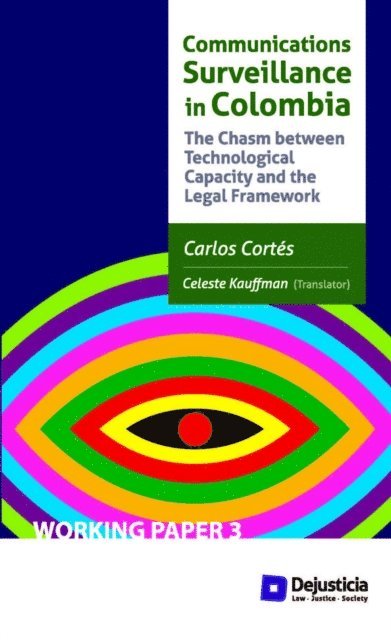
Communications Surveillance in Colombia
The Chasm between Technological Capacity and the Legal Framework
E-bok, 2015
47 kr
Lägg i varukorg
This book aims to examinate the colombian legal and jurisprudential framework related to the communication surveillance of today''s technologies. Phrased in the form of hypothesis, the purpose is to demonstrate how intelligence-related laws and jurisprudence fail to ensure that potentially affected …
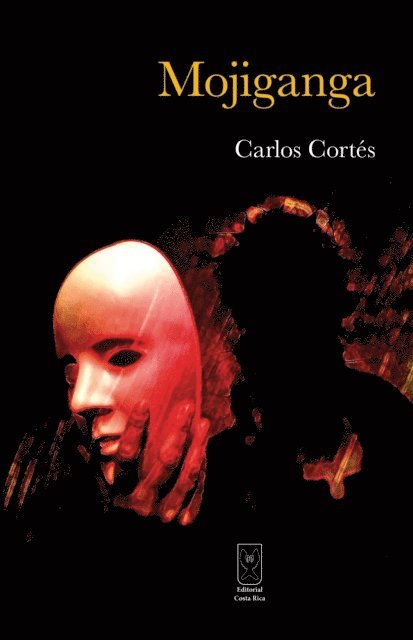
Mojiganga
E-bok, 2019
49 kr
Lägg i varukorg
Mojiganga retorna a la Centroamérica convulsa y alucinante de la década de 1980 y reconstruye un caso real convertido en un juego de máscaras literarias sobre la relación entre el poder político y el poder de la ficción. La Cuba de Fidel Castro, el Panamá del general Torrijos y la guerrilla …