Carol R. Ember – författare
Visar alla böcker från författaren Carol R. Ember. Handla med fri frakt och snabb leverans.
6 produkter
6 produkter
6 414 kr
Skickas inom 10-15 vardagar
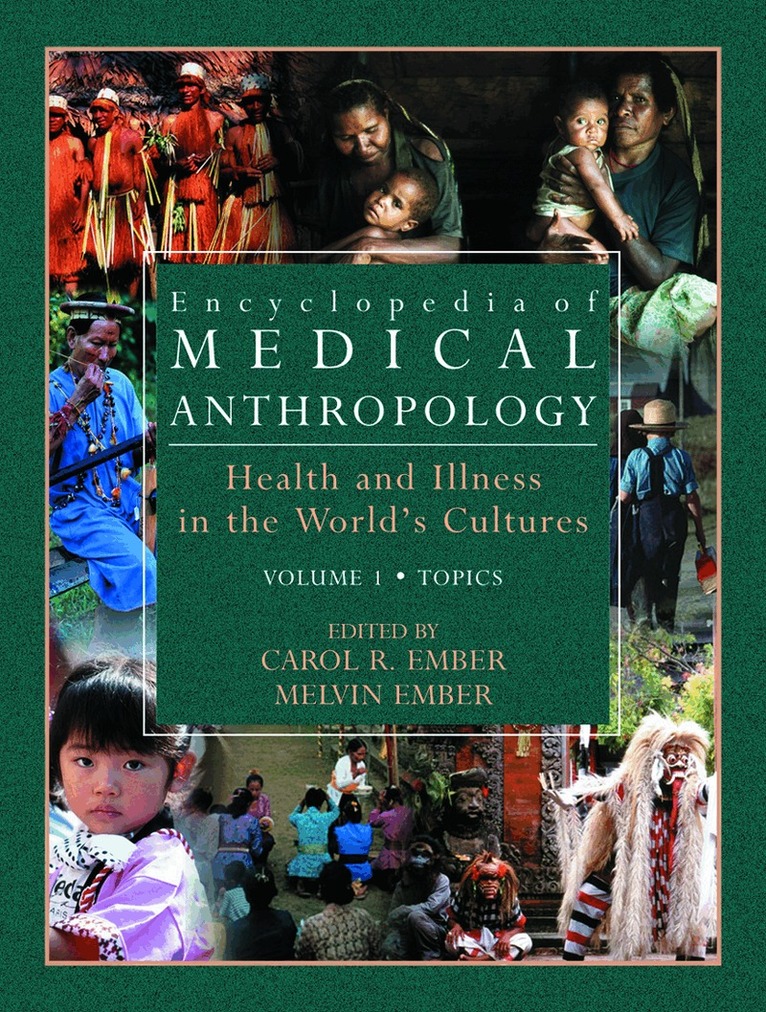
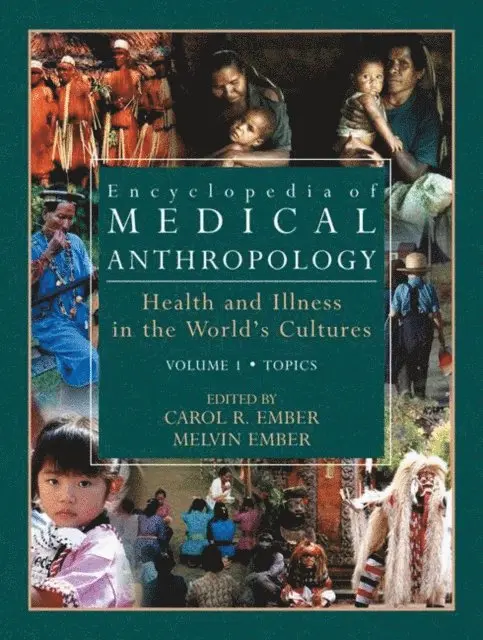
Illness and death are significant events for people everywhere and no one is spared. Medical beliefs and practices are not the same everywhere. They determine how people understand the causes of illness and death and how they cope with these events. It is not surprising therefore that medical practitioners and others are becoming increasingly aware of the need to understand the influence of society and culture on medical belief and practice. Culture - the customary ways of thinking and acting in society - often affects the outcome of illness, and even which illnesses occur. So those who are actively engaged in studying health and illness are coming to realize the biological and cultural factors need to be considered if we are going to reduce human suffering. The Encyclopedia of Medical Anthropology is divided up into two volumes: Topics and Cultures. The first volume contains topical and comparative essays grouped into five sections: - General concepts and perspectives; - Medical systems; - Political, economic, and social issues; - Sexuality, reproduction, and the life cycle, and - Health conditions and diseases.The second volume contains articles that describe the state of health and illness in particular cultures around the world. Every cultural region of the world is represented, as are the cultures at levels of social complexity. The Encyclopedia of Medical Anthropology is unique. In addition to providing a large range of topical essays, representing the various perspectives in medical anthropology, these volumes focus on many particular cultures. No other single reference work comes close to marching the depth and breadth of information on the varying cultural background of health and illness around the world. More than 100 experts - generally anthropologists but also other social scientists - have contributed their firsthand experience of medical cultures from around the world. Since medical anthropology is such a diverse course of study, combining both the medical and social worlds, the Encyclopedia of Medical Anthropology has many audiences. It can be used both to gain a general understanding of medical anthropology and to find out about particular cultures and topics.For researchers interested in comparing cultures, this work provides information that can guide the selection of particular cultures for further study. For those interested in international studies, the bibliographies in each entry can lead one quickly to the relevant social science literature as well as providing a state-of-the-art assessment of knowledge about medical cultures around the world. For curriculum developers and teachers seeking to internationalize the curriculum, this work is a basic reference and educational resource as well as a directory to other materials. For government officials, it is a repository of information not likely to be available in any other single publication; in many cases, the information provided here is not available at all elsewhere. This major reference work is an essential part of any institution's library and belongs in the library of every medical anthropologist.
4 735 kr
Skickas inom 10-15 vardagar
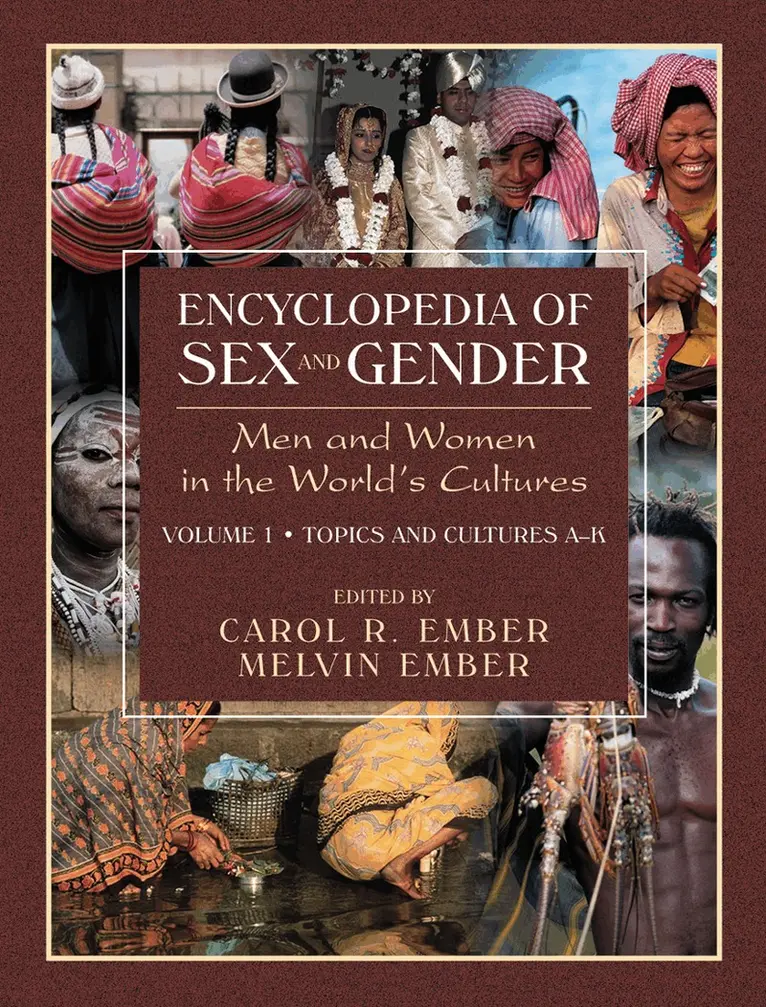
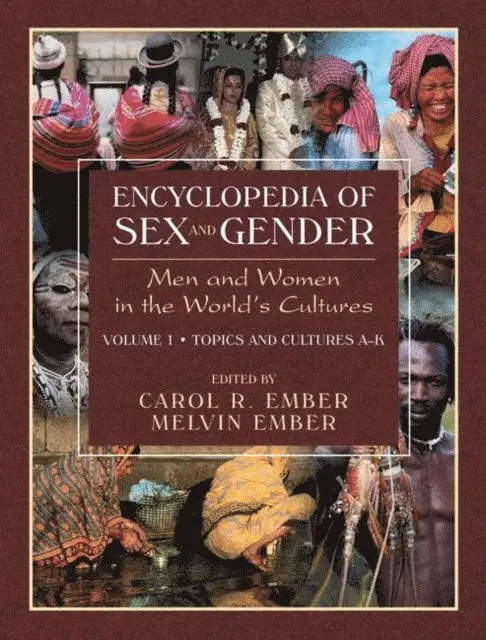
In many animal species, one can hardly tell the difference between females and males. Their size, coloring, and behavior may be so similar that even experts cannot readily tell the difference until they are ready to reproduce. In contrast, human females and males differ not only in secondary sexual characteristics, but they also generally exhibit differences in height, weight, and ratio of muscle to fat. Given the reproductive differences, as well as differences in appearance between males and females, it is hardly surprising that most, if not all societies conceive of females and males as important social categories. These reproductive and biological facts by themselves cannot explain the enormous variability in the way societies treat persons of the different biological sexes. The most sexually egalitarian societies may hardly treat males and females differently. But there are no societies that clearly give more overall advantages to females than to males, and those that advantage males vary considerably from mild to extreme inequality.The central aim of this encyclopedia is to give the reader a comparative perspective on issues involving conceptions of gender, gender differences, gender roles, relationships between the genders, and sexuality. This is done within the two main sections within the encyclopedia: Topics and Cultures. The topical overviews are divided into four sections: - cultural conceptions of gender; - observed differences between males and females in behavior and personality; - institutionalized aspects of gender; - sexuality and male-female interaction. The Cultures sections contains 82 specific cultural articles written by anthropologists or other social scientists who have lived with the people they write about and are able to give a vivid portrait of life in that society, which provide a "portrait" of how boys and girls grow up and become men and women in that society. Cultures from the widest possible spectrums-from egalitarian to stratified, from foragers to intensive agriculturalists, from those with kin groups structured around males to those structured around females, from those where the status of women and men is relatively equal to those where status is mostly unequal.We also have cultures from every major geographical region. The combination of topical overviews and varying cultural portraits is what makes this encyclopedia unique. This major reference work is an essential part of any institution's library and belongs in the library of every cultural and social anthropologist.
10 807 kr
Skickas inom 10-15 vardagar
Cross Cultural Anthropology: A Reference Collection is a set of three separate encyclopedias comprehensively covering some of the most important and current research in anthropology today. Prepared under the auspices and with the support of the Human Relations Area Files, with an internationally distinguished advisory board for each encyclopedia, Cross Cultural Anthropology: A Reference Collection is comprised of three independent encyclopedias encompassing three of the fastest-growing areas in anthropological research. The contributors to each of the encyclopedias is a leader in their area (geographically and topically) of research. With over 150 cultures represented, Cross Cultural Anthropology: A Reference Collection is a seminal reference collection for any and every academic library and social scientist.
3 852 kr
Skickas inom 10-15 vardagar
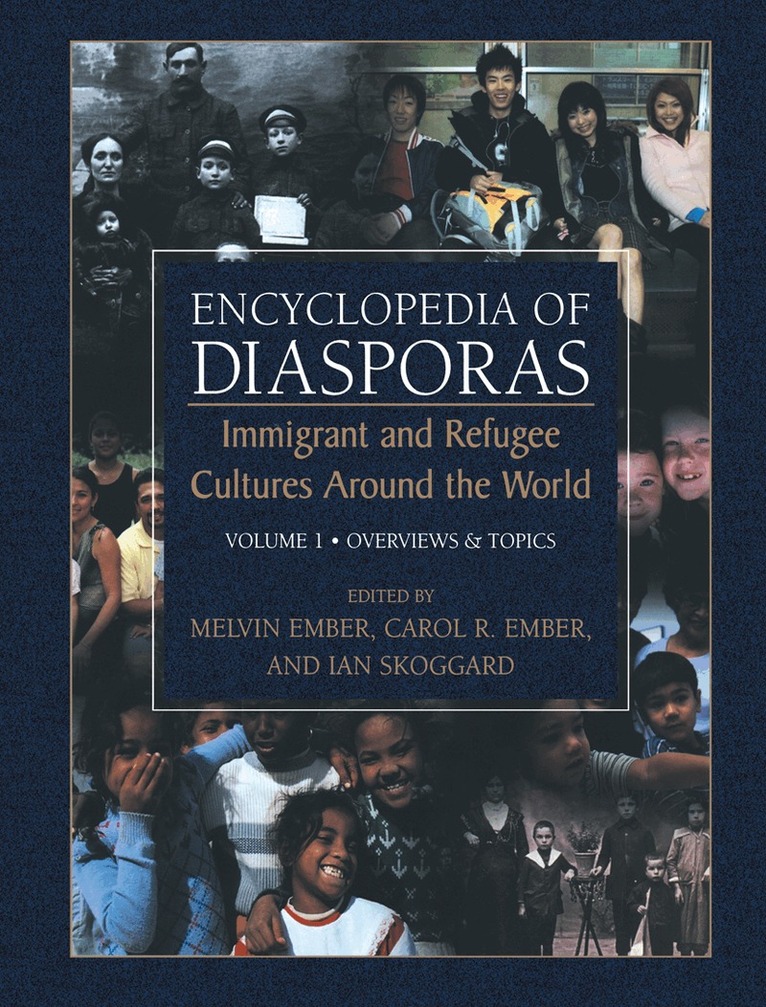
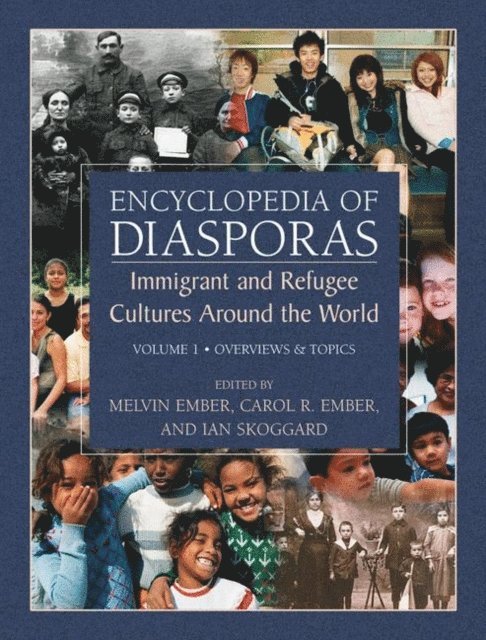
Immigration is a topic that is as important among anthropologists as it is the general public. Almost every culture has experienced adaptation and assimilation when immigrating to a new country and culture; usually leaving for what is perceived as a "better life." Not only does this diaspora change the country of adoption, but also the country of origin. Many large nations in the world have absorbed, and continue to absorb, large numbers of immigrants. The foreseeable future will see a continuation of large-scale immigration, as many countries experience civil war and secessionist pressures. Currently, there is no reference work that describes the impact upon the immigrants and the immigrant societies relevant to the world's cultures and provides an overview of important topics in the world's diasporas. The encyclopedia is organized into three main sections: Diaspora Overviews, Topics and Diaspora Communities. The Diaspora Overviews section covers over 20 cultures that have prominently emigrated throughout the world, including the history behind their social and political reasons for leaving their native culture. The Topics section discusses the impact and assimilation that the imm
1 831 kr
Skickas inom 3-6 vardagar
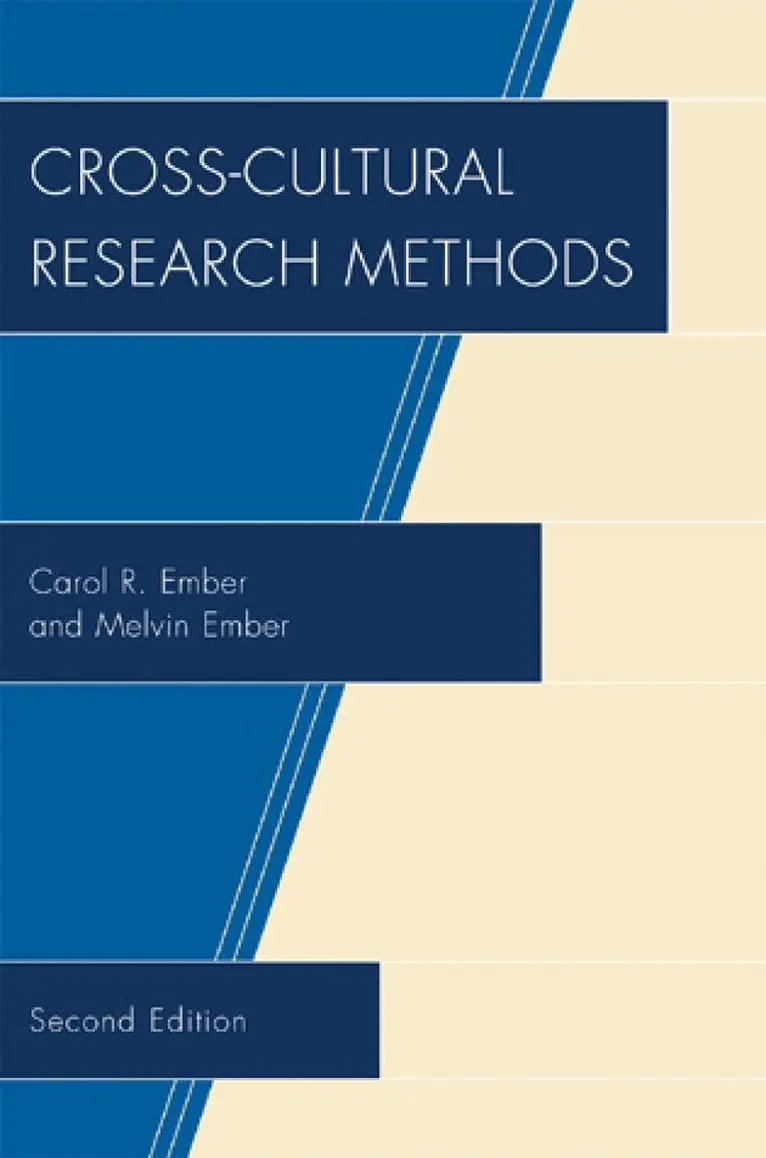
Without ethnography, cross-cultural comparison would not be possible. But without cross-cultural comparison, we would know nothing of what may be universal or variable across human cultures, or why variation exists. Cross-Cultural Research Methods is an introductory teaching tool that shows students and potential researchers how to describe, compare, and analyze patterns that occur in different cultures, that is, how to form and test anthropological, sociological, psychological, medical, or political hypotheses about cultural variation.
857 kr
Skickas inom 3-6 vardagar
Without ethnography, cross-cultural comparison would not be possible. But without cross-cultural comparison, we would know nothing of what may be universal or variable across human cultures, or why variation exists. Cross-Cultural Research Methods is an introductory teaching tool that shows students and potential researchers how to describe, compare, and analyze patterns that occur in different cultures, that is, how to form and test anthropological, sociological, psychological, medical, or political hypotheses about cultural variation.