Caroline Lehr – författare
551 kr
Skickas inom 10-15 vardagar
1 913 kr
Skickas inom 10-15 vardagar
631 kr
Läs direkt efter köp
Drawing on work from scholars in both psychology and translation studies, this collection offers new perspectives on what Holmes (1972) called ‘translation psychology’. This interdisciplinary volume brings together contributions addressing translation from the vantage point of different applied branches of psychology, including critical-developmental psychology, occupational psychology, and forensic psychology.
Current theoretical and methodological practices in these areas have the potential to strengthen and diversify how translators’ decision-making and problem-solving behaviours are understood, but many sub-branches of psychology have lacked visibility so far in the translation studies literature. The Psychology of Translation: An Interdisciplinary Approach therefore seeks to expand our understanding of translator behaviour by bringing to the fore new schools of thought and conceptualisations. Some chapters report on empirical studies, while others provide a review of research in a particular area of psychology of relevance to translation and translators. Written by a range of leading figures and authorities in psychology and translation, it offers unique contributions that can enrich translation process research and provide a means of encouraging further development in the area of translation psychology.
This book will be of interest to scholars working at the intersection of translation and psychology, in such fields as translation studies, affective science, narrative psychology, and work psychology, amongst other areas. It will be of particular interest to researchers and postgraduate students in translation studies.

631 kr
Läs direkt efter köp
Drawing on work from scholars in both psychology and translation studies, this collection offers new perspectives on what Holmes (1972) called ‘translation psychology’. This interdisciplinary volume brings together contributions addressing translation from the vantage point of different applied branches of psychology, including critical-developmental psychology, occupational psychology, and forensic psychology.
Current theoretical and methodological practices in these areas have the potential to strengthen and diversify how translators’ decision-making and problem-solving behaviours are understood, but many sub-branches of psychology have lacked visibility so far in the translation studies literature. The Psychology of Translation: An Interdisciplinary Approach therefore seeks to expand our understanding of translator behaviour by bringing to the fore new schools of thought and conceptualisations. Some chapters report on empirical studies, while others provide a review of research in a particular area of psychology of relevance to translation and translators. Written by a range of leading figures and authorities in psychology and translation, it offers unique contributions that can enrich translation process research and provide a means of encouraging further development in the area of translation psychology.
This book will be of interest to scholars working at the intersection of translation and psychology, in such fields as translation studies, affective science, narrative psychology, and work psychology, amongst other areas. It will be of particular interest to researchers and postgraduate students in translation studies.

744 kr
Skickas inom 10-15 vardagar
890 kr
Läs direkt efter köp
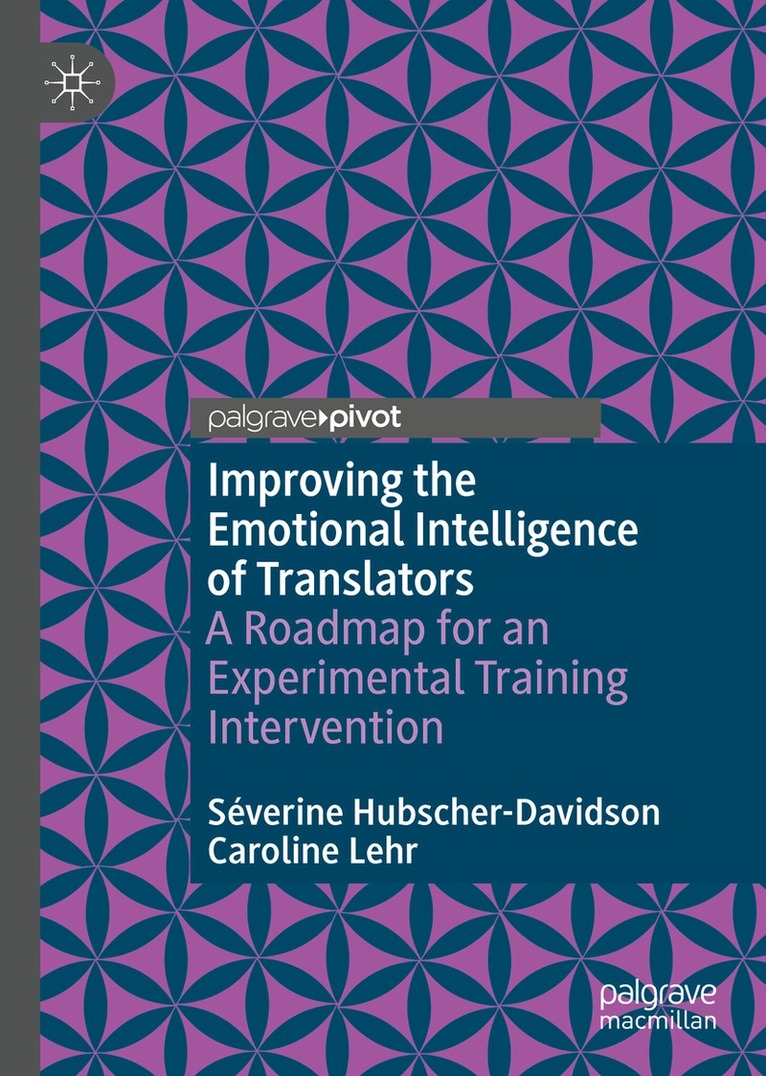
This book provides a unique roadmap for the design of an effective emotional intelligence (EI) intervention adapted to the needs of translators. Building on the growing interest in understanding the impact of translators’ emotions on their work, this book is the first to outline the key components of an 18-hour training intervention based on a sound theoretical basis and aiming to improve translators’ emotional competencies. Following a detailed review of the relevant literature in both translation studies and psychology, the book demonstrates the importance of soft skills for translators’ wellbeing, psychological health, and work performance. A number of important elements that need to be considered when designing an evidence-based intervention are discussed, such as appropriate safeguards, theory-based activities, psychometric measures, individual difference variables, and suitable coaching techniques. The book concludes with a discussion of other relevant aspects, such as the role of culture in EI interventions and promising areas for further study. It will appeal to students and scholars of translation studies, researchers interested in personality, occupational and developmental psychology, as well as professional translators and their representative bodies.