Caroline Mezger – författare
Visar alla böcker från författaren Caroline Mezger. Handla med fri frakt och snabb leverans.
4 produkter
4 produkter
E-bok
PDF, Engelska, 20201 344 kr
Läs direkt efter köp
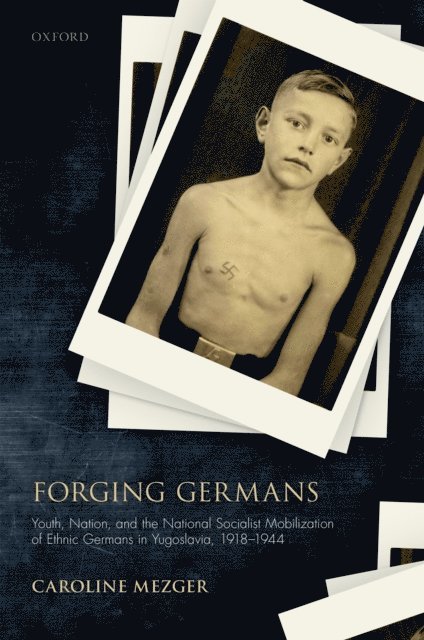
Forging Germans explores the German nationalization and eventual National Socialist radicalization of ethnic Germans in the Batschka and the Western Banat, two multiethnic, post-Habsburg borderland territories currently in northern Serbia. Deploying a comparative approach, Caroline Mezger investigates the experiences of ethnic German children and youth in interwar Yugoslavia and under Hungarian and German occupation during World War II, as local and ThirdReich cultural, religious, political, and military organizations wrestled over young people''s national (self-) identification and loyalty. Ethnic German children and youth targeted by these nationalization endeavors moved beyond being the objects of nationalist activism to become agents of nationalizationthemselves, as they actively negotiated, redefined, proselytized, lived, and died for the "Germanness" ascribed to them.Interweaving original oral history interviews, untapped archival materials from Germany, Hungary, and Serbia, and diverse historical press sources, Forging Germans provides incisive insight into the experiences and memories of one of Europe''s most contested wartime demographics, probing the relationship between larger historical circumstances and individual agency and subjectivity.
E-bok
Engelska, 20201 356 kr
Läs direkt efter köp
Forging Germans explores the German nationalization and eventual National Socialist radicalization of ethnic Germans in the Batschka and the Western Banat, two multiethnic, post-Habsburg borderland territories currently in northern Serbia. Deploying a comparative approach, Caroline Mezger investigates the experiences of ethnic German children and youth in interwar Yugoslavia and under Hungarian and German occupation during World War II, as local and ThirdReich cultural, religious, political, and military organizations wrestled over young people''s national (self-) identification and loyalty. Ethnic German children and youth targeted by these nationalization endeavors moved beyond being the objects of nationalist activism to become agents of nationalizationthemselves, as they actively negotiated, redefined, proselytized, lived, and died for the "Germanness" ascribed to them.Interweaving original oral history interviews, untapped archival materials from Germany, Hungary, and Serbia, and diverse historical press sources, Forging Germans provides incisive insight into the experiences and memories of one of Europe''s most contested wartime demographics, probing the relationship between larger historical circumstances and individual agency and subjectivity.
Inbunden, Engelska, 2020
1 624 kr
Skickas inom 7-10 vardagar
Forging Germans explores the German nationalization and eventual National Socialist radicalization of ethnic Germans in the Batschka and the Western Banat, two multiethnic, post-Habsburg borderland territories currently in northern Serbia. Deploying a comparative approach, Caroline Mezger investigates the experiences of ethnic German children and youth in interwar Yugoslavia and under Hungarian and German occupation during World War II, as local and Third Reich cultural, religious, political, and military organizations wrestled over young people's national (self-) identification and loyalty. Ethnic German children and youth targeted by these nationalization endeavors moved beyond being the objects of nationalist activism to become agents of nationalization themselves, as they actively negotiated, redefined, proselytized, lived, and died for the "Germanness" ascribed to them.Interweaving original oral history interviews, untapped archival materials from Germany, Hungary, and Serbia, and diverse historical press sources, Forging Germans provides incisive insight into the experiences and memories of one of Europe's most contested wartime demographics, probing the relationship between larger historical circumstances and individual agency and subjectivity.
E-bok
PDF, Engelska, 2019340 kr
Läs direkt efter köp
Violence against Jews, Roma, and other persecuted minorities in the multiethnic borderlands of Eastern, Central, and Southeastern Europe.Includes:Anca Filipovici: The Rise of Antisemitism in the Multiethnic Borderland of Bukovina: Student Movements and Interethnic Clashes at the University of Cernăuți (1922-1938)Doris Bergen: Saving Christianity, Killing Jews: German Religious Campaigns and the Holocaust in the BorderlandsLinda Margittai: Hungarians, Germans, Serbs, and Jews in Wartime Vojvodina: Patterns of Attitudes and Behaviors towards Jews in a Multiethnic Border Region of HungaryGoran Miljan: The "Ideal Nation-State" for the "Ideal New Croat": The Ustasha Youth and the Aryanization of Jewish Property in the Independent State of Croatia, 1941-1945Svetlana Suveica: Appropriation of Jewish Property in the Borderlands: Local Public Employees in Bessarabia during the Romanian HolocaustAnna Wylegała: Listening to Contradictory Voices: Jewish, Polish, and Ukrainian Narratives on Jewish Property in Nazi-Occupied Eastern GaliciaMiriam Schulz: Gornisht oyser verter?!: The Yiddish Language as a Mirror of Interethnic Relations and Dynamics of Violence in German-Occupied Eastern Europe