Cathal Nolan – författare
Visar alla böcker från författaren Cathal Nolan. Handla med fri frakt och snabb leverans.
4 produkter
4 produkter
E-bok
PDF, Engelska, 2017154 kr
Läs direkt efter köp
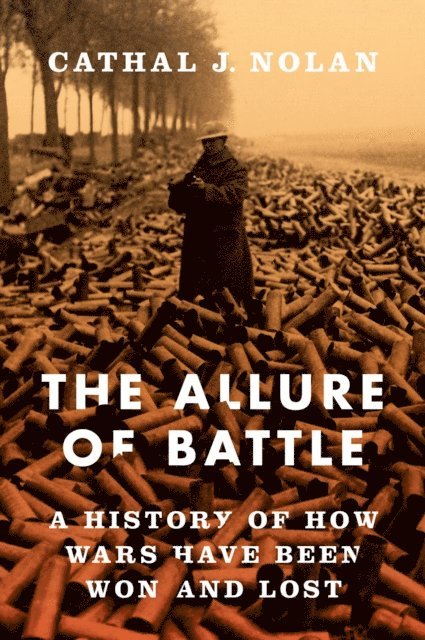
History has tended to measure war''s winners and losers in terms of its major engagements, battles in which the result was so clear-cut that they could be considered "decisive." Cannae, Konigsberg, Austerlitz, Midway, Agincourt-all resonate in the literature of war and in our imaginations as tide-turning. But these legendary battles may or may not have determined the final outcome of the wars in which they were fought. Nor has the "genius" of the so-called Great Captains - from Alexander the Great to Frederick the Great and Napoleon - play a major role. Wars are decided in other ways. Cathal J. Nolan''s The Allure of Battle systematically and engrossingly examines the great battles, tracing what he calls "short-war thinking," the hope that victory might be swift and wars brief. As he proves persuasively, however, such has almost never been the case. Even the major engagements have mainly contributed to victory or defeat by accelerating the erosion of the other side''s defences. Massive conflicts, the so-called "people''s wars," beginning with Napoleon and continuing until 1945, have consisted of and been determined by prolonged stalemate and attrition, industrial wars in which the determining factor has been not military but mat?riel.Nolan''s masterful book places battles squarely and mercilessly within the context of the wider conflict in which they took place. In the process it help corrects a distorted view of battle''s role in war, replacing popular images of the "battles of annihilation" with somber appreciation of the commitments and human sacrifices made throughout centuries of war particularly among the Great Powers. Accessible, provocative, exhaustive, and illuminating, The Allure of Battle will spark fresh debate about the history and conduct of warfare.
E-bok
Engelska, 2017154 kr
Läs direkt efter köp
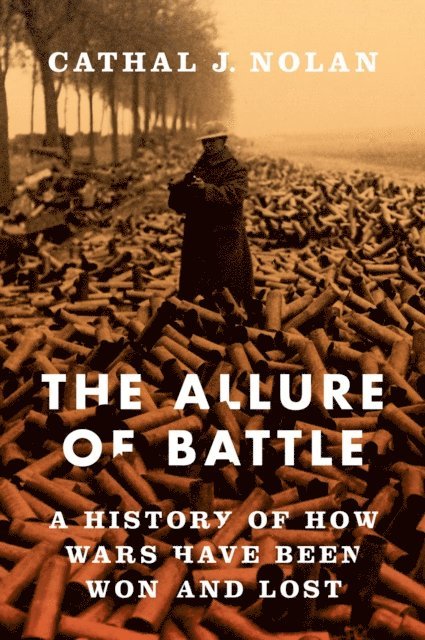
History has tended to measure war''s winners and losers in terms of its major engagements, battles in which the result was so clear-cut that they could be considered "decisive." Cannae, Konigsberg, Austerlitz, Midway, Agincourt-all resonate in the literature of war and in our imaginations as tide-turning. But these legendary battles may or may not have determined the final outcome of the wars in which they were fought. Nor has the "genius" of the so-called Great Captains - from Alexander the Great to Frederick the Great and Napoleon - play a major role. Wars are decided in other ways. Cathal J. Nolan''s The Allure of Battle systematically and engrossingly examines the great battles, tracing what he calls "short-war thinking," the hope that victory might be swift and wars brief. As he proves persuasively, however, such has almost never been the case. Even the major engagements have mainly contributed to victory or defeat by accelerating the erosion of the other side''s defences. Massive conflicts, the so-called "people''s wars," beginning with Napoleon and continuing until 1945, have consisted of and been determined by prolonged stalemate and attrition, industrial wars in which the determining factor has been not military but mat?riel.Nolan''s masterful book places battles squarely and mercilessly within the context of the wider conflict in which they took place. In the process it help corrects a distorted view of battle''s role in war, replacing popular images of the "battles of annihilation" with somber appreciation of the commitments and human sacrifices made throughout centuries of war particularly among the Great Powers. Accessible, provocative, exhaustive, and illuminating, The Allure of Battle will spark fresh debate about the history and conduct of warfare.
Inbunden, Engelska, 2015
696 kr
Skickas inom 10-15 vardagar
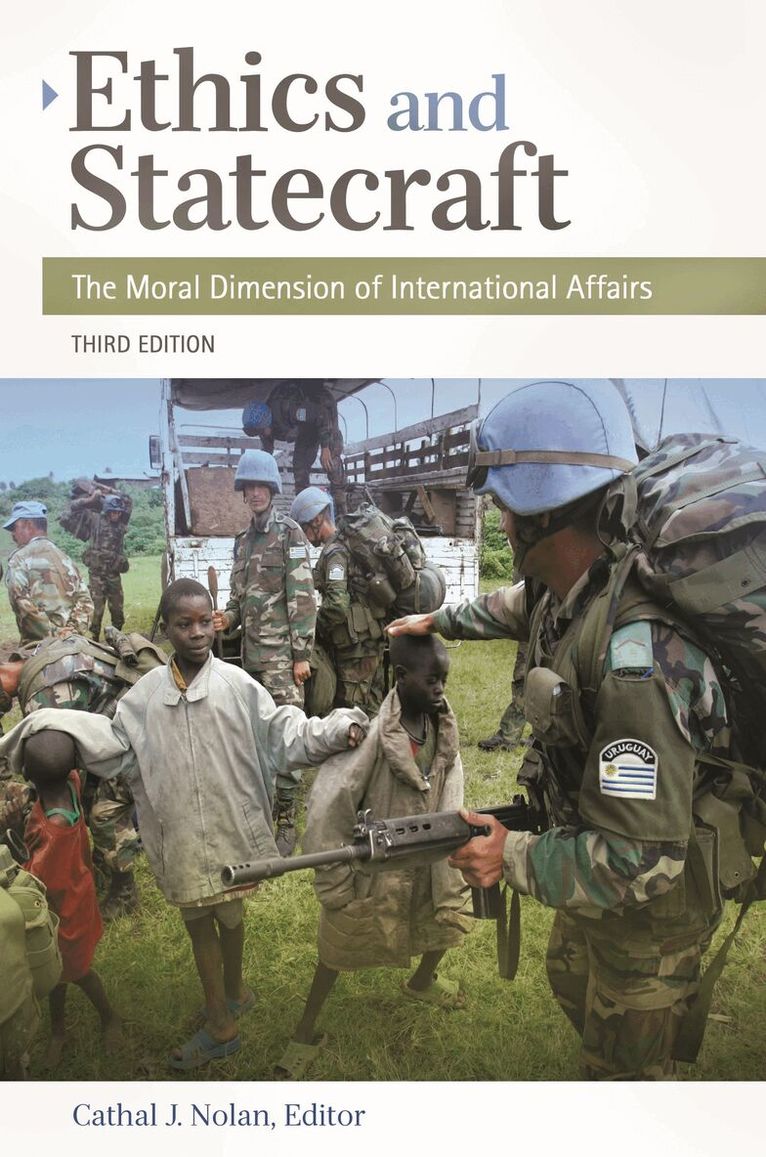
This collection of essays cuts to the quick of the most pressing moral issues facing decision-makers today, from the actions of ordinary soldiers in a combat zone to presidents deciding when and where to use force.Ethics lie at the heart of human and therefore also international affairs, compelling nations to get involved "over there" and dedicate resources to intervention or to justify detachment. The politics and rhetoric of ethics constrain decision-makers, greatly complicating international situations. This third edition of Ethics and Statecraft addresses the moral reasoning behind the art of peacemaking as well as the ethics and statecraft of conducting war. The coverage ranges from historical transformations of whole eras of diplomatic and international history to issues of ethics of bombing and the laws of war. Specific attention is paid to emerging issues such as armed humanitarian intervention and sanctions, drone wars, war crimes, and economic justice. The work is ideally suited for undergraduate and graduate students of international relations, history, political science, and ethics. It will also be useful for NGO officials and military officers struggling with these issues in the field. General readers will find illumination of highly relevant historical issues—including Allied bombing of civilians during World War II—that set precedents for both expansion and limitations on the laws of war. They will also encounter pressing modern-day quandaries, such as the conditions that permit or even require military or humanitarian intervention, and the impact of new technologies on old moral problems.
Häftad, Engelska, 2015
503 kr
Skickas inom 10-15 vardagar
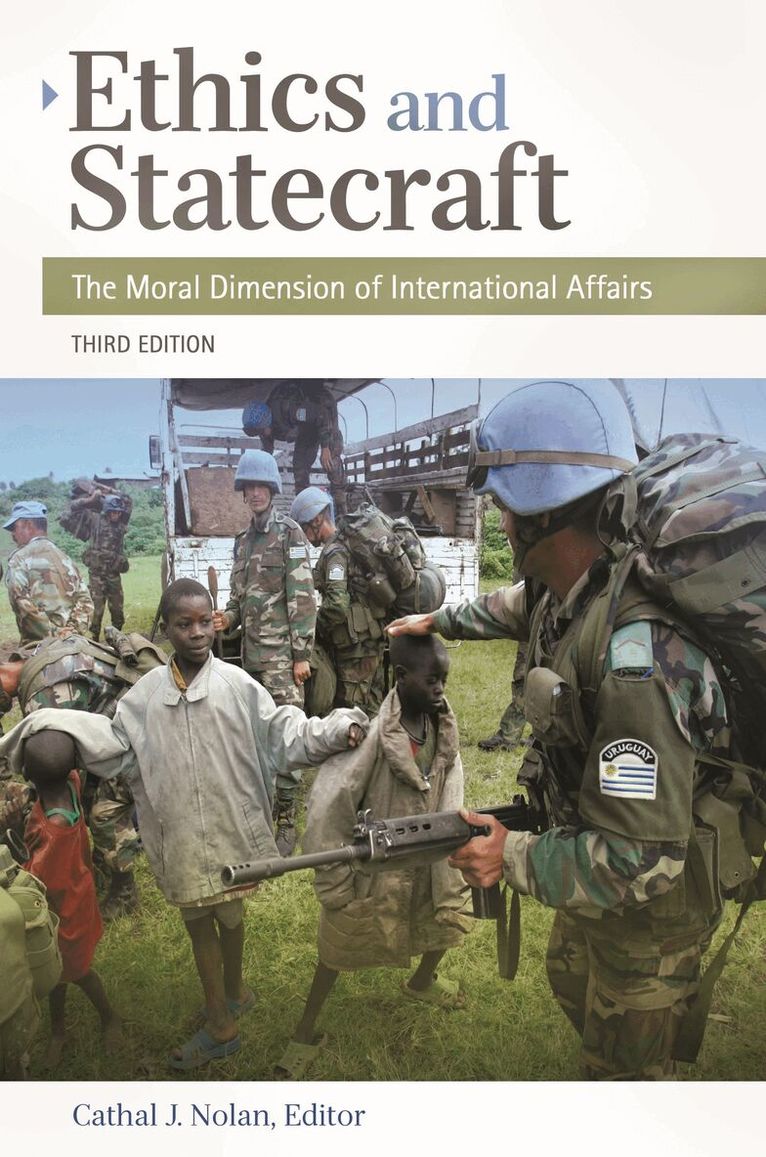
This collection of essays cuts to the quick of the most pressing moral issues facing decision-makers today, from the actions of ordinary soldiers in a combat zone to presidents deciding when and where to use force.Ethics lie at the heart of human and therefore also international affairs, compelling nations to get involved "over there" and dedicate resources to intervention or to justify detachment. The politics and rhetoric of ethics constrain decision-makers, greatly complicating international situations. This third edition of Ethics and Statecraft addresses the moral reasoning behind the art of peacemaking as well as the ethics and statecraft of conducting war. The coverage ranges from historical transformations of whole eras of diplomatic and international history to issues of ethics of bombing and the laws of war. Specific attention is paid to emerging issues such as armed humanitarian intervention and sanctions, drone wars, war crimes, and economic justice. The work is ideally suited for undergraduate and graduate students of international relations, history, political science, and ethics. It will also be useful for NGO officials and military officers struggling with these issues in the field. General readers will find illumination of highly relevant historical issues—including Allied bombing of civilians during World War II—that set precedents for both expansion and limitations on the laws of war. They will also encounter pressing modern-day quandaries, such as the conditions that permit or even require military or humanitarian intervention, and the impact of new technologies on old moral problems.