Catherine Albisa – författare
Visar alla böcker från författaren Catherine Albisa. Handla med fri frakt och snabb leverans.
2 produkter
2 produkter
E-bok
PDF, Engelska, 20071 747 kr
Läs direkt efter köp
This three-volume set chronicles the history of human rights in the United States from the perspective of domestic social justice activism. First, the set examines the political forces and historic events that resulted in the U.S.'s failure to embrace human rights principles at home while actively (albeit selectively) championing and promoting human rights abroad. It then considers the current explosion of human rights activism around issues within the United States and the way human rights is transforming domestic social justice work.The first volume provides a historical perspective on the United States' ambivalent relationship with the international human rights movement. It examines the implications of recognizing domestic rights violations as a matter of international concern and the relationship between international and domestic law. It also addresses the role the Cold War and Southern opposition to international scrutiny of its Jim Crow policies and segregation played in shaping U.S. attitudes toward human rights generally and social and economic rights in particular. These factors forced social justice organizations to largely abandon employing a human rights framework in their domestic work and had a lasting impact on U.S. perspectives about fundamental rights and the role of government. The set also chronicles current domestic human rights work. Volumes two and three consider why domestic activists currently are using human rights and the tactical advantages and practical challenges posed by such strategies. These volumes cover everything from globalization to terrorism and the erosion of civil rights protections that led to a renewed interest in human rights; human rights versus civil rights strategies; and the different ways human rights can support social activism.
Häftad, Engelska, 2009
490 kr
Skickas inom 10-15 vardagar
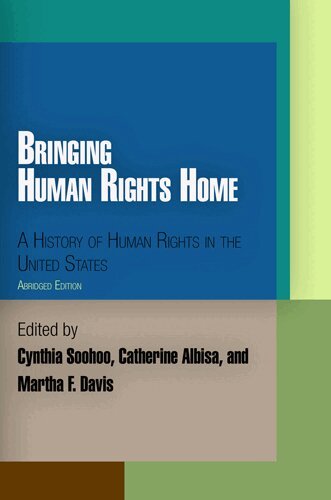
Throughout its history, America's policies have alternatively embraced human rights, regarded them with ambivalence, or rejected them out of hand. The essays in Bringing Human Rights Home: A History of Human Rights in the United States put these shifting political winds into a larger historical perspective, from the country's very beginnings to the present day.The contributing writers examine the global influences on early American attitudes toward human rights and, reviewing the twentieth century, note the high-water mark of human rights acceptance during Franklin Delano Roosevelt's presidency. They examine the domestic tensions between civil and political rights on the one hand, and economic, social, and cultural rights on the other. Taking the long view, many of the contributors emphasize the role played by social movements and grassroots activists in pressing a human rights agenda from the bottom up.The essays examine the centrality of human rights in the early and mid-twentieth-century civil rights movement, the breadth of subnational human rights activism in the face of federal inaction on a range of human rights issues, and the ways both post-9/11 developments and government responses to the devastation of Hurricane Katrina spurred grassroots activism in the United States. Several essays explore in depth the emergence of new advocacy strategies, both in the context of litigating for civil and political rights and through the lens of particular economic rights sectors, such as labor. Though the setbacks for human rights have been many, Bringing Human Rights Home demonstrates the strength and resilience of the U.S. human rights movement and offers hope for its future.