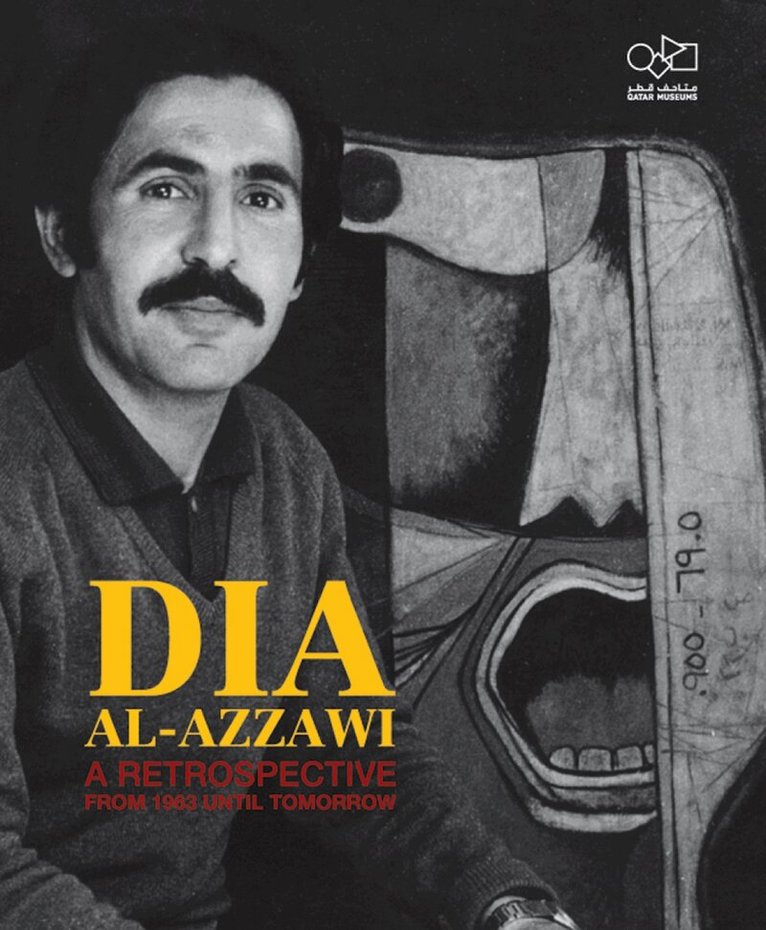
Dia Al-Azzawi's work, long celebrated for its vibrant 13 colour and vivacious style, came in on the tail winds of the early Pioneers movement in Iraq that arose in the mid-twentieth century and flourished in the 1940s-1960s. Al-Azzawi, some decades younger than the Pioneers and the related Baghdad Group for Modern Art, followed in their impressive and ground-breaking footsteps, emerging as a significant artist in his own right in the 1960s. The last quarter of the twentieth century and the works of the next generation of artists that developed, especially in the era of the international embargo against Iraq and the US-UK war of 2003 and its aftermath, were heavily represented in Al-Azzawi's work, and his persistent references to the Mesopotamian past. In these works, and in his practices, this past had a tenacious continuity that he saw as part of the Iraqi present, co-existing with it rather than merely quoted and referenced within a separate modern world of art. In Al-Azzawi's recent work, the utilisation of the past becomes a strong political statement against war and occupation, against the destruction of his ancient land.
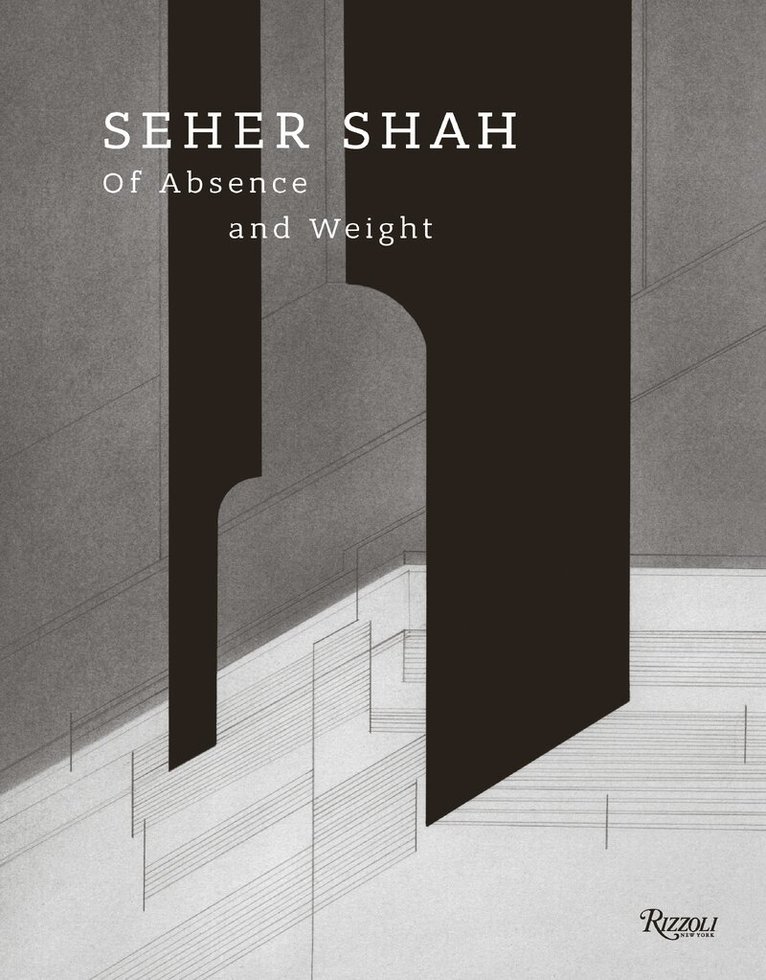
The book surveys twenty years of Shah s practice across drawing, printmaking, and sculpture. Her work speaks to the poetics and fractures of the surrounding landscape, spanning the historical and the intimate. She has explored ideas in architecture and perspective drawing traditions; contested relationships between history, objects, and time; and examined the relationship between poetry and abstraction. Her works are found in collections including the Metropolitan Museum of Art and the Museum of Modern Art, in New York; the Centre Pompidou, in Paris; the Tate Modern, in London; and the Art Jameel Collection, in Dubai.
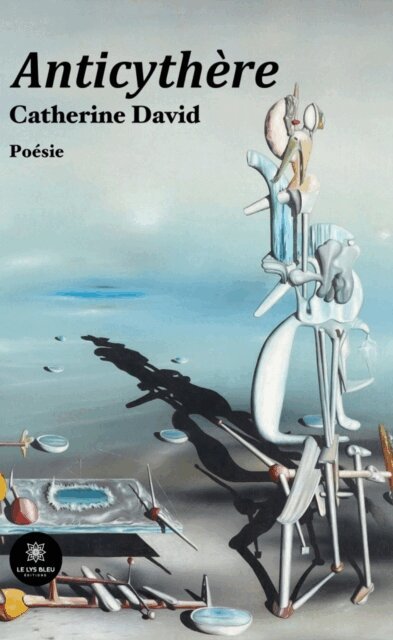
Anticythere est un recueil qui rassemble six longs poemes, six chants. C'est un hymne a l'ame sensible des betes, au c ur vibrant des choses inanimees, aux fantomes du passe, a tous les paradis perdus... La forme poetique permet a Catherine David de developper avec bonheur un sujet, une atmosphere, et d'en explorer tous les aspects et toutes les profondeurs. Les espaces clos par nature, une ile, un paquebot, une chambre, un hotel particulier... sont, pour elle, les cadres privilegies de cet approfondissement. Le travail est alors acheve lorsqu'une musique singuliere se fait entendre.
Dia Al-Azzawi's work, long celebrated for its vibrant 13 colour and vivacious style, came in on the tail winds of the early Pioneers movement in Iraq that arose in the mid-twentieth century and flourished in the 1940s-1960s. Al-Azzawi, some decades younger than the Pioneers and the related Baghdad Group for Modern Art, followed in their impressive and ground-breaking footsteps, emerging as a significant artist in his own right in the 1960s. The last quarter of the twentieth century and the works of the next generation of artists that developed, especially in the era of the international embargo against Iraq and the US-UK war of 2003 and its aftermath, were heavily represented in Al-Azzawi's work, and his persistent references to the Mesopotamian past. In these works, and in his practices, this past had a tenacious continuity that he saw as part of the Iraqi present, co-existing with it rather than merely quoted and referenced within a separate modern world of art. In Al-Azzawi's recent work, the utilisation of the past becomes a strong political statement against war and occupation, against the destruction of his ancient land.
The book surveys twenty years of Shah s practice across drawing, printmaking, and sculpture. Her work speaks to the poetics and fractures of the surrounding landscape, spanning the historical and the intimate. She has explored ideas in architecture and perspective drawing traditions; contested relationships between history, objects, and time; and examined the relationship between poetry and abstraction. Her works are found in collections including the Metropolitan Museum of Art and the Museum of Modern Art, in New York; the Centre Pompidou, in Paris; the Tate Modern, in London; and the Art Jameel Collection, in Dubai.
Anticythere est un recueil qui rassemble six longs poemes, six chants. C'est un hymne a l'ame sensible des betes, au c ur vibrant des choses inanimees, aux fantomes du passe, a tous les paradis perdus... La forme poetique permet a Catherine David de developper avec bonheur un sujet, une atmosphere, et d'en explorer tous les aspects et toutes les profondeurs. Les espaces clos par nature, une ile, un paquebot, une chambre, un hotel particulier... sont, pour elle, les cadres privilegies de cet approfondissement. Le travail est alors acheve lorsqu'une musique singuliere se fait entendre.