Cathleen Spinelli – författare
3 204 kr
Skickas inom 3-6 vardagar
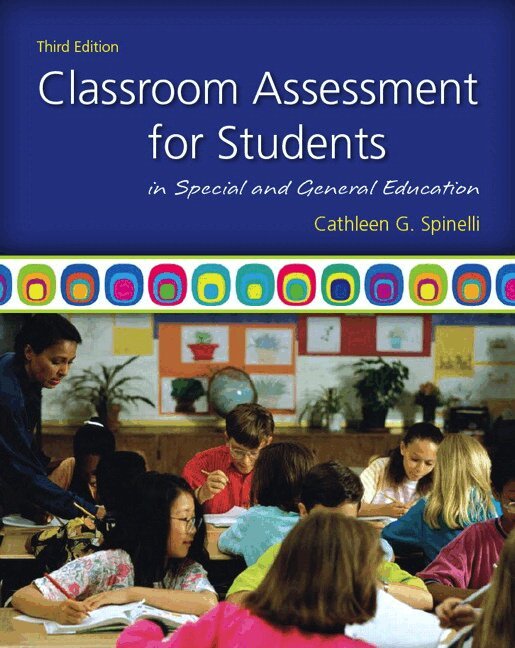
The focus of this best-selling special education assessment book is on providing special and general educators with a variety of assessment procedures and directions on how to construct, administer, score, interpret, graph, monitor, write, and report assessment results. From this book, readers will come away knowing the latest in authentic, curriculum, and performance-based assessment measures with direct connections to instruction, IEP development, and reporting to parents; and new focuses on progress monitoring, Response to Intervention (RTI) and on the practical application of assessment results. Future educators will gain the pertinent skills necessary to effectively use assessment, particularly informal assessment, in understanding the needs of the whole student in today’s general and special education classrooms. With a fresh, new four-part structure, (Overview of the RTI and Special Education Process; Types of Assessment; Basic Skills and Content-Subject Assessment; and Special Focus Assessment), and thorough updates and revisions in every chapter, once again Spinelli’s text proves its worth in being one of the top-selling texts on assessment in special education, preparing today’s educators to instruct and assess diverse students in every type of classroom.
662 kr
Skickas inom 7-10 vardagar
An easy-to-read and useful guide to state-of-the-art, best practices in assessment.
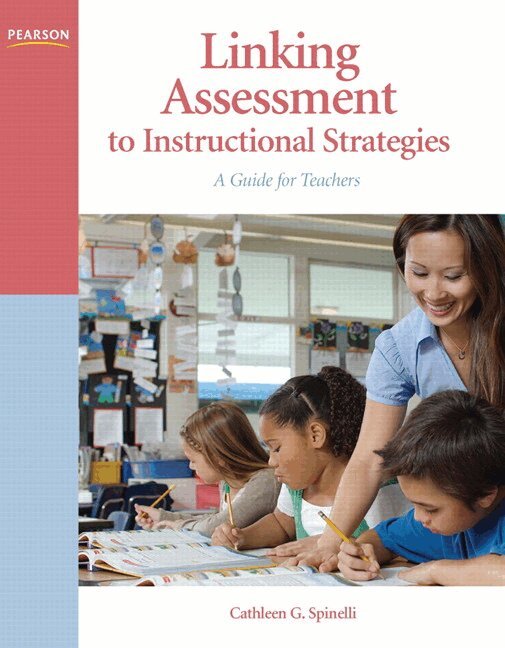
This practical, teacher-friendly book provides step-by-step instructions on choosing and administering classroom assessments; analyzing, interpreting, rating, and monitoring results; and reporting student progress. Whether new to authentic or informal assessment, or strongly familiar with traditional testing, this book will interpret and guide the teaching professional on how to integrate cutting-edge assessment measures seamlessly into their daily teaching schedule. The book is chock-full of the latest in authentic, curriculum and performance-based assessment measures with direct connections to instruction, IEP development, and methods of reporting to parents. Busy teachers will appreciate the clear, accessible writing style and how easily the book helps them to determine what test to use, the specific diagnostic questions to ask, the classroom materials that will be needed, clearly informed administration strategies, and the explicit examples that are included and can be taken straight from the page to the real classroom. Keenly focused on providing teachers with a variety of assessment procedures, including the why, what, and how of testing, it furthermore gives directions on how to construct, administer, and score assessments as well as how to interpret, graph, monitor, write, and report assessment results to families and school support personnel. Another key feature includes suggested interventions to use when test results indicate that specific skills have been mastered, are emerging, or need to be introduced. An ideal book for school administrators, supervisors, and remedial specialists, and for those implementing Response to Intervention (RI), it is most appropriate for professional development and in-service practicing teachers who want an easy-to-read and useful guide to state-of-the-art, best practices in assessment.