Chang-Yau Hoon – författare
Visar alla böcker från författaren Chang-Yau Hoon. Handla med fri frakt och snabb leverans.
17 produkter
Chinese Indonesians Reassessed
History, Religion and Belonging
Av Siew-Min Sai, Chang-Yau Hoon
Inbunden, 2012
2526 kr
Lägg i varukorg
The Chinese in Indonesia form a significant minority of about three percent of the population, and have played a disproportionately important role in the country. Given that Chinese Indonesians are not seen as indigenous to the country and are consistently defined against Indonesian nationalism, …
Chinese Indonesians Reassessed
History, Religion and Belonging
Av Chang-Yau Hoon, Siew-Min Sai
E-bok, 2012
949 kr
Lägg i varukorg
The Chinese in Indonesia form a significant minority of about three percent of the population, and have played a disproportionately important role in the country. Given that Chinese Indonesians are not seen as indigenous to the country and are consistently defined against Indonesian nationalism, …
Chinese Indonesians Reassessed
History, Religion and Belonging
Av Chang-Yau Hoon, Siew-Min Sai
E-bok, 2012
970 kr
Lägg i varukorg
The Chinese in Indonesia form a significant minority of about three percent of the population, and have played a disproportionately important role in the country. Given that Chinese Indonesians are not seen as indigenous to the country and are consistently defined against Indonesian nationalism, …
Chinese Indonesians Reassessed
History, Religion and Belonging
Av Siew-Min Sai, Chang-Yau Hoon
Häftad, 2014
825 kr
Lägg i varukorg
The Chinese in Indonesia form a significant minority of about three percent of the population, and have played a disproportionately important role in the country. Given that Chinese Indonesians are not seen as indigenous to the country and are consistently defined against Indonesian nationalism, …
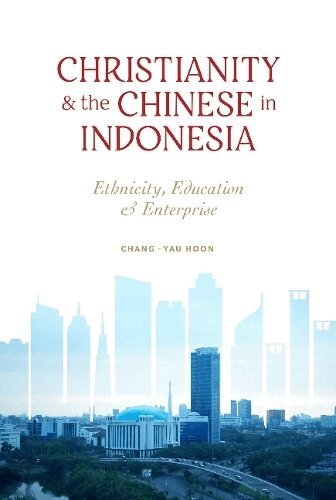
Christianity and the Chinese in Indonesia
Ethnicity, Education and Enterprise
Häftad, 2023
808 kr
Lägg i varukorg
The field of religions of Indonesia is dominated by the sheer size of the population of Muslims, which represent 87 percent of the Indonesian population. Christians form the second largest religious group and represent the largest concentration of members of minority ethnic groups with 7 percent …
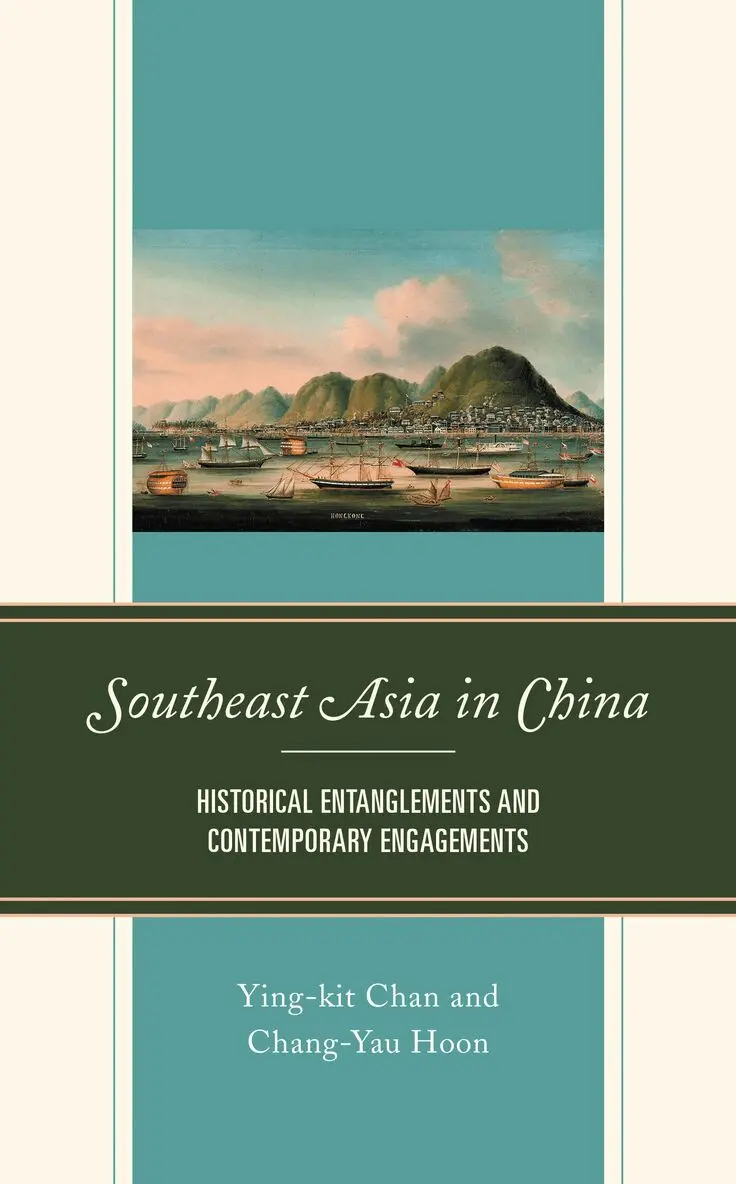
Southeast Asia in China
Historical Entanglements and Contemporary Engagements
Av Ying-kit Chan, Chang-Yau Hoon
Inbunden, 2023
1102 kr
Lägg i varukorg
As part of “China’s south,” Southeast Asia has historically assumed a peripheral position when juxtaposed against the power of the Chinese state. In the existing scholarly literature, the power asymmetry is reflected in the ostensible bias where most studies are about China’s presence in or …
Southeast Asia in China
Historical Entanglements and Contemporary Engagements
Av Ying-kit Chan, Chang-Yau Hoon
Häftad, 2025
431 kr
Lägg i varukorg
As part of “China’s south,” Southeast Asia has historically assumed a peripheral position when juxtaposed against the power of the Chinese state. In the existing scholarly literature, the power asymmetry is reflected in the ostensible bias where most studies are about China’s presence in or …
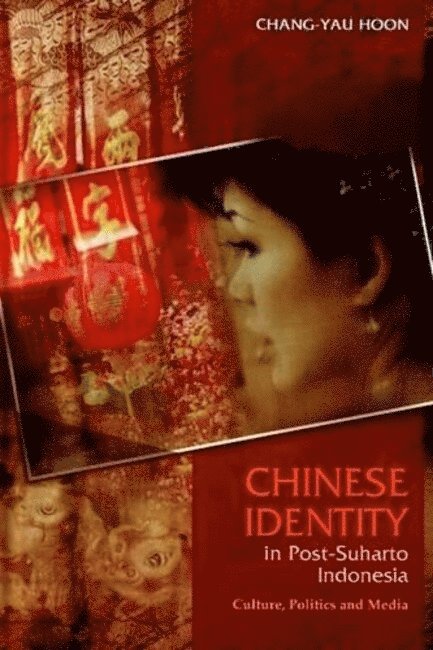
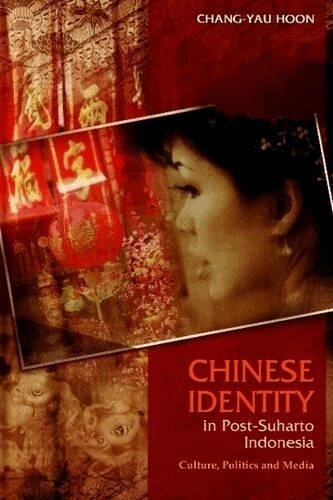
Chinese Identity in Post-Suharto Indonesia
Culture, Politics and Media
Inbunden, 2008
1908 kr
Lägg i varukorg
During Suharto's New Order (1966-1998), the ethnic Chinese expanded Indonesia's economy (and their own wealth) but, paradoxically, were marginalized and discriminated against in all social spheres - culture, language, politics, entrance to state-owned universities, and public service and public …
Chinese Identity in Post-Suharto Indonesia
Culture, Politics and Media
Häftad, 2011
544 kr
Lägg i varukorg
During Suharto's New Order (1966-1998), the ethnic Chinese expanded Indonesia's economy (and their own wealth) but, paradoxically, were marginalized and discriminated against in all social spheres - culture, language, politics, entrance to state-owned universities, and public service and public …
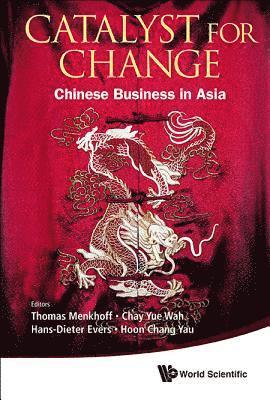
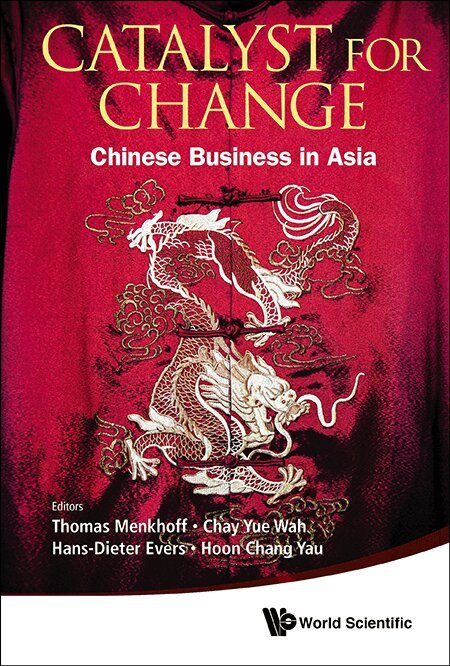
CATALYST FOR CHANGE: CHINESE BUSINESS IN ASIA
Av Menkhoff Thomas, Thomas Menkhoff m. fl.
Häftad, 2013
871 kr
Lägg i varukorg
This book serves as a textbook for courses on Asian studies with a focus on ethnic Chinese entrepreneurs and business management in Asia. It provides a comprehensive Asian perspective on the organizational peculiarities and changing business practices of ethnic Chinese businesses and their leaders …
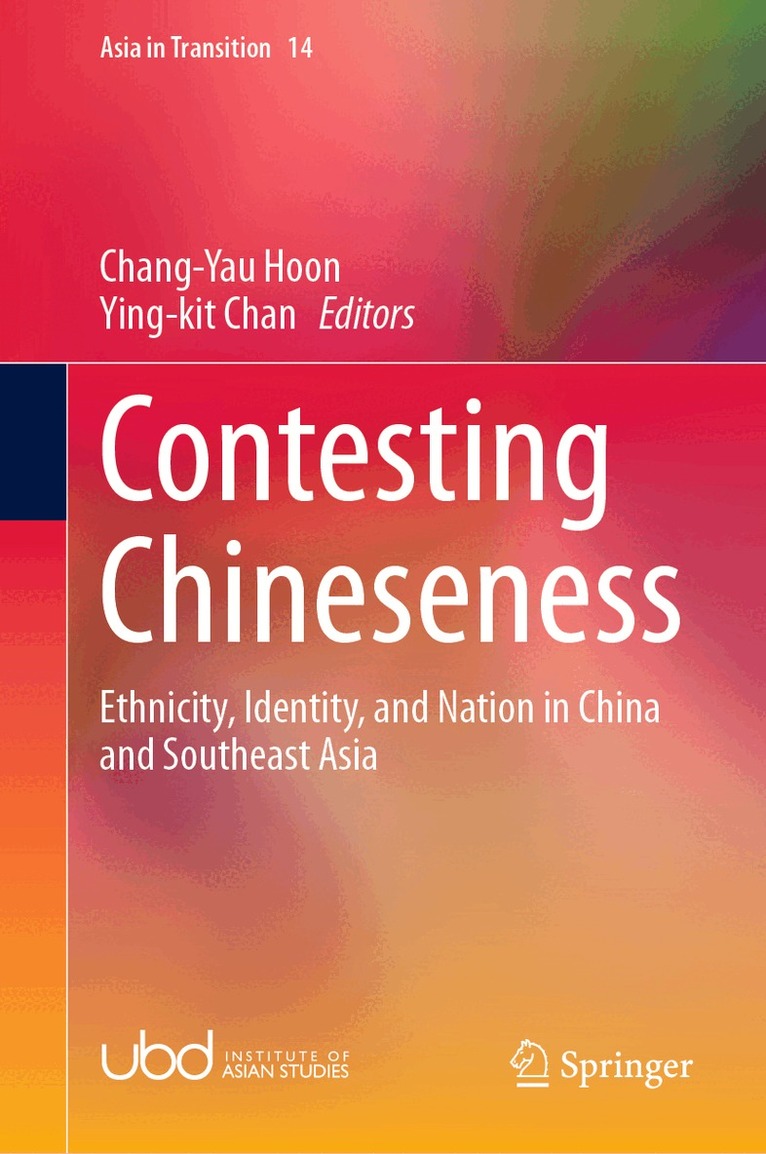
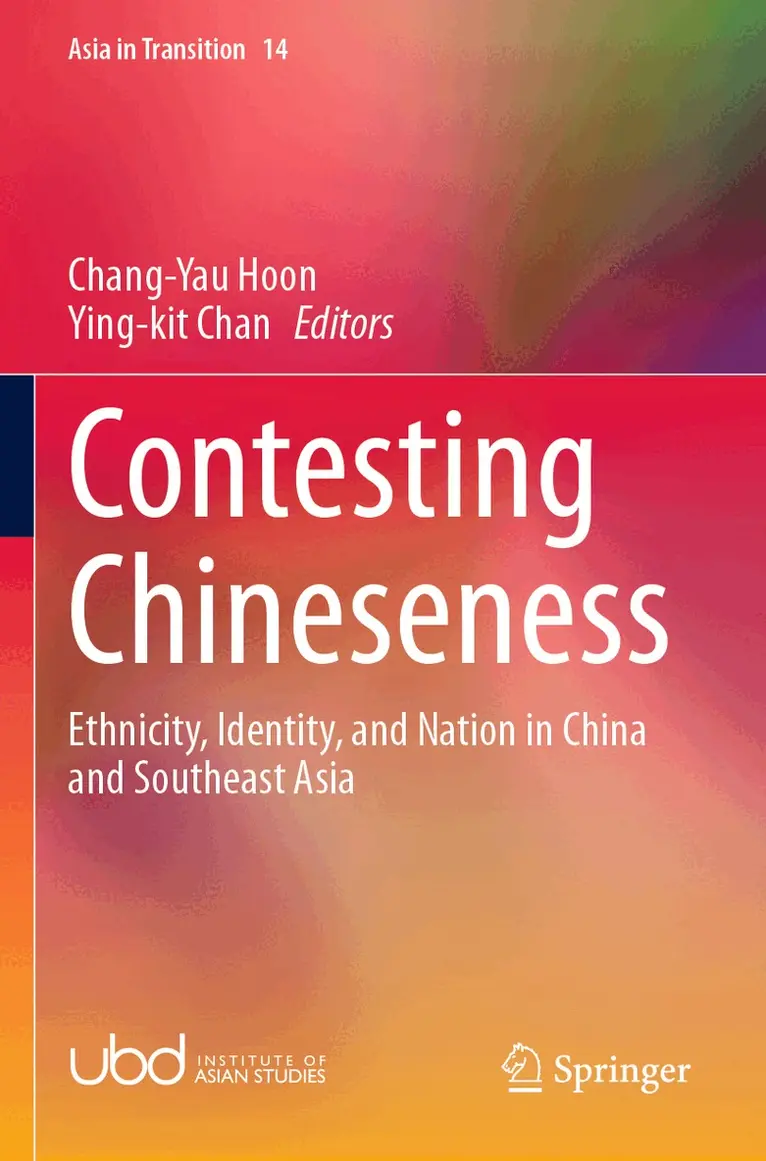
Contesting Chineseness
Ethnicity, Identity, and Nation in China and Southeast Asia
Av Chang-Yau Hoon, Ying-kit Chan
Inbunden, 2021
1688 kr
Lägg i varukorg
Combining a historical approach of Chineseness and a contemporary perspective on the social construction of Chineseness, this book provides comparative insights to understand the contingent complexities of ethnic and social formations in both China and among the Chinese diaspora in Southeast Asia. …
Contesting Chineseness
Ethnicity, Identity, and Nation in China and Southeast Asia
Av Ying-kit Chan, Chang-Yau Hoon
E-bok, 2021
2044 kr
Lägg i varukorg
Combining a historical approach of Chineseness and a contemporary perspective on the social construction of Chineseness, this book provides comparative insights to understand the contingent complexities of ethnic and social formations in both China and among the Chinese diaspora in Southeast Asia. …
Contesting Chineseness
Ethnicity, Identity, and Nation in China and Southeast Asia
Av Chang-Yau Hoon, Ying-kit Chan
Häftad, 2022
1688 kr
Lägg i varukorg
Combining a historical approach of Chineseness and a contemporary perspective on the social construction of Chineseness, this book provides comparative insights to understand the contingent complexities of ethnic and social formations in both China and among the Chinese diaspora in Southeast Asia. …
CATALYST FOR CHANGE: CHINESE BUSINESS IN ASIA
Av Menkhoff Thomas, Thomas Menkhoff m. fl.
Inbunden, 2013
1965 kr
Lägg i varukorg
This book serves as a textbook for courses on Asian studies with a focus on ethnic Chinese entrepreneurs and business management in Asia. It provides a comprehensive Asian perspective on the organizational peculiarities and changing business practices of ethnic Chinese businesses and their leaders …
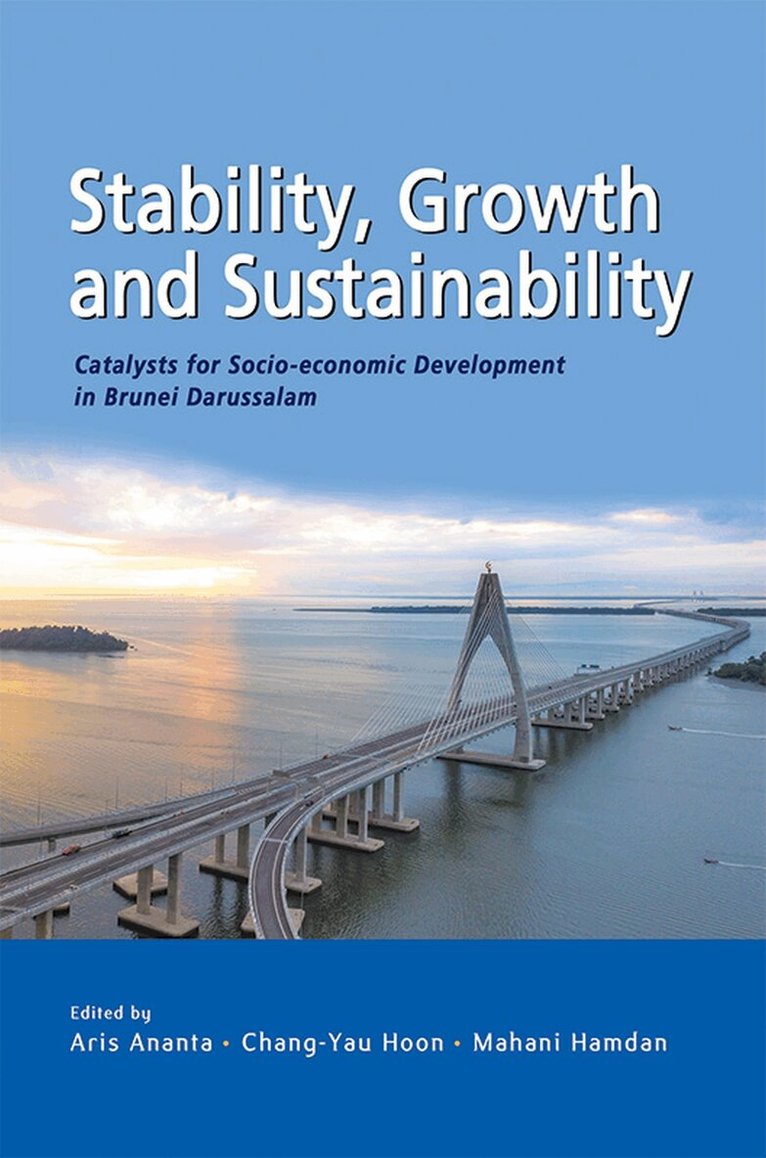
Stability, Growth and Substainability
Catalysts for Socio-Economic Development in Brunei Darussalam
Av Aris Ananta, Chang-Yau Hoon m. fl.
Häftad, 2023
504 kr
Lägg i varukorg
As in many other oil and gas dependent countries, Brunei Darussalam—a country with a small population but the second highest income per capita in Southeast Asia—has been diversifying its economy in three sectors: from oil and gas to other sectors of export/economic growth; from the dominance of …
China’s Cultural Diplomacy in Indonesia
The Case of a Transnational Singing Contest
Av Chang Yau Hoon, Ardhitya Eduard Yeremia
Häftad, 2024
129 kr
Lägg i varukorg
The emphasis on cultural connectivity in China’s growing presence and involvement in Southeast Asia highlights the importance China places on people-to-people exchanges as part of its global engagement strategy.The remarkable ascension of China over the recent decades has precipitated a …
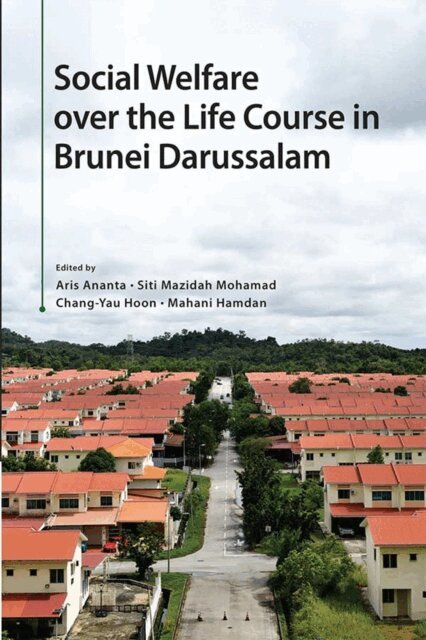
Social Welfare over the Life Course in Brunei Darussalam
Av Aris Ananta, Siti Mazidah Mohamad m. fl.
Häftad, 2026
473 kr
Lägg i varukorg