Charles E. Cobb – författare
Visar alla böcker från författaren Charles E. Cobb. Handla med fri frakt och snabb leverans.
3 produkter
3 produkter
Häftad, Engelska, 2002
247 kr
Skickas inom 3-6 vardagar
E-bok
Engelska, 2002215 kr
Läs direkt efter köp
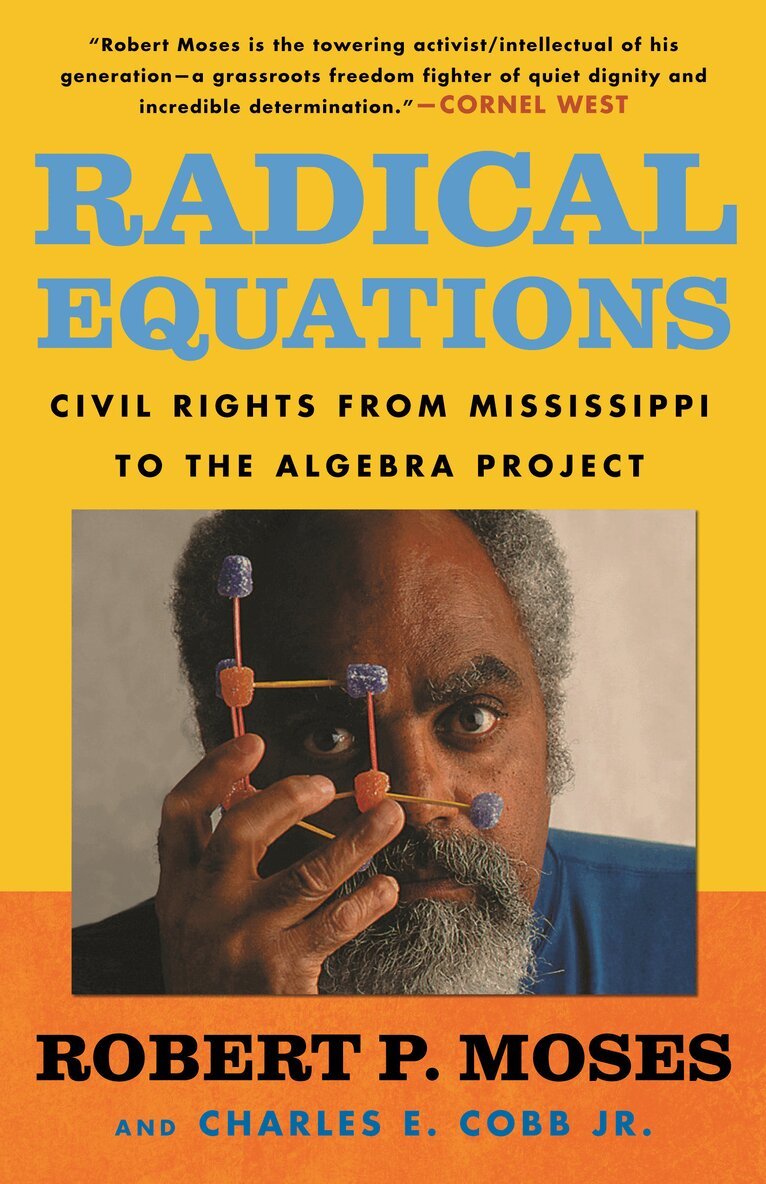
At a time when popular solutions to the educational plight of poor children of color are imposed from the outside-national standards, high-stakes tests, charismatic individual saviors-the acclaimed Algebra Project and its founder, Robert Moses, offer a vision of school reform based in the power of communities. Begun in 1982, the Algebra Project is transforming math education in twenty-five cities. Founded on the belief that math-science literacy is a prerequisite for full citizenship in society, the Project works with entire communities-parents, teachers, and especially students-to create a culture of literacy around algebra, a crucial stepping-stone to college math and opportunity.Telling the story of this remarkable program, Robert Moses draws on lessons from the 1960s Southern voter registration he famously helped organize: ''Everyone said sharecroppers didn''t want to vote. It wasn''t until we got them demanding to vote that we got attention. Today, when kids are falling wholesale through the cracks, people say they don''t want to learn. We have to get the kids themselves to demand what everyone says they don''t want.''We see the Algebra Project organizing community by community. Older kids serve as coaches for younger students and build a self-sustained tradition of leadership. Teachers use innovative techniques. And we see the remarkable success stories of schools like the predominately poor Hart School in Bessemer, Alabama, which outscored the city''s middle-class flagship school in just three years.Radical Equations provides a model for anyone looking for a community-based solution to the problems of our disadvantaged schools.From the Trade Paperback edition.
Häftad, Engelska, 2015
272 kr
Skickas
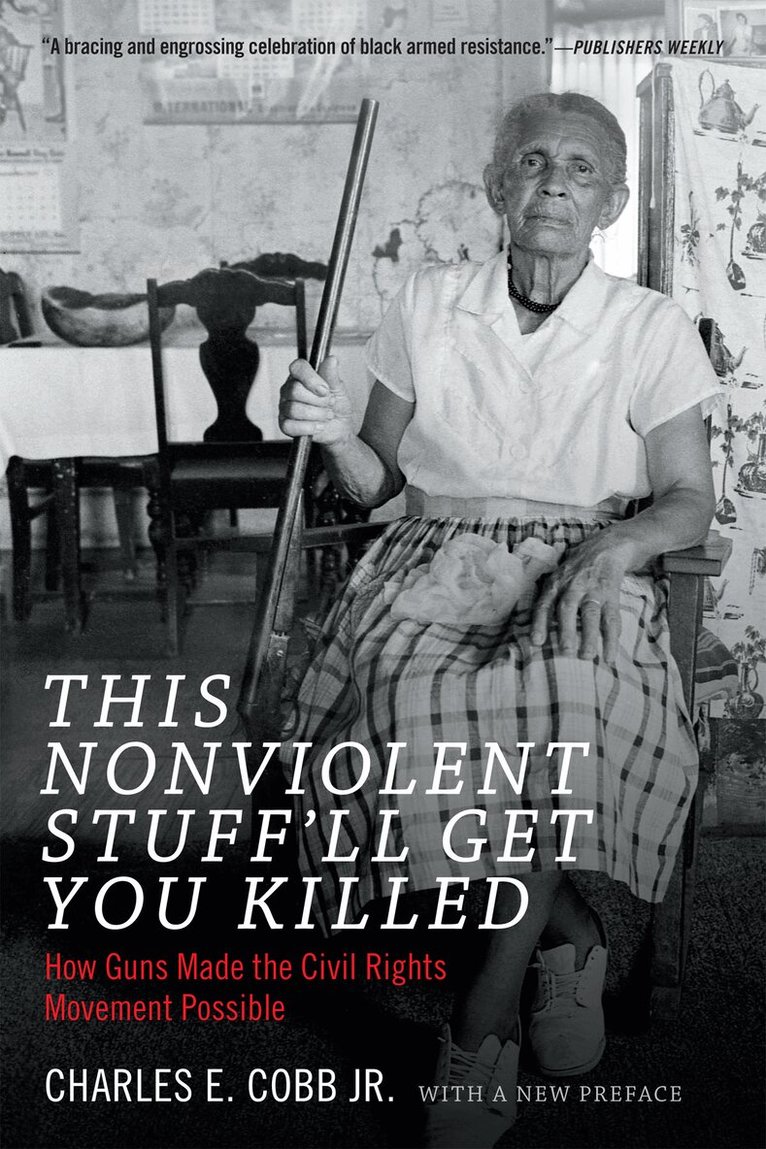
Visiting Martin Luther King Jr. during the Montgomery, Alabama, bus boycott, journalist William Worthy almost sat on a loaded pistol. "Just for self-defense," King assured him. It was not the only weapon King kept for such a purpose; one of his advisors remembered the reverend’s Montgomery, Alabama, home as "an arsenal." Like King, many ostensibly "nonviolent" civil rights activists embraced their constitutional right to self-protection-yet this crucial dimension of the Afro-American freedom struggle has been long ignored by history. In This Nonviolent Stuff’ll Get You Killed, Charles E. Cobb Jr. recovers this history, describing the vital role that armed self-defense has played in the survival and liberation of black communities. Drawing on his experiences in the civil rights movement and giving voice to its participants, Cobb lays bare the paradoxical relationship between the nonviolent civil rights struggle and the long history and importance of African Americans taking up arms to defend themselves against white supremacist violence.