Charles W. Calhoun – författare
647 kr
Skickas inom 5-8 vardagar
439 kr
Skickas inom 10-15 vardagar
762 kr
Skickas inom 5-8 vardagar
577 kr
Läs direkt efter köp
Choice Outstanding Academic Title
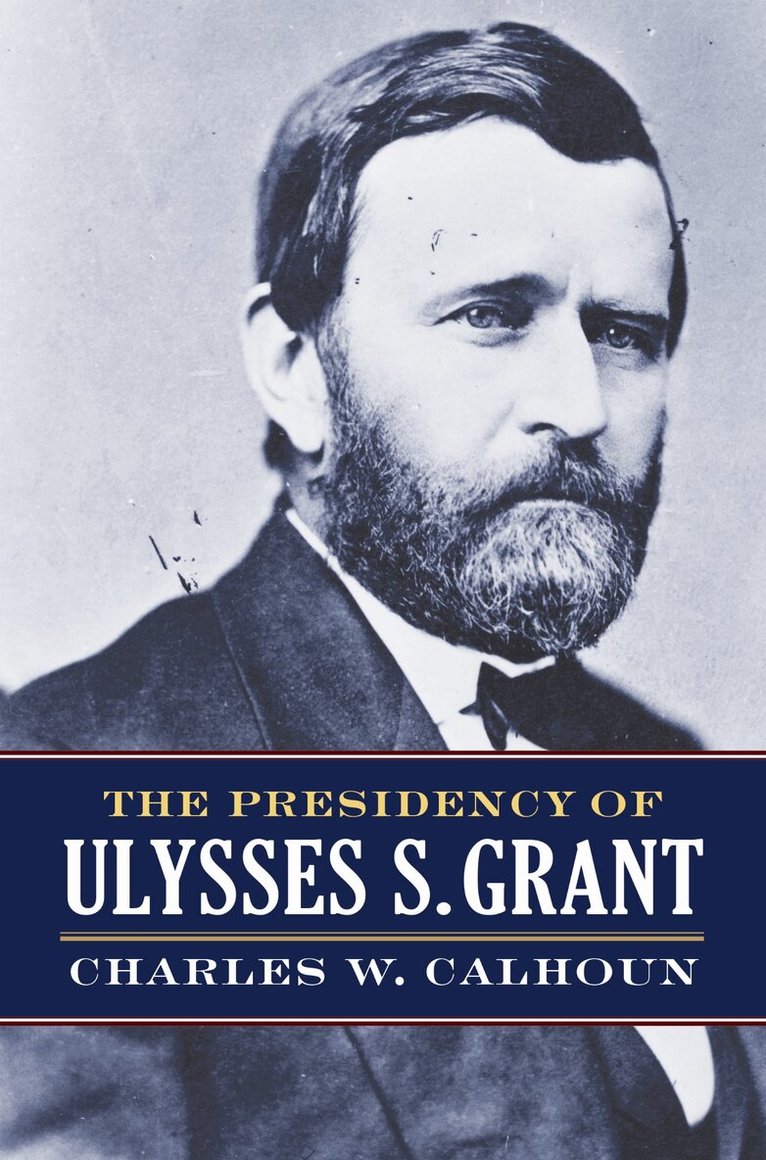
As controversial in politics as he was in the military, Ulysses S. Grant (1822–1885) was an embattled president, enormously popular with the American people, yet the target of unrelenting censure by political enemies. For the first time in almost a century, this book by the distinguished historian Charles W. Calhoun examines Grant’s administration in depth, offering a fresh look at the 18th president’s policies and actions during his two terms in office (1869–1877).
Most biographers focus on Grant’s military career, giving less attention to the significant and complex questions that marked his presidential terms. These concerns, the issues of politics and governance, are at the core of this book. As a political historian with a vast knowledge of nineteenth-century America and an extensive array of original sources at his command, Calhoun approaches Grant’s presidency not as an incongruous or inconsequential sequel to his military career but instead as the polestar of American public life during a crucial decade in the nation’s political development. He explores Grant’s leadership style and traces his contributions to the office of president, including creating a White House staff, employing modern technology to promote the mobility of the presidency, and developing strong ties with congressional leaders to enhance executive influence over legislation.
The Presidency of Ulysses S. Grant provides a detailed discussion of the administration’s endeavors in a variety of areas—Reconstruction and civil rights, economic policy, the Peace Policy for Native Americans, foreign policy, and civil service reform. It also offers a straightforward examination of the scandals associated with the period, highlighting the “embattled” nature of Grant’s presidency and the deep antagonism that marked his relations with key critics such as Charles Sumner, Henry Adams, and Benjamin Bristow. In sum, this book is a long overdue re-evaluation of a pivotal presidency in America’s political history.
284 kr
Läs direkt efter köp
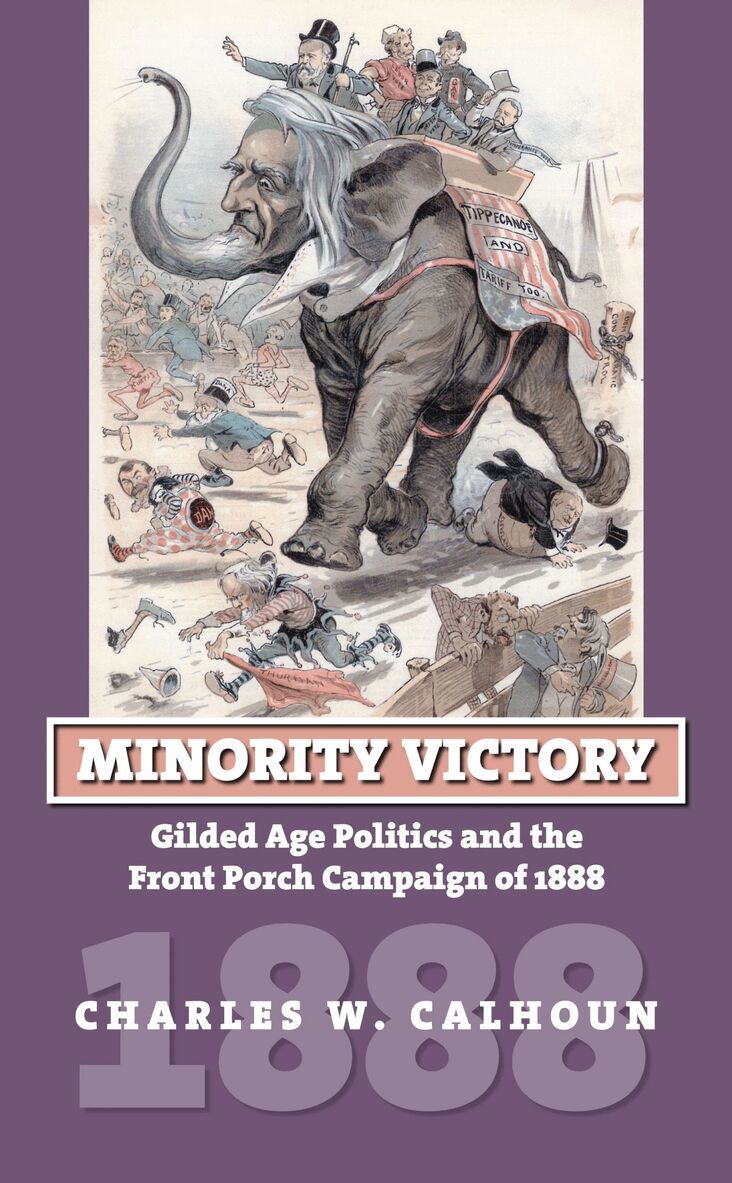
During the run-up to the 1888 presidential election, Americans flocked to party rallies, marched in endless parades, and otherwise participated zealously in the political process. Although they faced a choice between two uncharismatic candidates—Republican challenger Benjamin Harrison and Democratic incumbent Grover Cleveland—voters took intense interest in the issues they espoused. And though Harrison became one of only four candidates to win the presidency while losing the popular vote, the lasting significance of the election was its foreshadowing of both the modern campaign and the modern presidency.
Charles W. Calhoun shows how this presidential contest not only exemplified Gilded Age politics but also marked a major shift from divisive sectional rhetoric to an emphasis on voters’ economic concerns. Calhoun first explores Cleveland’s rise to the presidency and explains why he turned to economic issues, especially tariff reduction, in framing his bid for reelection. He then provides a detailed analysis of the raucous Republican national convention and describes Harrison''s effective front porch campaign, in which he proclaimed his views almost daily to visiting voters and reporters. Calhoun also explores the role of party organizations, business interests, labor, women, African Americans, and third parties in the campaign; discusses alleged fraud in the election; and analyzes the Democrats’ suppression of black votes in the South.
The 1888 campaign marked an important phase in the evolution of American political culture and augured significant innovations in American politics and governance. The Republicans’ performance, in particular, reflected the party’s future winning strategies: emphasis on economic development, personal participation by the presidential candidate, a well-financed organization, and coordination with beneficiaries of the party’s agenda.
Harrison set important precedents for campaigning and then, once in office, fashioned new leadership strategies and governing techniques—emphasizing legislative intervention, extensive travel, and a focus on foreign affairs—that would become the stock-in-trade of later presidents. His Republican successors built upon these transformations, making the GOP the majority party for a generation and putting the presidency at the center of American governance—where it has remained ever since.
475 kr
Skickas inom 5-8 vardagar
1 689 kr
Skickas inom 10-15 vardagar
610 kr
Skickas inom 10-15 vardagar
383 kr
Skickas inom 3-6 vardagar
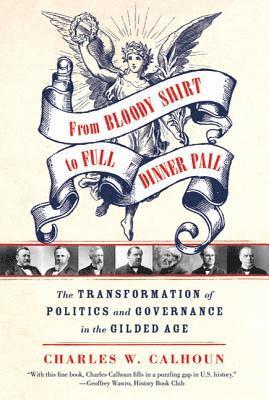
From Bloody Shirt to Full Dinner Pail
The Transformation of Politics and Governance in the Gilded Age
206 kr
Skickas inom 5-8 vardagar
444 kr
Skickas inom 3-6 vardagar
479 kr
Läs direkt efter köp
571 kr
Skickas inom 10-15 vardagar
629 kr
Skickas inom 10-15 vardagar
170 kr
Läs direkt efter köp
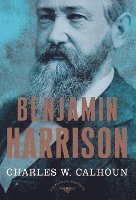
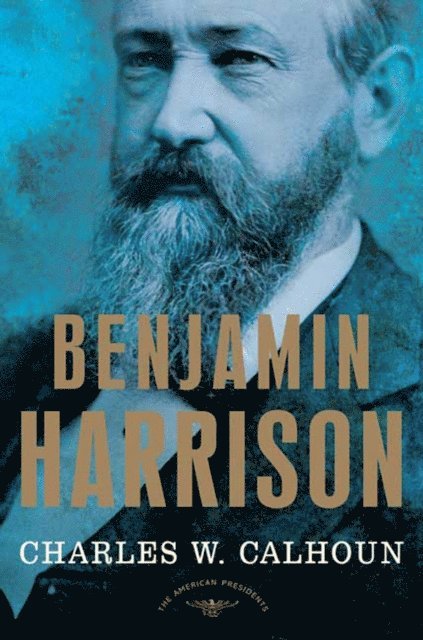
The scion of a political dynasty ushers in the era of big governmentPolitics was in Benjamin Harrison''s blood. His great-grandfather signed the Declaration and his grandfather, William Henry Harrison, was the ninth president of the United States. Harrison, a leading Indiana lawyer, became a Republican Party champion, even taking a leave from the Civil War to campaign for Lincoln. After a scandal-free term in the Senate-no small feat in the Gilded Age-the Republicans chose Harrison as their presidential candidate in 1888. Despite losing the popular vote, he trounced the incumbent, Grover Cleveland, in the electoral college. In contrast to standard histories, which dismiss Harrison''s presidency as corrupt and inactive, Charles W. Calhoun sweeps away the stereotypes of the age to reveal the accomplishments of our twenty-third president. With Congress under Republican control, he exemplified the activist president, working feverishly to put the Party''s planks into law and approving the first billion-dollar peacetime budget. But the Democrats won Congress in 1890, stalling his legislative agenda, and with the First Lady ill, his race for reelection proceeded quietly. (She died just before the election.) In the end, Harrison could not beat Cleveland in their unprecedented rematch.With dazzling attention to this president''s life and the social tapestry of his times, Calhoun compellingly reconsiders Harrison''s legacy.