Charlotte E. Blattner – författare
Visar alla böcker från författaren Charlotte E. Blattner. Handla med fri frakt och snabb leverans.
6 produkter
6 produkter
Inbunden, Engelska, 2019
1 127 kr
Skickas inom 5-8 vardagar
Extraterritorial jurisdiction stands at the juncture of international law and animal law and promises to open a path to understanding and resolving the global problems that challenge the core of animal law. As corporations have relocated and the animal industry (agriculture, medical research, entertainment, etc.) has dispersed its production facilities across the territories of multiple states, regulatory gaps and fears of a race to the bottom have become a pressing issue of global policy.This book provides enough background to allow readers to understand why extraterritorial jurisdiction must respond to these developments, counters objections that readers might raise, and describes how to improve animal law in tandem. The heart of the work is a fully-fledged catalogue of options for extraterritorial jurisdiction, which states can employ to strengthen their animal laws. The book offers top-down perspectives drawn from general international law and trade law, and complements them by a bottom-up up view from the perspective of animal law. The approach connects the law of jurisdiction to substantive law and opens up deeper questions about moral directionality, state and corporate duties owed animals, and the comparative advantages of constitutional, criminal, and administrative animal law. To ensure that extraterritorial animal law does not become complicit in oppressing ethnic and cultural minorities, the book offers critical interdisciplinary perspectives, informed by posthumanist and postcolonialist discourse. Readers will further learn when and how extraterritorial jurisdiction violates international law, and the consequences of exercising it illegally under international law. This work answers questions about how and why extraterritorial jurisdiction can overcome the steepest hurdles for animal law and help move us toward a just global interspecies community. This is an open access title available under the terms of a CC BY-NC-ND 4.0 licence. It is free to read at Oxford Scholarship Online and offered as a free PDF download from OUP and selected open access locations.
E-bok
Engelska, 201949 kr
Läs direkt efter köp
Extraterritorial jurisdiction stands at the juncture of international law and animal law and promises to open a path to understanding and resolving the global problems that challenge the core of animal law. As corporations have relocated and the animal industry (agriculture, medical research, entertainment, etc.) has dispersed its production facilities across the territories of multiple states, regulatory gaps and fears of a race to the bottom have become a pressing issue of global policy. This book provides enough background to allow readers to understand why extraterritorial jurisdiction must respond to these developments, counters objections that readers might raise, and describes how to improve animal law in tandem. The heart of the work is a fully-fledged catalogue of options for extraterritorial jurisdiction, which states can employ to strengthen their animal laws. The book offers top-down perspectives drawn from general international law and trade law, and complements them by a bottom-up up view from the perspective of animal law. The approach connects the law of jurisdiction to substantive law and opens up deeper questions about moral directionality, state and corporate duties owed animals, and the comparative advantages of constitutional, criminal, and administrative animal law. To ensure that extraterritorial animal law does not become complicit in oppressing ethnic and cultural minorities, the book offers critical interdisciplinary perspectives, informed by posthumanist and postcolonialist discourse. Readers will further learn when and how extraterritorial jurisdiction violates international law, and the consequences of exercising it illegally under international law. This work answers questions about how and why extraterritorial jurisdiction can overcome the steepest hurdles for animal law and help move us toward a just global interspecies community.
E-bok
PDF, Engelska, 20191 161 kr
Läs direkt efter köp
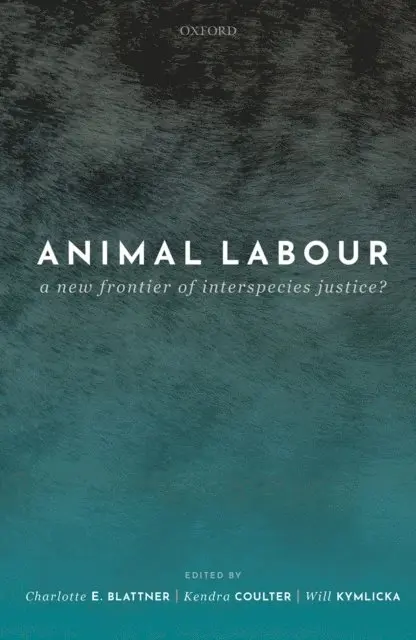
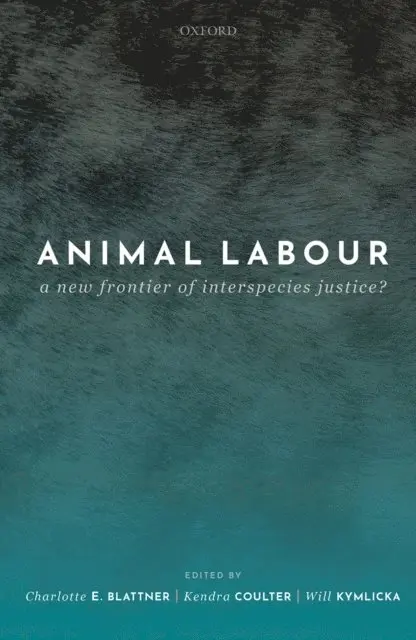
Is animal labour inherently oppressive, or can work be a source of meaning, solidarity, and social membership for animals? This challenging question drives this thought-provoking collection which explores the possibilities and complexities of animal labour as a site for interspecies justice. The book assembles an international and interdisciplinary group of scholars who carefully grapple with the many facets, implications, and entanglements of animal labour, and who,crucially, place animals at the heart of their analyses. Can animals engage in good work and have humane jobs? What kinds of labour rights are appropriate for animal workers? Can animals consent to work? Would recognizing animals as workers improve their legal and political status, or simplyreinforce the perception that they are beasts of burden? Can a focus on labour help to create or deepen bonds between animal advocates and other social justice movements? While the authors present a range of views on these questions, their contributions make clear that labour must be taken seriously by everyone interested in more just and ethical multispecies futures.
E-bok
Engelska, 20191 151 kr
Läs direkt efter köp
Is animal labour inherently oppressive, or can work be a source of meaning, solidarity, and social membership for animals? This challenging question drives this thought-provoking collection which explores the possibilities and complexities of animal labour as a site for interspecies justice. The book assembles an international and interdisciplinary group of scholars who carefully grapple with the many facets, implications, and entanglements of animal labour, and who,crucially, place animals at the heart of their analyses. Can animals engage in good work and have humane jobs? What kinds of labour rights are appropriate for animal workers? Can animals consent to work? Would recognizing animals as workers improve their legal and political status, or simplyreinforce the perception that they are beasts of burden? Can a focus on labour help to create or deepen bonds between animal advocates and other social justice movements? While the authors present a range of views on these questions, their contributions make clear that labour must be taken seriously by everyone interested in more just and ethical multispecies futures.
Inbunden, Engelska, 2019
1 131 kr
Skickas inom 5-8 vardagar
Is animal labour inherently oppressive, or can work be a source of meaning, solidarity, and social membership for animals? This challenging question drives this thought-provoking collection which explores the possibilities and complexities of animal labour as a site for interspecies justice. The book assembles an international and interdisciplinary group of scholars who carefully grapple with the many facets, implications, and entanglements of animal labour, and who, crucially, place animals at the heart of their analyses. Can animals engage in good work and have humane jobs? What kinds of labour rights are appropriate for animal workers? Can animals consent to work? Would recognizing animals as workers improve their legal and political status, or simply reinforce the perception that they are beasts of burden? Can a focus on labour help to create or deepen bonds between animal advocates and other social justice movements? While the authors present a range of views on these questions, their contributions make clear that labour must be taken seriously by everyone interested in more just and ethical multispecies futures.
E-bok
PDF, Tyska, 2024179 kr
Läs direkt efter köp
Dieser Band von Tierstudien beleuchtet den Begriff, das Konzept, das Phänomen sowie die Praxis der Arbeit in Bezug auf nichtmenschliche Tiere. Es geht um die Arbeit von Tieren, mit Tieren und für Tiere, z.B. als Subsistenzarbeit, Lohnarbeit, Erwerbsarbeit, Fronarbeit, Sklavenarbeit, Gastarbeit, Mitarbeit, emotionale Arbeit, entfremdete Arbeit, Kollaboration, Charity- oder Care-Arbeit.Tiere produzieren für sich selbst und für andere. Sie sind instinktiv, gezwungenermaßen oder freiwillig tätig, um ihren Lebensunterhalt zu bestreiten oder um von Menschen eine Lebensberechtigung zugesprochen zu bekommen. Die meisten Säugetiere arbeiten in der Landwirtschaft, im Transportwesen, im Medizinsektor, in der Unterhaltungsindustrie, bei der Polizei, beim Militär oder in Privathaushalten. Manche Tiere steigern durch ihre bloße Anwesenheit menschliche Produktivität, z.B. wenn sie im Klassenzimmer oder Büro zur Verbesserung des Arbeitsklimas eingesetzt werden.Dennoch existiert die Auffassung, dass Tiere nicht wirklich arbeiten. Tierliche Tätigkeit und Produktion werden selten als Dienst, Leistung oder Werk gewürdigt, weil ihnen vorgeblich keine bewusste Überlegung vorangeht. Tiere werden vielmehr oft als Kapital betrachtet bzw. als auszubeutende Ressourcen. Allein dadurch sind sie untrennbar in die Abläufe einer kapitalistisch verfassten Welt eingebunden.Die Beiträge beschäftigen sich u.a. mit streikenden Eseln, der Rolle von Jagd- und Gesellschaftshunden im Mittelalter, mit Bibern als Ökosystemingenieur*innen, Fürsorge in der Tiermedizin, dem Arbeitsbegriff in verschiedenen Reitweisen, Cochenilleschildläusen als Arbeiter*innen, der Poetisierung der Arbeitsleistung von Tieren in der Kinderliteratur und der Betrachtung sogenannter Nutztiere im Kunstunterricht. In künstlerischen Beiträgen werden tierliche Fürsorgearbeit im Krieg, eine Spürhundestaffel in Malawi und eine Aktualisierung des Kommunistischen Manifests für Tiere vorgestellt, aber auch die Werkzeuge, mit denen sogenannten Nutztieren zu Leibe gerückt wird.Mit wissenschaftlichen Beiträgen von Martin Bartelmus, Charlotte E. Blattner / Leonie M. Bossert, Marc Bubeck / Anna K. E. Schneider, Kendra Coulter, Martin Gabriel, Fabian Holzinger, Marcello Pocai, Alix Ricau, Oliver Schnoor, Tom Ullrich / Anne Heimerl und Simone Wagner.Mit künstlerischen Beiträgen von Marta Bogdańska, Julia Gunther, Terike Haapoja und Timo Stammberger.