Chengwei Liu – författare
2 244 kr
Skickas inom 10-15 vardagar
613 kr
Skickas inom 10-15 vardagar
662 kr
Läs direkt efter köp
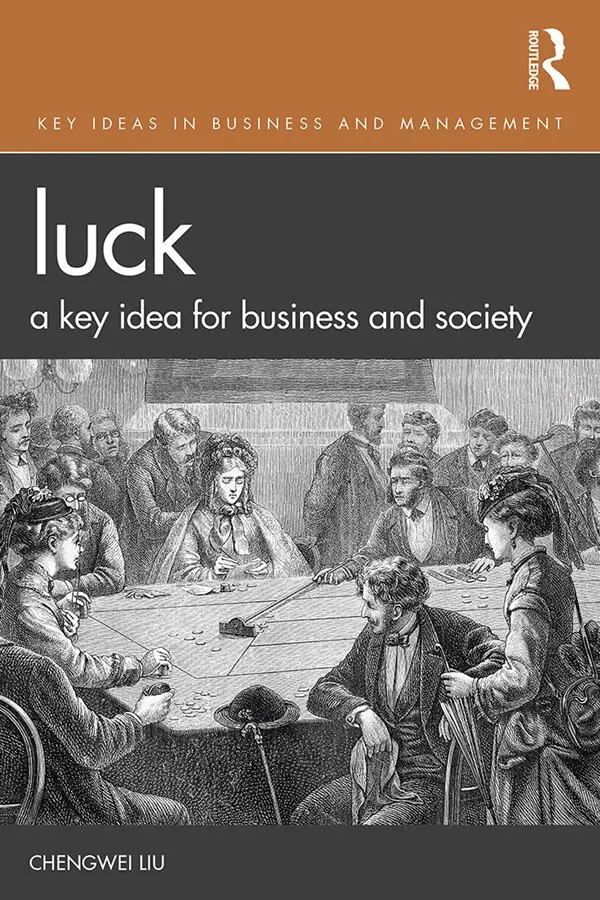
Shortlisted for the EGOS Book Award in 2021, this book moves beyond tired analyses of business success that bias leadership and strategy in order to focus on the critical role of good fortune.
The author provides insights from economics, sociology, political science, philosophy, and psychology to create a brief intellectual history of luck. In positioning luck as a key idea in management, the book analyzes various facets of fortune such as randomness, serendipity, and opportunity. Often overlooked given psychological bias toward meritocratic explanations, this book quantifies luck to establish the idea in a more central role in understanding variations in business performance.
In bringing the concept of luck in from the periphery, this concise book is a readable overview of management which will help students, scholars, and reflective practitioners see the subject in a new light.
668 kr
Läs direkt efter köp
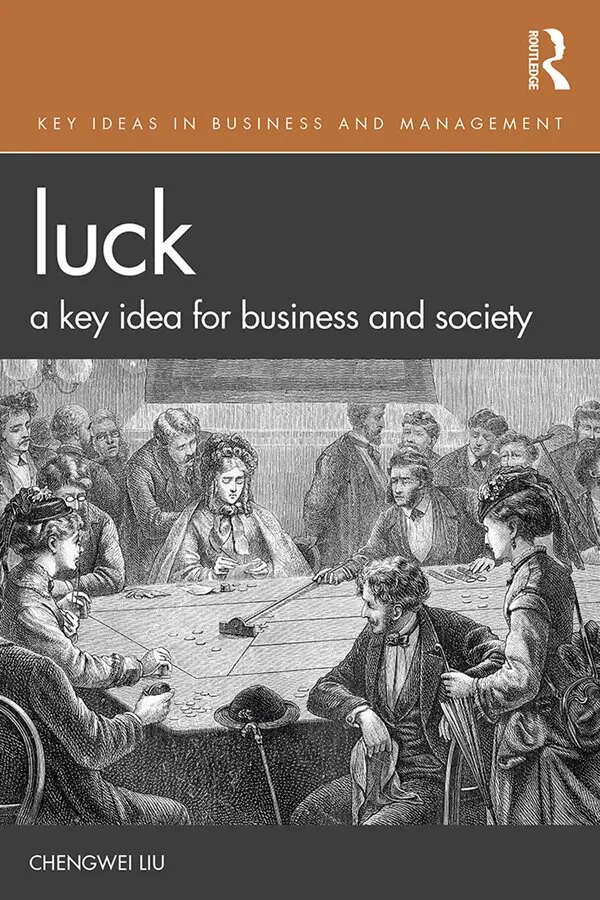
Shortlisted for the EGOS Book Award in 2021, this book moves beyond tired analyses of business success that bias leadership and strategy in order to focus on the critical role of good fortune.
The author provides insights from economics, sociology, political science, philosophy, and psychology to create a brief intellectual history of luck. In positioning luck as a key idea in management, the book analyzes various facets of fortune such as randomness, serendipity, and opportunity. Often overlooked given psychological bias toward meritocratic explanations, this book quantifies luck to establish the idea in a more central role in understanding variations in business performance.
In bringing the concept of luck in from the periphery, this concise book is a readable overview of management which will help students, scholars, and reflective practitioners see the subject in a new light.
2 150 kr
Läs direkt efter köp
2 150 kr
Läs direkt efter köp
3 623 kr
Läs direkt efter köp
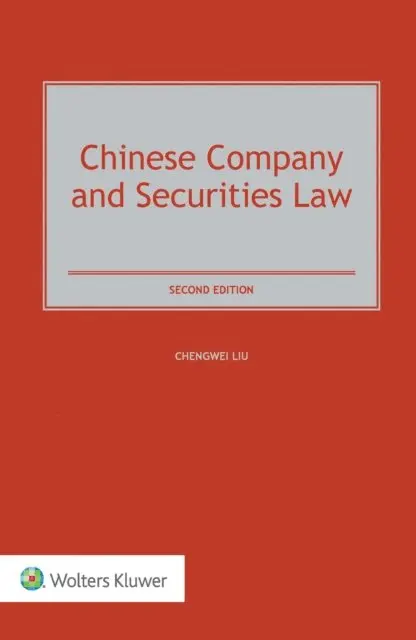
China enjoys the highest level of foreign investment of any country in the world today. Yet, despite substantial liberalization in last decades, investment in China remains tightly circumscribed. For complex reasons stemming from China’s protection of its own internal economy, the government hedges foreign investments, either green field Foreign Direct Investment (FDI) or Mergers and Acquisitions (M&As), with a complex system of laws, regulations and guidelines, bristling with challenges and uncertainties for even the simplest investment or restructurings.
This detailed, systematic explanation – by a practicing lawyer with over ten years experience at one of the top law firms in China – provides thorough and up-to-date guidance on the rules and procedures affecting FDI, M&As, and listings in China today. Focusing on such practical matters as key regulations, regulatory requirements, and transactional procedures and structures, the author leads the practitioner through the maze of interconnected national and local authorities, with expert knowledge of when and under what circumstances various rules apply and when they do not as well as practical skills on how to structure a particular deal under current regulations.
Included in this superb analysis are detailed descriptions of such factors as the following:
• establishment of a new Foreign Invested Enterprise (FIE), including a substantial review of the establishment of both common FIEs (either whole foreign ownership or joint ventures with Chinese parties) and particular FIEs (such as a foreign invested holding company, stock company or partnership);• the cross-border acquisition of a domestic company by foreign investors including the restructuring of existing FIEs by way of domestic re-investment or equity transfer or mergers;• the takeover of a PRC listed company by foreign investors through such ways as a Qualified Foreign Institutional Investor (QFII/RQFII) or strategic investment;• the acquisition of a State-Owned Enterprise (SOE), either listed or non-listed SOE;• the merger control review and national security review involved in an M&A transaction; and• the Initial Public Offering (IPO), follow-on offerings including private placement on Chinese capital market, as well as the issuance of corporate bonds in China.Since the year 2008 when the first edition was published, lots of significant developments were made in regard to the laws and regulations in FDI, M&As and capital market. Such developments and new regulations are given an up-to-date analysis in this second edition.
For law firms advising companies on investing in China, or for in-house counsel, this book is without peer as a comprehensive, reliable and easy-to-use resource. At every stage of a project, from the initial business decision to problems arising after successful start-up and during day-to-day operations, it will provide clear, authoritative guidance for years to come.

3 623 kr
Läs direkt efter köp
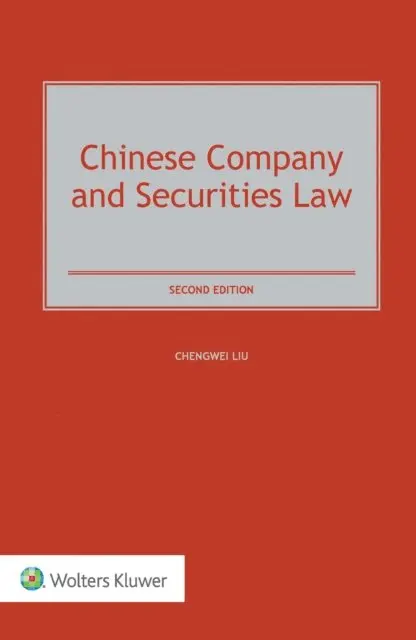
China enjoys the highest level of foreign investment of any country in the world today. Yet, despite substantial liberalization in last decades, investment in China remains tightly circumscribed. For complex reasons stemming from China’s protection of its own internal economy, the government hedges foreign investments, either green field Foreign Direct Investment (FDI) or Mergers and Acquisitions (M&As), with a complex system of laws, regulations and guidelines, bristling with challenges and uncertainties for even the simplest investment or restructurings.
This detailed, systematic explanation – by a practicing lawyer with over ten years experience at one of the top law firms in China – provides thorough and up-to-date guidance on the rules and procedures affecting FDI, M&As, and listings in China today. Focusing on such practical matters as key regulations, regulatory requirements, and transactional procedures and structures, the author leads the practitioner through the maze of interconnected national and local authorities, with expert knowledge of when and under what circumstances various rules apply and when they do not as well as practical skills on how to structure a particular deal under current regulations.
Included in this superb analysis are detailed descriptions of such factors as the following:
• establishment of a new Foreign Invested Enterprise (FIE), including a substantial review of the establishment of both common FIEs (either whole foreign ownership or joint ventures with Chinese parties) and particular FIEs (such as a foreign invested holding company, stock company or partnership);• the cross-border acquisition of a domestic company by foreign investors including the restructuring of existing FIEs by way of domestic re-investment or equity transfer or mergers;• the takeover of a PRC listed company by foreign investors through such ways as a Qualified Foreign Institutional Investor (QFII/RQFII) or strategic investment;• the acquisition of a State-Owned Enterprise (SOE), either listed or non-listed SOE;• the merger control review and national security review involved in an M&A transaction; and• the Initial Public Offering (IPO), follow-on offerings including private placement on Chinese capital market, as well as the issuance of corporate bonds in China.Since the year 2008 when the first edition was published, lots of significant developments were made in regard to the laws and regulations in FDI, M&As and capital market. Such developments and new regulations are given an up-to-date analysis in this second edition.
For law firms advising companies on investing in China, or for in-house counsel, this book is without peer as a comprehensive, reliable and easy-to-use resource. At every stage of a project, from the initial business decision to problems arising after successful start-up and during day-to-day operations, it will provide clear, authoritative guidance for years to come.