Cherisse Jones-Branch – författare
Visar alla böcker från författaren Cherisse Jones-Branch. Handla med fri frakt och snabb leverans.
10 produkter
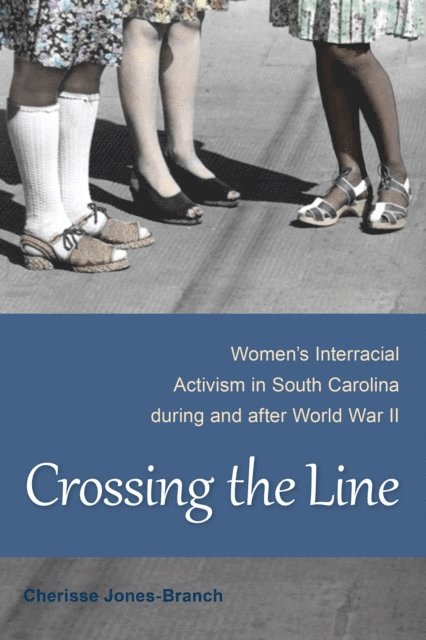
Crossing the Line
Women''s Interracial Activism in South Carolina during and after World War II
E-bok, 2014
1221 kr
Lägg i varukorg
They lived deeply separate lives. They wrestled with what Brown v. Board of Education would mean for their communities. And although they were accustomed to a segregated society, many women in South Carolina--both black and white--knew that the unequal racial status quo in their state had to …
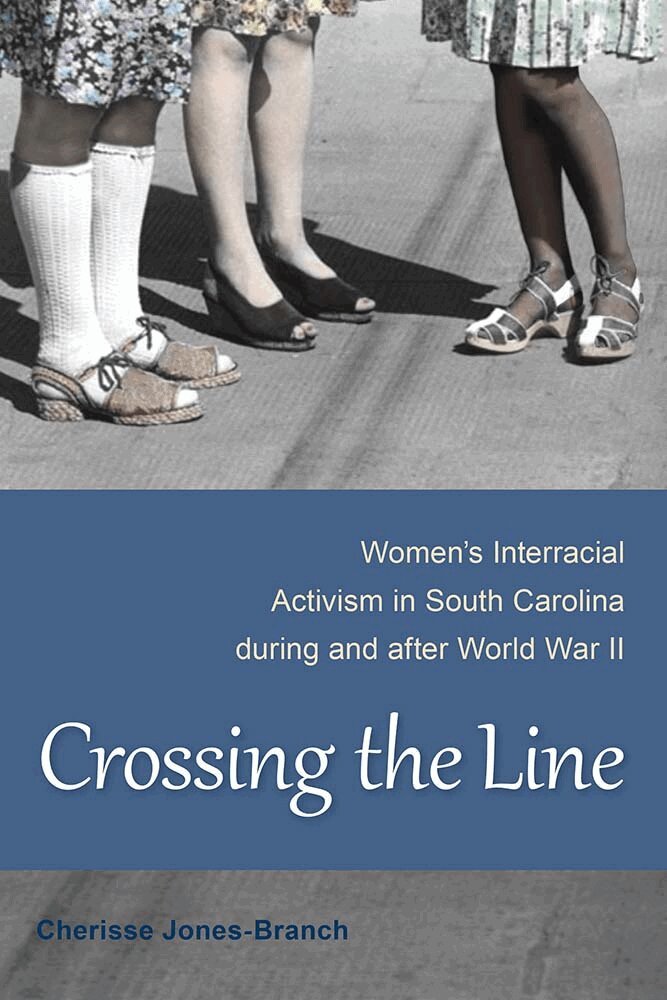
Crossing the Line
Women's Interracial Activism in South Carolina During and After World War II
Inbunden, 2014
822 kr
Lägg i varukorg
Although they were accustomed to a segregated society, many women in South Carolina--both black and white, both individually and collectively--worked to change their state's unequal racial status quo. In this volume, Cherisse Jones-Branch explores the early activism of black women in organizations …
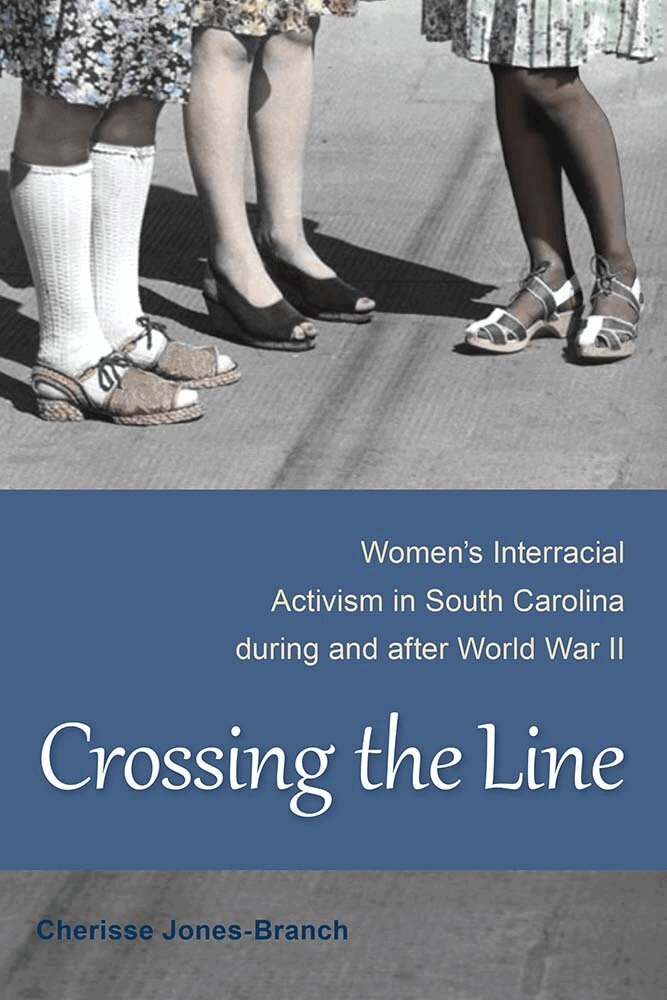
Crossing the Line
Women's Interracial Activism in South Carolina During and After World War II
Häftad, 2015
219 kr
Lägg i varukorg
Although they were accustomed to a segregated society, many women in South Carolina - both black and white, both individually and collectively - worked to change their state’s unequal racial status quo. In this volume, Cherisse Jones-Branch explores the early activism of black women in …
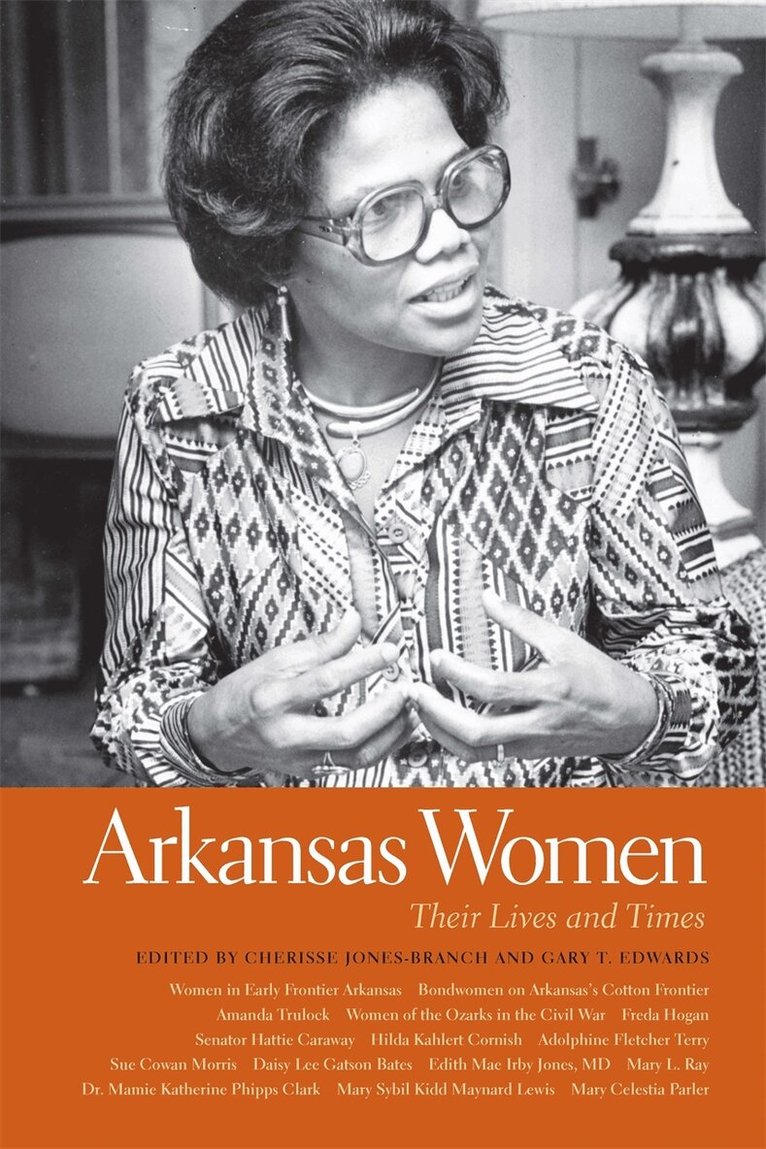
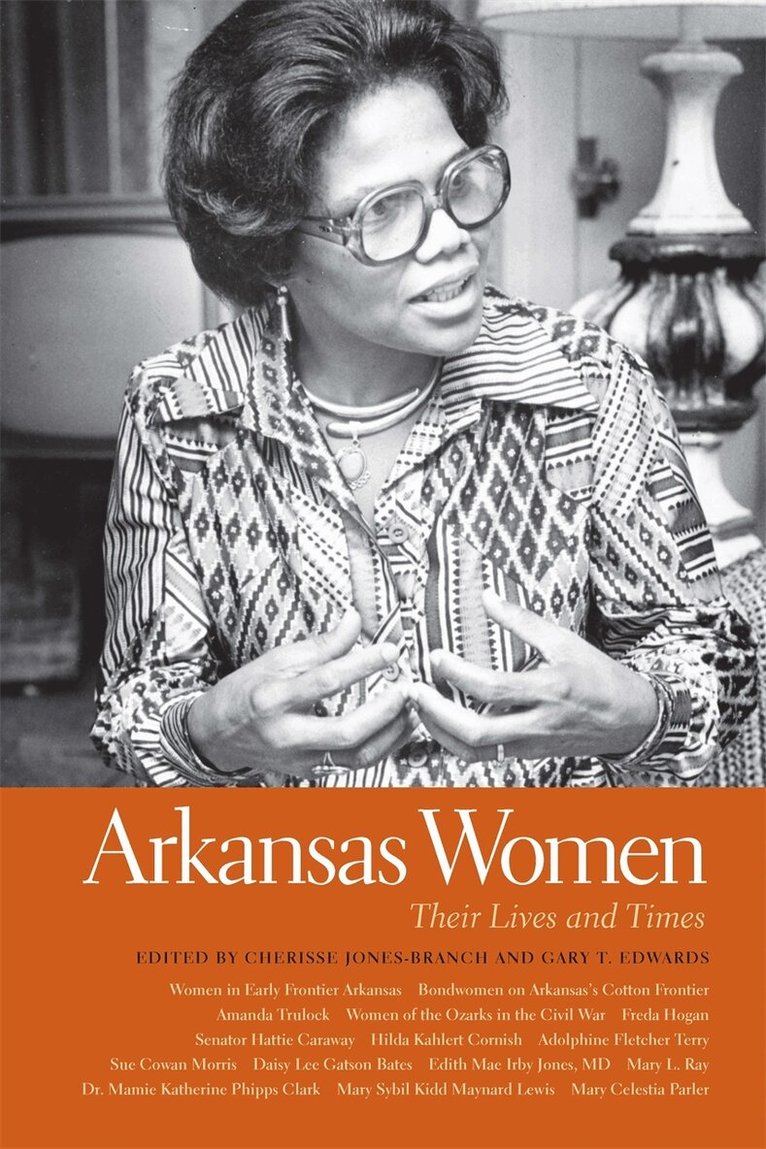
Arkansas Women
Their Lives and Times
Inbunden, 2018
1551 kr
Lägg i varukorg
Following in the tradition of the Southern Women series, Arkansas Women highlights prominent Arkansas women, exploring women’s experiences across time and space from the state’s earliest frontier years to the late twentieth century. In doing so, this collection of fifteen biographical essays …
Arkansas Women
Their Lives and Times
Av Cherisse Jones-Branch, Gary T. Edwards
E-bok, 2018
1570 kr
Lägg i varukorg
Following in the tradition of the Southern Women series, Arkansas Women highlights prominent Arkansas women, exploring women’s experiences across time and space from the state’s earliest frontier years to the late twentieth century. In doing so, this collection of fifteen biographical essays …
Arkansas Women
Their Lives and Times
Häftad, 2018
619 kr
Lägg i varukorg
Following in the tradition of the Southern Women series, Arkansas Women highlights prominent Arkansas women, exploring women’s experiences across time and space from the state’s earliest frontier years to the late twentieth century. In doing so, this collection of fifteen biographical essays …
Arkansas Women
Their Lives and Times
Av Gary T. Edwards, Cherisse Jones-Branch
E-bok, 2018
1432 kr
Lägg i varukorg
Following in the tradition of the Southern Women series, Arkansas Women highlights prominent Arkansas women, exploring women’s experiences across time and space from the state’s earliest frontier years to the late twentieth century. In doing so, this collection of fifteen biographical essays …
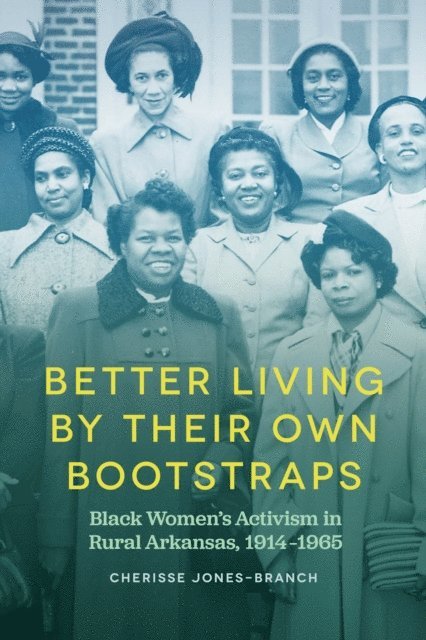
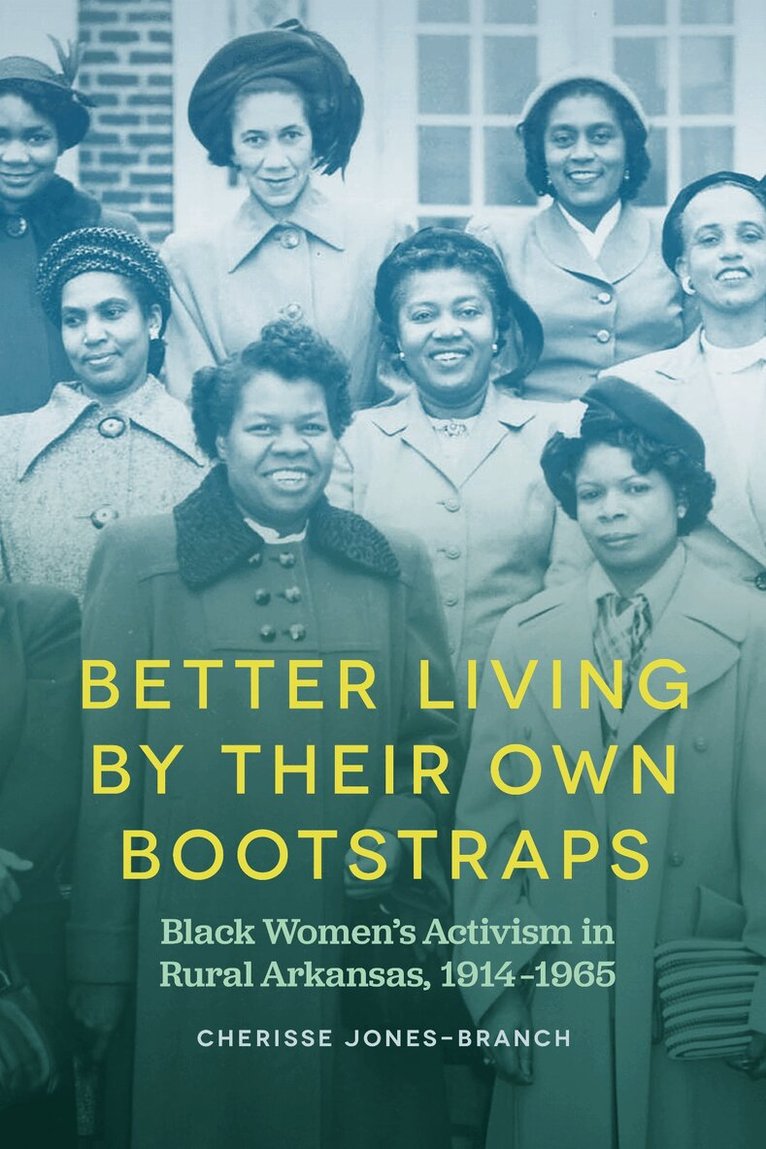
Better Living by Their Own Bootstraps
Black Women''s Activism in Rural Arkansas, 1914-1965
E-bok, 2021
631 kr
Lägg i varukorg
The first major study to consider Black women’s activism in rural Arkansas, Better Living by Their Own Bootstraps foregrounds activists’ quest to improve Black communities through language and foodways as well as politics and community organizing. In reexamining these efforts, Cherisse Jones-Branch …
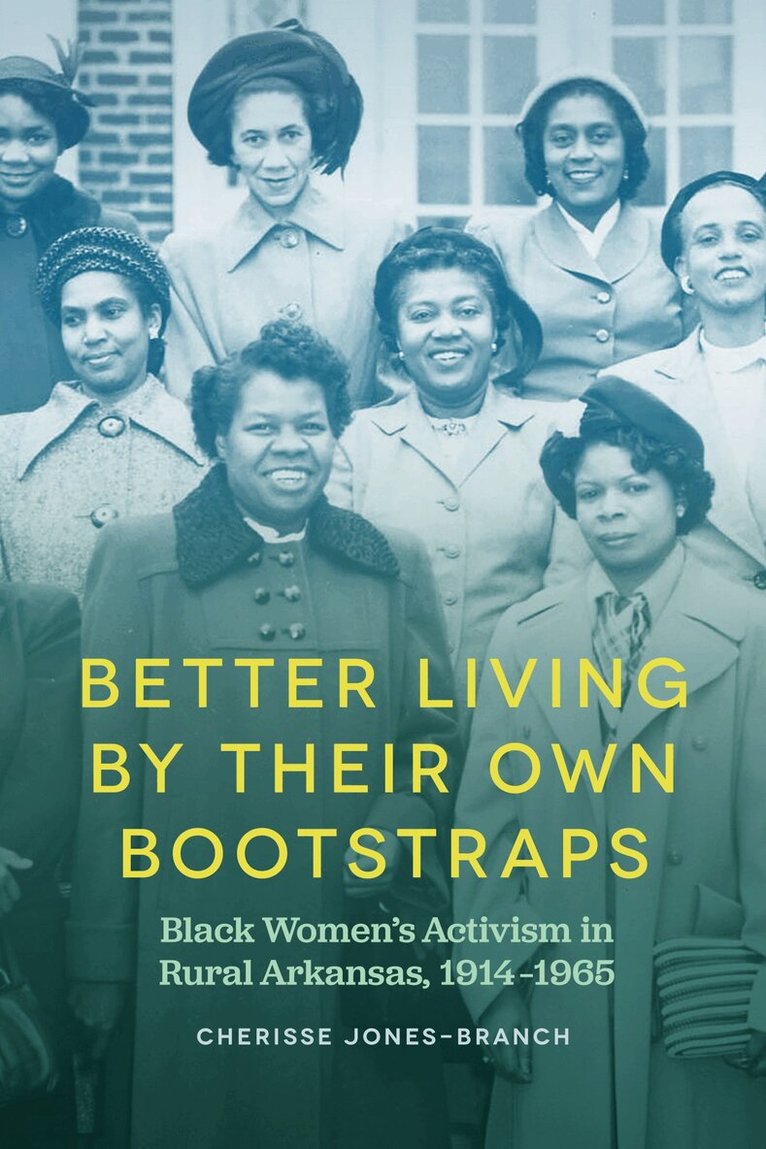
Better Living by Their Own Bootstraps
Black Women's Activism in Rural Arkansas, 1914-1965
Inbunden, 2021
513 kr
Lägg i varukorg
The first major study to consider Black women’s activism in rural Arkansas, Better Living by Their Own Bootstraps foregrounds activists’ quest to improve Black communities through language and foodways as well as politics and community organizing. In reexamining these efforts, Cherisse Jones-Branch …
Better Living by Their Own Bootstraps
Black Women's Activism in Rural Arkansas, 1914-1965
Häftad, 2023
344 kr
Lägg i varukorg
The first major study to consider Black women’s activism in rural Arkansas, Better Living by Their Own Bootstraps foregrounds activists’ quest to improve Black communities through language and foodways as well as politics and community organizing. In reexamining these efforts, Cherisse Jones-Branch …