Cheryl R. Jorgensen-Earp – författare
Visar alla böcker från författaren Cheryl R. Jorgensen-Earp. Handla med fri frakt och snabb leverans.
5 produkter
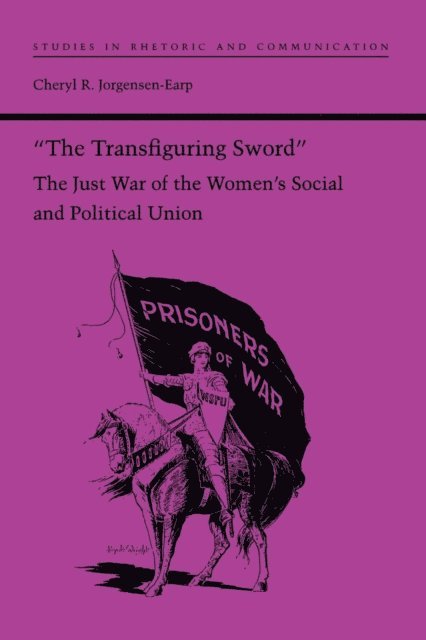
Transfiguring Sword
The Just War of the Women''s Social and Political Union
E-bok, 2015
585 kr
Lägg i varukorg
Provides a new understanding of the recurrent rhetorical need to employ conservative rhetoric in support of a radical cause The Women’s Social and Political Union, the militant branch of the English women’s suffrage movement, turned to arson, bombing, and widespread property destruction as a …
Henpecked
Winston Churchill and Women's Suffrage
Häftad, 2026
950 kr
Lägg i varukorg
Henpecked: Winston Churchill and Women’s Suffrage explores the recurrent interactions between Winston Churchill and the women’s suffrage movement in Britain. Churchill purposely concealed, under a discursive veil, his complex and shifting perceptions of women’s competency to use the franchise. In …
Henpecked
Winston Churchill and Women's Suffrage
Inbunden, 2026
2299 kr
Kommande
Henpecked: Winston Churchill and Women’s Suffrage explores the recurrent interactions between Winston Churchill and the women’s suffrage movement in Britain. Churchill purposely concealed, under a discursive veil, his complex and shifting perceptions of women’s competency to use the franchise. In …
In the Wake of Violence
Image & Social Reform
Inbunden, 2008
1708 kr
Tillfälligt slut
How acts of violence are rhetorically "managed" by social movements: In the Wake of Violence explores the immediate and longer term aftermath of violence committed by independent radicals involved in single-issue movements. Cheryl R. Jorgensen-Earp explores several specific incidents in recent …
Discourse and Defiance under Nazi Occupation
Guernsey, Channel Islands, 1940–1945
Inbunden, 2013
1688 kr
Tillfälligt slut
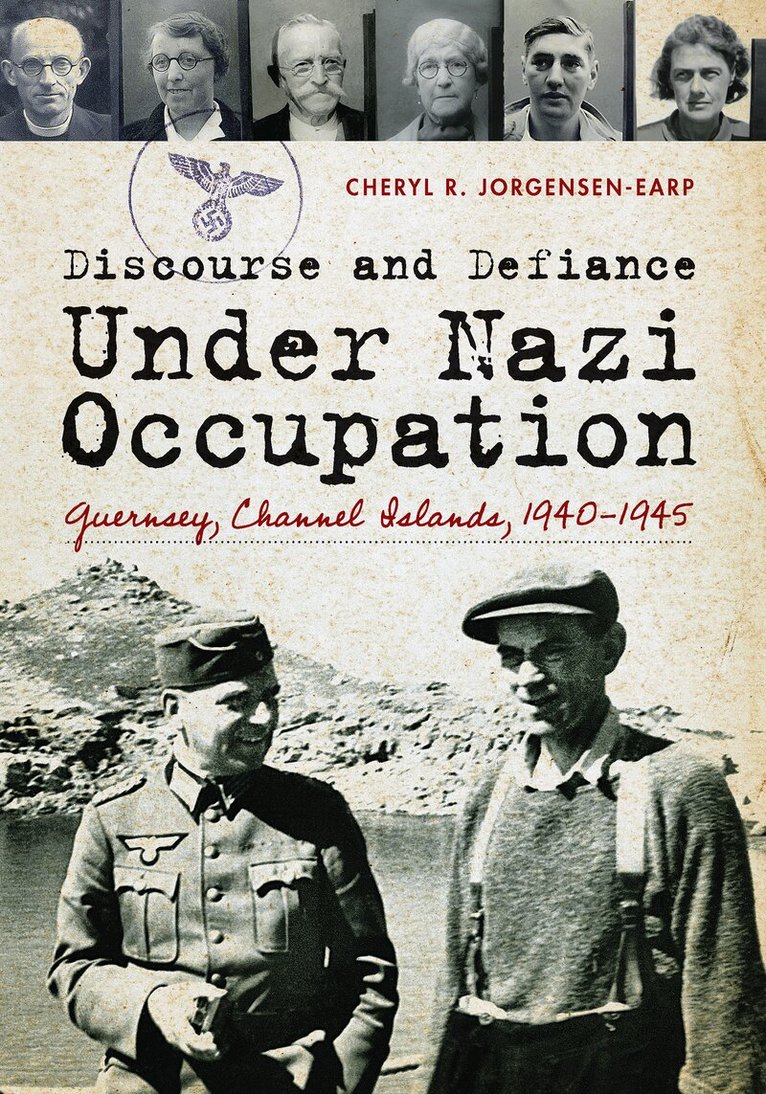
Captured by German forces shortly after Dunkirk, and not relinquished until May of 1945, nearly a year after the Normandy invasion, the British Channel Islands (Guernsey, Jersey, Alderney, Sark, and Herm) were characterized during their occupation by severe deprivation and powerlessness. The …