Chris Bernhardt – författare
Visar alla böcker från författaren Chris Bernhardt. Handla med fri frakt och snabb leverans.
11 produkter
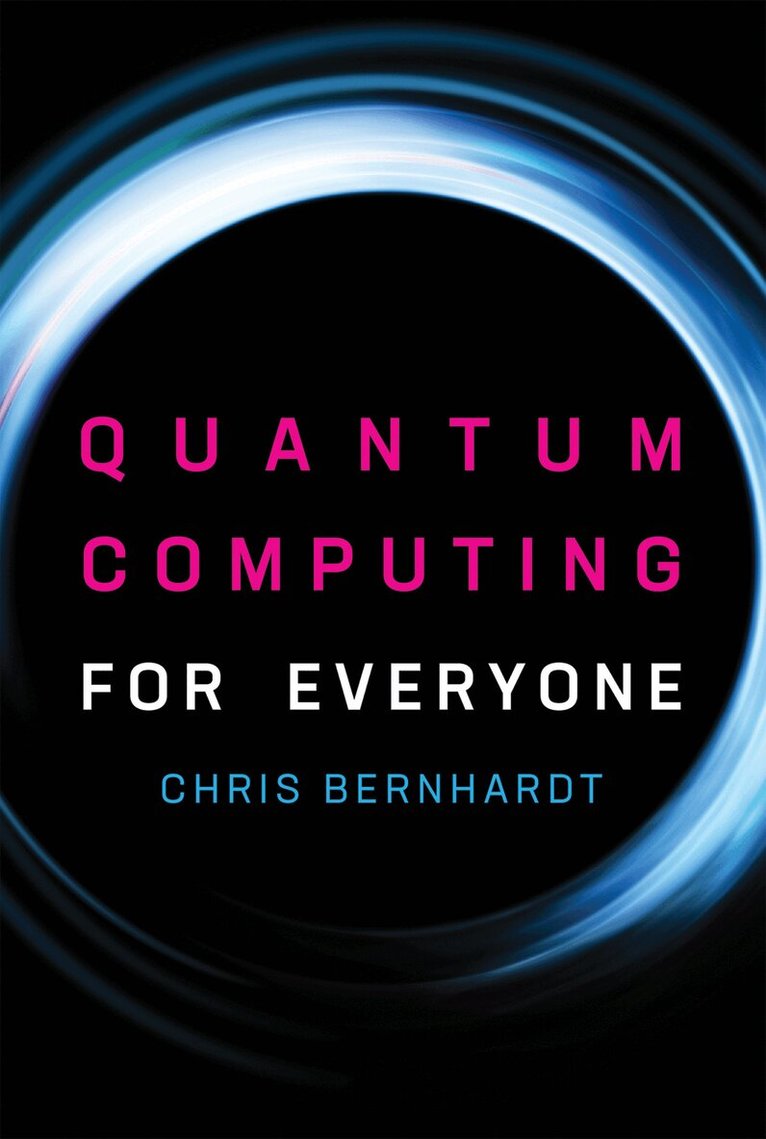
Quantum Computing for Everyone
Häftad, 2020
215 kr
Lägg i varukorg
FOR NON-EXPERTS: Get an accessible introduction to quantum computing as a mathematician explains quantum algorithms, quantum entanglement, and more. Quantum computing is a beautiful fusion of quantum physics and computer science! Quantum computing incorporates some of the most stunning ideas from …
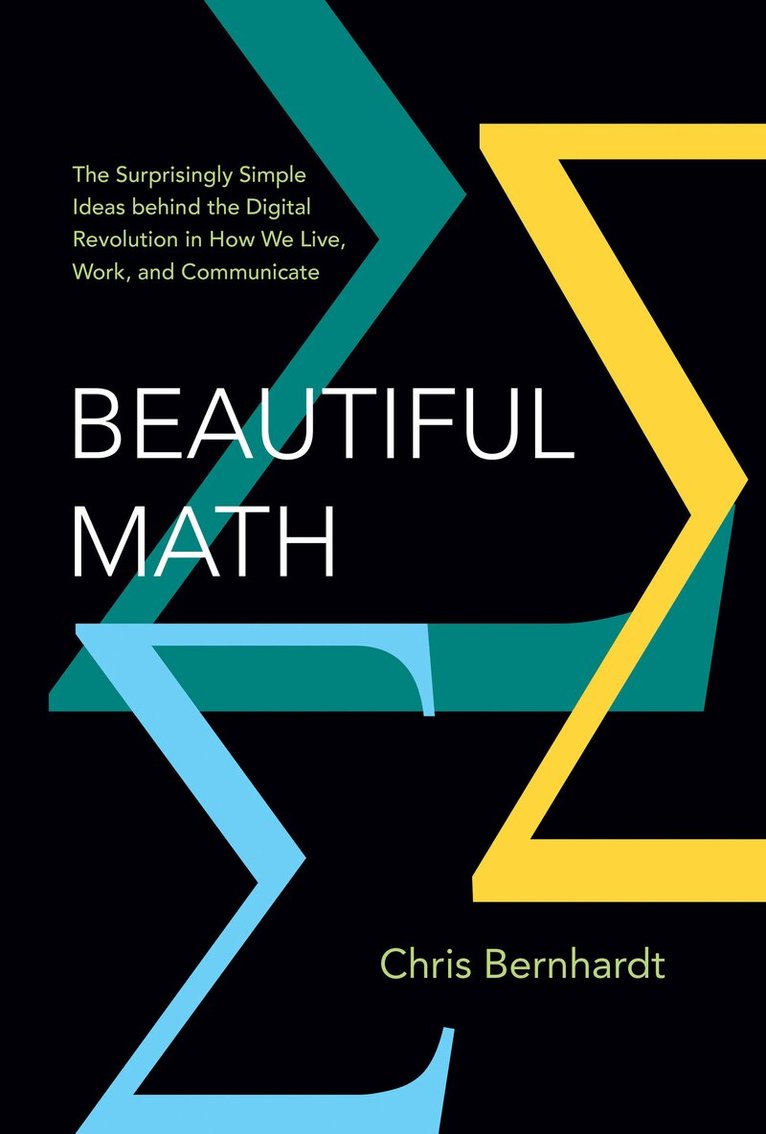
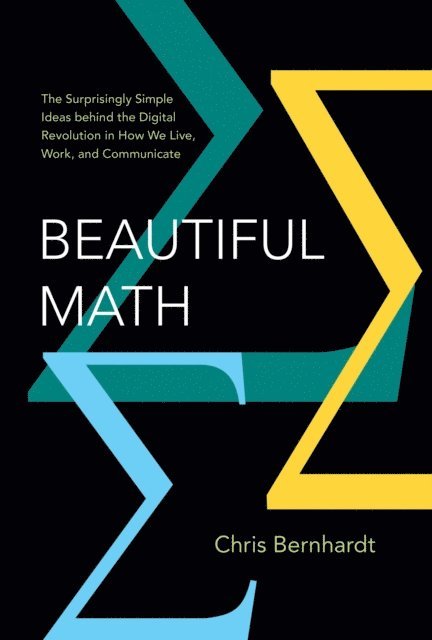
Beautiful Math
The Surprisingly Simple Ideas behind the Digital Revolution in How We Live, Work, and Communicate
Häftad, 2026
227 kr
Lägg i varukorg
From the bestselling author of Quantum Computing for Everyone, a concise, accessible, and elegant approach to mathematics that not only illustrates concepts but also conveys the surprising nature of the digital information age.Most of us know something about the grand theories of physics that …
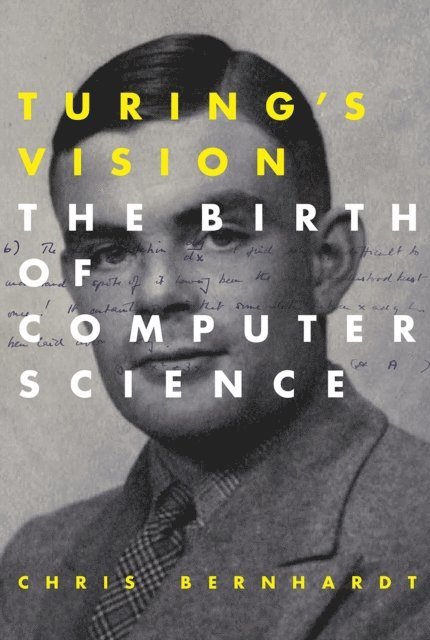
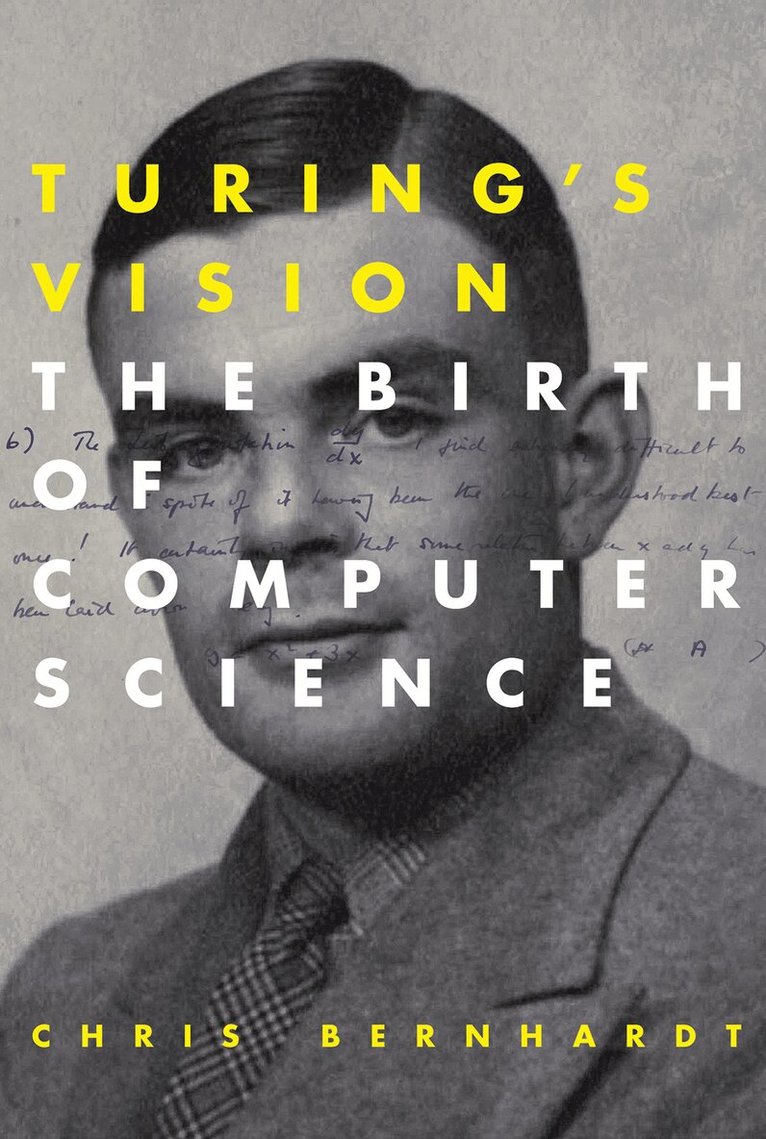
Turing's Vision
E-bok, 2016
268 kr
Lägg i varukorg
Turing''s fascinating and remarkable theory, which now forms the basis of computer science, explained for the general reader. In 1936, when he was just twenty-four years old, Alan Turing wrote a remarkable paper in which he outlined the theory of computation, laying out the ideas that underlie all …
Quantum Computing for Everyone
E-bok, 2019
253 kr
Lägg i varukorg
An accessible introduction to an exciting new area in computation, explaining such topics as qubits, entanglement, and quantum teleportation for the general reader. Quantum computing is a beautiful fusion of quantum physics and computer science, incorporating some of the most stunning ideas from …
Turing's Vision
The Birth of Computer Science
Häftad, 2017
230 kr
Lägg i varukorg
Turing's fascinating and remarkable theory, which now forms the basis of computer science, explained for the general reader.In 1936, when he was just twenty-four years old, Alan Turing wrote a remarkable paper in which he outlined the theory of computation, laying out the ideas that underlie all …
Beautiful Math
The Surprisingly Simple Ideas behind the Digital Revolution in How We Live, Work, and Communicate
Inbunden, 2024
288 kr
Lägg i varukorg
From the bestselling author of Quantum Computing for Everyone, a concise, accessible, and elegant approach to mathematics that not only illustrates concepts but also conveys the surprising nature of the digital information age.Most of us know something about the grand theories of physics that …
Mathematical Tour
Av Denis Bell, Chris Bernhardt
Häftad, 2025
722 kr
Lägg i varukorg
A Mathematical Tour introduces readers to a selection of mathematical topics chosen for their centrality, importance, historical significance, and intrinsic appeal and beauty. The book is written to be accessible and interesting to readers with a good grounding in high school level mathematics and …
Mathematical Tour
Av Denis Bell, Chris Bernhardt
Inbunden, 2025
1832 kr
Lägg i varukorg
A Mathematical Tour introduces readers to a selection of mathematical topics chosen for their centrality, importance, historical significance, and intrinsic appeal and beauty. The book is written to be accessible and interesting to readers with a good grounding in high school level mathematics and …
Mathematical Tour
Av Chris Bernhardt, Denis Bell
E-bok, 2025
762 kr
Lägg i varukorg
A Mathematical Tour introduces readers to a selection of mathematical topics chosen for their centrality, importance, historical significance, and intrinsic appeal and beauty. The book is written to be accessible and interesting to readers with a good grounding in high school level mathematics and …
Mathematical Tour
Av Chris Bernhardt, Denis Bell
E-bok, 2025
762 kr
Lägg i varukorg
A Mathematical Tour introduces readers to a selection of mathematical topics chosen for their centrality, importance, historical significance, and intrinsic appeal and beauty. The book is written to be accessible and interesting to readers with a good grounding in high school level mathematics and …